Should a Brake Booster Hold Vacuum? What a Leak Test Reveals
Yes, a properly functioning vacuum brake booster should retain a reserve of vacuum after the engine is switched off. A one-way check valve helps preserve that reserve, allowing some power-assisted braking even when the engine is no longer producing vacuum. It should not lose all assistance the instant the engine stops.
However, the booster cannot provide unlimited assisted pedal applications. Each brake application uses some of the stored pressure difference, so the pedal normally becomes firmer after several presses with the engine off. How much reserve remains, and how long it lasts without pedal use, depends on the vehicle and the condition of its vacuum system.
If the pedal feels unusually hard immediately after shutdown, the booster may have a vacuum leak, a faulty check valve, or an inadequate vacuum supply. Those faults can resemble one another and require different repairs.
This guide explains how vacuum is stored, what normal pedal behavior looks like, how to perform basic stationary checks, and how to distinguish a leaking booster from a damaged hose or check valve. It also explains when a repair is necessary and why an unexpected loss of brake assist should never be ignored.
Should a Brake Booster Hold Vacuum After the Engine Stops?
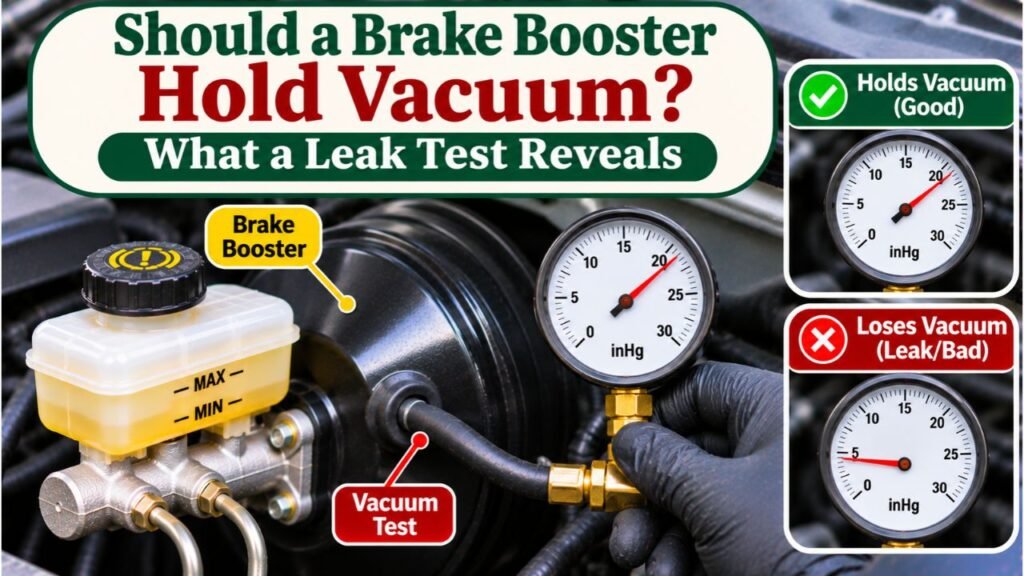
Yes. On a conventional vacuum-assisted brake system, the booster is meant to retain some vacuum after engine shutdown, provided the reservoir and check valve remain sealed. This reserve can give the driver limited assistance if the engine stalls or the vacuum source temporarily becomes unavailable.
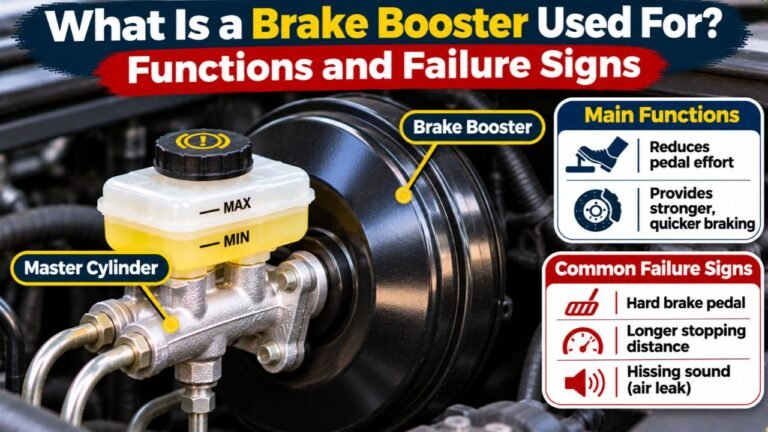
The brake booster is not a compressed-air tank. It contains chambers maintained below atmospheric pressure. When the pedal is pressed, an internal control valve admits atmospheric air to one side of a diaphragm, creating a pressure difference that helps push the master cylinder.
The stored reserve is finite. It is normal for the pedal to become progressively harder with repeated applications after the engine is turned off. It is not normal for a previously functioning vacuum booster to lose all reserve immediately without a clear reason.
This explanation applies to conventional vacuum boosters. Vehicles with hydraulic boosters or electrically integrated braking systems may behave differently and should be checked using their own service procedures.
How a Brake Booster Stores and Retains Vacuum
The One-Way Check Valve Preserves Vacuum
A vacuum hose connects the booster to an engine intake source or vacuum pump. When the source produces adequate vacuum, air is drawn out of the booster. The one-way check valve prevents air from flowing backward into the booster when vacuum on the supply side falls.
The AutoZone brake booster check valve guide explains that this valve retains assistance when engine vacuum drops during operation or after shutdown. It may be seated in a rubber grommet on the booster or built into the hose assembly.
A defective check valve can cause the booster to lose stored vacuum even when its diaphragm and housing are sound. That is why a failed retention test does not automatically mean the whole booster needs replacement.
Internal Diaphragm and Seals Must Remain Airtight
The booster housing, diaphragm, internal control valve, and seals must limit unwanted airflow. If air leaks through a torn diaphragm or faulty valve, the pressure difference needed for assistance can disappear.
A damaged mounting grommet or loose vacuum connection can create a similar problem outside the booster. These smaller components should be inspected before diagnosing an expensive internal failure.
How Long Should a Brake Booster Hold Vacuum?
There is no universal number of minutes or hours that applies to every make and model. A working booster should usually retain enough reserve for some assisted pedal applications after shutdown, but the required holding time depends on the manufacturer’s diagnostic procedure.
Many practical tests check for stored assistance shortly after switching off the engine. Others use a specified waiting period or a vacuum gauge to measure a permitted pressure change. A vehicle that passes its factory test may not retain an identical amount of vacuum overnight.
A car that has been parked for a long period may have a firm pedal before the engine starts without necessarily having a defect. More important is whether assistance returns normally when the engine or approved vacuum pump operates, and whether the system passes a timed reserve test.
What a Normal Brake Pedal Should Feel Like
With the engine running and the vacuum system working, the brake pedal generally requires less effort than it does without assistance. It should still have controlled resistance and predictable travel.
After the engine stops, the first pedal application may feel assisted. Additional presses typically use up the remaining reserve, making the pedal higher or harder to depress. That change is expected; pumping the pedal deliberately consumes the vacuum you are trying to evaluate.
If you exhaust the reserve while the engine is off, then hold steady moderate pedal pressure and start the engine, a conventional booster normally makes the pedal move downward slightly as assistance returns. That is a basic function check, not proof that every component is airtight.
A pedal that steadily sinks toward the floor while held can indicate a hydraulic fault, including master cylinder leakage, rather than a vacuum-retention problem. Keep those symptoms separate during diagnosis.
Signs a Brake Booster Is Not Holding Vacuum
Several changes can suggest an air leak or loss of reserve:
- The pedal becomes hard immediately after shutdown, with no noticeable stored assist.
- A persistent hissing sound comes from the booster, pedal area, or vacuum connection.
- Pedal effort increases unexpectedly while driving, especially during repeated stops.
- The engine idles roughly when braking, on systems where a vacuum leak affects engine operation.
- A booster-related warning appears, if the vehicle monitors vacuum or brake-assist performance.
None of these symptoms identifies one failed part by itself. Low engine vacuum, a collapsed hose, a leaking check valve, and an internal booster fault can all reduce assistance. A hard pedal can also have causes unrelated to the booster.
If braking suddenly requires substantially more force, the vehicle is not suitable for routine driving until the cause is checked.
How to Check Whether a Brake Booster Holds Vacuum
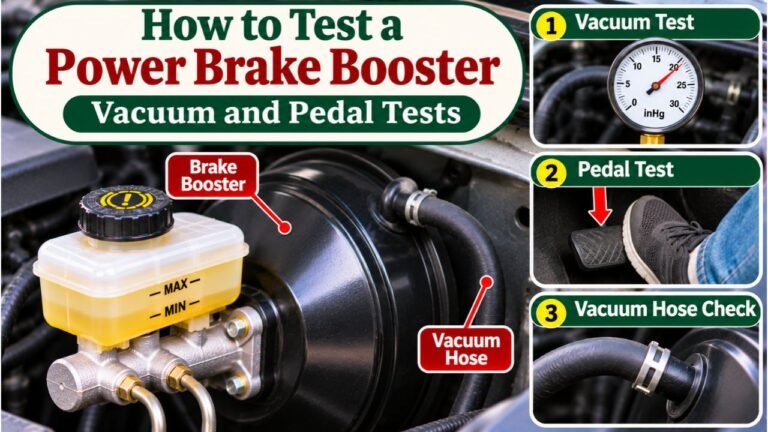
These are basic stationary checks for a conventional vacuum-assisted system. Park on level ground, select Park or the appropriate gear, set the parking brake, and chock the wheels. Do not perform these checks in traffic or on a slope. Refer to the service manual before testing unusual or electronically controlled systems.
Step 01: Build Vacuum With the Engine Running
Start the engine and allow it to run briefly under the conditions specified by the manufacturer. Avoid pressing the brake pedal repeatedly during this stage. The objective is to give the booster a normal vacuum supply so it can establish a reserve.
Step 02: Switch the Engine Off and Check the Reserve
Turn the engine off without repeatedly pumping the pedal first. After the waiting period called for by the vehicle’s procedure, press the brake pedal using normal, controlled force. A functioning conventional booster should generally provide some assistance before the pedal becomes firm.
Step 03: Check the Booster’s Response on Restart
With the engine off, press the pedal several times until the stored assist is exhausted. Hold moderate, steady pressure on the pedal and start the engine. On a typical vacuum-booster system, the pedal should move down slightly when vacuum assistance becomes available.
CARDONE’s technical bulletin on diagnosing vacuum brake boosters explains this restart check and notes that inadequate vacuum supply or internal booster trouble can prevent the expected response. Pedal movement confirms that assist is operating at that moment, not that the system passes every retention test.
Step 04: Have the System Tested if Results Are Abnormal
If the reserve disappears too quickly, a technician can measure vacuum at the supply and booster, isolate the appropriate sections, and check the one-way valve. The specific gauge connection, waiting time, and allowable leakage must come from the vehicle’s service instructions.
Do not disconnect vacuum fittings with the engine running or clamp hoses without an approved procedure. Disturbing brittle fittings can introduce new leaks. If you are uncertain about the results, seek professional brake diagnosis before driving.
Brake Booster Check Valve vs. Internal Vacuum Leak
The check valve and the booster housing are separate possible leakage points. A check valve that allows reverse airflow can drain the stored reserve when the engine stops. A cracked grommet or loose hose connection may allow outside air to enter, with similar symptoms.
An internal leak occurs when a diaphragm, seal, or control valve within the booster fails to maintain the intended pressure difference. It may cause hissing near the pedal or an unusual change in engine idle when the brakes are applied.
A one-way valve can be tested separately with an appropriate hand vacuum pump or manufacturer-approved airflow procedure. If that valve fails, replacing it may restore retention without replacing the booster. If the valve and external connections pass but the booster cannot retain vacuum, an internal fault becomes more likely.
Why Does a Brake Booster Lose Vacuum Overnight?
Loss of stored assistance after several hours does not by itself prove failure. Vacuum reserve may gradually diminish, and the factory test may only specify retention for a much shorter interval. A hard first pedal in the morning needs context, especially if the brakes work normally after startup.
However, a repeatable loss of assist soon after shutdown deserves attention. Possible causes include deteriorated vacuum hoses, a loose check-valve grommet, a check valve that leaks backward, or internal booster seals that cannot remain airtight.
The first useful question is whether the engine or pump produces enough vacuum while operating. The second is whether that vacuum is reaching the booster. Only then should a technician evaluate whether the booster itself is leaking.
Can Low Engine Vacuum Look Like a Bad Booster?
Yes. A healthy booster cannot build an adequate reserve if its supply is insufficient. Vacuum may be low because of an engine problem, a faulty auxiliary pump, a restriction, or a leaking connection. High-performance engine modifications may also change normal manifold vacuum.
A technician can use a vacuum gauge at the correct test point and compare the reading with the vehicle’s specified range. There is no single number that accurately describes every engine and booster arrangement.
A hose can also be restricted or collapse under suction. This may produce weak assist even if no obvious air leak can be heard. Replacing the booster before checking supply pressure and hose condition can leave the original fault unresolved.
Vacuum Loss vs. Brake Master Cylinder Problems
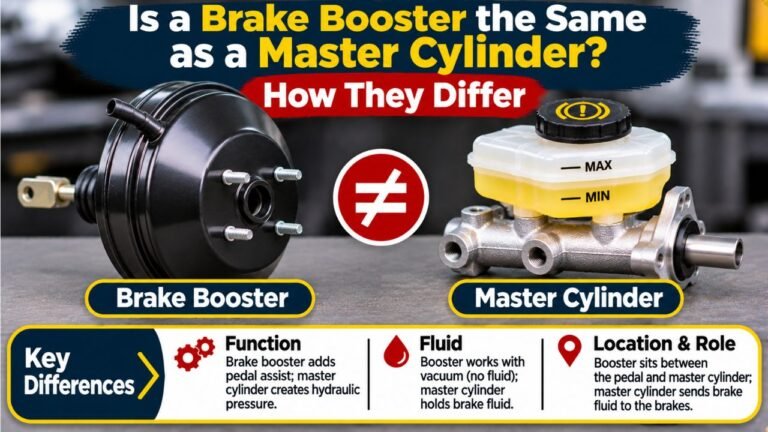
A failed vacuum booster commonly makes the brake pedal harder to press because assistance is reduced. A master cylinder that leaks internally may make the pedal slowly sink under steady pressure even when vacuum assistance is operating normally.
These are useful clues, not definitive diagnoses. Air in the hydraulic lines, external fluid leaks, and other brake faults can also produce abnormal pedal travel. Do not adjust the pushrod or replace the master cylinder solely because a booster reserve test failed.
The Moss Motors brake servo diagnosis guide separates vacuum-assist complaints from hydraulic pressure loss and recommends checking the hose, valve, and booster before choosing repairs. Its advice is especially relevant to conventional servo-equipped systems, not every modern electronic brake design.
Does a Brake Booster Need Replacement if It Loses Vacuum?
Not automatically. If a cracked supply hose, leaking grommet, or defective check valve is responsible, the damaged external part may be the only component that needs replacement. Confirm correct part fitment and installation rather than treating a universal valve as suitable for every car.
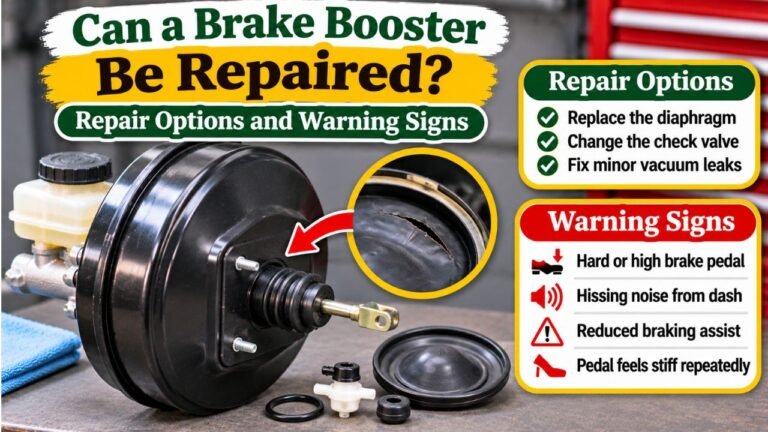
If proper testing establishes that the booster housing, diaphragm, or internal valve is leaking, replacement of the booster assembly is commonly required. Some specialized or older units may have approved rebuild options, but ordinary repair decisions should follow the specific manufacturer’s guidance.
After repair, the system needs a repeat vacuum-reserve check, proper pedal-response verification, and a brake-system inspection. If hydraulic connections were opened during service, the specified bleeding procedure is also necessary.
Is It Safe to Drive With a Booster That Will Not Hold Vacuum?
A loss of vacuum reserve can become a safety problem if the engine stalls or vacuum assistance is interrupted. The service brakes may still be mechanically or hydraulically connected, but substantially more pedal force can be needed to slow the vehicle.
If the pedal suddenly becomes hard, braking is weak, or stopping distance increases, pull over safely and arrange towing. Do not conduct a road test to see whether the booster can still stop the car. Even a leak that seems minor should be inspected promptly because the remaining assistance may not be predictable.
FAQs About Should a Brake Booster Hold Vacuum
Should the Brake Booster Have Vacuum With the Engine Off?
Yes. A conventional vacuum booster should normally retain some stored vacuum after the engine stops. The amount of available assistance decreases as the brake pedal is pressed repeatedly.
Is It Normal for the Brake Pedal to Get Hard After Pumping It?
Yes, with the engine off. Repeated presses consume the stored vacuum, so the pedal gradually feels harder. The important distinction is whether the reserve was present initially and whether assistance returns when the engine starts.
Does a Bad Check Valve Always Mean a Bad Brake Booster?
No. A failed one-way check valve can allow vacuum to escape even if the booster itself is in good condition. Test the valve and associated seals before deciding whether the booster needs replacement.
Can a Brake Booster Hold Vacuum Overnight?
Some may retain vacuum for an extended period, but overnight retention is not a universal pass-or-fail rule. Use the manufacturer’s required holding time or gauge-based leakage test for the vehicle.
Can I Test Vacuum Retention Without a Gauge?
A stationary pedal-reserve check can reveal whether some assistance remains after shutdown. It cannot reliably identify the exact leak or measure its rate, so abnormal results should be followed by professional testing.
What Retained Vacuum Tells You About Brake Booster Safety
So, should a brake booster hold vacuum when the engine is off? Yes. A conventional vacuum booster is designed to retain a limited reserve through its one-way check valve and airtight internal components. A pedal that becomes harder after repeated engine-off presses is normal; an immediate unexplained loss of assistance is not.
The most useful next step is to compare the vehicle’s behavior with its service procedure rather than guessing at a universal holding time. Check the vacuum supply, hose, grommet, and check valve before blaming the booster itself.
If braking effort has changed or the vehicle fails its vacuum-retention check, have the fault diagnosed and corrected before returning to normal driving. Reliable brake assist matters far more than whether the pedal briefly feels acceptable during a driveway test.