Good Brake Pads vs Bad: Differences, Warning Signs, and Safety
A good brake pad uses friction material suited to the vehicle, maintains predictable braking as temperatures change, fits the caliper correctly, controls noise, and wears evenly. A poor pad may use unsuitable friction material, create excessive noise or dust, wear quickly, damage rotors, fit poorly, or lose braking consistency as heat rises.
There are two ways a pad can be “bad.” A brand-new pad can be poorly made or wrong for the vehicle, while a previously good pad can become unsafe after excessive wear, overheating, contamination, cracking, or another brake-system fault.
The practical difference matters because price alone does not tell you how a brake pad will behave. A low-cost pad from a reputable manufacturer may suit normal commuting well, while an expensive performance pad can be unpleasant on the street if it needs more heat than ordinary driving creates.
U.S. braking requirements also show why pad performance must be viewed as part of the whole system. NHTSA’s FMVSS 135 laboratory procedure includes a cold-effectiveness stopping requirement of no more than 70 meters from 100 km/h under its specified test conditions. That requirement applies to the vehicle’s braking system rather than acting as a rating for one aftermarket pad.
The practical way to compare good brake pads vs bad is to look beyond packaging and material labels. Friction formulation, backing-plate construction, shims, slots, chamfers, hardware, fitment, heat behavior, and intended driving use all matter. Bosch, for example, uses vehicle-specific friction formulas along with OE-style shims, slots, and chamfers across its premium pad lines.
What stood out to me during the research is that a good pad is not always the one with the strongest initial bite. The better pad is the one that produces predictable braking in the temperature range and driving conditions the vehicle actually sees.
The sections below show how good pads differ from poor ones, which construction details matter, what worn or damaged pads look and sound like, how ceramic and semi-metallic compounds fit into the comparison, and what to check before buying or replacing a set.
Good Brake Pads vs Bad: What Separates Them?
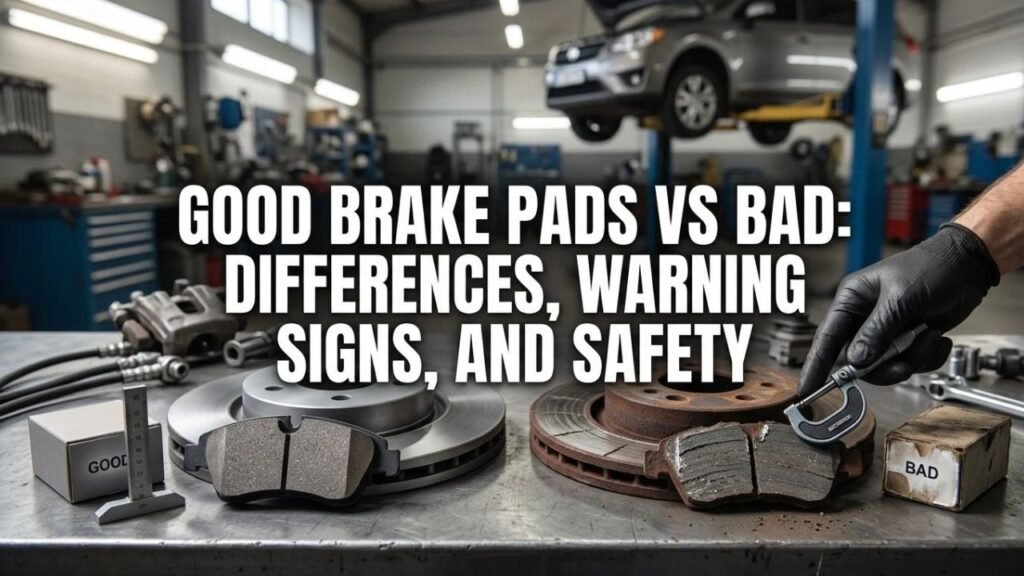
A good brake pad should provide stable friction, proper fit, suitable heat capacity, controlled noise, and predictable wear. A bad pad may fail in one or several of those areas.
| Feature | Good Brake Pads | Bad or Poorly Matched Brake Pads |
| Friction | Predictable and suited to vehicle | Inconsistent, weak, or wrong for application |
| Fit | Matches caliper and rotor design | Loose, tight, binding, or incorrect |
| Noise control | Proper shims, chamfers, slots where required | Poor damping or incorrect geometry |
| Heat behavior | Matches intended workload | Fades, overheats, or glazes too easily |
| Wear | Reasonably even across axle | Rapid, tapered, cracked, or irregular wear |
| Rotor interaction | Appropriate for rotor and use | Excessive scoring or accelerated wear |
| Backing plate | Rigid and corrosion protected | Weak, poorly coated, or heavily corroded |
| Hardware | Correct clips or hardware where required | Missing, weak, or wrong hardware |
Good Pads Match the Vehicle
A good pad starts with correct fitment.
Brake-pad dimensions, friction compound, slot location, chamfer shape, wear-sensor position, and backing-plate geometry can all differ between vehicle applications. A pad that physically fits into a caliper is not automatically the correct pad.
Bosch describes its premium lines as using platform-specific friction materials and OE-style pad geometry rather than relying on one friction formula for every vehicle.
Bad Pads May Be Poor Quality or Simply Wrong
A pad does not have to be badly manufactured to behave poorly.
Installing a comfort-focused ceramic pad on a vehicle that repeatedly tows heavy loads may produce disappointing heat behavior. A highly aggressive performance pad used for short city trips may create added noise and dust without giving the driver much practical advantage.
The mismatch is the problem.
Worn Pads Are Different From Poor-Quality New Pads
A premium brake pad can eventually become a bad pad through wear or damage.
Friction material becomes thinner with every stop. Pads can also glaze, crack, become contaminated, overheat, wear at an angle, or separate from the backing plate.
That is why brand reputation does not replace periodic inspection.
Key Takeaway: A good brake pad combines correct fit, suitable friction material, stable braking, proper noise control, and normal wear. A bad pad may be poorly made, worn out, damaged, or simply wrong for the vehicle’s workload.
What Makes a Good Brake Pad?
Several construction details separate a well-designed replacement pad from a basic piece of friction material attached to steel.
Vehicle-Specific Friction Material
The friction compound controls how the pad behaves against the rotor.
It affects:
- Initial bite
- Heat tolerance
- Noise
- Dust
- Rotor wear
- Pedal feel
- Pad life
- Cold response
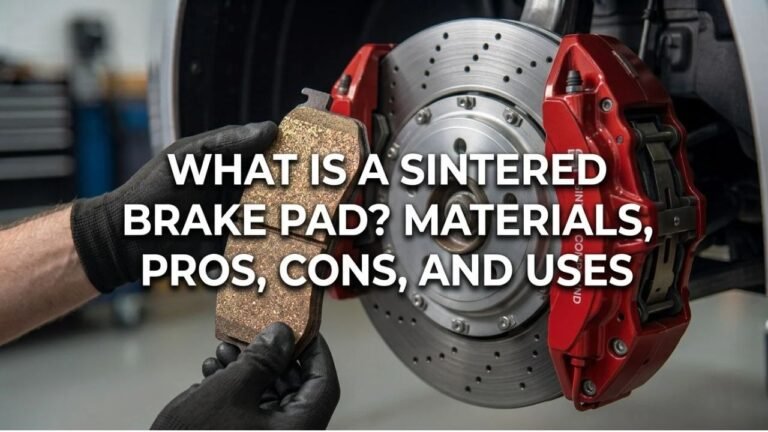
This is why I would not select a pad only because the box says ceramic or semi-metallic.
Tire Rack separates street, performance-street, and competition pads because different compounds are intended for different temperature ranges and braking loads. A normal street pad can work very well for commuting yet be poorly suited to repeated track stops.
Proper Shims, Slots, and Chamfers
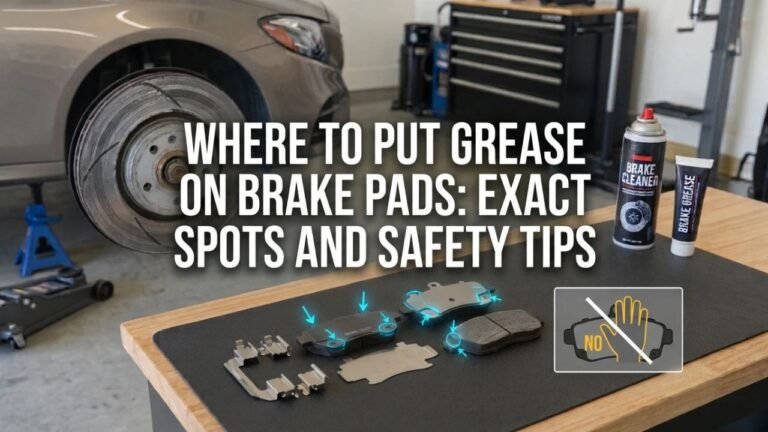
A shim sits between the pad backing plate and caliper components to control vibration that can become brake noise.
A chamfer is an angled section at the edge of the friction material. Slots divide portions of the friction surface and can affect noise, gas movement, dust, and pad behavior.
Good pad makers often reproduce these features according to the original application rather than placing identical slots and chamfers on every pad.
Bosch lists multilayer shims, OE-style slots, and chamfers across multiple QuietCast applications.
Strong Backing Plate and Friction Bond
The steel backing plate supports the friction material and transfers force from the caliper piston.
It needs enough stiffness to resist unwanted flex. Corrosion protection also matters because severe rust can affect the pad edges, hardware contact points, and bond area.
Bosch lists powder-coated backing plates on its premium pads as protection against rust and corrosion.
The friction material must also remain firmly attached to the backing plate. Separation, crumbling, or cracking is not normal wear.
Correct Hardware
Brake pads move slightly inside their brackets as the brakes apply and release.
Abutment clips and related hardware need the right shape and tension so pads can move without rattling or binding.
Some premium pad sets include replacement hardware for applications that need it. Reusing badly corroded clips can undermine the advantage of installing good new pads.
Key Takeaway: Good pads combine a vehicle-matched friction compound with rigid backing plates, correct noise-control features, secure friction material, and suitable hardware.
Signs of Bad or Worn Brake Pads
Poor pad condition often reveals itself through sound, wear pattern, appearance, or changes in braking behavior.
Squealing
A high-pitched squeal can come from a mechanical wear indicator touching the rotor as the pad becomes thin.
It can also come from vibration, rust, damaged shims, poor hardware, glazing, rotor condition, or a pad compound that naturally makes more noise.
Firestone notes that wear indicators may create an audible warning as the friction material approaches its service limit.
Squealing alone does not prove that a pad is low quality.
Grinding
A harsh grinding sound requires prompt inspection.
If the friction material is gone, the steel backing plate can contact the rotor. That can score the rotor deeply and turn a pad replacement into a pad-and-rotor repair.
AutoZone lists metal-on-metal grinding as a common sign of severely worn pads.
Uneven Wear
Inner and outer pads on the same caliper should not have a dramatic difference in thickness under normal conditions.
One pad wearing much faster can point to:
- Sticking caliper piston
- Seized guide pin
- Binding pad in bracket
- Corroded hardware
- Brake-hose restriction
- Installation problem
NHTSA-hosted manufacturer service information shows examples of severe inner-to-outer pad wear caused by brake-system faults rather than ordinary friction wear.
A new set of high-grade pads will wear badly again if the mechanical cause is not repaired.
Cracks, Glazing, or Surface Damage
The friction face should remain structurally intact.
Pads may need replacement if the surface is badly cracked, heavily glazed, broken, or damaged by overheating.
A glazed pad often develops a hard, smooth-looking friction surface after excessive heat. Its braking behavior can change because the surface no longer interacts with the rotor as intended.
Contamination
Brake fluid, grease, oil, or another contaminant on the friction face is a serious problem.
NHTSA’s FMVSS 105 test procedure includes inspection for visible brake fluid or lubricant on brake friction surfaces after testing.
Do not try to correct a heavily contaminated pad by sanding away the top layer and assuming the contamination is gone. Find and repair the source of the leak or contamination, then follow the vehicle or brake manufacturer’s replacement procedure.
Key Takeaway: Grinding, severe uneven wear, cracks, glazing, contamination, and friction-material damage are stronger signs of a bad pad than ordinary dust or an occasional squeak.
Does More Expensive Mean Better Brake Pads?
No. Price can reflect material, brand, included hardware, manufacturing, testing, warranty, and market position, but a higher price does not guarantee a better match for your vehicle.
A premium street pad may cost more because it uses multilayer shims, corrosion-resistant backing plates, vehicle-specific friction compounds, and new hardware.
A performance pad can also cost more because it is built for higher temperatures.
That does not make a high-temperature pad the better choice for a quiet daily commuter.
My preference is to judge brake pads in this order:
- Correct vehicle fitment
- Intended driving use
- Reputable manufacturer
- Friction compound
- Noise-control construction
- Included hardware
- Price
Buying solely by the cheapest price creates risk, but buying solely by the highest price does not solve the selection problem either.
Does Brake Pad Material Determine Good or Bad Quality?
No. Ceramic and semi-metallic pads can both be excellent or poor depending on the formulation and application.
The material category describes part of the pad’s behavior, not its entire quality level.
Ceramic Brake Pads
Ceramic pads are commonly chosen for passenger cars and daily-driven crossovers.
Their common strengths include:
- Low visible dust
- Quiet operation
- Smooth street braking
- Good wear characteristics
Tire Rack notes that ceramic compounds commonly produce lighter-colored dust that is less visible on wheels.
A ceramic pad is not automatically the best pick for a vehicle exposed to frequent high brake temperatures or heavy loads.
Semi-Metallic Brake Pads
Semi-metallic pads contain metallic ingredients mixed with other friction materials.
Their common strengths include:
- Strong initial bite
- Good heat transfer
- Suitability for higher brake loads
- Strong performance across demanding driving conditions
They may create more visible dust and noise than many ceramic formulas.
A quality semi-metallic pad can be far better than a low-grade ceramic pad for a truck or demanding driving application.
Organic Brake Pads
Organic or non-asbestos organic pads use fibers, fillers, resins, and other materials with little or no metallic content depending on the formula.
They can provide quiet braking and may be gentle on rotors, but some formulas wear faster or tolerate less heat than ceramic or semi-metallic alternatives.
The vehicle’s original design remains the better starting point than choosing a material because one category sounds more premium.
Key Takeaway: Ceramic, semi-metallic, and organic are friction-material categories, not quality grades. A well-made pad matched to the vehicle is better than an unsuitable pad carrying a more desirable material label.
How Can You Tell if New Brake Pads Are Good Before Buying?
You cannot judge friction performance perfectly by looking at a box, but several checks reduce the chance of buying a poor match.
Confirm Exact Fitment
Match the pads to:
- Year
- Make
- Model
- Engine or trim where required
- Front or rear axle
- Brake package
- Rotor size when multiple packages exist
Some vehicles use more than one brake setup within the same model year.
A VIN-based catalog lookup or exact brake-code check may be needed in those cases.
Choose a Reputable Brake Manufacturer
A known manufacturer does not guarantee that every product tier is identical, but established brake companies usually provide clearer specifications, vehicle catalogs, technical support, and warranty terms.
Look for clear information about friction material, pad position, included hardware, and intended use.
I would be cautious with pads that provide little more than dimensions and a vague claim of better stopping power.
Look at Pad Construction
A well-finished pad often shows:
- Clean friction-material edges
- Uniform backing plate
- Correctly positioned shims
- Proper slots and chamfers
- Secure wear indicator where required
- Corrosion-resistant coating
- Correct hardware
Cosmetic appearance still cannot prove the friction compound is good. It is simply another check.
Match the Pad to the Driving Job
Daily commuting, towing, mountain driving, fleet work, autocross, and track use create different brake temperatures.
Tire Rack’s brake categories illustrate this distinction: OE-style premium street pads are aimed at normal road use, while performance and competition compounds are built around harder braking and higher temperatures.
Key Takeaway: Check exact fitment, manufacturer reputation, construction, friction type, and intended use. A correctly matched mid-priced pad may be a better purchase than an expensive pad made for a different job.
How Can a Good Brake Pad Become Bad?
Pads are wear parts. Even an excellent set will eventually reach a point where continued use is no longer appropriate.
Heat, wear, contamination, and mechanical brake faults can shorten that process.
Friction Material Gets Too Thin
Replacement thickness differs among vehicles and brake designs.
AutoZone states that many pads begin with roughly 8/32 to 12/32 inch of friction material and recommends replacement around 3/32 inch in its general service guidance. Vehicle-specific service information takes priority.
A separate NHTSA-hosted commercial brake inspection document, for example, specifies replacement at 3.2 mm of remaining friction material for the brake design covered by that document.
Those different figures show why one universal discard thickness should not be applied blindly to every brake system.
Overheating Damages the Friction Surface
Repeated heavy braking can raise pad temperatures far beyond normal commuting levels.
If a compound is pushed outside its intended operating range, the surface may glaze, crack, transfer material unevenly, or lose friction.
A pad designed for the vehicle’s actual workload reduces that risk.
A Sticking Caliper Ruins the Pad
A caliper that does not release properly can hold a pad against the rotor continuously.
Tire Rack notes that a sticking caliper can create excess dust, noise, heat, rotor wear, and rapid pad wear.
Replacing the pad without fixing the caliper only resets the symptom.
Key Takeaway: A good pad can become bad through normal wear, overheating, contamination, or a mechanical brake fault. Inspect the cause of abnormal wear before fitting another set.
Good Brake Pads Should Not Be Judged by Noise Alone
Quiet braking is desirable for most street cars, but silence is not a complete test of pad quality.
Some aggressive performance compounds naturally create more noise, especially at lower temperatures. A quiet comfort pad may have a very different friction curve.
Noise can also come from:
- Rotor rust
- Moisture
- Worn clips
- Missing shims
- Pad vibration
- Glazed friction surfaces
- Contamination
- Caliper problems
Firestone notes that moisture, rust, debris, and installation issues can all create brake squeal even when worn friction material is not the cause.
Judge noise alongside pad thickness, wear pattern, braking feel, rotor condition, and intended use.
Does More Brake Dust Mean the Pads Are Bad?
No.
All friction pads create wear particles. The amount and color change with the pad compound, rotor, temperature, and driving style.
Tire Rack notes that aggressive friction compounds may create more dust and noise, while many ceramic compounds create lighter-colored dust that is less obvious on wheels.
A wheel that suddenly develops far more dust than the wheel on the opposite side deserves inspection. That pattern can indicate a dragging caliper or pad that is not releasing correctly.
Normal dust is a friction byproduct. Abnormally heavy dust at one wheel is a diagnostic clue.
When Should Bad Brake Pads Be Replaced?
Replace pads when they reach the vehicle maker’s service limit or show damage that makes continued use unsuitable.
Do not wait for metal-on-metal grinding.
Replacement may be needed for:
- Minimum friction thickness reached
- Severe cracks
- Friction material separating from backing plate
- Heavy glazing after overheating
- Fluid or grease contamination
- Major uneven wear
- Broken friction material
- Severe taper
- Backing plate contacting rotor
Pads should normally be replaced in matching axle sets. If the left-front pad is worn out, the usual repair is not to install one new pad on that wheel and leave the old pads elsewhere on the front axle.
NHTSA-hosted repair instructions for one brake recall specifically state that pads are replaced at both ends of an axle even when only one caliper is being replaced.
Inspect the rotors, calipers, guide pins, hoses, and hardware at the same time. New pads cannot correct a sticking caliper or badly damaged rotor.
Conclusion
The good brake pads vs bad comparison is about much more than price, brand name, or friction-material category. Good pads match the vehicle, provide predictable friction, handle the intended temperature range, fit correctly, control vibration, and wear normally.
Poor pads may use the wrong compound, fit badly, create excessive noise or dust, overheat too easily, damage rotors, or deteriorate faster than expected. A high-grade pad can also become a bad pad once it is thin, cracked, glazed, contaminated, or damaged by a sticking caliper.
I would choose pads by exact vehicle fitment and driving use first, then compare manufacturer reputation, friction formulation, shims, hardware, backing-plate construction, and price. That approach is more useful than assuming ceramic is always better, expensive is always better, or quiet means good.
Inspect the full brake assembly when replacing pads. Rotor condition, caliper movement, hardware, and hydraulic faults can make even a well-made new pad perform poorly.
FAQs About Good and Bad Brake Pads
How Can I Tell if Brake Pads Are Good Quality?
Look for exact vehicle fitment, a reputable manufacturer, clearly stated friction material, solid backing plates, properly attached shims, OE-style slots or chamfers where the vehicle uses them, and correct hardware.
Driving behavior matters too. Good pads should produce predictable braking and normal wear without severe vibration, cracking, or rapid deterioration.
Are Cheap Brake Pads Always Bad?
No. A lower-priced pad from a reputable manufacturer can work well for normal street driving.
The concern is extremely cheap products with unclear fitment, unknown friction formulation, weak hardware, poor noise control, or little technical information. Compare construction and intended use rather than price alone.
What Do Bad Brake Pads Sound Like?
Worn pads may squeal when a wear indicator contacts the rotor. Completely exhausted pads may produce harsh grinding if the backing plate reaches the rotor.
Poor installation, rotor rust, moisture, hardware faults, and some performance compounds can also create noise, so sound alone cannot identify pad quality.
What Do Bad Brake Pads Look Like?
Warning signs include very thin friction material, deep cracks, missing chunks, heavy glazing, fluid contamination, severe taper, separation from the backing plate, or one pad being much thinner than its partner.
Normal brake dust or minor surface marks do not automatically mean a pad is bad.
Can Bad Brake Pads Damage Rotors?
Yes. A pad worn through to its backing plate can score a rotor severely.
An overly aggressive or poorly matched compound may also increase rotor wear. A dragging pad caused by a sticking caliper can overheat and damage the rotor even if the friction material itself started as a good product.
Are OEM Brake Pads Better Than Aftermarket Pads?
OEM pads are designed around the vehicle manufacturer’s targets for friction, noise, dust, wear, and pedal feel. That makes them a strong reference point.
Good aftermarket pads can match or change those characteristics for specific goals such as lower dust, heavier towing, or performance driving. The manufacturer and application matter more than the OEM or aftermarket label alone.
Can New Brake Pads Be Bad?
Yes. A new pad can be defective, poorly manufactured, contaminated, damaged, incorrectly installed, or unsuitable for the vehicle.
New pads can also behave badly because of old rotors, seized calipers, rusty hardware, or installation errors. If braking changes sharply after a pad replacement, inspect the entire brake assembly rather than assuming new automatically means good.