Can I Leave My Parking Brake On Overnight? Safety and Care Tips
Yes, you can leave your parking brake on overnight, and under normal conditions, that is exactly what it is designed to do. A properly working parking brake can hold a stationary vehicle for hours without damaging its shoes, pads, cables, or electronic actuator. Use it along with Park in an automatic vehicle or the appropriate gear in a manual vehicle.
The main exception is severe freezing weather, especially after the brakes have become wet. Moisture can freeze the parking-brake components in place, making them difficult to release the next morning. A brake that already sticks, drags, or fails to hold also needs attention before you depend on it.
An overnight stop is different from driving with the parking brake engaged. Holding an unmoving wheel produces little friction wear; rubbing against a turning wheel generates heat and damage. The guidance below explains normal overnight use, proper parking on flat ground or hills, precautions for electronic parking brakes, winter exceptions, and what to do when the brake does not release in the morning.
Can I Leave My Parking Brake On Overnight in Normal Weather?
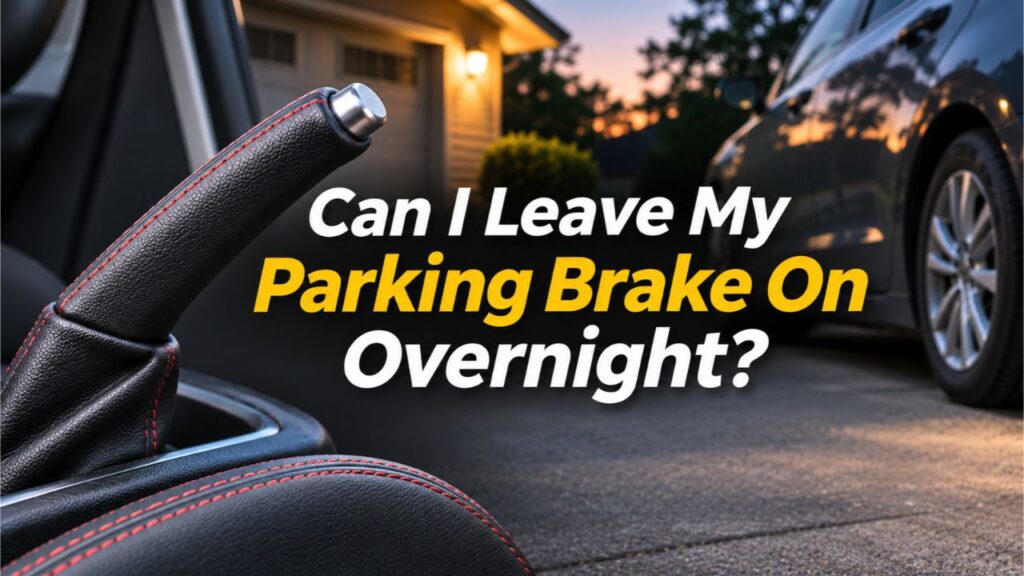
Yes. In dry, moderate weather, leaving a healthy parking brake engaged from evening until morning is standard parking practice. The parking brake is built to hold a stopped car, not merely to stay applied for a few minutes. There is no routine need to release it halfway through the night or leave it off to protect the mechanism.
The important distinction is between holding and dragging. When the wheel is stationary, the applied brake surfaces are not continuously sliding against each other. Wear accelerates when the car moves with the brake partly engaged, not because the brake remains set while the car sits.
Use the parking brake as one part of a complete parking setup. In an automatic, the transmission’s Park position secures its parking mechanism while the parking brake holds the wheels. In a manual, selecting the manufacturer’s recommended gear adds backup protection. Do not leave a vehicle in Neutral and expect the parking brake alone to make every overnight parking location safe.
What Happens to a Parking Brake While It Stays Applied Overnight?
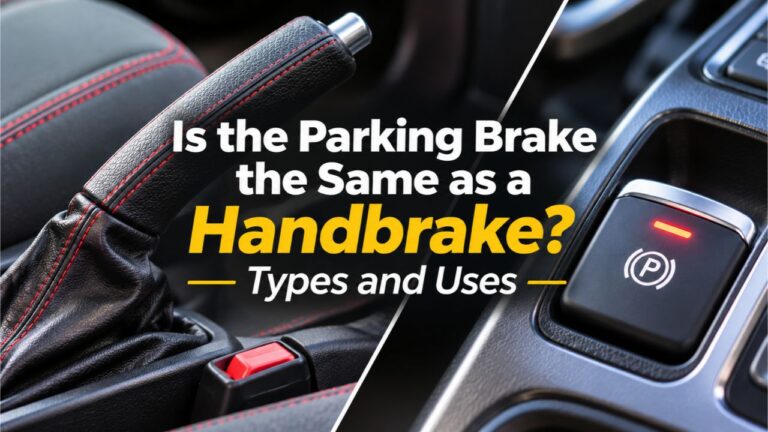
On a cable-operated system, pulling the lever or pressing the parking-brake pedal moves a cable and applies the rear brake mechanism. It stays under mechanical tension until released. On some vehicles, the parking brake uses small shoes inside the rear rotor; others use the rear caliper pads or main drum-brake shoes.
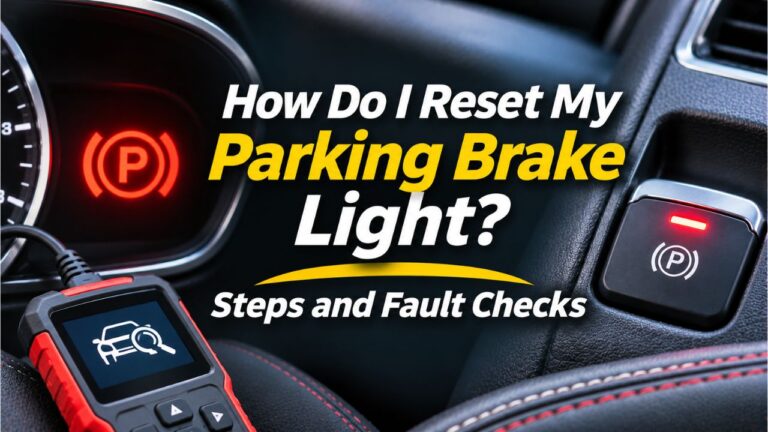
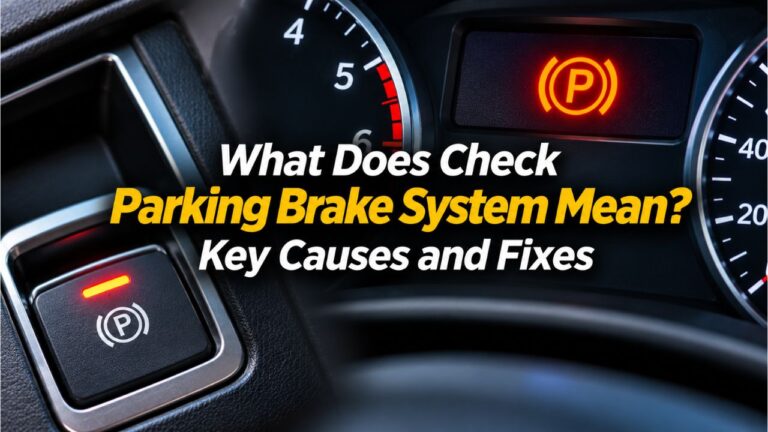
An electronic parking brake, often called an EPB, uses an electric actuator to apply the mechanism. Most systems hold mechanically after engagement rather than running a motor continuously all night. The dashboard indicator may go dark when the car powers down even though the parking brake remains engaged. Check the indicator while the vehicle is in its active state, using the owner’s manual as the guide.
A normal overnight application does not consume brake fluid, heat the brakes by itself, or require the engine to remain running. The brake may make a short clicking or whirring sound when applied or released, particularly with an EPB. Continuous grinding, repeated cycling, or warning messages are not normal signs of a healthy parked brake.
How to Leave Your Parking Brake On Overnight Safely
The precise sequence can differ with an electronic shifter or automatic EPB feature. Follow the vehicle’s own instructions, especially when parking on a slope. These steps describe a conventional parking setup.
Step 01: Stop Completely and Hold the Service Brake
Choose a legal, stable parking place and stop the car with the regular foot brake. Keep your foot on it while securing the vehicle. Make sure the wheels are no longer turning before you select Park or apply the parking brake. Avoid parking where loose ground, mud, or a steep grade makes it difficult to secure the vehicle.
Step 02: Engage the Parking Brake Fully
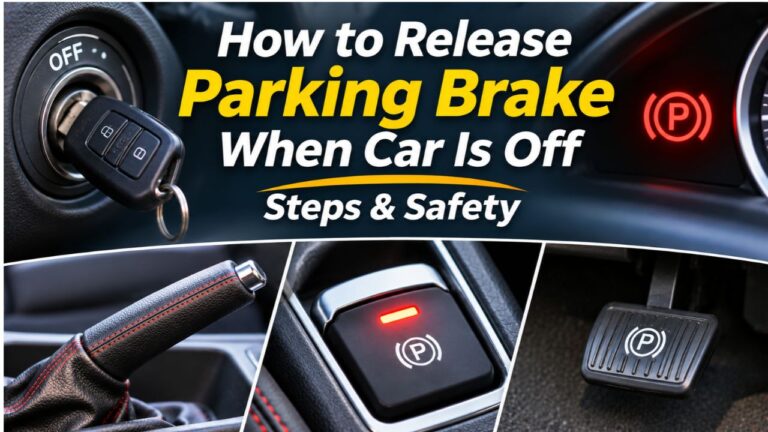
Pull the handbrake lever, press the parking-brake pedal, or operate the EPB switch in the direction specified by the manufacturer. Do not force the control beyond its intended travel. On an EPB-equipped vehicle, wait for the correct applied-brake indication rather than relying only on the actuator sound.
Ford’s 2026 Ranger parking-brake instructions direct drivers of that model to hold the foot brake, fully apply the parking brake, and select Park. Other models may automatically apply the brake when Park is selected, so confirm the actual status.
Step 03: Secure the Transmission
For an automatic, select P (Park) and confirm that the gear indicator shows P. For a manual transmission, leave the vehicle in the gear specified by its owner manual, commonly first or reverse. Keep the foot brake applied until the transmission and parking brake are both secured.
A parking brake should not be used as a substitute for the transmission’s parking position, and the transmission should not be the sole restraint when a functioning parking brake is available. This combination is particularly helpful on a driveway that looks flat but has a small slope.
Step 04: Confirm the Vehicle Will Stay Put
Ease off the foot brake only after the other restraints are engaged. Check for unexpected movement while you remain seated and ready to reapply the service brake. Do not test the brake by allowing the vehicle to roll downhill or by pressing the accelerator against it.
Switch off the vehicle, take the key or electronic key, and check that the doors are secure. If a parking-brake warning flashes or the vehicle shifts unexpectedly, do not leave it unattended until you have secured it another safe way.
When Leaving the Parking Brake On Overnight Can Cause Problems
Freezing Temperatures After Snow, Rain, or Washing
An applied parking brake can freeze when moisture remains around the rear brakes and the temperature drops far enough. The risk rises after driving through slush, washing the car, or parking with wet brakes during a hard freeze. The cable, shoe, pad, or actuator mechanism can be affected depending on the design.
Hyundai’s 2026 Tucson winter precautions specifically describe an alternative for freezing conditions: secure the vehicle in Park, block the rear wheels, and release the parking brake when there is a risk it will freeze. That procedure applies to the vehicle and conditions described; always use your own manufacturer’s winter guidance and never leave a car unsecured on a hill.
A forecast barely below freezing does not guarantee that a brake will stick. Moisture, accumulated snow, and the brake’s condition matter. Conversely, mild weather is not a reason to avoid a properly working parking brake.
A Brake That Was Recently Overheated or Is Dragging
If you drove with the parking brake partly engaged, noticed a strong burning odor, or felt unusual resistance while moving, do not treat overnight parking as a cure. Overheated brakes can have damaged friction material or sticking mechanisms that need inspection. Keep the vehicle safely stationary and arrange repair before further driving.
A parking brake that will not fully release should also not be repeatedly applied and released in an attempt to free it. Excessive force can damage cables and electronic mechanisms. The underlying problem needs to be identified.
Corrosion, Damaged Cables, or Long Periods Without Use
Rust and dirt can make older parking-brake parts stick, especially where road salt or wet conditions are common. A cable with a torn outer sleeve may bind inside its casing, and a caliper lever may fail to return properly. That fault might become obvious after an overnight application, but the time spent parked is not necessarily the original cause.
Unusual lever resistance, a pedal that stays down, scraping during release, or a rear wheel that drags are reasons to have the system inspected. Do not stop using the parking brake indefinitely as a substitute for repairing it.
Is It Safe to Leave the Parking Brake On Overnight on a Hill?
Yes, a properly functioning parking brake is particularly important on an incline. Still, it should not be the only safeguard. Secure the transmission, confirm the brake is engaged, and use appropriate wheel orientation or chocks based on the grade and local conditions.
The California DMV’s hill-parking guidance advises setting the parking brake and leaving the vehicle in Park or the proper manual-transmission gear. It also explains wheel direction: toward the curb when facing downhill, away from the curb when facing uphill with a curb, and toward the road edge where there is no curb.
Avoid assuming a slight slope is harmless because the vehicle did not move immediately. If the brake is weak or the surface is icy, another parking location may be safer. Follow manufacturer instructions for loaded vehicles and trailers, since their parking procedures can require additional chocking and restraints.
Does Leaving the Parking Brake On Overnight Wear It Out?
One normal overnight application should not noticeably wear the brake’s friction material. It is the movement of pads or shoes against a rotating surface that creates substantial friction wear. Setting the brake every evening is usually better than relying entirely on the transmission because you are using the system for its intended purpose.
This does not mean parking brakes last forever. Mechanical cables can corrode, friction material can deteriorate, adjustment mechanisms can stick, and electric actuators can fail. Some vehicles also use rear pads for both regular braking and parking, so those pads wear during driving regardless of overnight parking habits.
There is no universal number of safe overnight applications. Have the parking brake inspected during normal brake service and when its feel changes. A long lever travel, a warning light, or a brake that does not hold are maintenance concerns, not signs that overnight use is inherently harmful.
What About Electronic Parking Brakes and Auto Hold Overnight?
An electronic parking brake is also designed to remain applied while the vehicle is parked. It may apply automatically when you shift into Park or turn the vehicle off, or it may require the driver to operate a switch. Do not assume automatic engagement without confirming your model’s setting and applied-brake indicator.
Auto Hold is different. It keeps a stopped vehicle from creeping during temporary stops, such as traffic lights. Some cars transfer from Auto Hold to the electronic parking brake after a specified condition, but that behavior varies. Before leaving the vehicle overnight, verify the actual parking brake is engaged rather than relying on Auto Hold alone.
A healthy battery is important for later EPB operation. If the 12-volt battery becomes discharged overnight, the parking brake may remain mechanically applied but need power to release. Follow the manufacturer’s recovery procedure; never force an electronic caliper or tow a vehicle with locked wheels.
What if the Parking Brake Is Stuck the Next Morning?
Keep your foot on the regular brake, confirm the correct release method, and check for dashboard warnings. A manual lever must return fully, and an EPB may require the brake pedal, seat belt, or other operating conditions before release. Avoid pressing the accelerator harder to overcome resistance.
If the brakes may be frozen, do not yank the lever, repeatedly cycle the EPB switch, or pour boiling water on brake components. Heat shock, additional moisture, or forced wheel movement can make the situation worse. Use the vehicle’s approved cold-weather procedure or arrange professional help.
A wheel that remains locked, grinding noises, a strong burning smell, or unusual brake pedal behavior requires inspection before driving. If the car cannot be moved without dragging a wheel, ask about suitable flatbed transport rather than attempting to free the brake on the road.
Can You Leave the Parking Brake Applied for Days or Weeks?
Parking overnight is routine. Leaving a vehicle parked for weeks brings different concerns: moisture, corrosion, tire loading, battery condition, and the possibility of brake components sticking after prolonged contact. The risks depend on climate, vehicle condition, and the manufacturer’s storage recommendations.
For long-term storage, follow the specific manual rather than automatically keeping the brake applied for an extended period. A secure, level location and suitable wheel chocks may be recommended where the parking brake must be released. Do not substitute a generic storage tip for the normal overnight parking routine.
FAQs About Can I Leave My Parking Brake On Overnight
Can I Leave My Handbrake Up All Night?
Yes. A properly adjusted handbrake can stay applied overnight while the car is parked. Secure the transmission as well and release the handbrake fully before driving.
Will an Overnight Parking Brake Application Damage Rear Brake Pads?
Not under normal conditions. Holding stationary wheels produces little friction wear. Driving with the brake partly engaged or leaving a faulty brake dragging can damage pads, shoes, and rotors.
Should I Use the Parking Brake Overnight in Winter?
Usually, unless your vehicle’s instructions advise against it in severe freezing conditions. Wet brakes, packed snow, and ice can cause sticking; use the specified alternative parking method and chocks when required.
Is Park Enough Without the Parking Brake Overnight?
Park helps secure an automatic transmission, but applying a working parking brake provides a separate restraint. Use both under normal conditions, especially on an incline.
Can an Electronic Parking Brake Stay On All Night Without Draining the Battery?
Normally, yes. Most EPB systems hold mechanically after engagement rather than powering the actuator continuously. A weak battery can still cause release problems the next morning.
Make Overnight Parking Secure Without Damaging the Brakes
The answer to can I leave my parking brake on overnight is yes for a properly working system in ordinary conditions. Apply it after stopping, secure the transmission, and confirm the vehicle stays stationary. Leaving it engaged while the wheels are still does not create the wear associated with driving against an applied brake.
The main exception is a serious risk of freezing, particularly after wet winter driving, when your owner’s manual may specify chocks and a released parking brake. Treat sticking, dragging, or a failed release as repair issues rather than reasons to drive against the brake. A consistent parking routine and a properly maintained system provide the safest overnight result.