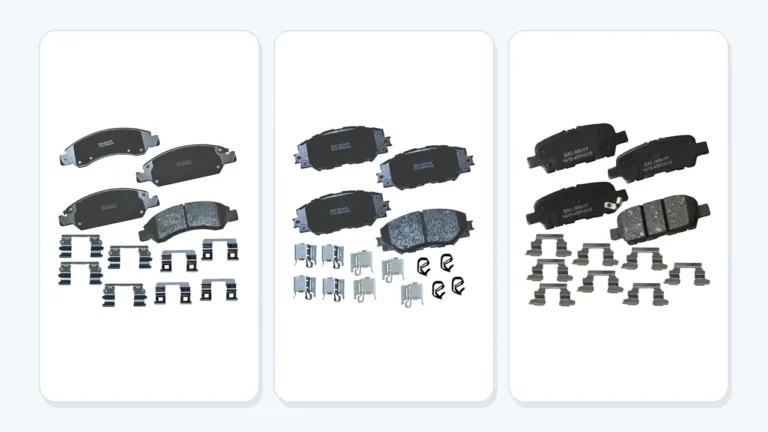
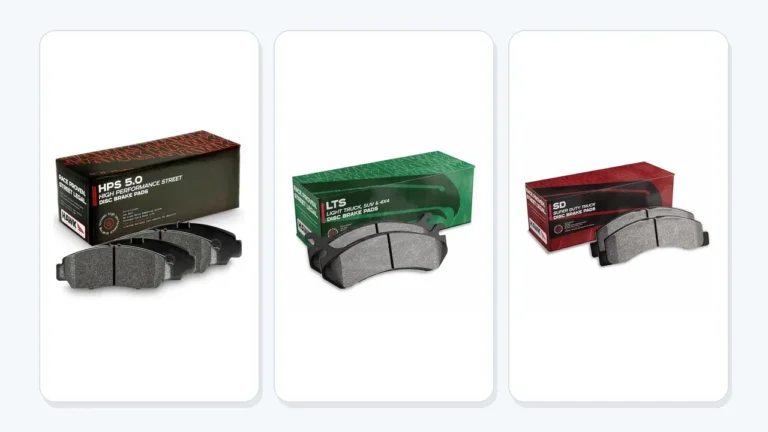
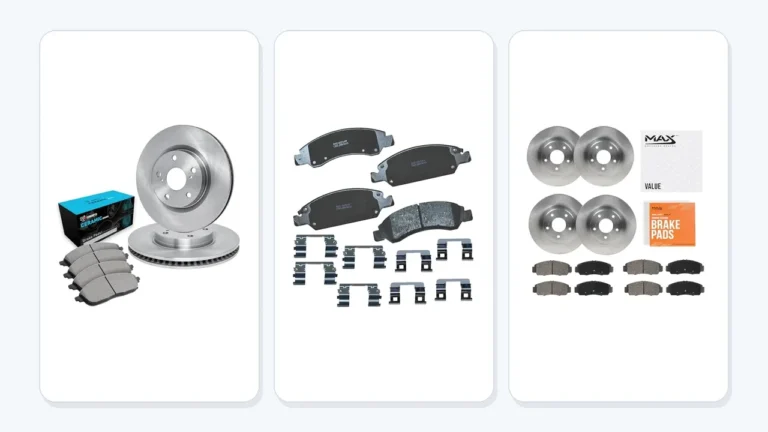
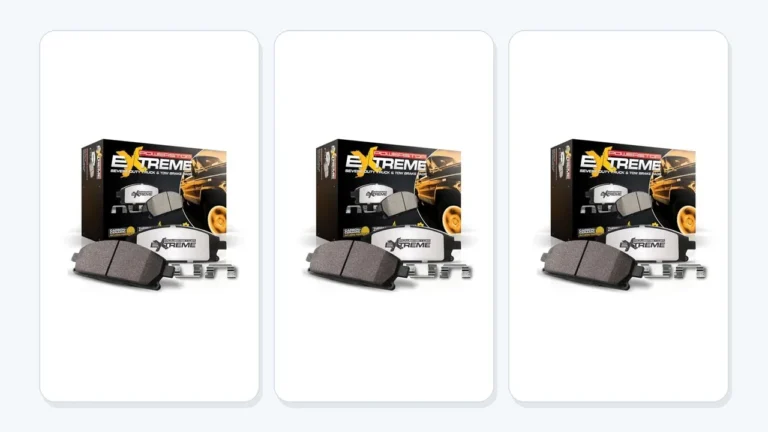
7 Best Performance Brake Pads That Bite Harder and Resist Fade
As an Amazon Associate, we earn from qualifying purchases made through links in this post, at no extra cost to you.
Buying the wrong brake pad can leave your car feeling weak at the pedal, noisy during ordinary stops, or covered in dust after a short drive. A pad that does not fit your exact caliper can waste a weekend, create a dangerous installation problem, and send you back to the parts counter.
The biggest buying issue is fitment, not a flashy label. Friction material, front or rear position, driving load, noise control, included hardware, and a clear break-in plan all affect whether a pad feels right after installation.
Here is what the guide covers:
- Which pad types suit towing, commuting, SUVs, and ordinary daily driving.
- How to confirm vehicle, axle, trim, and brake-system fitment before ordering.
- What ceramic, carbon-fiber ceramic, shims, slots, chamfers, and fade resistance mean.
- How to bed new pads, watch for warning signs, and protect the brake system.
Quick Picks
-
Best For Trucks And Towing

PowerStop Z36 Truck & Tow Brake Pads
Carbon-fiber ceramic construction and included hardware support stronger, fade-resistant braking for trucks, SUVs, and towing.
-
Best For Quiet Low-Dust Stops

Brembo P83098N Premium Ceramic Rear Disc Brake
Chamfers, slots, and ceramic friction material help reduce noise, vibration, and wheel dust for compatible rear brakes.
Top 7 Performance Brake Pads at a Glance
Truck and tow drivers should start with the PowerStop Z36 options, while ordinary commuters may prefer the quieter, lower-dust ceramic choices. The main differences are vehicle fitment, front or rear position, driving load, friction material, and the amount of installation hardware included.
| Product image | Product name | Check product |
|---|---|---|
| 1 |
PowerStop Z36 Truck & Tow Brake Pads | Check Price |
| 2 |
Brembo P83098N Premium Ceramic Rear Disc Brake | Check Price |
3 |
PowerStop Z23 Performance Brake Pads Rear for | Check Price |
4 |
PowerStop Z17 Replacement Brake Pads Rear for | Check Price |
| 5 |
PowerStop Z36 Truck & Tow Brake Pads JPMB | Check Price |
6 |
Bendix Premium SBC1184A Ceramic Front Brake Pads | Check Price |
| 7 |
PowerStop Z36 Truck & Tow Brake Pads 8JHM | Check Price |
7 Best Performance Brake Pads: Detailed Reviews
When I chose the best performance brake pads, I paid closest attention to exact fitment, friction material, fade resistance, noise control, dust, and the hardware needed for installation. Those details matter because stronger stopping is not useful if the pad fits the wrong axle or makes every stop unpleasant.
The group covers heavy-duty truck braking, rear pads for family vehicles, and direct OE-style replacements for daily commuting. Reading the choices side by side helps you separate a towing-oriented pad from a quiet street pad before you spend money on the wrong type.
1. PowerStop Z36 Truck & Tow Brake Pads
Carbon-fiber ceramic construction and included hardware support stronger, fade-resistant braking for trucks, SUVs, and towing.
- ColorStainless-Steel
- SizeNormal
- Release Date2013-12-24T00:00:01Z
- Number Of Items1
PowerStop Z36 Truck Pads are front brake pads for compatible trucks, SUVs, and 4×4 vehicles that tow, haul, drive in mountains, or carry extra weight.
The key material is carbon-fiber ceramic, a friction compound designed to handle the heat and load created by hard braking. For a truck driver, that means the pad is aimed at dependable stopping when a trailer or heavy cargo adds work to the brake system.
PowerStop also describes the Z36 as fade resistant. Brake fade is the loss of braking force after repeated heat buildup, so resistance to fade matters on long grades, repeated stops, or loaded driving where ordinary pads can feel less reassuring.
The front set includes two pads and installation hardware, which can reduce the need to source small replacement clips separately. The listing also describes the set as a direct-fit upgrade, but exact vehicle fitment still needs checking before purchase.
A fair caution is that this is a front set, not a complete vehicle brake job. The 12-month or 12,000-mile limited warranty is useful to note, though warranty terms and fitment should be confirmed on the purchase page.
Pros:
- Carbon-fiber ceramic material, built for heavier braking loads.
- Truck and tow design, suited to loaded driving.
- Fade-resistant focus, useful on hills and repeated stops.
- Installation hardware included, simplifying a pad replacement.
- Front set, designed for compatible front brake applications.
Cons:
- Front pads do not replace rear pads.
- Fitment depends on exact vehicle and brake configuration.
- Heavy-duty design may be more than a light commuter needs.
Buy it if: you tow, haul, or drive a compatible truck in steep terrain, because the carbon-fiber ceramic compound is aimed at heavy braking and fade resistance.
Skip it if: you need rear pads or drive a small commuter, because a heavy-duty front pad may not match your axle or daily use. For another fit, consider Brembo or Powerstop.
What I like here is the clear purpose. PowerStop Z36 Truck Pads earn the top spot because the feature set addresses the conditions that make ordinary braking feel strained, especially towing and repeated downhill stops. The important check is the exact front-axle fitment, since a strong pad that does not match the caliper is useless.
Pick this set when the truck, SUV, and workload line up with the design.
2. Brembo P83098N Premium Ceramic Rear Disc Brake
Chamfers, slots, and ceramic friction material help reduce noise, vibration, and wheel dust for compatible rear brakes.
- ColorBlack
- Number Of Items1
- WeightNot listed; check details
- DimensionsNot listed; check details
Brembo P83098N Rear Pads suit compatible Lexus and Toyota rear brake applications when quiet operation, lower dust, and a comfortable pedal feel matter more than a truck-focused upgrade.
The pads use chamfers and slots. A chamfer is a small angled edge, while a slot is a groove across the friction surface; together, these features help manage vibration and noise during braking.
Brembo also describes reduced friction wear and dust emission. Less dust can mean cleaner wheels between washes, while reduced wear may help the pads remain practical for normal street driving.
The set includes required installation hardware, which is helpful when the old clips are rusty, bent, or simply not worth reusing. The listing says the friction materials are matched to different vehicle applications, but the exact Lexus or Toyota fit must still be checked.
The main limitation is position and application. These are rear pads, and a quiet ceramic-oriented rear set will not solve worn front pads, damaged rotors, or a seized caliper.
Pros:
- Chamfers and slots, helping reduce noise and vibration.
- Lower dust design, helping wheels stay cleaner.
- Rear application, suited to listed Lexus and Toyota vehicles.
- Installation hardware included, reducing extra parts shopping.
- Ceramic friction material, aimed at comfortable street braking.
Cons:
- Rear pads do not service the front axle.
- Vehicle fitment must match the exact application.
- Not aimed specifically at towing or track heat.
Buy it if: you have a compatible Lexus or Toyota rear brake application, because the chamfers, slots, and lower-dust material favor quiet everyday driving.
Skip it if: your vehicle needs front pads or severe-duty towing support, because this rear street-oriented set addresses a different job. PowerStop Z36 Truck & Tow Brake and PowerStop Z23 Performance Brake Pads Rear are worth a closer look instead.
Brembo P83098N Rear Pads make sense for the driver who hates squeaks and wheel dust more than the driver chasing a heavy-duty setup. The included hardware and comfort-focused features make the replacement process more straightforward. Double-check the exact OE number and rear-axle application before buying.
Choose this set for a compatible Lexus or Toyota used mostly on the road.
3. PowerStop Z23 Performance Brake Pads Rear for
The catalog lists PLEASE CONFIRM YOUR FITMENT: Using the Amazon Confirmed Fit bar at the top of the page or check the Product De. Compare fit and care needs before choosing.
- ColorMetallic
- Number Of Items1
- ENHANCED STOPPING POWERUpgraded carbon-fiber ceramic Z23 pads boost stopping power vs OE replacements, rubberized shims and chamferred + s
- WeightNot listed; check details
PowerStop Z23 RAV4 Pads are rear carbon-fiber ceramic pads for compatible Toyota RAV4, Camry, and Avalon applications used in daily driving.
The carbon-fiber ceramic compound is intended to increase stopping power compared with an OE replacement pad. OE means original equipment, the parts specification associated with the vehicle maker, so the comparison gives you a simple reference point for the intended upgrade.
These pads use rubberized shims, chamfers, and slots. A shim sits behind the pad and helps damp vibration, while chamfered and slotted edges can support quieter, smoother contact during braking.
PowerStop also describes a low-dust formula and fade resistance. Cleaner wheels are the everyday benefit, while fade resistance matters when traffic creates repeated stops or a long downhill route raises brake temperature.
The set includes two rear pads and installation hardware. The practical limit is that this is still a rear application, and the product page calls for careful fitment confirmation for the specific RAV4, Camry, or Avalon configuration.
Pros:
- Carbon-fiber ceramic compound, supporting stronger daily braking.
- Rubberized shims, helping reduce brake noise.
- Chamfered and slotted design, supporting smooth contact.
- Low-dust formula, reducing wheel-cleaning work.
- Installation hardware included, helping with replacement setup.
Cons:
- Rear set only, not a complete axle package.
- Exact Toyota fitment can vary by year and configuration.
- Daily-driving focus may not suit track use.
Buy it if: you drive a compatible Toyota daily, because low dust, fade resistance, and noise-control features support clean, calm street braking.
Skip it if: you need front pads or a dedicated racing setup, because this rear set is designed around ordinary road use. If those trade-offs rule it out, Powerstop or Brembo may suit you better.
PowerStop Z23 RAV4 Pads earn their place by balancing stronger stopping language with features that matter after the installation, such as low dust and noise control. The included hardware is a useful touch for a home mechanic who wants fewer small parts to chase. Confirm the rear axle and vehicle year before ordering.
This is a sensible choice for a compatible Toyota used for commuting, errands, and family trips.
4. PowerStop Z17 Replacement Brake Pads Rear for
The catalog lists PLEASE CONFIRM YOUR FITMENT: Using the Amazon Confirmed Fit bar at the top of the page or check the Product De. Compare fit and care needs before choosing.
- ColorMetallic
- Release Date2014-04-01T00:00:01Z
- Number Of Items1
- FAST, QUIET STOPPING POWERZ17 Brake Pads are designed for smooth, noise-free braking, these ceramic brake pads are thermal scorched, chamfere
PowerStop Z17 BMW Pads are rear ceramic pads for compatible BMW 330i, 335i xDrive, and X1 applications where smooth, quiet street braking is the priority.
The ceramic friction material is designed for low-dust braking. Ceramic compounds are often chosen by street drivers who want less visible residue on the wheels, though the exact result depends on the rest of the brake system and driving conditions.
PowerStop describes the pads as thermal scorched, chamfered, and slotted. Thermal scorching is a preparation step intended to help the pad settle into braking duty more quickly, while chamfers and slots help manage contact noise and vibration.
Multi-layer rubberized shims provide another layer of noise control. That matters in a BMW used around town, where a squeal during a gentle stop can be more annoying than helpful.
The set includes two rear pads and installation hardware. The caution is fitment: BMW brake systems can vary by engine, year, drive system, and trim, so the confirmed-fit result should match before purchase.
Pros:
- Ceramic friction material, helping reduce visible brake dust.
- Thermal-scorched design, supporting a quicker break-in.
- Chamfers and slots, helping manage noise and vibration.
- Multi-layer rubberized shims, supporting quiet stops.
- Hardware included, helping complete the rear replacement.
Cons:
- Rear application only, not front axle service.
- BMW fitment can vary by trim and drivetrain.
- Ceramic street design is not a track-specific compound.
Buy it if: you drive a compatible BMW on public roads, because the low-dust ceramic material and rubberized shims favor quiet daily stops.
Skip it if: you need front pads or track-focused heat control, because this rear street set has a narrower job.
To me, the smartest feature in PowerStop Z17 BMW Pads is the attention to noise control. A thermal-scorched, chamfered, slotted pad with rubberized shims speaks to the small annoyances that make a brake job feel disappointing. Verify the exact BMW application and rear position before purchase.
Pick this set when clean wheels and quiet commuting matter more than competition use.
5. PowerStop Z36 Truck & Tow Brake Pads JPMB
The catalog lists PLEASE CONFIRM YOUR FITMENT: Using the Amazon Confirmed Fit bar at the top of the page or check the Product De. Compare fit and care needs before choosing.
- ColorStainless-Steel
- SizeStock
- Number Of Items1
- UPGRADED STOPPING POWERCarbon-fiber ceramic Truck & Tow Z36 brake pads deliver increased stopping power compared to OE replacement brake p
PowerStop Z36 Armada Pads are front carbon-fiber ceramic pads for compatible Nissan Armada, Nissan Titan, and Infiniti QX56 trucks and SUVs.
The carbon-fiber ceramic compound is built around increased stopping power and long-lasting performance. That combination suits a large SUV or pickup because extra vehicle weight and cargo can demand more from the front brakes.
The Z36 design is also aimed at towing, hauling, mountainous driving, and lifted trucks. Brake fade means braking force drops after heat builds up, so a fade-resistant focus can be useful when a loaded vehicle descends a long grade or makes repeated stops.
The set includes two front pads and installation hardware. That makes the package easier to plan, but the vehicle still needs compatible calipers and the correct pad shape.
The listed warranty is 30 days, 12 months, or 12,000 miles as described in the product information. Check the current terms, and remember that front pads alone cannot correct worn rear brakes, damaged rotors, or hydraulic problems.
Pros:
- Carbon-fiber ceramic construction, aimed at heavy braking.
- Truck and tow design, suited to large SUVs.
- Fade-resistant focus, useful on steep roads.
- Installation hardware included, helping with replacement work.
- Front set, matched to listed Nissan and Infiniti applications.
Cons:
- Front pads only, not a full brake-system replacement.
- Exact fitment must match the vehicle configuration.
- More heavy-duty than needed for gentle city driving.
Buy it if: you own a compatible Armada, Titan, or QX56 that tows or carries heavy loads, because the Z36 compound targets heat and weight.
Skip it if: your vehicle needs rear pads or sees only light commuting, because the truck-and-tow design may not match your actual brake demands.
PowerStop Z36 Armada Pads are a focused choice rather than a universal street upgrade. The heavy-duty purpose, carbon-fiber ceramic material, and included hardware explain the ranking. Check the exact vehicle, axle, and brake configuration before spending money.
This set belongs on a compatible large SUV or truck that regularly works harder than a small car.
6. Bendix Premium SBC1184A Ceramic Front Brake Pads
The catalog lists DIRECT OE REPLACEMENT – Bendix Premium Ceramic Brake Pads are engineered to OE specifications for precise fit. Compare fit and care needs before choosing.
- ColorMetallic
- Size4 Count (Pack of 1)
- Release Date2017-08-07T00:00:01Z
- Number Of Items1
Bendix Premium SBC1184A is a front ceramic brake pad set for selected Lexus and Toyota vehicles, including certain CT200h, Corolla, Prius, Prius C, Prius Prime, and related applications.
Bendix describes the pads as a direct OE replacement engineered to OE specifications. That means the design aims to match the vehicle’s original fit and everyday operating needs rather than turn a commuter into a race car.
The low-dust ceramic formula is intended to reduce dust and noise compared with conventional pad material. Cleaner wheels and smoother stops are useful benefits for a daily driver who spends more time in traffic than on a mountain road.
Bendix also describes consistent stopping performance and reduced fade for everyday conditions. Fade is a drop in braking response after heat builds, so this feature speaks to repeated normal stops rather than extreme racing use.
The package is listed as four count, pack of one, and includes one listed item. The important caution is the wide vehicle range: fitment must be confirmed by exact year, trim, axle, and brake setup.
Pros:
- Ceramic formula, helping reduce dust and noise.
- OE-specification design, supporting a direct replacement fit.
- Front application, suited to listed Lexus and Toyota vehicles.
- Everyday fade focus, supporting steady commuter braking.
- Four-count package specification, useful for planning replacement.
Cons:
- Fits only selected Lexus and Toyota applications.
- Front pads do not replace rear pads.
- Daily-driving design is not aimed at racing heat.
Buy it if: you commute in a compatible Lexus or Toyota, because the OE-style ceramic design favors quiet, low-dust daily braking.
Skip it if: you tow, race, or need a rear set, because the everyday front-pad design does not match those jobs.
Bendix Premium SBC1184A is the calm choice in this group. The OE-specification approach, ceramic material, and broad fitment list make the pad attractive for ordinary driving, provided the exact application matches. The wide vehicle coverage is also the reason to slow down and confirm the fit rather than assume a Prius or Corolla name is enough.
Choose this set for a compatible commuter that needs a straightforward replacement.
7. PowerStop Z36 Truck & Tow Brake Pads 8JHM
The catalog lists PLEASE CONFIRM YOUR FITMENT: Using the Amazon Confirmed Fit bar at the top of the page or check the Product De. Compare fit and care needs before choosing.
- ColorStainless-Steel
- Size1 Count (Pack of 1)
- Number Of Items1
- UPGRADED STOPPING POWERCarbon-fiber ceramic Truck & Tow Z36 brake pads deliver increased stopping power compared to OE replacement brake p
PowerStop Z36 Rear Pads are rear carbon-fiber ceramic pads for compatible Chevrolet Silverado 1500, Chevrolet Tahoe, and GMC Yukon applications.
The carbon-fiber ceramic compound is aimed at increased stopping power, durability, and resistance to fade. On a full-size truck or SUV, that matters because towing, cargo, and long descents can raise brake heat quickly.
PowerStop describes the pads as ultra-quiet despite the heavy-duty purpose. The practical benefit is less brake noise during ordinary driving, while the heavy-duty design remains available for harder work.
The set includes two rear pads and installation hardware. Hardware generally refers to supporting pieces such as clips or shims needed during installation, but inspect the package and compare it with the vehicle’s existing brake parts before starting.
This is a rear set, so it must be paired with the correct front brake service when the front pads are also worn. The listing gives a 30-day, 12-month, or 12,000-mile limited warranty description, which should be checked for current terms.
Pros:
- Carbon-fiber ceramic material, aimed at heavy-duty braking.
- Rear application, suited to listed full-size vehicles.
- Fade-resistant design, useful for towing and hills.
- Ultra-quiet focus, improving normal road comfort.
- Installation hardware included, helping complete the job.
Cons:
- Rear pads only, not a complete vehicle set.
- Exact Silverado, Tahoe, and Yukon fitment must be checked.
- May be more capability than a lightly used SUV needs.
Buy it if: you have a compatible Silverado, Tahoe, or Yukon that carries weight, because the rear Z36 design targets heat and heavy-duty use.
Skip it if: you need front pads or drive a small car, because this rear truck-and-SUV set is built for a different brake system.
PowerStop Z36 Rear Pads make the most sense as part of a matched service plan for a compatible truck or SUV. The heavy-duty material and rear-specific fit explain the position, while the quiet-braking claim keeps the set from feeling too specialized for road use. Check the exact axle and vehicle details before ordering.
Pick this set when rear braking must cope with towing, cargo, hills, or a large vehicle.
How to Choose the Best Performance Brake Pads
The best performance brake pads must match the vehicle, axle, driving load, and desired balance between stopping strength, noise, dust, and comfort. Start with fitment, then choose the friction material and design features that fit your actual roads rather than the most dramatic wording on the box.
Confirm the exact fitment
Fitment is the first filter because pads are shaped for a specific caliper and rotor arrangement. Match the year, make, model, engine, trim, drivetrain, front or rear axle, and any brake-package change.
Use the vehicle-fit tool and compare the original pad number when available. A model name alone is not enough because the same vehicle can use different brake parts in different years or trims.
Choose the right axle
Front and rear pads do different jobs and are not interchangeable. Front brakes often handle a larger share of the stopping load, while rear pads still affect stability, pedal feel, and total stopping performance.
Look for the words front or rear in the title and description. A complete brake job may require separate front and rear sets, plus an inspection of rotors, calipers, brake hoses, and fluid.
Match the friction material
Ceramic pads generally appeal to street drivers who want lower dust and noise. Carbon-fiber ceramic pads in this group are aimed at stronger braking and heavier loads, especially trucks and SUVs.
Choose a street ceramic pad for commuting, errands, and normal highway use. Choose a heavy-duty carbon-fiber ceramic design only when towing, hauling, steep roads, or vehicle weight create a real reason.
Think about heat and fade
Heat is the main enemy during repeated hard stops. Fade means the pedal or braking response feels weaker after heat builds, which can be unsettling on a mountain descent or while towing.
For daily driving, consistent street performance is usually more useful than a race-focused compound. For towing or heavy cargo, look for a design that specifically addresses fade and heavy-duty use.
Check noise and dust controls
Shims, chamfers, and slots are small design details that can help control vibration, squeal, and uneven contact. A shim sits behind the pad, a chamfer angles the pad edge, and a slot creates a groove through the friction surface.
These features do not replace correct installation. Clean contact points, working hardware, smooth caliper movement, and proper bedding still matter.
Count the included parts
Check whether the package contains two pads, four pads, clips, shims, or other installation hardware. The phrase installation hardware does not automatically mean every part needed for a full axle overhaul.
Before ordering, compare the package count with the number of pads on the axle. Also confirm whether the vehicle needs a separate wear sensor, rotor, or caliper service.
If you are comparing ordinary street options with heavier-use choices, brake pad buying advice can help put material, price, fitment, and driving style in the same frame. Drivers planning occasional circuit use should also separate street needs from track-day brake pads, since repeated high heat changes the buying decision.
Consider the driving job
A commuter needs predictable stops, low noise, and manageable dust. A tow vehicle needs heat control, correct load support, and pads that match the truck or SUV brake system.
Track or racing use is a separate category with different temperature demands and maintenance habits. A street pad should not be treated as a competition pad just because the title includes the word performance.
How to Use Performance Brake Pads for the Best Results
New brake pads need correct installation and a controlled bedding process before they deliver their intended feel. Drive gently at first, follow the pad maker’s instructions, and do not treat the first few stops as proof that the job is complete.
- Confirm the vehicle, axle, and pad shape before removing the old parts.
- Inspect the rotor for deep grooves, cracks, heavy rust, or a sharp outer lip.
- Check that the caliper slides and piston move as the service procedure requires.
- Clean the contact areas and install the supplied clips or shims correctly.
- Press the pedal slowly before moving the vehicle until the pedal feels firm.
- Test the brakes at low speed in a safe area before entering traffic.
- Follow the maker’s bedding instructions, using moderate stops and cooling time.
- Avoid holding the pedal hard at a stop immediately after repeated braking.
Bedding transfers a controlled layer of friction material to the rotor. The goal is even contact, not a dramatic smoke show, so stop the process if the vehicle pulls, shakes, smells unusually hot, or develops a soft pedal.
If the vehicle is used for competition rather than public-road commuting, racing brake pad guidance explains why extreme heat requires a different plan. Street drivers should keep the car within normal road use while the new pads settle.
How to Make Your Performance Brake Pads Last Longer
Brake pads last longer when the caliper moves freely, the rotor is healthy, and the driver avoids unnecessary heat. Regular inspection is more useful than waiting for a loud squeal or metal-on-metal grinding.
Check pad thickness during tire rotations or routine service. Have a technician inspect the brakes sooner if the vehicle pulls to one side, the steering wheel shakes during braking, the pedal feels soft, or one wheel becomes much hotter than the others.
Keep the caliper hardware clean and correctly seated during service. Rust, bent clips, seized slide pins, and uneven pad contact can waste a new set even when the friction material is suitable.
Use engine braking on long descents when safe, leave extra following distance, and avoid repeated hard stops caused by tailgating. A loaded truck or trailer needs more room, so plan the route and speed before the hill begins.
Wash wheel dust with a wheel-safe cleaner rather than grinding dry residue into the finish. Do not spray lubricant, grease, or dressing onto the friction surface, rotor face, or tire.
Drivers choosing a specific brand may also compare material and driving purpose in EBC brake pad guidance or Hawk brake pad guidance, but the same fitment and axle checks still apply.
Common Mistakes to Avoid When Buying and Using Performance Brake Pads
Most brake-pad problems begin with a mismatch, rushed installation, or unrealistic expectations about what a pad can fix. These mistakes are easy to avoid when you slow down before placing the order.
- Buying by vehicle name only: The same name can have several brake setups. Match year, trim, axle, and brake package.
- Confusing front and rear pads: The shapes and duties differ. Read the axle position in the title and package details.
- Choosing the most aggressive compound: More heat capacity is not always useful. Match the pad to towing, commuting, or other real driving.
- Ignoring the rotor: A new pad cannot correct a cracked, deeply grooved, or badly rusted rotor. Inspect the complete brake assembly.
- Reusing damaged hardware: Bent clips and seized slide pins can cause noise or uneven wear. Replace or service them as needed.
- Skipping bedding: Immediate hard stops can create uneven contact. Follow the maker’s break-in process with safe cooling time.
- Treating dust as a defect: Some dust is normal. Look for uneven dust, one-sided wear, heat, or pulling, which can signal a mechanical problem.
How to Set Up Performance Brake Pads
Brake work is safety-critical, so use the vehicle service procedure and the correct tools. If you cannot safely support the vehicle or confirm the caliper procedure, have a qualified brake technician handle the installation.
- Park on a level surface, engage the parking brake, and loosen the wheel fasteners slightly.
- Lift and support the vehicle with properly rated stands, never only the jack.
- Remove the wheel and identify the correct front or rear caliper.
- Remove the caliper as directed, keeping the brake hose free from strain.
- Compare the new pad shape, backing plate, wear features, and hardware with the old set.
- Clean the bracket contact points and install the supplied clips or shims.
- Reinstall the pads and caliper, then tighten fasteners to the vehicle’s specified setting.
- Pump the brake pedal until firm, reinstall the wheel, and perform a slow-speed check.
The common stumbling point is piston position. Some rear calipers require a special turning or winding procedure because of the parking-brake mechanism, so do not force the piston straight back unless the vehicle procedure allows it.
Common Questions About Performance Brake Pads
Are performance brake pads worth it for daily driving?
Performance brake pads can be worthwhile for daily driving when the material improves a real need such as dust, noise, towing load, or repeated downhill braking. A heavy-duty pad may offer little benefit on a light commuter if the original brake system already suits the driving conditions.
Do ceramic brake pads stop better than standard pads?
Ceramic brake pads do not automatically stop better in every vehicle. Their common advantages are lower dust, quieter operation, and smooth street behavior, while stopping distance also depends on tires, rotors, calipers, vehicle weight, temperature, and fitment.
How long do performance brake pads last?
Brake-pad life varies with driving style, traffic, vehicle weight, towing, hills, rotor condition, and compound. Inspect the actual pad thickness during service instead of relying on a fixed mileage promise, and investigate uneven wear before replacing only the visibly thin pad.
Can I replace only the front or rear brake pads?
You can replace only the front or rear pads when that axle needs service and the remaining brake parts are in good condition. Replace pads on both sides of the same axle, and inspect the opposite axle, rotors, calipers, hardware, and fluid before deciding that only one axle needs attention.
Do new performance brake pads need bedding?
New pads usually need a controlled bedding process unless the instructions say otherwise. Bedding helps create even contact between pad and rotor, so follow the maker’s procedure, use a safe road, allow cooling periods, and stop if the pedal becomes soft or the vehicle pulls.
Can performance brake pads reduce brake dust and noise?
Some ceramic materials, shims, chamfers, and slots are designed to reduce dust, vibration, and squeal. Results still depend on the rotor, caliper hardware, installation quality, driving conditions, and the exact vehicle application, so those features cannot guarantee a silent or dust-free brake system.
Make the Next Brake-Pad Choice Carefully
Start with the vehicle-fit result, then confirm front or rear position and decide whether your real need is quiet commuting, cleaner wheels, towing support, or repeated heat control. Before ordering, compare the pad shape and package contents with the vehicle’s current brake setup, and arrange a professional inspection if the rotor, caliper, or pedal condition is uncertain.