How to Replace Rear Caliper With Parking Brake: Complete Step-by-Step Guide
Learning how to replace rear caliper with parking brake can save money and help you understand an important safety system. Rear calipers with parking brake functions are common on many vehicles sold in the United States.
A brake job is not only about changing parts. The parking brake system must also work correctly. I have found that many brake problems after repairs come from skipped adjustments or incorrect electronic parking brake procedures.
Understanding a Rear Caliper With Parking Brake Function
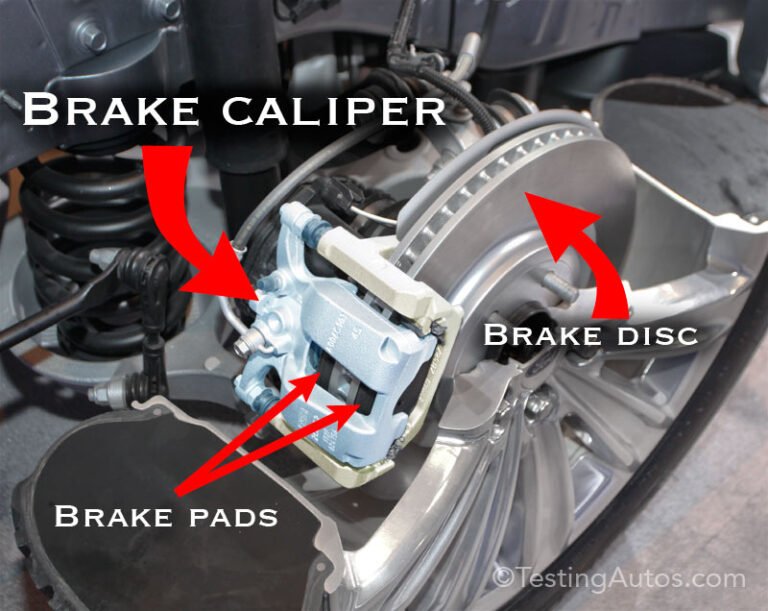
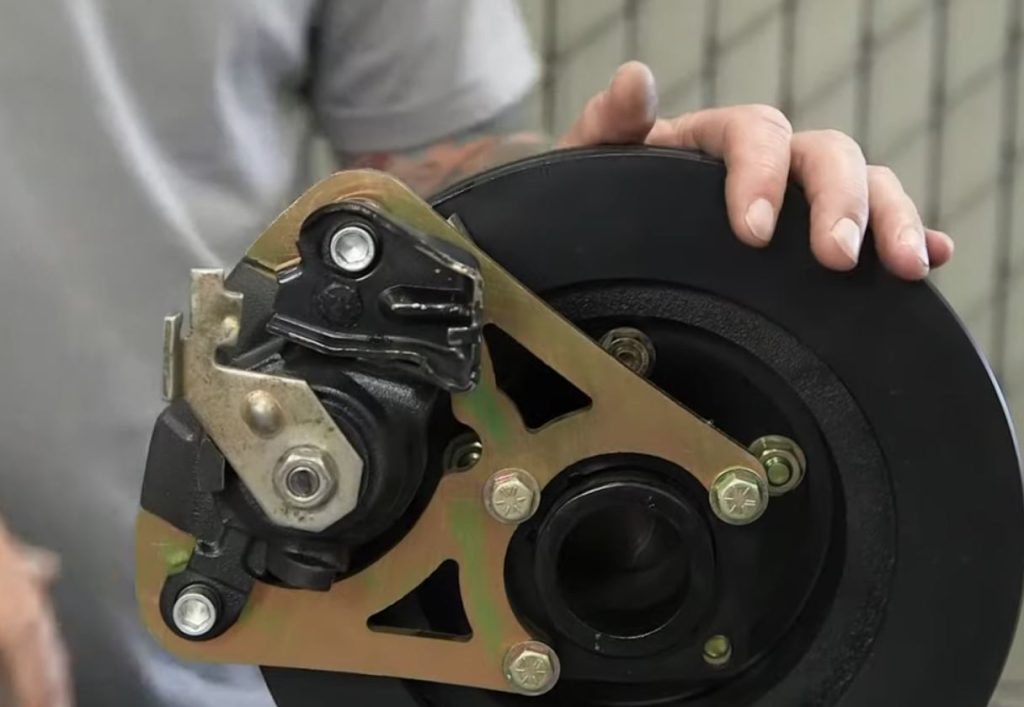
Before learning how to replace rear caliper with parking brake, it helps to know how the system works. The rear caliper does two jobs. It squeezes the brake pads during normal braking and helps hold the vehicle when the parking brake is applied.
Some vehicles use a mechanical lever and cable. Others use an electronic parking brake motor attached to the caliper. The replacement process changes depending on the design.
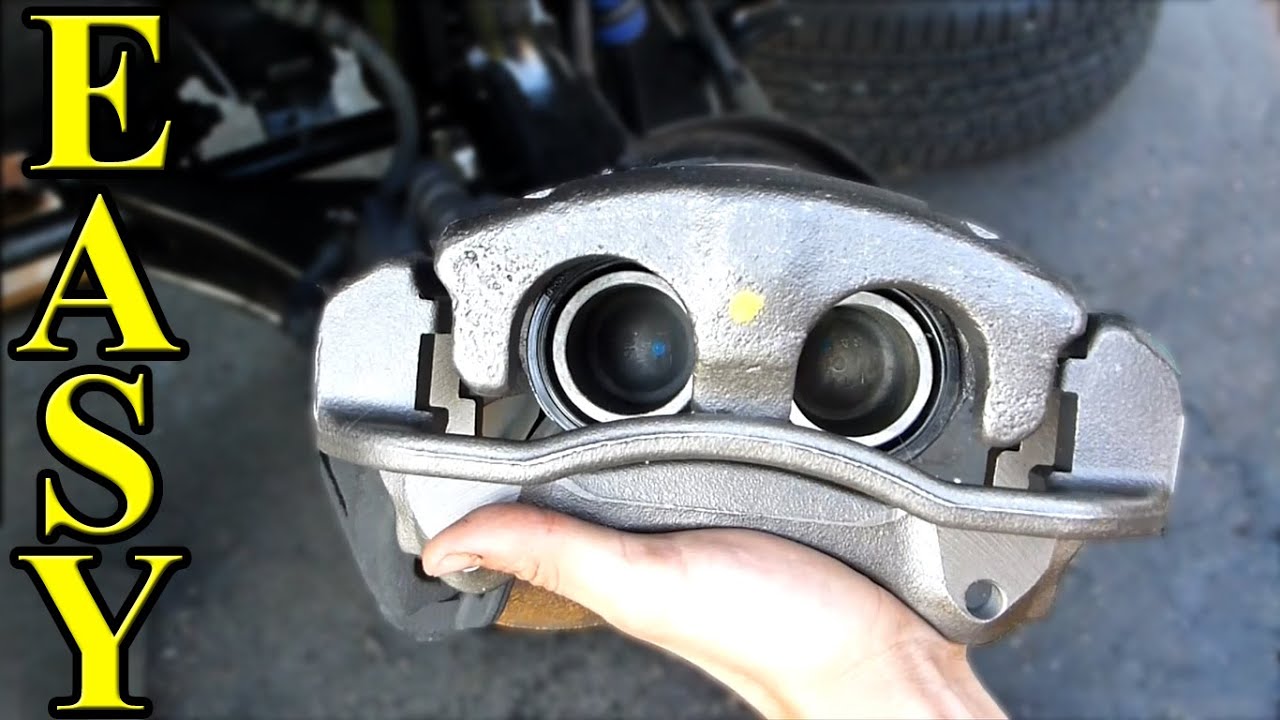
- ✦ Mechanical parking brake caliper
This type uses a cable, lever, and internal mechanism to apply the parking brake.
- ✦ Electronic parking brake caliper
This type uses an electric motor that needs proper service mode steps before removal.
Signs Your Rear Caliper Needs Replacement
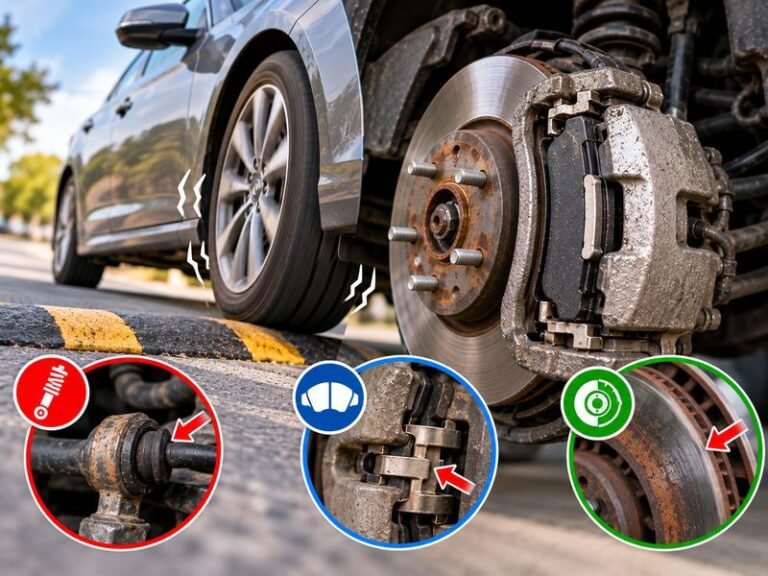
Common signs include uneven brake pad wear, sticking brakes, leaks, grinding sounds, and a parking brake that will not hold. A damaged caliper can also cause heat buildup near the wheel.
- ✦ Brake fluid leak
A leaking caliper can reduce braking performance and should be repaired quickly.
Tools and Parts Needed Before Starting the Job
Good preparation makes learning how to replace rear caliper with parking brake much easier. Gather all tools before lifting the vehicle. This reduces mistakes and keeps the repair safe.
Use quality replacement parts that match your vehicle. Rear calipers vary by model, trim level, and parking brake design.
- ✦ Basic tools
You may need a jack, jack stands, socket set, wrenches, brake cleaner, a torque wrench, and a brake bleeder kit.
- ✦ Replacement items
Prepare the new caliper, brake fluid, copper washers if needed, and replacement hardware.
Step-by-Step: How to Replace Rear Caliper With Parking Brake
The process for how to replace rear caliper with parking brake starts with safety. Park on a flat surface, block the wheels, and support the vehicle with approved jack stands.
Remove the wheel and inspect the brake area. Take photos before disconnecting parts so you can reinstall everything correctly.

- ✦ Remove the old caliper
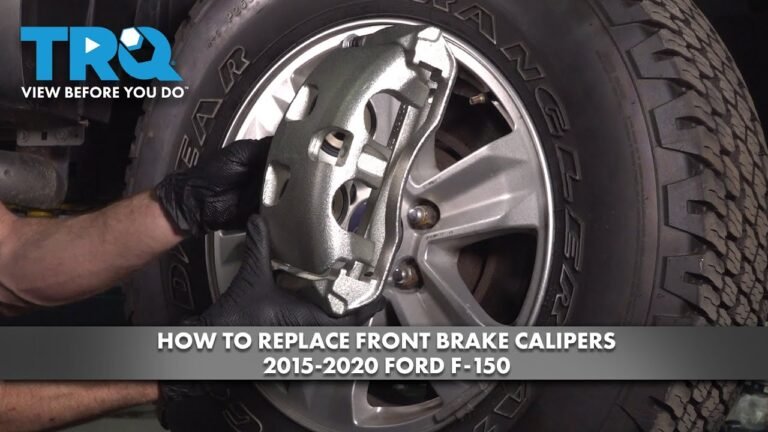
Disconnect the brake hose, remove mounting bolts, and carefully take off the old caliper.
- ✦ Install the new caliper
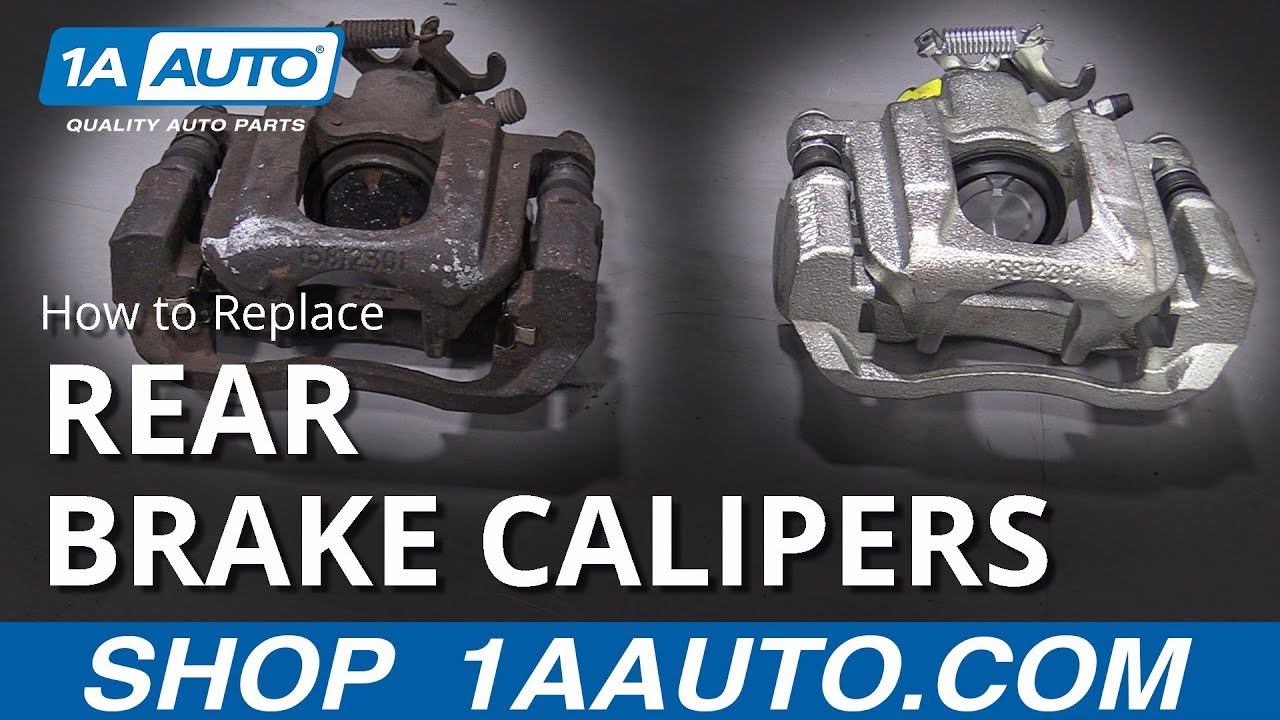
Mount the replacement caliper, connect the brake line, and tighten bolts to manufacturer specifications.
- ✦ Bleed the brake system
Remove trapped air from the brake lines to restore a firm brake pedal.
Handling Mechanical Parking Brake Cables
Mechanical systems often require cable removal and parking brake adjustment. Make sure the lever on the caliper moves freely after installation.
- ✦ Check cable movement
A seized cable can make a new caliper appear faulty.
Handling Electronic Parking Brake Motors
Electronic parking brakes need special care. Many vehicles require a service mode procedure before the motor can be removed safely.
Skipping this step can damage the actuator or create warning lights.
- ✦ Use the correct service procedure
Follow vehicle-specific instructions before disconnecting an electronic parking brake caliper.
Adjusting and Testing the Parking Brake After Installation
After learning how to replace rear caliper with parking brake, the final setup matters. A new caliper may need adjustment so the parking brake engages correctly.
Test the brake pedal first. Then test the parking brake on a safe surface before normal driving.

- ✦ Check brake pedal feel
The pedal should feel firm after proper bleeding.
- ✦ Check parking brake hold
The vehicle should stay secure when the parking brake is applied.
Common Mistakes When Replacing Rear Calipers
Many DIY repairs fail because small steps are ignored. When replacing a rear caliper with parking brake, attention to detail matters more than speed.
A careful inspection after installation can prevent brake noise, uneven wear, and unsafe operation.
- ✦ Forgetting to bleed brakes
Air in the brake lines can create a soft pedal and poor braking response.
- ✦ Ignoring torque settings
Loose or over-tightened bolts can damage components.
- ✦ Skipping final tests
Always verify braking and parking brake function before road use.