Is It Safe to Drive with Low Brake Fluid: Overview and Key Facts
You may notice the brake fluid reservoir is below the “MIN” line, or a brake warning light may appear just before an important trip. In many cases, low brake fluid signals worn brake pads or a leak, so driving should not be treated as routine until the cause is identified.
So, is it safe to drive with low brake fluid? It may be safe only for a very short trip in limited circumstances, such as when the level is slightly low, the brake pedal feels normal, and no warning signs suggest a leak. If the pedal is soft, the fluid level is rapidly dropping, or braking feels different, do not drive the vehicle.
Why low brake fluid matters
Brake fluid transfers pressure from the brake pedal to the vehicle’s brake components. When you press the pedal, the master cylinder pushes fluid through the brake lines to the calipers or wheel cylinders. Those components then press the brake pads or shoes against the rotors or drums.
The system is designed to remain full of fluid. If the level becomes too low, air can enter the hydraulic system. Air compresses more easily than brake fluid, which can cause a soft, spongy, or sinking pedal and reduce braking performance.
Low fluid can also indicate that the vehicle is losing fluid through a damaged hose, line, caliper, wheel cylinder, master cylinder, or another seal. A leak can worsen quickly. Even if the brakes seem to work at first, hydraulic pressure may become insufficient without much warning.
Low brake fluid does not always mean the brakes will fail immediately. However, it reduces the system’s safety margin and may point to a problem that requires prompt attention.
When low fluid may be less urgent
A brake fluid level that is only slightly below the recommended mark may result from normal brake pad wear. As pads become thinner, the caliper pistons extend farther, and more fluid remains in the calipers. That can make the reservoir level gradually drop.
This situation still deserves an inspection. Replacing fluid without checking the brake pads can hide the underlying reason for the low level. If the pads are worn, the vehicle may need brake service soon even though no leak is present.
Driving a short distance to a repair shop may be reasonable only when all of the following are true:
- The reservoir level is only slightly below the minimum mark.
- The brake pedal feels firm and returns normally.
- The vehicle stops straight and at a normal distance.
- There is no visible brake fluid leaking near the wheels or under the vehicle.
- The brake warning light is not indicating a serious or unexplained problem.
- No grinding, severe squealing, vibration, or sudden change in braking has occurred.
Even in that limited situation, I would avoid unnecessary driving, high speeds, heavy traffic, steep roads, and carrying extra passengers or cargo. The safest option is to have the vehicle inspected before regular use.
When you should not drive
Do not drive the vehicle if the brake fluid is very low or the reservoir is empty. The same applies if the brake pedal feels soft, spongy, unusually low, or sinks toward the floor while you hold pressure on it.
Stop driving and arrange a tow when any of these warning signs appear:
- A red brake warning light stays on after the parking brake is released.
- The brake pedal suddenly feels different or requires more travel.
- The vehicle takes longer than usual to stop.
- The vehicle pulls to one side during braking.
- You see wet fluid around a wheel, brake line, or beneath the vehicle.
- The fluid level drops again soon after being topped off.
- You hear grinding or experience severe vibration when braking.
- The brakes work intermittently or require repeated pedal pumping.
A low fluid warning combined with a soft pedal is especially serious. It may mean that fluid has leaked out and air has entered the lines. Pumping the pedal may temporarily improve its feel, but it does not repair the leak or make the vehicle safe for normal driving.
What to check safely
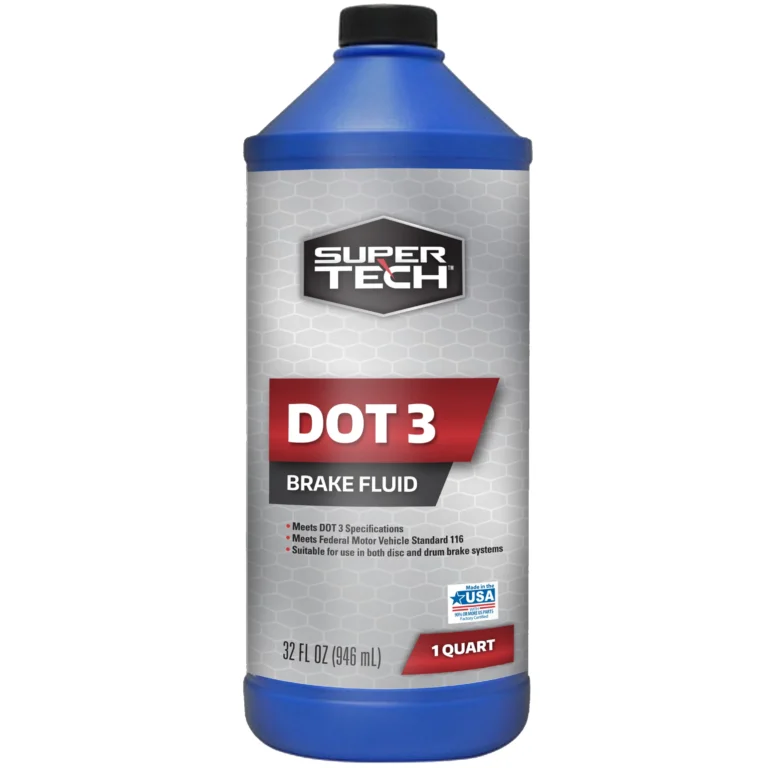
Park on a level surface, turn off the engine, and allow the vehicle to cool if needed. Locate the brake fluid reservoir under the hood. The cap or owner’s manual usually identifies the correct fluid specification, such as DOT 3, DOT 4, or another type specified by the vehicle manufacturer.
Check the level against the “MIN” and “MAX” marks. Do not rely only on the appearance of the fluid. A dark or contaminated fluid may indicate that service is needed, but the fluid level and the vehicle’s braking symptoms are more important when deciding whether it is safe to move the vehicle.
Look for obvious wetness around the reservoir, master cylinder, brake lines, flexible hoses, and the inside of each wheel. Brake fluid may be difficult to spot, and some leaks occur behind components. The absence of visible fluid does not rule out a hydraulic problem.
Do not press the brake pedal repeatedly just to test it if the fluid is extremely low or a leak is suspected. If the pedal feels abnormal, arrange professional assistance rather than trying to diagnose the system on the roadside.
Can you add brake fluid?
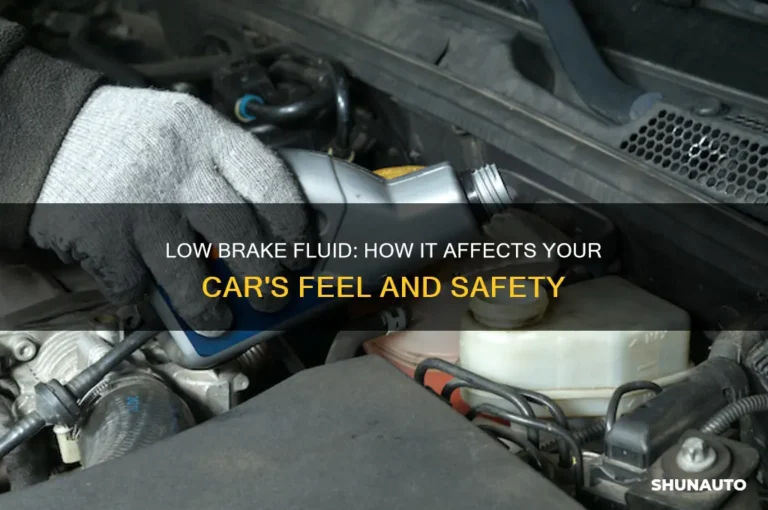
You can add brake fluid only when the vehicle’s specified fluid is known and the system does not show signs of a major leak. Use fluid from a sealed container and keep dirt away from the reservoir opening. Brake systems are sensitive to contamination, and the wrong fluid can damage seals or create a dangerous braking problem.
Never substitute motor oil, power-steering fluid, transmission fluid, water, or another automotive liquid for brake fluid. Do not mix different specifications unless the vehicle manufacturer specifically permits it. The owner’s manual and reservoir cap are the appropriate references.
Adding fluid is a temporary measure, not a repair. If the level is below the minimum line, first consider why it dropped. Topping off a leaking system can give a false sense of security while the fluid continues to escape. If the reservoir was nearly empty, the system may also need bleeding after the leak is repaired.
Do not fill the reservoir above the maximum mark. Excess fluid can spill and damage painted surfaces, and the proper level may change when brake components are serviced. If fluid spills, follow the vehicle manufacturer’s cleaning guidance and avoid spreading it across painted areas.
What low fluid may indicate
Worn brake pads
Gradual pad wear is one possible explanation for a mildly low reservoir. As the friction material becomes thinner, the caliper pistons move outward and occupy more of the fluid volume. The level may decline without a visible leak.
Pad wear should still be measured rather than assumed. Very thin pads can damage rotors, reduce braking consistency, and require more urgent service. A brake inspection can determine whether the pads, rotors, or related hardware need replacement.
A hydraulic leak
A leak may develop in a metal brake line, flexible hose, caliper, wheel cylinder, master cylinder, or connection. Fluid can escape slowly or suddenly. A slow leak may first appear as a low reservoir level, while a larger leak can cause a soft pedal and rapid loss of braking ability.
Leaks are safety-critical because the hydraulic system depends on maintaining pressure. Adding fluid without locating and repairing the leak is not sufficient.
A maintenance problem
Brake fluid absorbs moisture over time, and routine service intervals vary by vehicle and manufacturer. Moisture-contaminated fluid does not necessarily explain a low level, but old or contaminated fluid may contribute to poor performance and should be evaluated during brake service.
Use the service schedule for the specific vehicle. Avoid opening the hydraulic system or attempting a fluid flush without the correct procedure, equipment, and fluid specification.
How to decide whether to move the car
Use the brake pedal and warning signs—not the fluid level alone—as the main safety indicators. A reservoir slightly below the mark with a firm pedal is different from an empty reservoir accompanied by a sinking pedal. Neither condition should be ignored, but the second requires immediate attention and a tow.
If you are already driving and the brake pedal changes, the red brake warning light appears, or stopping becomes difficult, slow down carefully, turn on the hazard lights, and move toward a safe location. Avoid sudden maneuvers. Once stopped, do not continue to a shop if the brakes remain abnormal.
If the brakes feel normal and the fluid is only marginally low, a nearby repair facility may be an option, but I would call the shop first and describe the fluid level and symptoms. A tow is the safer choice when the distance is more than a short local trip, traffic is heavy, weather is poor, or the vehicle must travel on hills or at highway speed.
Never use a low-fluid situation as a reason to test the vehicle at higher speed. Brake problems can become more severe as heat, load, and stopping demands increase.
How a professional inspection helps
A technician can check the fluid level and condition, inspect for external leaks, measure brake pad and rotor wear, and test the master cylinder and related hydraulic components. The inspection should also account for warning lights and any change in pedal feel.
If a leak is found, the damaged component must be repaired before the system is refilled and properly bled. If the issue is worn brake pads, the technician can confirm whether the rotors and other parts remain usable. In either case, the correct repair is more important than simply restoring the reservoir to the full mark.
The anti-lock braking system (ABS) may have its own warning light and hydraulic components. An ABS warning does not always mean the regular brakes have failed, but it should not be dismissed—especially when it appears with a red brake warning light or an abnormal pedal.
Conclusion
Whether is it safe to drive with low brake fluid depends on the level, the brake pedal, warning lights, and the reason the fluid is low. A slightly low level with normal braking may allow only a short, cautious trip for inspection. A soft pedal, visible leak, rapidly falling level, or serious warning light means the vehicle should not be driven; have it towed and repaired before returning to the road.