Should Brake Fluid Reservoir Be Full: Clear Answers and Key Facts
Should brake fluid reservoir be full? Should the brake fluid reservoir be full? Usually, it should be filled to the marked level between “MIN” and “MAX,” not necessarily filled to the very top. The correct level depends on the markings, the vehicle’s service instructions, and whether the brakes are cold and on level ground.
If the reservoir is below the minimum line, the vehicle may have worn brake pads, a fluid leak, or another brake-system problem. This guide explains what the level means, how to check it safely, when adding fluid is appropriate, and when the vehicle should not be driven.
Should brake fluid reservoir be full?
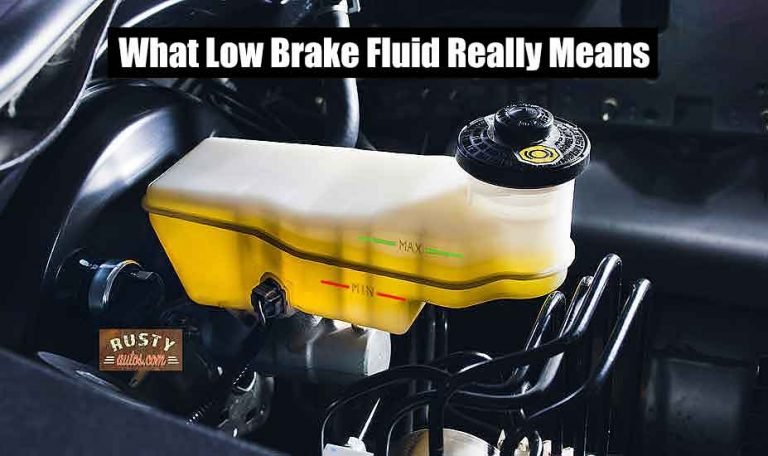
Yes, the brake fluid reservoir should normally contain enough fluid to reach the area marked “MAX” or “FULL,” but it should not be overfilled above that mark. On many vehicles, the reservoir is a translucent plastic container mounted near the back of the engine compartment, directly above or near the brake master cylinder.
The level may sit slightly below the maximum line during normal operation. A small space above the fluid is necessary because brake fluid can expand as it warms. The reservoir also needs room to accommodate normal changes in fluid level as the brake system operates.
In practical terms:
- At or near MAX: The level is generally normal if the vehicle is parked on level ground and the brakes are cold.
- Between MIN and MAX: The vehicle may still have an acceptable level, depending on the manufacturer’s markings.
- At or below MIN: The level needs attention and may indicate brake wear or a leak.
- Above MAX: The reservoir may be overfilled and should be corrected rather than ignored.
Why the fluid level changes
Brake fluid does not normally disappear quickly in a properly functioning, sealed brake system. A gradual drop can happen as the brake pads and shoes wear. As the friction material becomes thinner, the brake caliper pistons or wheel-cylinder pistons move farther outward. That movement holds more fluid in the brake lines and calipers, causing the reservoir level to fall.
This means a low reservoir is not always caused by a leak. However, it should not automatically be treated as a simple top-off issue. A low level can also result from a leaking brake hose, caliper, wheel cylinder, master cylinder, or connection in the hydraulic system.
A sudden drop is more concerning than a slow change. Wetness near a wheel, under the vehicle, around the master cylinder, or inside the cabin near the brake pedal can indicate a leak. Brake fluid may damage painted surfaces, so spills should be cleaned promptly according to the vehicle manufacturer’s instructions.
How to check the reservoir correctly
Checking the brake fluid level takes only a few minutes, but the inspection should be done carefully. The vehicle should be parked on a level surface with the engine off. If the engine or nearby components are hot, allow them to cool before working around the reservoir.
- Open the hood and locate the brake fluid reservoir. It is usually near the firewall on the driver’s side, though the exact location varies.
- Read the “MIN” and “MAX” or “FULL” markings on the side of the reservoir. Do not rely only on the appearance of the fluid through the cap.
- Check whether the vehicle is level. Parking on an incline can make the fluid appear higher or lower than it really is.
- Inspect the outside of the reservoir, cap, master cylinder, and nearby brake components for wetness or leaks.
- Look at the fluid condition without opening the cap unless adding or servicing fluid is necessary.
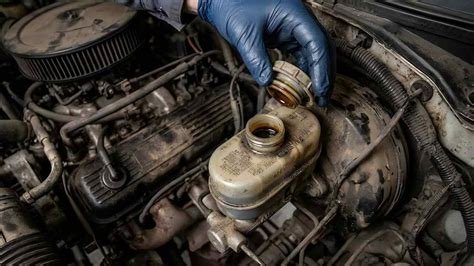
Many reservoirs are translucent, allowing the level to be seen without removing the cap. Keeping the cap closed reduces the chance of introducing moisture, dirt, or the wrong fluid into the system. Brake fluid absorbs moisture from the air, and contamination can reduce braking performance over time.
Should you add brake fluid to the MAX line?
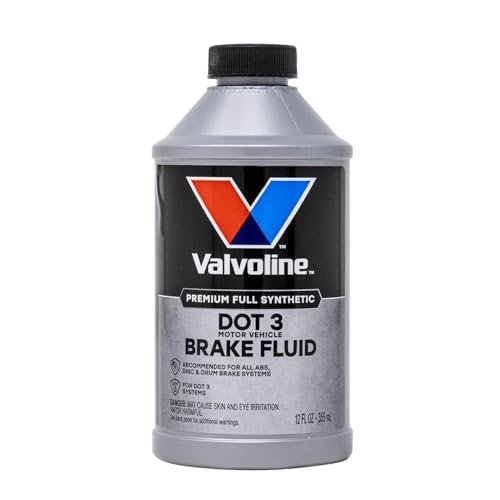
If the fluid is only slightly below the maximum line and there are no signs of a leak, adding the correct brake fluid may be appropriate. The fluid specification is usually printed on the reservoir cap or listed in the owner’s manual. Common specifications include DOT 3 and DOT 4, but the correct type depends on the vehicle.
Use only new fluid from a sealed container that matches the required specification. Do not use motor oil, power-steering fluid, transmission fluid, or another substitute. Mixing the wrong type of fluid can damage seals and other brake-system components.
Before adding fluid, clean dirt from around the reservoir cap so debris cannot fall inside. Add a small amount at a time and stop at the MAX or FULL line. Do not fill above the line. Wipe away any spill immediately, because brake fluid can harm automotive paint and some finishes.
Adding fluid is not a substitute for diagnosis. If the reservoir is noticeably low, adding fluid may hide a problem while leaving the vehicle with worn brake components or a hydraulic leak. The cause should be checked, especially if the level drops again.
What a low reservoir can mean
Normal brake pad wear
Brake pad wear is one of the most common reasons for a gradual decrease in fluid level. As the pads become thinner, the caliper pistons extend farther, and more fluid remains in the calipers. The reservoir level can therefore move downward even though no fluid has leaked.
When new brake pads are installed, the pistons are pushed back into their normal positions. The fluid level may rise again. If the reservoir was topped off while the old pads were worn, installing new pads can push the level above MAX. For that reason, the brake system should be inspected before adding fluid to a low reservoir.
A hydraulic leak
A leak can occur at a brake line, hose, caliper, wheel cylinder, master cylinder, or connection. Signs may include fresh fluid, a damp area behind a wheel, a brake warning light, a soft pedal, or a reservoir that loses fluid quickly.
A leak is a safety issue because hydraulic pressure may not reach the brakes reliably. The vehicle should not be driven simply because the reservoir was refilled. A qualified technician should locate and repair the leak, then bleed the system if necessary.
An inaccurate visual reading
The reservoir may appear low if the vehicle is parked on a slope, if the fluid is difficult to see through cloudy plastic, or if the reservoir design makes the markings hard to read. Dirt or staining on the outside can also make the level confusing.
Recheck the level on level ground and use a flashlight if needed. Avoid opening the reservoir just to inspect the level when the markings are visible from outside.
Does brake fluid need to be completely full?
No. Brake fluid does not need to reach the cap or fill the reservoir to the top of the neck. The proper target is the manufacturer’s maximum or full mark. The empty space above that mark is part of the reservoir’s design.
Overfilling can create problems. Brake fluid may expand with heat and overflow, or it may spill when brake components are serviced. Fluid on painted surfaces can cause damage. An overfilled reservoir can also make it harder to identify changes in fluid level later.
The opposite is also true: the fluid should not be allowed to fall below MIN. If the level is near or under that mark, the brake system needs an explanation before the vehicle is considered safe for normal driving.
When a low level is an emergency
Do not continue driving if the brake pedal feels soft, spongy, unusually low, or sinks toward the floor. Stop driving if the brake warning light remains illuminated, braking distance increases, the vehicle pulls sharply while braking, or the reservoir is nearly empty.
A low reservoir combined with a soft pedal can indicate a serious hydraulic problem. Pumping the pedal may temporarily change how it feels, but it does not repair the cause. The safest option is to have the vehicle inspected where it is or transported to a qualified repair facility.
If the pedal feels normal and the level is only slightly below MAX, the vehicle may not have an immediate hydraulic failure. Even then, the level should be checked promptly, and the brake pads and system should be inspected rather than repeatedly topped off.
Brake fluid color and condition
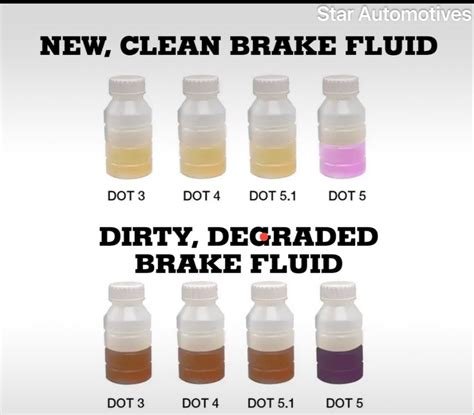
Brake fluid is commonly clear to amber when new, but its color can darken with age and heat. Color alone does not provide a complete diagnosis. Fluid that looks dirty, contains visible particles, or appears contaminated should be evaluated by a professional.
Do not remove brake fluid based only on its color unless the vehicle is receiving a proper fluid service. A brake fluid flush replaces old fluid throughout the hydraulic system, while simply removing fluid from the reservoir does not fully service the lines, calipers, or wheel cylinders.
The owner’s manual may specify a replacement interval or inspection schedule. If no schedule is provided, the condition of the fluid and the vehicle’s maintenance history should be discussed with a qualified technician.
Common mistakes to avoid
- Do not fill the reservoir above the MAX or FULL mark.
- Do not add fluid without confirming the required DOT specification.
- Do not use fluid from an open container that may have absorbed moisture.
- Do not ignore a rapidly falling level or visible wetness.
- Do not assume adding fluid repairs a leak or worn brake components.
- Do not drive with a soft pedal or a brake warning light that stays on.
- Do not leave the reservoir cap loose or contaminated after checking the level.
The reservoir is only one part of the braking system. A correct fluid level cannot confirm that the pads, rotors, lines, hoses, calipers, master cylinder, and other components are functioning properly.
What to do next
First, check the level on level ground and compare it with the MIN and MAX markings. If it is within the marked range and the pedal feels normal, monitor it during routine maintenance. If it is low, identify the correct fluid specification and arrange an inspection before assuming that topping it off is the only required action.
If the level is below MIN, falling quickly, or paired with any braking symptom, treat the issue as urgent. A professional inspection can determine whether the cause is normal pad wear, a leak, contaminated fluid, or another brake-system fault.
Conclusion
So, should brake fluid reservoir be full? It should normally be filled to the MAX or FULL mark, with the vehicle on level ground and the fluid at a reasonable operating temperature—not filled to the cap. A low level deserves attention because it may reflect brake wear or a leak, while a soft pedal, warning light, or rapidly falling level means the vehicle should not be driven until the braking system is inspected.