What Does Low Brake Fluid Feel Like: Clear Answers and Key Facts
Low brake fluid does not always create a distinct sensation by itself. A low level may cause a soft or sinking brake pedal, longer stopping distance, or a brake warning light, but those symptoms can also point to worn brake pads, air in the lines, or a hydraulic leak.
If you are asking, what does low brake fluid feel like, the safest short answer is this: the pedal may feel spongy, unusually soft, or lower than normal, and the vehicle may take more effort or distance to stop. However, a normal-feeling pedal does not rule out a dangerously low reservoir.
What low brake fluid usually feels like
Brake fluid transfers force from the brake pedal to the calipers or wheel cylinders. When the system has enough fluid and no air, the pedal generally feels firm and consistent. Pressing it should produce predictable braking without excessive travel.
When the fluid level becomes too low, common changes include:
- A brake pedal that feels soft or spongy
- A pedal that travels farther toward the floor
- A pedal that slowly sinks while steady pressure is applied
- Less immediate braking response
- Longer stopping distance
- A need to press the pedal harder than usual
These symptoms can develop gradually or appear suddenly. A gradual change may result from brake pad wear or a slow fluid loss. A sudden change is more concerning because it may indicate a significant leak or air entering the hydraulic system.
Soft versus spongy pedal feel
A soft pedal feels easier to press than usual and may require more travel before the brakes engage firmly. A spongy pedal often feels springy or compressible, as if air is being squeezed inside the brake lines.
Low fluid can contribute to this condition if the level drops far enough to allow air into the system. Air compresses more easily than brake fluid, so part of the pedal movement is used to compress air instead of applying full pressure to the brakes.
A low fluid level alone does not always make the pedal soft. If the reservoir is slightly below its normal mark but the hydraulic system remains full, the pedal can still feel normal. That is why checking the reservoir and investigating the cause matter more than judging the fluid by pedal feel alone.
Signs that may appear with low brake fluid
The most direct indication is a warning from the vehicle. Many cars have a red brake warning light that can illuminate when the fluid level is low. The same light may also signal that the parking brake is engaged or that another brake-system problem needs attention.
Some vehicles display a message such as “Check Brake Fluid” or “Brake System.” The exact wording varies by vehicle, but a brake-system warning should not be ignored, especially when it appears with a change in pedal feel.
Other possible clues include visible fluid around a wheel, beneath the vehicle, or near the master cylinder. Brake fluid is commonly clear to amber when relatively fresh, although its color changes with age and contamination. It can damage painted surfaces, so spills should be handled carefully according to the vehicle manufacturer’s guidance.
A burning smell, grinding noise, or vibration is not a typical direct feeling of low brake fluid. Those symptoms can involve overheated brakes, worn friction material, warped components, or other faults. They still deserve attention, but they should not be treated as proof that the fluid level is low.
Why brake fluid becomes low
Brake fluid is contained in a closed hydraulic system, so it normally should not disappear during routine driving. A low reservoir usually has a reason.
Brake pad wear
As disc brake pads wear thinner, the caliper pistons move farther outward to keep the pads against the rotor. That movement can lower the fluid level in the reservoir even when there is no external leak.
This is one reason a reservoir that is slightly below the full mark does not automatically mean fluid has leaked. The level can reflect normal friction-material wear. Still, the vehicle should be inspected because worn pads may need replacement, and repeatedly adding fluid can hide the underlying condition.
A hydraulic leak
A leak can occur at a brake hose, metal line, caliper, wheel cylinder, master cylinder, or connection. A leak may cause the fluid level to fall quickly and can allow air into the system.
Warning signs include wetness near a wheel, fluid beneath the vehicle, a rapidly sinking pedal, or a warning light that remains illuminated. A leak is a safety problem because the hydraulic system may lose the pressure needed for effective braking.
Maintenance or repair problems
Fluid can also be low after brake work if the reservoir was not filled correctly, a fitting is loose, or the system was not properly bled. Contaminated or incorrect fluid can damage seals and affect braking performance. The fluid specification printed on the reservoir cap or listed in the owner’s manual should be followed exactly.
How to check the brake fluid safely
I recommend checking the fluid only when the vehicle is parked on level ground, the engine is off, and the components are cool enough to inspect safely. Do not place hands near moving parts or touch hot brake components.
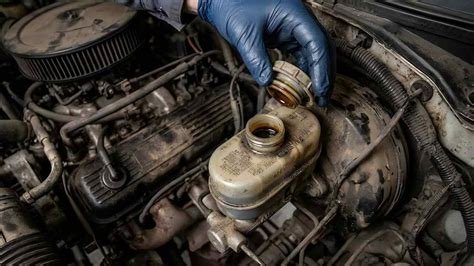
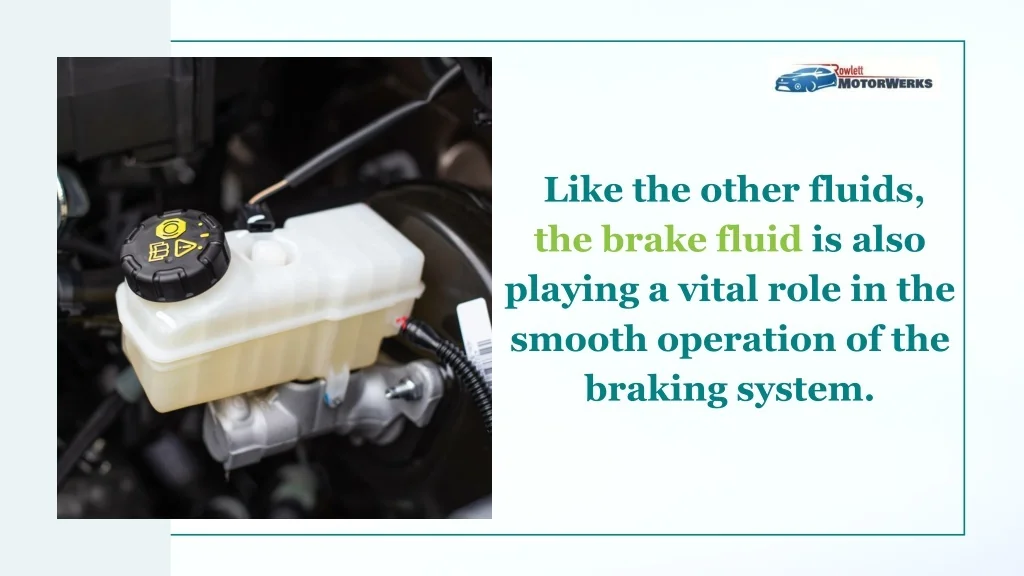
- Locate the brake fluid reservoir, usually mounted near the rear of the engine compartment in front of the driver.
- Check the fluid level against the “MIN” and “MAX” markings without opening the cap.
- Look for a warning light or message on the instrument panel.
- Inspect the area around the reservoir for wetness, damage, or a loose cap.
- Look beneath the vehicle and around the inside of each wheel for signs of fluid.
The reservoir’s location and appearance differ among vehicles. The owner’s manual can identify the correct container and fluid type. Do not confuse the brake fluid reservoir with the coolant, windshield washer, or power steering reservoir.
Do not open the reservoir unnecessarily. Moisture and dirt can contaminate brake fluid, and the cap or diaphragm may be difficult to reinstall correctly. If the level is below the minimum mark, adding the correct fluid may be only a temporary measure and may not be safe if a leak is present.
Can you drive with low brake fluid?
Driving depends on the amount of fluid, the reason for the low level, and how the brake pedal feels. A fluid level slightly below the full mark with a firm, normal pedal still requires prompt inspection, but it is different from a pedal that sinks or a vehicle that struggles to stop.
Do not continue driving if the pedal feels soft, spongy, unusually low, or inconsistent. Stop in a safe location and arrange professional inspection or towing. The same applies if the red brake warning light stays on, fluid is visibly leaking, or braking performance has changed.
If the brake pedal reaches the floor, pump the pedal only as an immediate attempt to restore temporary pressure while moving toward a safe stopping place. Do not treat pumping as a repair. Use lower gears where appropriate, avoid traffic, and seek assistance. If braking is severely reduced, towing is the safer choice.
A vehicle that still stops may not be safe to drive. Braking can deteriorate further without much additional warning, particularly when fluid is actively escaping from the system.
Low brake fluid versus other brake problems
Pedal feel can help identify a problem, but it cannot confirm the cause by itself. Several brake faults produce similar sensations.
| Symptom | Possible causes |
|---|---|
| Soft or spongy pedal | Air in the lines, low fluid, a leak, or a hydraulic problem |
| Pedal slowly sinks under steady pressure | Possible master-cylinder problem or hydraulic leak |
| Pedal feels hard but braking is weak | Possible power-assist problem, restricted components, or another fault |
| Grinding or metal-on-metal noise | Severely worn brake pads or other damaged brake components |
| Pulling to one side | Uneven braking, a sticking caliper, tire issue, or suspension problem |
| Shaking during braking | Possible rotor, hub, tire, or suspension-related issue |
The important distinction is that low brake fluid is a level condition, while a soft pedal is a performance symptom. The two can occur together, but one does not prove the other. A qualified technician may need to inspect the entire system, measure pad thickness, check for leaks, and bleed the brakes if air is present.
Should you just add more brake fluid?
Adding the correct brake fluid can restore the level temporarily, but it does not explain why the fluid was low. Overfilling can create problems when brake components are serviced, and using the wrong fluid can damage the hydraulic system.
Before adding anything, confirm the required specification in the owner’s manual or on the reservoir cap. Use fluid from a properly sealed container, keep dirt away from the opening, and never use motor oil, transmission fluid, or another substitute.
If the level is below the minimum mark, the pedal feels different, or the level drops again, professional inspection is necessary. A technician can determine whether normal pad wear, a leak, air in the lines, or a damaged component is responsible.
When to get immediate brake service
Arrange immediate service or towing for any of these conditions:
- The brake pedal goes unusually close to the floor.
- The pedal feels soft, spongy, or changes from one stop to the next.
- The vehicle takes longer to stop.
- The red brake warning light remains on after the parking brake is released.
- Brake fluid is leaking or the reservoir is nearly empty.
- You must pump the pedal to obtain normal braking.
- The vehicle pulls sharply while braking.
Do not rely on the parking brake as a substitute for the main hydraulic braking system. It may help secure a parked vehicle, but it is not designed to provide normal emergency stopping performance in place of the foot brake.
Conclusion
Low brake fluid may feel like a soft, spongy, low, or sinking brake pedal, but it can also exist without an obvious change in feel. Checking the reservoir and warning light is useful, yet the cause still needs attention because low fluid often results from worn brake pads or a leak. If you are still wondering what does low brake fluid feel like, treat any new pedal softness, longer stopping distance, or brake warning as a reason to stop driving and have the brake system inspected.