What Is Dot 5.1 Brake Fluid Used for: Clear Answers and Key Facts
DOT 5.1 brake fluid is used in hydraulic braking systems that need a high boiling point and reliable performance under repeated heat. It is common in vehicles equipped with anti-lock braking systems (ABS), electronic stability control, performance brakes, and other systems specified for glycol-based DOT 5.1 fluid.
If you are asking what is dot 5.1 brake fluid used for, the key point is that the DOT rating describes performance requirements, not a particular vehicle type or brand. The correct choice depends on the vehicle manufacturer’s specification, the brake system’s design, and the fluid’s chemical compatibility.
What DOT 5.1 Brake Fluid Is Used For
DOT 5.1 brake fluid is used to transfer pressure from the brake pedal to the wheel brakes. When the pedal is pressed, the fluid moves through the master cylinder, brake lines, calipers, or wheel cylinders. That hydraulic pressure pushes the brake components against the rotors or drums and slows the vehicle.
Its main practical purpose is to maintain dependable braking when the fluid becomes hot. Hard braking, mountain driving, towing, racing, and repeated stops can raise brake temperatures. A fluid with a high boiling point is less likely to form vapor in the hydraulic system, which helps preserve a firm pedal.
DOT 5.1 fluid is also used where a manufacturer requires a glycol-based fluid with performance suitable for modern electronically controlled braking systems. ABS and stability-control systems can rapidly apply and release brake pressure. They require the correct fluid type and viscosity for the valves, pumps, seals, and passages in the system.
What the DOT 5.1 Rating Means
The Department of Transportation classification sets minimum performance requirements for brake fluid sold for road vehicles. DOT 5.1 is a performance category, not a reference to the amount of silicone or a fluid’s thickness.
DOT 5.1 brake fluid is generally:
- Glycol-based, typically made from glycol ethers and related additives.
- Designed with a high dry boiling point and a high wet boiling point.
- Hygroscopic, meaning it absorbs moisture from the surrounding air over time.
- Suitable for systems that specifically call for DOT 5.1 or another compatible glycol-based DOT fluid.
The dry boiling point describes relatively new fluid with little absorbed moisture. The wet boiling point describes fluid after it has taken on moisture during service. The wet figure matters because brake fluid gradually absorbs water through hoses, seals, microscopic openings, and exposure during maintenance.
As moisture content increases, the boiling point decreases. Under heavy braking, water-contaminated fluid can create vapor more easily. Vapor compresses much more readily than liquid, so the brake pedal may feel soft or travel farther than normal.
Why Vehicles Use DOT 5.1
The main reason to use DOT 5.1 is its resistance to high-temperature brake fade caused by fluid boiling. This does not eliminate every type of brake fade. Brake pads, rotors, drums, and calipers can also overheat. However, the right brake fluid helps prevent vapor formation inside the hydraulic circuit.
DOT 5.1 may be appropriate for a vehicle or application involving:
- Frequent heavy braking or high-speed driving.
- Steep grades, towing, or carrying heavy loads.
- Performance-oriented driving or track use when the system permits it.
- ABS, traction control, or electronic stability control.
- Cold conditions where the system requires a suitable low-temperature viscosity.
- A manufacturer’s explicit requirement for DOT 5.1 fluid.
Many ordinary passenger vehicles do not specifically require DOT 5.1. Some use DOT 3 or DOT 4 because those fluids already meet the vehicle’s design requirements. Using a higher-numbered DOT fluid is not automatically an upgrade. The manufacturer’s specification remains the controlling instruction.
DOT 5.1 Versus DOT 5
DOT 5.1 and DOT 5 are different fluids despite their similar names. DOT 5 is generally silicone-based, while DOT 5.1 is generally glycol-based. They should not be treated as interchangeable.
DOT 5.1 is commonly compatible with systems designed for glycol-based DOT 3 or DOT 4 fluid, provided the vehicle manufacturer allows that substitution. DOT 5 silicone fluid has different chemical and performance characteristics and is not a routine replacement for DOT 5.1.
Mixing DOT 5 silicone fluid with glycol-based DOT 5.1 can cause compatibility problems and may compromise the brake system. If the wrong fluid has been added, I would avoid driving until a qualified technician identifies the contamination and determines whether the system must be drained, flushed, and refilled.
The number in DOT 5.1 does not mean it is a newer version of DOT 5. The two classifications identify different fluid chemistries and intended system requirements.
Can DOT 5.1 Replace DOT 3 or DOT 4?
In some applications, DOT 5.1 can replace DOT 3 or DOT 4 because all three are generally glycol-based and may be compatible. However, compatibility should never be assumed solely from the number on the bottle.
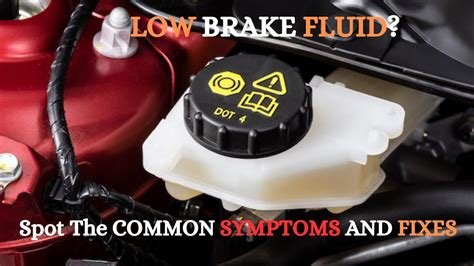
Before switching, check the owner’s manual, the brake-fluid reservoir cap, and the service information for the vehicle. The documentation may specify a fluid type, a standard, a required viscosity, or a restriction against another fluid. If the manual calls for DOT 3 or DOT 4 and does not approve DOT 5.1, use the specified fluid.
Even when the chemistry is compatible, replacing old fluid with DOT 5.1 does not automatically improve braking. The result depends on the condition of the entire brake system. Worn pads, contaminated fluid, damaged hoses, air in the lines, sticking calipers, or a failing master cylinder can cause braking problems that a different fluid will not solve.
How DOT 5.1 Fluid Is Serviced
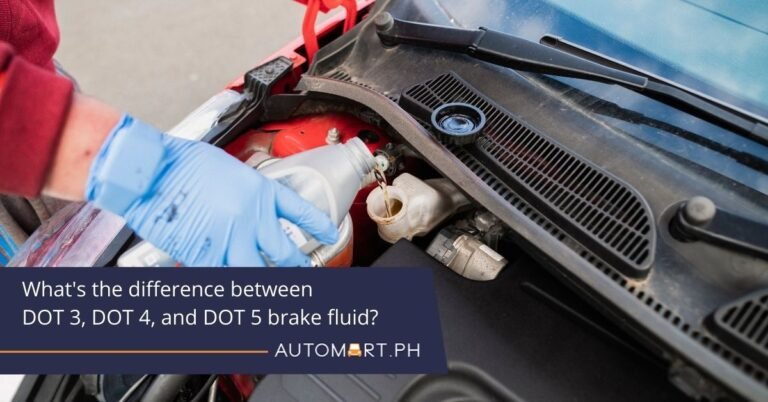
Brake fluid is normally added during a repair, a fluid replacement, or a bleeding procedure. A technician may use a pressure bleeder, vacuum equipment, or the vehicle’s recommended manual bleeding method to remove old fluid and air from the lines.
A proper service generally involves these steps:
- Confirm the exact fluid specification in the vehicle’s manual or service information.
- Inspect the reservoir, hoses, calipers, wheel cylinders, and brake lines for leaks or damage.
- Remove contaminated or deteriorated fluid as required by the service procedure.
- Fill with clean fluid from a sealed container that meets the required specification.
- Bleed the system until air is removed and the fluid at the bleeder points is clean.
- Check pedal firmness, fluid level, warning lights, and possible leaks before returning the vehicle to service.
Brake fluid should be kept off painted surfaces because it can damage automotive paint. Use clean equipment, keep the reservoir closed as much as possible, and never pour used fluid back into a new container. Follow local rules for disposal of used brake fluid.
When DOT 5.1 Brake Fluid Needs Replacement
Brake fluid does not wear out in the same way as brake pads, but it can absorb moisture and collect contamination. The replacement interval varies by vehicle, climate, driving conditions, and manufacturer guidance. Some manufacturers specify a time interval, while others focus on testing the fluid or inspecting its condition.
Fluid replacement may be appropriate when:
- The manufacturer’s scheduled service interval has arrived.
- The fluid is visibly dark, dirty, or contaminated.
- The brake system has been opened for a repair.
- The vehicle has experienced a leak or the reservoir has become very low.
- A fluid test shows excessive moisture or poor boiling performance.
- The brake pedal feels soft after other possible causes have been checked.
Color alone is not a reliable diagnosis. New brake fluid may be clear, amber, or another shade depending on the formulation. It can darken because of age, heat, seal wear, or contamination, but a technician should evaluate the entire system rather than rely only on appearance.
A low fluid level can indicate worn brake pads, a leak, or another fault. Simply topping off the reservoir may hide a problem. If the level drops repeatedly, the brake warning light comes on, or the pedal feels abnormal, the vehicle should be inspected promptly.
Important Compatibility and Storage Rules
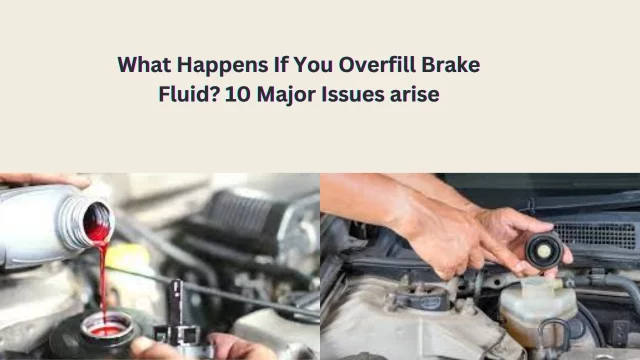
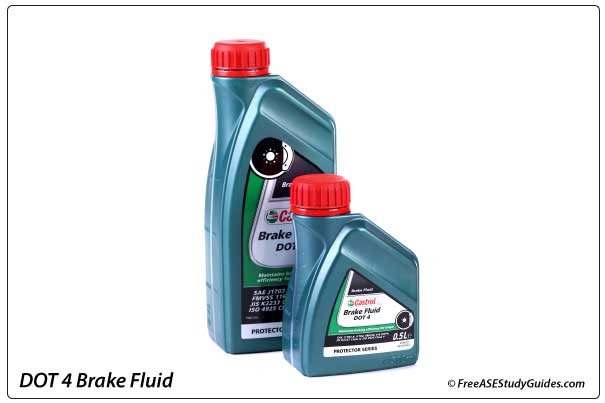
Use only fluid from a sealed container that meets the required specification. Once opened, brake fluid can begin absorbing moisture from the air. Storing an opened container for a long time may reduce the fluid’s value, especially if the cap was loose or the container was kept in a humid environment.
Do not use engine oil, power-steering fluid, automatic transmission fluid, or another non-brake fluid in a brake reservoir. These products can damage seals and hoses and may cause brake failure. If the wrong product enters the system, do not continue driving until the system has been correctly assessed.
DOT 5.1 is not a cure for a soft pedal, and a high boiling point does not make a damaged brake system safe. Air, leaks, worn components, and mechanical faults must be corrected separately. The fluid only performs properly when the rest of the hydraulic system is in good condition.
Is DOT 5.1 Right for Your Vehicle?
DOT 5.1 is right for your vehicle only when the manufacturer specifies it or confirms that it is an acceptable alternative. Look for the required rating on the reservoir cap, owner’s manual, repair information, or an authoritative parts specification for the exact vehicle.
If the vehicle calls for DOT 4, a compatible DOT 5.1 product may offer a higher boiling-point rating, but that does not mean it is necessary for normal driving. It also does not justify mixing fluids carelessly. A complete fluid change may be preferable to an uncertain partial top-off, particularly if the existing fluid type is unknown.
For motorcycles, racing vehicles, classic vehicles, and modified brake systems, the correct choice may depend on seals, hoses, caliper design, ABS equipment, and the manufacturer’s technical guidance. In those cases, the system specification is more important than general claims printed on a product label.
Conclusion
Understanding what is dot 5.1 brake fluid used for comes down to its role in hydraulic braking systems that require glycol-based fluid with strong high-temperature performance. It can support consistent braking in demanding conditions and modern ABS-equipped vehicles, but it is not automatically suitable for every car. Check the manufacturer’s specification, never confuse DOT 5.1 with silicone-based DOT 5, and replace or bleed the fluid using the correct service procedure.