What Does Low Brake Fluid Do: What to Know and Why It Matters
A low brake fluid level can reduce braking reliability, create a soft or sinking pedal, and indicate a brake fluid leak or worn brake pads. It does not usually make the brakes fail instantly, but it means the hydraulic braking system needs attention before stopping performance gets worse.
If you are wondering what does low brake fluid do, the short answer is that it can prevent the brake system from maintaining consistent hydraulic pressure. In severe cases, air can enter the system, making the brake pedal feel spongy and increasing the distance needed to stop.
What low brake fluid does
Most modern vehicles use a hydraulic brake system. When you press the brake pedal, the master cylinder pushes brake fluid through steel lines and flexible hoses. That fluid transfers pressure to the calipers or wheel cylinders, which press the brake pads or shoes against the rotors or drums.
Brake fluid is the working medium that carries this pressure. When the fluid level is too low, several problems can develop:
- The master cylinder may not receive enough fluid to maintain steady pressure.
- Air may enter the hydraulic system, and air compresses more easily than brake fluid.
- The brake pedal may feel soft, spongy, or lower than normal.
- Stopping may require more pedal travel or greater effort.
- The brake warning light may turn on.
Low fluid does not always mean the brakes will stop working immediately. The effect depends on how low the reservoir is, whether air has entered the lines, and whether another problem caused the fluid loss. However, the condition should be treated as a safety issue rather than ignored.
How low fluid affects the brake pedal
A normal brake pedal should feel firm and respond consistently. Low brake fluid can change that feel because the system may not be able to move enough fluid to apply the brakes properly.
A soft or spongy brake pedal often means air is present in the brake lines. When you press the pedal, some of the movement compresses the air instead of transferring force directly to the brakes. The pedal may feel springy, and the vehicle may not slow as quickly as expected.
A pedal that gradually sinks while steady pressure is applied can indicate a hydraulic problem, including a leak or a failing master cylinder. A low reservoir level may be part of the same problem, but the fluid level alone does not identify the exact cause.
Pumping the brake pedal may temporarily make it feel firmer. That does not repair the problem. It can simply move fluid through the system for a short time, so the underlying fault still requires inspection.
Why the brake fluid level becomes low
Worn brake pads
As disc brake pads wear, the caliper pistons move farther outward to keep the pads against the rotor. The brake fluid level in the reservoir can gradually fall as this happens. A modest decrease may therefore accompany normal pad wear.
When new, thicker pads are installed, the pistons are pushed back into the caliper and the fluid level may rise again. For that reason, adding a large amount of fluid before checking the brake pads can cause the reservoir to become overfilled during brake service.
A brake fluid leak
A significant or sudden drop usually deserves more concern. Fluid can leak from a brake hose, metal line, caliper, wheel cylinder, master cylinder, or a connection between components.
Signs of a leak may include wetness around a wheel, fluid near the master cylinder, a damp area beneath the vehicle, or a brake pedal that becomes softer over time. Brake fluid is often clear to amber when fresh, although its appearance varies with age and contamination.
A leak can worsen while the vehicle is being driven. If the reservoir becomes empty, the system can draw in air and lose much of its braking effectiveness.
Maintenance or fluid loss during service
Brake fluid can also be low after repairs if the reservoir was not filled correctly or if the system was not properly bled. Brake work should leave the fluid at the manufacturer’s specified level, with no air trapped in the lines.
Brake fluid is not normally consumed like engine oil or fuel. If the level repeatedly falls, topping it off only hides the symptom. The vehicle needs a proper inspection to find out where the fluid is going.
Warning signs to take seriously
Low brake fluid may be accompanied by one or more of these symptoms:
- A red brake warning light or a message on the instrument panel
- A soft, spongy, or sinking brake pedal
- More pedal travel than usual
- Needing to press the pedal harder to slow down
- Longer stopping distance
- Uneven braking or the vehicle pulling to one side
- Grinding, scraping, or unusual brake noise
- Visible fluid around a wheel or under the vehicle
The brake warning light can have more than one meaning. It may indicate low fluid, an engaged parking brake, or another brake-system issue. If the light stays on after the parking brake is fully released, the braking system should be checked.
Some vehicles also display an ABS warning light. Low fluid does not automatically mean the ABS system has failed, but a brake hydraulic problem can exist alongside an ABS warning. The vehicle’s warning lights and pedal feel should be considered together.
Can you drive with low brake fluid?
It depends on how low the fluid is and how the brakes feel, but driving should not be treated as the default solution. If the brake pedal is soft, sinks toward the floor, requires pumping, or the vehicle takes longer to stop, do not continue driving. Arrange for a qualified technician or towing service to inspect it.
If the fluid is only slightly below the “MIN” or “LOW” mark and the pedal feels completely normal, the vehicle still needs prompt attention. Check the owner’s manual and have the brake system inspected rather than assuming the vehicle is safe because the brakes still work.
Never drive if the reservoir is empty, fluid is visibly leaking, the red brake warning light remains on, or braking performance has changed significantly. A brake system can retain some braking ability while already having a serious fault.
What to check under the hood
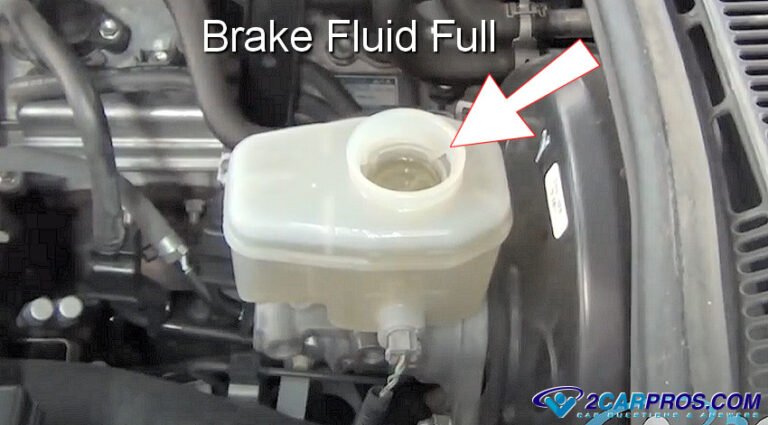
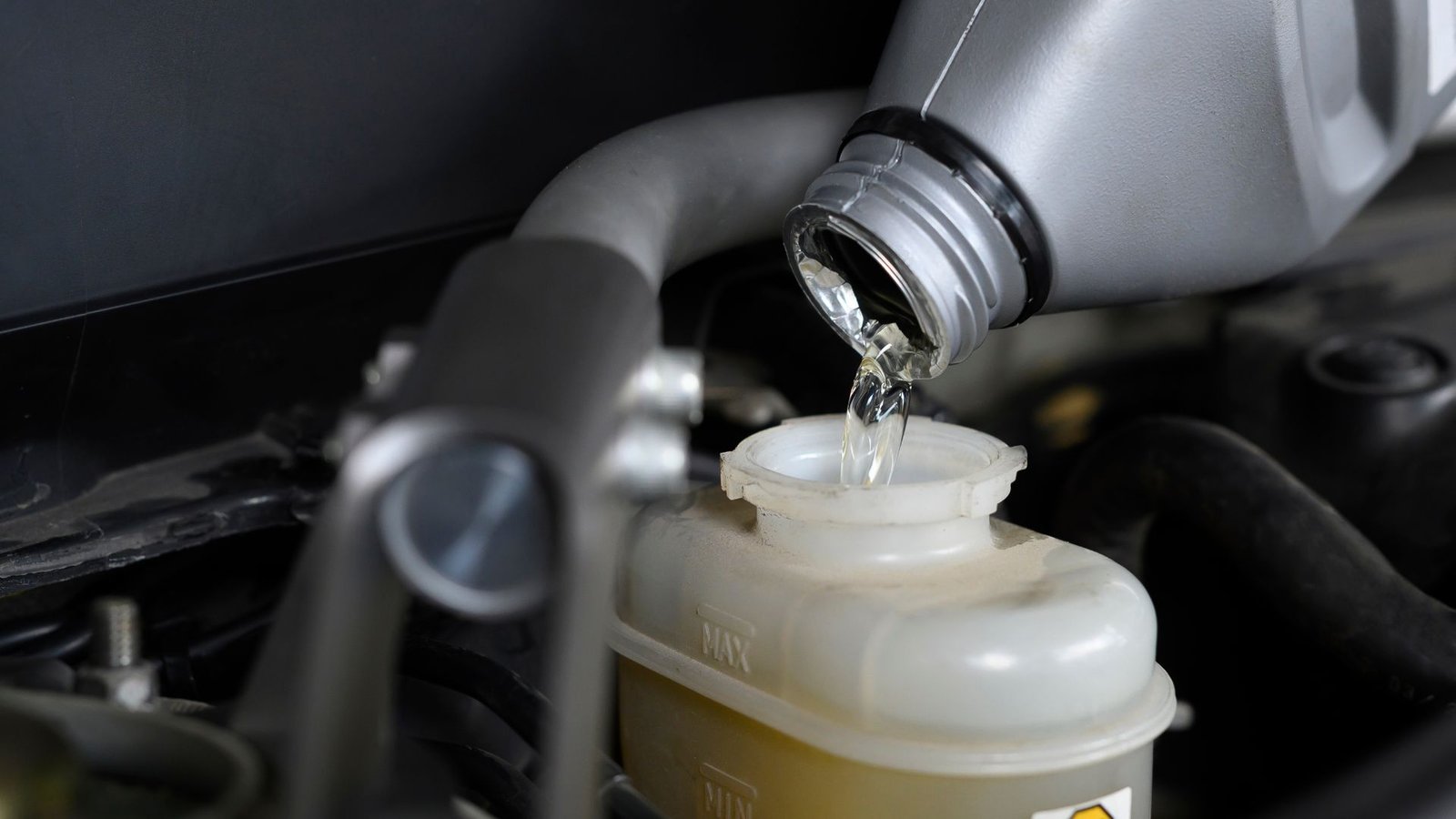
The brake fluid reservoir is usually mounted near the back of the engine compartment, in front of the driver’s position. It is commonly attached to the master cylinder and has “brake fluid” markings on the cap or reservoir.
With the vehicle parked on level ground and the engine off, look at the fluid level against the “MIN” and “MAX” marks. Do not rely on color alone to judge the level. If the reservoir is difficult to identify, use the owner’s manual rather than opening an unrelated container.
Before adding fluid, check the vehicle manufacturer’s specification. Brake fluid types such as DOT 3, DOT 4, and DOT 5.1 are glycol-based but are not interchangeable in every application. DOT 5 silicone brake fluid is different and should not be substituted unless the vehicle is specifically designed for it.
Use fluid from a clean, properly sealed container and keep dirt away from the reservoir. Brake fluid can damage automotive paint, so wipe spills promptly according to the vehicle manufacturer’s guidance.
Adding the correct fluid to bring the level within the marked range may be appropriate in limited circumstances, but it is not a complete repair. If the level is very low, continues to fall, or the pedal feels abnormal, do not simply refill and drive away.
Why topping off may not solve the problem
Adding brake fluid restores the reservoir level but does not repair a leak, replace worn brake pads, remove air, or correct a damaged component. It can also make diagnosis harder if the reservoir was low because the brake pads were worn and the system is later serviced.
Brake fluid also absorbs moisture over time. Moisture can lower the fluid’s boiling point and contribute to internal corrosion, but low fluid level and old fluid are separate concerns. A vehicle can have a correct fluid level and still need brake fluid service, just as it can have fresh fluid and a dangerous leak.
Do not use engine oil, transmission fluid, power steering fluid, or water in the brake fluid reservoir. The wrong substance can damage seals and other hydraulic components. If an incorrect fluid was added, avoid driving until the system has been assessed.
What a brake inspection should include
A proper inspection should identify why the level is low and determine whether the vehicle can be driven safely. The technician may check:
- Brake pad and brake shoe thickness
- Rotors or drums and caliper or wheel-cylinder condition
- Brake hoses, steel lines, fittings, and the master cylinder for leaks
- Brake fluid level and condition
- Air in the hydraulic lines
- Brake pedal operation and hydraulic pressure
- Warning-light and ABS-system faults when applicable
If air has entered the system, the brakes may need to be bled after the source of the problem is corrected. If a component is leaking, bleeding the brakes without repairing that component will not provide a lasting solution.
I recommend treating a newly illuminated brake warning light or a change in pedal feel as a same-day safety concern. Brakes are designed to provide a predictable response, and any change in that response deserves attention before normal driving continues.
Conclusion
Understanding what does low brake fluid do comes down to the hydraulic pressure that makes the brakes operate. A low level can be related to worn pads, but it may also signal a leak or allow air into the system, leading to a soft pedal and reduced stopping performance. Check the level with the correct specification, avoid driving when braking feels abnormal, and have the cause identified instead of repeatedly topping off the reservoir.