What Happens If You Overfill Your Brake Fluid: Explained Clearly
Many drivers assume that adding extra brake fluid provides an extra safety margin. It usually does not. If the reservoir is filled above its marked maximum line, the main risks are overflow, paint damage, and fluid contamination—not stronger braking.
If you are wondering what happens if you overfill your brake fluid, the answer depends on how far above the mark the level is and whether the fluid can expand without spilling. A small amount may cause no immediate braking problem, but a reservoir filled to the brim should be corrected before driving.
What overfilled brake fluid does
The brake fluid reservoir sits on top of the master cylinder and supplies fluid to the hydraulic brake system. It is normally filled only to the “MAX” or “FULL” line, leaving a small amount of air space above the fluid.
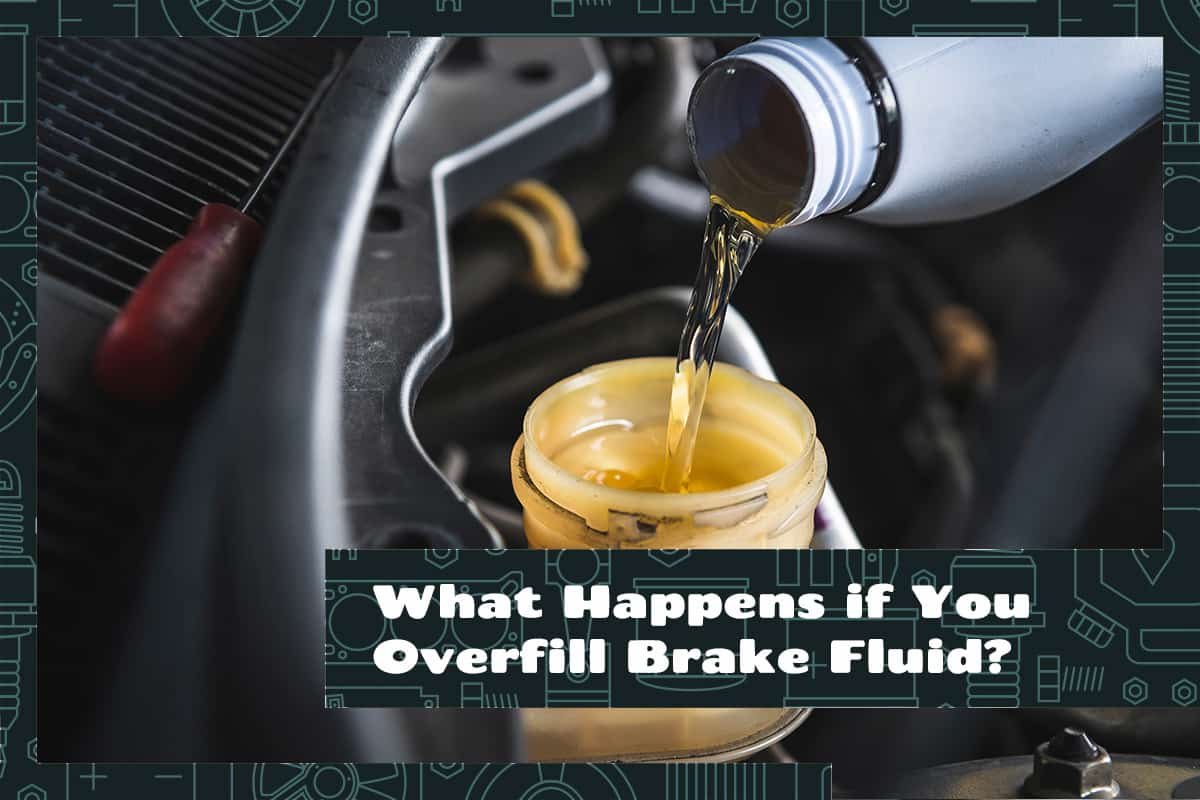
That empty space matters because brake fluid expands slightly as it warms. The reservoir is also designed to accommodate normal changes in fluid level as the brake system operates. When the reservoir is overfilled, there is less room for expansion.
The most likely result is that fluid rises to the top and leaks or spills from the reservoir cap or vent area. In ordinary circumstances, overfilling does not create more hydraulic pressure or make the brakes work better. The reservoir itself is not a pressure chamber during normal operation.
Possible effects of too much fluid
- Overflow: Warm fluid may seep out around the cap or vent.
- Paint damage: Brake fluid can damage automotive paint and clear coat if it remains on the surface.
- Contamination: Spilled fluid can reach wiring, rubber parts, or nearby engine-bay components.
- Brake drag in unusual cases: Overfilling alone normally does not cause this, but a separate hydraulic or master-cylinder problem can prevent pressure from releasing.
- Incorrect service diagnosis: A full reservoir can hide the fact that fluid was added without finding the reason for a low level.
A minor overfill is usually less serious than contaminated fluid, a leak, or air in the brake lines. Still, the correct level should be restored because brake fluid on painted surfaces can cause permanent damage.
Can overfilling make the brakes lock up?
Usually, no. Simply filling the reservoir slightly above the maximum line does not normally force the brakes to apply. Brake pressure is created when the brake pedal moves the master-cylinder piston, not merely because the reservoir contains extra fluid.
In a properly functioning system, fluid can return toward the reservoir when the pedal is released. The reservoir has space and passages that help compensate for temperature changes and brake-pad movement.
Brake drag or locking can occur when another problem prevents hydraulic pressure from returning normally. Possible causes include a blocked compensating port, a damaged brake hose, a sticking caliper, a seized wheel cylinder, or a master-cylinder fault. If the brakes begin dragging immediately after fluid service, the overfill may have drawn attention to an existing problem, but it may not be the true cause.
Do not continue driving if a wheel becomes unusually hot, the vehicle pulls to one side, the brake pedal fails to return, or the brakes remain partially applied. Those symptoms need prompt inspection.
Why the fluid level can change
The brake-fluid level is not perfectly fixed throughout the life of the brake pads. As disc-brake pads wear, the caliper pistons move farther outward. That movement uses more fluid in the caliper, so the reservoir level can gradually fall.
When new, thicker pads are installed, the pistons are pushed back into the calipers. Fluid returns to the reservoir, and the level rises. If someone topped off the reservoir while the old pads were worn, installing new pads may push the level above the maximum line.
This is one reason brake fluid should not be added automatically whenever the level is below the top mark. The level should be evaluated along with pad thickness, possible leaks, and the vehicle manufacturer’s service instructions.
A falling level can also indicate a leak. Brake fluid may escape from a caliper, wheel cylinder, brake hose, metal line, master cylinder, or another hydraulic connection. Adding fluid without locating a leak can leave the vehicle with a serious brake fault.
What to do after overfilling
1. Park safely and inspect the reservoir
Park on a level surface, switch off the engine, and allow hot components to cool. Check the fluid level against the reservoir’s marked “MAX,” “FULL,” or upper line. Do not judge the level while the vehicle is tilted.
Look for wetness around the cap, spilled fluid on nearby surfaces, a cracked reservoir, or signs that the fluid is dark or contaminated. Do not remove the cap unnecessarily if dirt could fall into the reservoir.
2. Remove only the excess
If the level is clearly above the maximum mark, remove enough fluid to bring it back to the specified line. A clean, dedicated fluid syringe or suction tool can be used from the reservoir. Use equipment that has never contained oil, coolant, fuel, washer fluid, or other chemicals.
Do not siphon brake fluid by mouth. Avoid dropping lint, dirt, or moisture into the reservoir. Brake fluid absorbs moisture from the air, and contamination can affect braking performance and damage hydraulic components.
Do not remove more fluid than necessary. The goal is not to empty the reservoir or bleed the brakes. If the level is only slightly above the line, a professional can confirm whether correction is needed before any fluid is removed.
3. Clean any spilled fluid promptly
Brake fluid can soften or strip automotive paint. If it has spilled on a painted body panel, wipe it away promptly and rinse the area thoroughly with plenty of water. Follow the vehicle and fluid manufacturer’s cleaning guidance, and avoid spreading the fluid across a larger painted area.
If fluid reached the brake rotor, pads, shoes, or other friction surfaces, do not assume wiping the visible area is enough. Brake fluid on friction material can affect braking and may require cleaning or replacement. A repair professional should inspect any brake components that were soaked.
4. Check the pedal and the brakes
With the engine off, press the brake pedal several times. It should feel firm and should not slowly sink while steady pressure is applied. Start the vehicle and check the pedal again. A soft, spongy, sinking, or unusually hard pedal is not a normal result to ignore.
After correcting the level, make a cautious low-speed test in a safe area. Confirm that the vehicle stops normally, does not pull, and does not produce grinding, burning, or scraping sounds. Stop immediately if the brakes feel abnormal.
When an overfilled reservoir needs professional service
Seek professional help if the reservoir was filled far above the mark, if fluid has spilled into the engine bay, or if the fluid level keeps changing. A technician can inspect for leaks and verify that the correct fluid is present.
Professional inspection is especially important when the wrong type of fluid may have been added. Brake-fluid specifications vary by vehicle. Use the specification printed on the reservoir cap or listed in the owner’s manual, such as the required DOT rating. Do not guess based only on fluid color.
Have the vehicle towed instead of driving it if the brake warning light is on, the pedal is soft or sinking, the brakes drag, the vehicle pulls sharply, or fluid is visibly leaking. Overfilling may be the obvious issue, but these symptoms can indicate a more serious hydraulic problem.
What not to do
- Do not keep driving with brake fluid visibly leaking or spilling.
- Do not fill the reservoir to the cap just to make the level look full.
- Do not reuse fluid removed from the reservoir.
- Do not use a tool that has contacted oil or other automotive fluids.
- Do not ignore a low level, because a leak or worn brake component may be responsible.
- Do not open the hydraulic system unless you know how to bleed it correctly afterward.
- Do not treat a soft pedal or dragging brake as a simple overfill issue.
How much overfill is dangerous?
There is no single amount that applies to every vehicle. The reservoir shape, maximum mark, fluid temperature, cap design, and amount of overfill all matter. A level just above the line may not produce an immediate symptom, while a completely filled reservoir can spill as the fluid heats.
The safest standard is simple: the fluid should be at or just below the manufacturer’s maximum mark when the vehicle is positioned as specified. If the fluid is above that mark, correct it rather than waiting to see whether it overflows.
Overfilling is also different from putting the wrong fluid into the system. If petroleum-based fluid, power-steering fluid, engine oil, or another incorrect liquid entered the brake reservoir, do not drive the vehicle. The system may need to be flushed and inspected because incompatible fluid can damage seals and other components.
Conclusion
What happens if you overfill your brake fluid is usually an overflow and possible paint or component damage, not stronger braking or immediate brake lockup. Bring the level back to the manufacturer’s maximum mark, clean any spill promptly, and have the vehicle inspected if the pedal, fluid level, or braking behavior is abnormal. A brake-fluid level change should always be treated as useful information about the condition of the brake system, not just a reason to add more fluid.