Is Low Brake Fluid Dangerous: Key Facts and Helpful Explanations
Low brake fluid is a safety warning, not a routine maintenance detail. It can mean the brake pads are worn, the system has a leak, or air may enter the hydraulic system, all of which can reduce braking performance.
If you are asking, is low brake fluid dangerous, the short answer is yes, especially when the level fell quickly, the brake pedal feels soft, or a brake warning light is on. A slightly low reservoir may reflect normal pad wear, but it still deserves prompt inspection.
Why Low Brake Fluid Can Be Dangerous
Most vehicles use hydraulic brakes. When you press the brake pedal, the master cylinder pushes brake fluid through sealed lines to the calipers or wheel cylinders. That fluid pressure moves the brake components that press the pads or shoes against the rotors or drums.
When the fluid level becomes too low, the master cylinder may not receive enough fluid to maintain reliable hydraulic pressure. If air enters the system, it can compress when you press the pedal. Brake fluid is designed to transfer pressure with very little compression, while air can make the pedal feel spongy and reduce braking force.
A low reservoir can also indicate that fluid is escaping somewhere. A leak may develop at a brake line, hose, caliper, wheel cylinder, master cylinder, or connection. Brake fluid loss can progress from a warning sign to partial or complete loss of braking ability.
The danger is not determined by the fluid level alone. The vehicle may still stop normally when the reservoir is only slightly below the marked range, but the reason for the low level matters. A rapid drop, visible fluid, or change in pedal feel should be treated as an urgent brake problem.
What a Low Brake Fluid Level Usually Means
Worn brake pads or shoes
As disc brake pads wear, the caliper pistons extend farther to keep the pads against the rotor. That movement uses more fluid from the reservoir, so the level can gradually fall. In this situation, the brake system may not have an active leak.
Even when normal pad wear is the cause, adding fluid is not a complete repair. Replacing the worn pads pushes the caliper pistons back and raises the reservoir level again. If someone fills the reservoir to the maximum mark before the brake work, it may overflow when the pistons are reset.
A hydraulic leak
A leak is more serious. Brake fluid may escape from a damaged metal line, flexible hose, caliper seal, wheel cylinder, master cylinder, or fitting. Look for wet or oily areas near the inside of a wheel, beneath the vehicle, or around the master cylinder in the engine compartment.
Brake fluid is often clear to amber when clean, although its appearance varies with age and contamination. It may feel slippery and can damage painted surfaces. Do not identify a leak by color alone because other vehicle fluids can appear similar.
Air or moisture in the system
Air can enter through a leak or during improper brake service. It may cause a soft, spongy, or unusually long pedal. Moisture can also enter brake fluid over time, lowering its boiling resistance. Under severe, repeated braking, contaminated fluid may contribute to brake fade, but a suddenly low level should first be investigated for a leak or worn components.
Signs That Low Fluid Requires Immediate Attention
Do not continue driving normally if low brake fluid appears with any of these symptoms:
- A soft, spongy, or sinking brake pedal
- A pedal that travels much farther than usual before the vehicle slows
- A red brake warning light or a message indicating a brake system problem
- Grinding, severe scraping, or unusual brake noise
- The vehicle pulling to one side during braking
- Visible fluid near a wheel, under the vehicle, or around the master cylinder
- A noticeable drop in the reservoir level over a short period
- Longer stopping distance or braking that feels weak
A red brake warning light can be triggered by low fluid, a parking brake that is still applied, or another hydraulic fault, depending on the vehicle. Check the owner’s manual for the warning-light meaning, but do not assume a brake warning is harmless.
If the pedal goes nearly to the floor, pumping the pedal does not restore firm pressure, or the vehicle cannot stop normally, do not drive it to a repair shop. Arrange a tow or request professional roadside assistance. Pumping may temporarily change the pedal feel without fixing the underlying failure.
How to Check Brake Fluid Safely
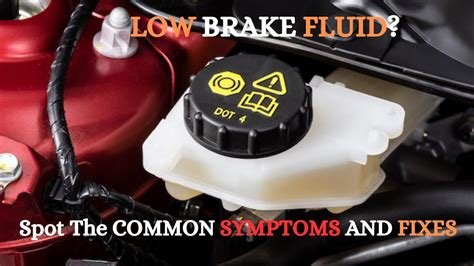
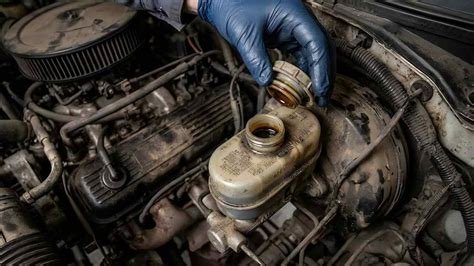
Park on a level surface, switch off the engine, and allow the vehicle to cool enough for safe inspection. Find the translucent brake fluid reservoir, which is usually mounted near the back of the engine compartment above the master cylinder. Use the owner’s manual if the location is not obvious.
Check the fluid against the “MIN” and “MAX” marks. The vehicle should generally have the correct level between those marks. Do not open the reservoir unnecessarily. Dirt or moisture entering the system can contaminate the fluid, and some reservoirs use a cap with an attached sensor or diaphragm.
Inspect the area around the reservoir for wetness, cracks, or staining. Then look beneath the vehicle and behind the wheels if it is safe to do so. Do not crawl under a vehicle supported only by a jack. A visual inspection cannot rule out an internal or hidden leak, so a professional brake inspection may still be necessary.
Also pay attention to the fluid’s condition. Dark or dirty fluid can suggest age or contamination, but color alone does not determine whether the vehicle is safe to drive. The level, pedal feel, warning lights, and evidence of leakage are more important immediate clues.
Should You Add Brake Fluid?
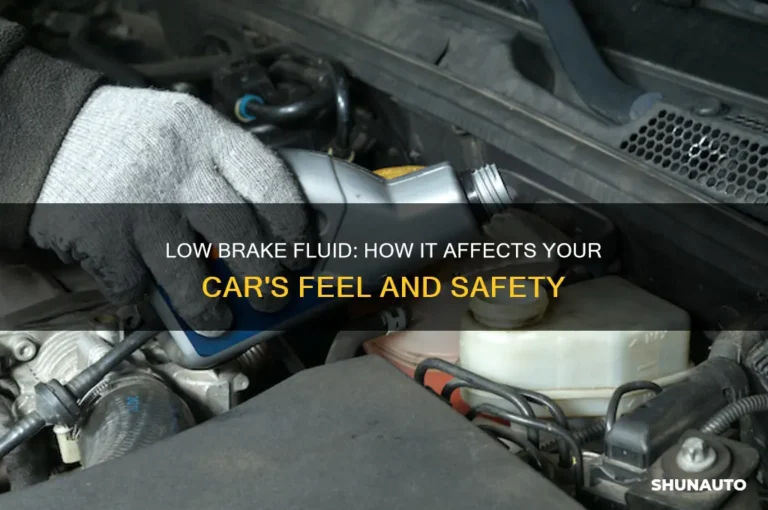
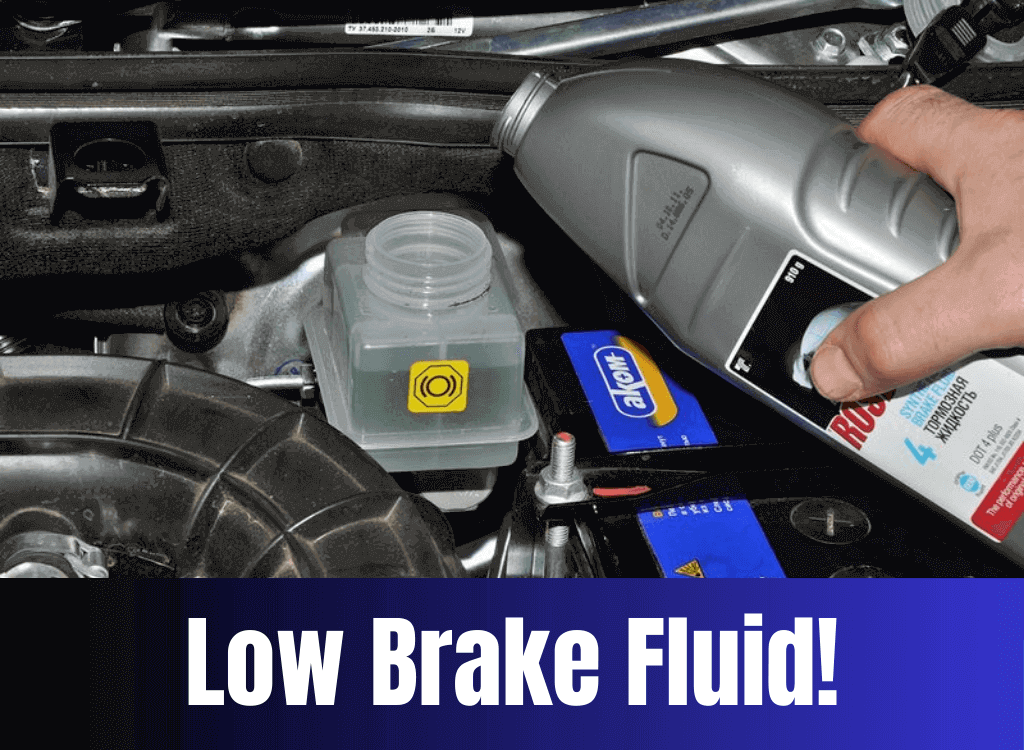
You may add brake fluid only as a short-term measure when the level is below the specified range and there is no obvious leak, no serious pedal problem, and no warning sign requiring a tow. Adding fluid does not repair a leak or restore worn brake components.
Use only the fluid type specified on the reservoir cap or in the owner’s manual, such as DOT 3, DOT 4, or another approved specification. Do not substitute power-steering fluid, engine oil, transmission fluid, or any other liquid. The wrong fluid can damage seals and create a dangerous brake-system failure.
Before opening the reservoir, clean dirt away from the cap without allowing debris to fall inside. Add only enough approved fluid to reach the correct range. Avoid overfilling, and wipe away spills promptly because brake fluid can damage automotive paint.
If the level is very low, drops again, or was low because the pedal feels abnormal, do not rely on topping it off. The vehicle needs a brake-system diagnosis. A technician may need to locate a leak, replace worn pads or shoes, repair a component, flush contaminated fluid, or bleed the system to remove air.
Can You Drive With Low Brake Fluid?
Driving with low brake fluid is not automatically safe just because the vehicle still stops. A small, stable decrease may be related to brake wear, but the condition can worsen without much warning. If the fluid level is below the minimum mark, treat the vehicle as needing prompt service.
Do not drive if the brake pedal feels soft, sinks while held, requires pumping, or travels close to the floor. Do not drive if the brake warning light remains on, fluid is visibly leaking, braking performance has changed, or the reservoir is nearly empty. These conditions can indicate reduced hydraulic pressure.
If the pedal is firm, the level is only slightly low, no leak is visible, and the vehicle brakes normally, a short trip directly to a repair facility may be possible after checking the manufacturer’s instructions. Drive slowly, leave extra space, avoid heavy traffic when practical, and stop immediately if the pedal or braking response changes.
That limited exception should not replace an inspection. Brake problems can develop quickly, and a normal pedal during one check does not prove that the system is sound.
Why the Fluid Level Should Not Be Reset Without Inspection
Simply filling the reservoir can hide the evidence of a problem. If the level fell because of a leaking line or seal, the fluid will continue to escape. If worn pads caused the level to fall, adding fluid before pad replacement can result in an overfilled reservoir when the caliper pistons are pushed back.
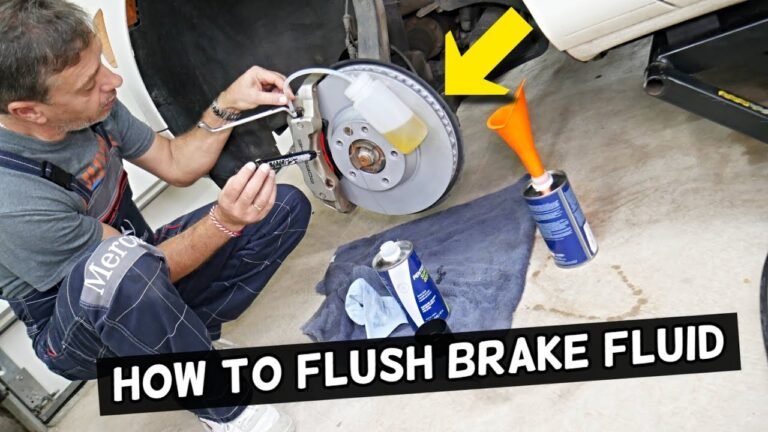
Brake fluid also absorbs moisture over time, so repeated topping off is not the same as replacing contaminated fluid. A proper service uses the vehicle manufacturer’s procedure and the correct fluid specification. Depending on the repair, the system may need bleeding to remove air and confirm a firm, consistent pedal.
For these reasons, a low reservoir should be treated as a clue. The right repair depends on whether the cause is normal component wear, an external leak, air in the lines, contamination, or another brake-system fault.
When Professional Service Is Necessary
Professional brake service is necessary when the reservoir is empty or nearly empty, a leak is suspected, the pedal feels abnormal, or a warning light remains on. It is also the safest choice when the cause of the low level is unclear.
A qualified technician can inspect the pads, shoes, rotors, drums, calipers, wheel cylinders, brake lines, hoses, master cylinder, and related sensors. The technician can also test hydraulic pressure and check whether the system requires bleeding or fluid replacement.
Do not attempt brake repairs without the correct tools, procedures, and support equipment. Brake components are safety-critical, and an incorrectly tightened fitting, contaminated fluid, or incomplete bleeding procedure can leave the vehicle unsafe even if the reservoir appears full.
Conclusion
So, is low brake fluid dangerous? It can be, because it may signal worn brakes, a fluid leak, or air entering the hydraulic system. Check the level and warning signs, but do not treat topping off the reservoir as a repair. If the pedal is soft, the level is falling, fluid is leaking, or braking performance has changed, avoid driving and arrange a professional inspection or tow.