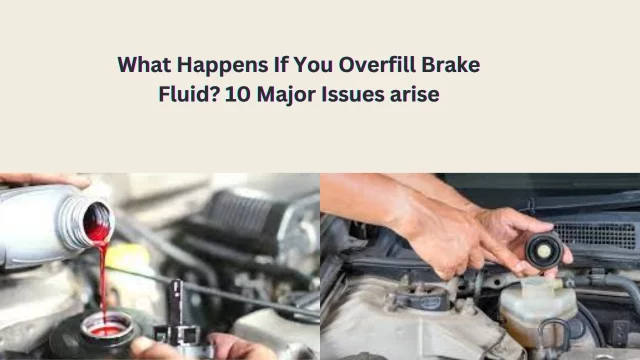
What Is Dot 5 Brake Fluid: Key Facts and Helpful Explanations
DOT 5 brake fluid is a silicone-based hydraulic fluid used in some vehicle braking systems, especially certain classic, specialty, and long-term storage applications. Unlike DOT 3, DOT 4, and DOT 5.1 fluids, it does not use a glycol-ether base and must not be mixed with them.
If you are searching for what is dot 5 brake fluid, the most important answer is this: DOT 5 is a distinct brake-fluid category, not a higher-performance version of DOT 5.1. Its advantages and limitations come from its silicone chemistry, so the vehicle manufacturer’s specification should always determine whether it is appropriate.
What Is DOT 5 Brake Fluid?
DOT 5 brake fluid is a silicone-based brake fluid that meets the performance requirements established for the DOT 5 category. “DOT” refers to the U.S. Department of Transportation performance classification, while the number identifies the fluid’s required properties and chemistry.
In practical terms, DOT 5 transfers pressure from the brake pedal to the master cylinder, brake lines, calipers, and wheel cylinders. When the pedal is pressed, the fluid carries hydraulic pressure through the sealed system so the friction components can slow or stop the vehicle.
DOT 5 is usually colored purple or violet to help distinguish it from other brake fluids. Color alone is not a safe way to identify fluid, however. The label and vehicle service information are more reliable because fluid color can vary with age, brand, or contamination.
How DOT 5 Differs From Other Brake Fluids
The most important difference is the base chemical used:
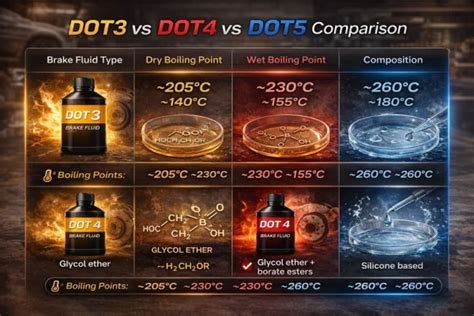
| Fluid type | Base chemistry | Can it mix with DOT 5? |
|---|---|---|
| DOT 3 | Glycol ether | No |
| DOT 4 | Glycol ether | No |
| DOT 5 | Silicone | Only with compatible DOT 5 fluid |
| DOT 5.1 | Glycol ether | No |
DOT 5.1 causes frequent confusion because its name looks almost identical to DOT 5. However, DOT 5.1 is generally glycol-based and belongs with DOT 3 and DOT 4 in terms of compatibility. The “.1” is not a minor revision of silicone DOT 5; it identifies a different type of fluid.
Never choose DOT 5.1 merely because it has a higher number, and never substitute DOT 5 because the label appears similar. The correct fluid is the one specified for the vehicle’s brake system.
Key Properties of DOT 5
It Does Not Absorb Moisture Easily
DOT 3, DOT 4, and DOT 5.1 fluids are hygroscopic, meaning they gradually absorb moisture from the air through microscopic openings, hoses, seals, and the reservoir vent. DOT 5 is generally described as non-hygroscopic because silicone fluid does not readily absorb water throughout its volume.
This property can help DOT 5 retain its boiling performance during storage and may reduce the fluid’s tendency to lower its boiling point as it ages. It does not mean a DOT 5 system is immune to water contamination. Moisture can still enter through the reservoir, service work, condensation, or damaged components.
Because the water does not blend evenly into the silicone fluid, it may collect in low areas of the braking system. That localized water can promote corrosion inside calipers, wheel cylinders, brake lines, or other metal components. Regular inspection remains important even when the fluid itself does not absorb water like glycol fluid.
It Has High Boiling Performance
DOT 5 is designed to resist boiling under the heat generated by braking. The DOT 5 standard includes minimum dry and wet boiling requirements, commonly listed around 260°C (500°F) dry and 180°C (356°F) wet. Actual product performance can vary, and the rating does not mean every vehicle should use silicone fluid.
Boiling brake fluid can create vapor in the hydraulic system. Because vapor compresses more easily than liquid, the brake pedal may feel soft or travel farther than normal. A high boiling point is useful, but correct fluid compatibility, system condition, and proper bleeding are equally important.
It Can Hold Air Bubbles
Silicone fluid can be more difficult to bleed because it tends to suspend small air bubbles. Those bubbles may cause a soft or spongy pedal even when there is no external leak.
Careful service procedures are therefore important. Avoid shaking the container, pouring aggressively, or introducing air through a nearly empty reservoir. If the pedal remains soft after bleeding, the system may still contain trapped air, or another mechanical problem may be present.
Advantages of DOT 5 Brake Fluid
DOT 5 can be useful in a properly designed and maintained system for several reasons:
- It does not readily absorb moisture from the atmosphere.
- It can retain its boiling characteristics during extended storage.
- It generally does not damage automotive paint as aggressively as glycol-based brake fluid, although spills should still be cleaned promptly.
- It can be suitable for some restored, collectible, military, or specialty vehicles when the manufacturer or restoration specifications approve it.
- It can reduce the need for routine fluid replacement caused solely by moisture absorption, though it does not eliminate brake-system maintenance.
These benefits are most meaningful when the entire hydraulic system is designed or prepared for DOT 5. They do not justify pouring silicone fluid into a system that currently contains DOT 3, DOT 4, or DOT 5.1.
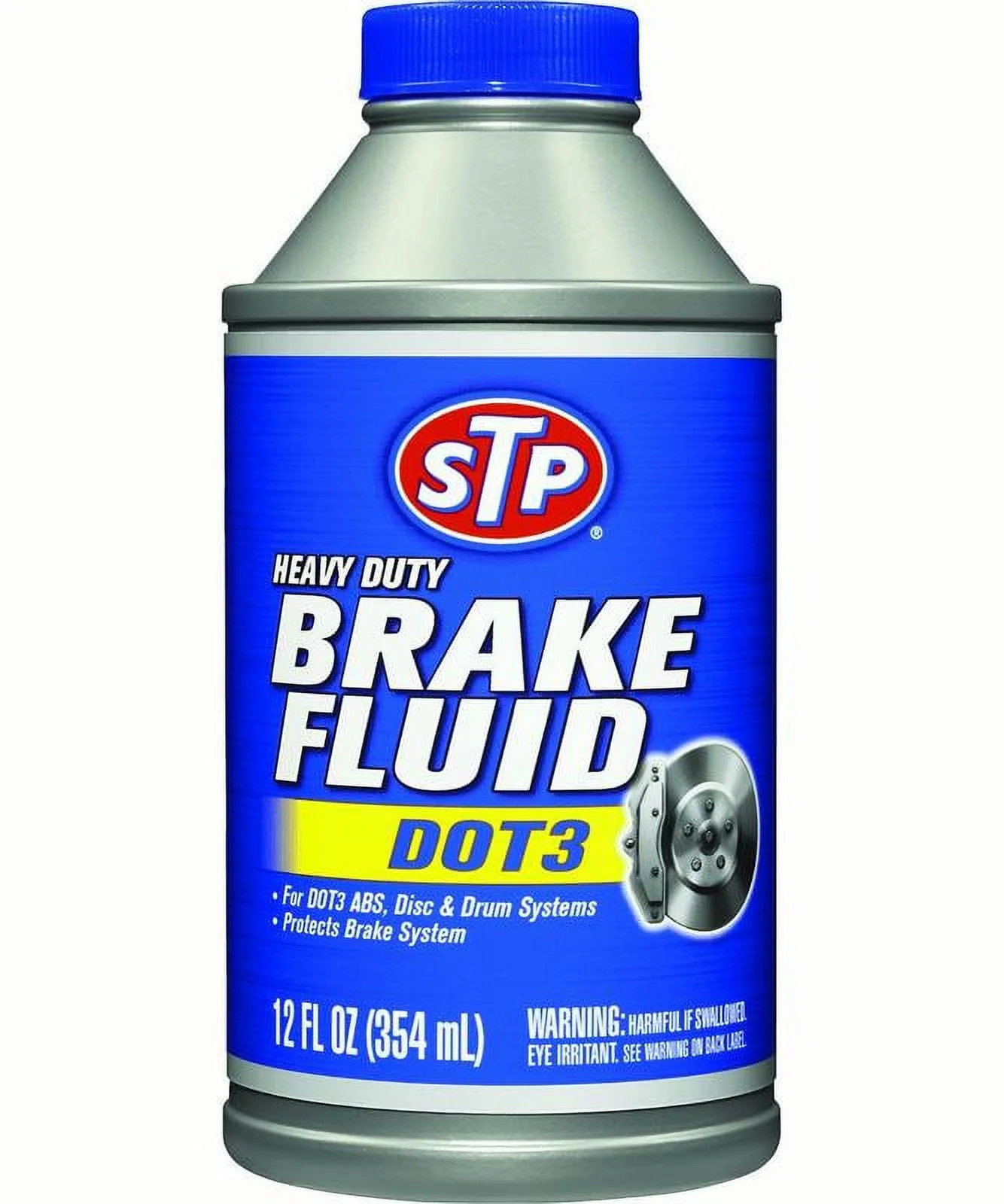
Limitations and Potential Problems
DOT 5 also has characteristics that make it unsuitable for many modern vehicles. Its tendency to retain air can make pedal feel and bleeding more challenging. Silicone fluid may also expand differently with temperature than glycol-based fluid, which can affect reservoir behavior and system operation in certain designs.
Some anti-lock braking systems require particular fluid viscosity and flow characteristics, especially in small passages and rapidly cycling valves. Certain vehicles with ABS may approve DOT 5, while others specifically prohibit it. The presence of ABS is not by itself a complete answer; the service manual or manufacturer’s fluid specification must be checked.
DOT 5 is also not a solution for worn seals, corroded lines, contaminated components, or a leaking master cylinder. Changing fluid cannot repair those faults. A brake system that has been neglected may need new hydraulic parts before a different fluid can be considered.
Can DOT 5 Be Mixed With Other Brake Fluid?
No. DOT 5 should not be mixed with DOT 3, DOT 4, or DOT 5.1. The fluids have different chemical bases and can behave unpredictably when combined. Mixing may lead to poor lubrication, seal problems, degraded fluid performance, or difficult bleeding.
A small amount of the wrong fluid should be treated seriously. Do not assume that adding the correct fluid later will solve the problem. The proper response depends on how much was added and how far the fluid traveled, but it commonly involves draining and thoroughly flushing the system. A qualified brake technician can determine whether hoses, seals, or other components also need replacement.
DOT 5 should also not be confused with mineral-oil hydraulic fluids used in some specialty systems. Mineral oil and silicone brake fluid are different products and are not interchangeable unless the system manufacturer specifically states otherwise.
Changing a System to DOT 5
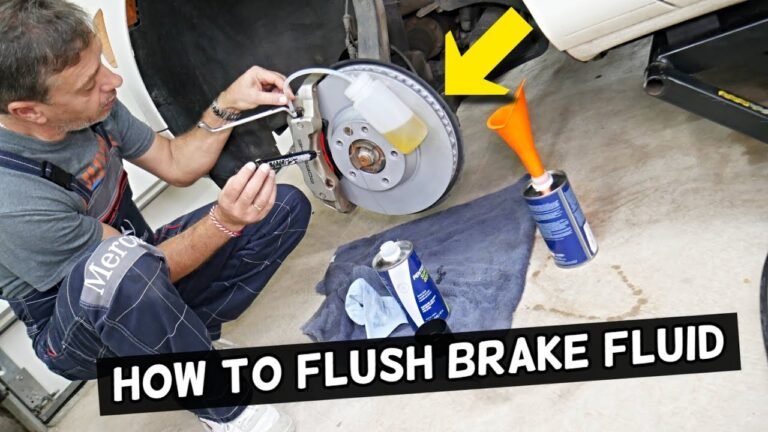
Converting a brake system from glycol-based fluid to DOT 5 is more than draining the reservoir and refilling it. Residual fluid can remain in the master cylinder, hoses, calipers, wheel cylinders, proportioning valves, and ABS hydraulic unit.
- Verify that the vehicle and every major hydraulic component are approved for DOT 5.
- Inspect the system for leaks, corrosion, damaged hoses, and deteriorated seals.
- Remove the existing fluid and flush the system according to the manufacturer’s procedure.
- Replace components that are not compatible, damaged, or too contaminated to clean properly.
- Fill with fresh DOT 5 from a sealed container and bleed the brakes carefully.
- Confirm a firm pedal and check for leaks before driving.
For a new or completely rebuilt system, conversion is usually more straightforward because old fluid is less likely to remain in hidden passages. For an assembled vehicle, the service procedure may require disassembly or special equipment. Following a general internet procedure without considering the specific brake design can leave incompatible fluid trapped inside the system.
Brake work affects vehicle safety. If the correct flushing method, bleeding sequence, or compatibility information is uncertain, professional service is the safer choice.
Maintenance and Storage Tips
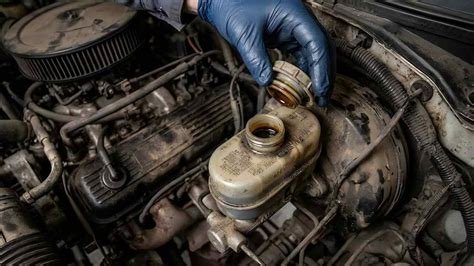
Use only fluid from a sealed container. Brake fluid can become contaminated after opening, and a clean container does not guarantee that the fluid is suitable for the vehicle. Keep the reservoir cap and surrounding area clean so dirt and moisture do not enter the system during service.
Inspect the fluid level, reservoir condition, hoses, fittings, calipers, and wheel cylinders at regular service intervals. Look for leaks, swollen rubber parts, corrosion, and a change in pedal feel. A vehicle that sits for long periods still needs brake inspections because seals can age and moisture can collect in low points.
Store brake fluid in its original labeled container and do not transfer it to an unmarked bottle. Dispose of used fluid according to local hazardous-waste requirements rather than pouring it onto the ground or into a drain.
Conclusion
Knowing what is dot 5 brake fluid means recognizing that it is a silicone-based, moisture-resistant brake fluid with specific advantages and drawbacks. It is not interchangeable with DOT 3, DOT 4, or DOT 5.1, and it should be used only when the vehicle’s braking system is approved for it. Checking the service manual before filling, mixing, or converting the system is the most important step.