What Will Happen If Brake Fluid Runs Out: Overview and Key Facts
If brake fluid runs out completely, the brake system can lose hydraulic pressure, making the brake pedal soft, spongy, or ineffective. In the worst case, the vehicle may not stop normally, creating an immediate crash risk.
If you are asking what will happen if brake fluid runs out, the key issue is that hydraulic brakes need an incompressible fluid to transfer force from the pedal to the wheel brakes. Without enough fluid, air can enter the system and the brake pedal may move with little braking response.
What Happens When Brake Fluid Runs Out?
Pressing the brake pedal normally pushes a piston inside the master cylinder. That piston pressurizes brake fluid, and the pressure travels through brake lines and hoses to the calipers or wheel cylinders. Those components then press the brake pads or shoes against the rotors or drums.
When the reservoir is empty or the system has lost most of its fluid, that pressure transfer is interrupted. Air may replace the missing fluid. Unlike brake fluid, air compresses easily, so part of the pedal movement is absorbed instead of being used to apply the brakes.
The result can include:
- A soft, spongy, or sinking brake pedal
- Much longer stopping distances
- Reduced braking at one or more wheels
- A pedal that reaches the floor with little resistance
- Loss of normal braking ability
A vehicle may still slow down somewhat if part of a dual-circuit brake system remains functional, but that cannot be assumed. Braking performance depends on the vehicle, the failure location, and how much fluid remains. A vehicle with an empty reservoir or an active leak should be treated as unsafe to drive.
Can You Lose All Braking Power?
Yes, losing brake fluid can lead to a near-total or complete loss of service brakes. Many passenger vehicles use two separate hydraulic circuits so that a single failure does not remove every braking function. However, the remaining circuit may provide only limited braking, and stopping distances can increase sharply.
Some vehicles may retain a mechanical parking brake, but it is not a substitute for the main brake system. The parking brake is designed to hold a stationary or parked vehicle and may not safely stop a moving vehicle in normal traffic. Applying it abruptly can also cause a skid or loss of control, especially on a rear-wheel parking-brake system.
Modern vehicles may also show some electronic assistance from systems such as anti-lock braking or electronic stability control. These systems cannot create hydraulic pressure when brake fluid is missing. An illuminated ABS or brake warning light does not mean the vehicle is safe to continue driving.
Warning Signs of Low or Empty Brake Fluid
The first warning may be a red brake warning light or a message on the instrument panel. Depending on the vehicle, the same warning can indicate low fluid, a parking brake that is still engaged, or another brake-system problem. The owner’s manual can identify the meaning of the specific warning.
Other common signs include a pedal that feels softer than usual, a pedal that slowly sinks while held, or a need to press the pedal farther before the vehicle slows. The vehicle may pull to one side if braking force is uneven, although pulling can also result from other brake or suspension faults.
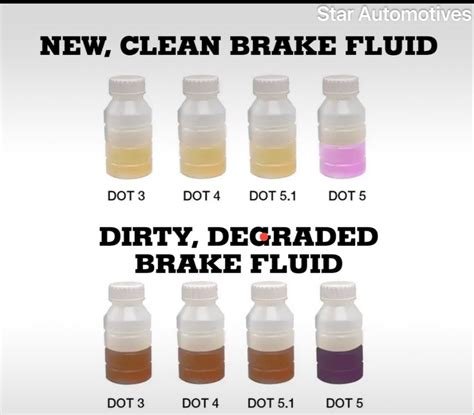
A visible fluid leak is another serious warning. Brake fluid may appear near a wheel, along a brake line, beneath the master cylinder, or under the vehicle. It is often clear to amber when fresh, but its appearance varies with age and contamination. Do not identify a suspected leak by touching an unknown fluid with bare skin.
Low fluid without an obvious puddle still requires attention. The fluid level can fall as brake pads wear because the caliper pistons move farther outward. A small drop may therefore relate to pad wear, but a reservoir that is very low or empty can indicate a leak or another major fault.
Why Does Brake Fluid Run Out?
Brake fluid does not normally get consumed like fuel or engine oil. If the reservoir is empty, the system has lost fluid somewhere or the level has dropped because of brake-component movement and wear. An empty reservoir should never be treated as a routine maintenance condition.
Hydraulic leaks
A leak can develop in a flexible brake hose, a metal brake line, a caliper, a wheel cylinder, the master cylinder, or a connection between components. Corrosion, physical damage, worn seals, and loose or damaged fittings can all allow fluid to escape.
Leaks may be gradual or sudden. A gradual leak can first cause a low-fluid warning and a soft pedal. A sudden line or hose failure can release fluid quickly and cause a major loss of braking pressure while driving.
Worn brake components
As disc brake pads wear, the caliper pistons extend farther to maintain contact with the rotor. This can lower the reservoir level. Drum brake shoes can create related changes in wheel-cylinder position. Normal wear should not empty the reservoir, however. A very low level still needs professional inspection before more fluid is added.
Incorrect service or contamination
Using the wrong fluid, overfilling, leaving a cap loose, or failing to bleed the system correctly can create additional problems. Brake fluid can also absorb moisture over time, which reduces its quality and may contribute to corrosion or poor performance. These issues do not usually explain a suddenly empty reservoir by themselves, but they can make the system unsafe.
What Should You Do Immediately?
If the brake pedal suddenly becomes soft or the brake warning light comes on while driving, reduce speed carefully and look for a safe place to stop. Use the brakes gently rather than repeatedly pumping the pedal at high speed. If pumping temporarily restores pedal firmness, the system still has a serious fault and should not be considered repaired.
Once stopped, keep the vehicle parked. Turn on the hazard lights if the location creates a traffic risk, and move away from moving traffic only when it is safe. Do not continue driving to a repair shop just because the vehicle can still stop.
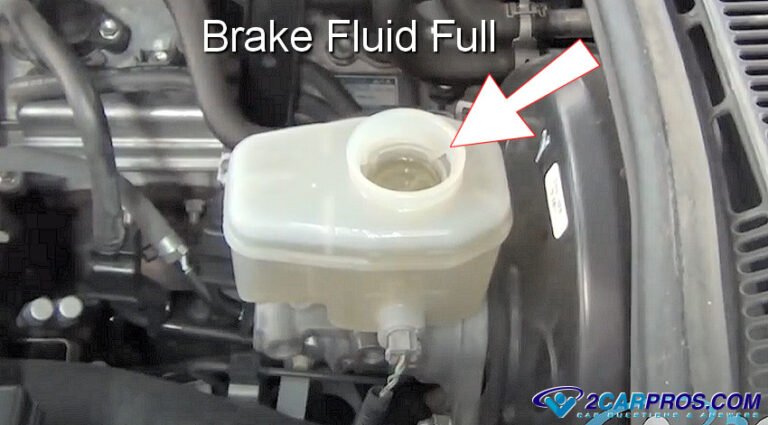
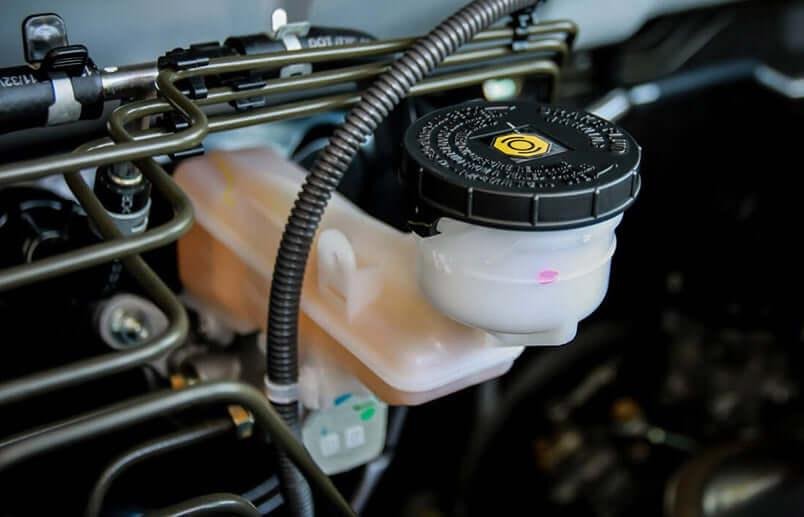
Check whether the parking brake is released and look at the brake-fluid reservoir only if doing so is safe. The reservoir is usually located in the engine compartment near the master cylinder, but its location varies. Do not open it near dirt or moisture, and do not use an unidentified fluid.
If the reservoir is empty, the pedal reaches the floor, or fluid is visibly leaking, arrange a tow to a qualified repair facility. Towing is safer than adding fluid and attempting to drive. A professional must locate the leak, inspect the affected components, restore the correct fluid level, and bleed air from the system.
Should You Add Brake Fluid?
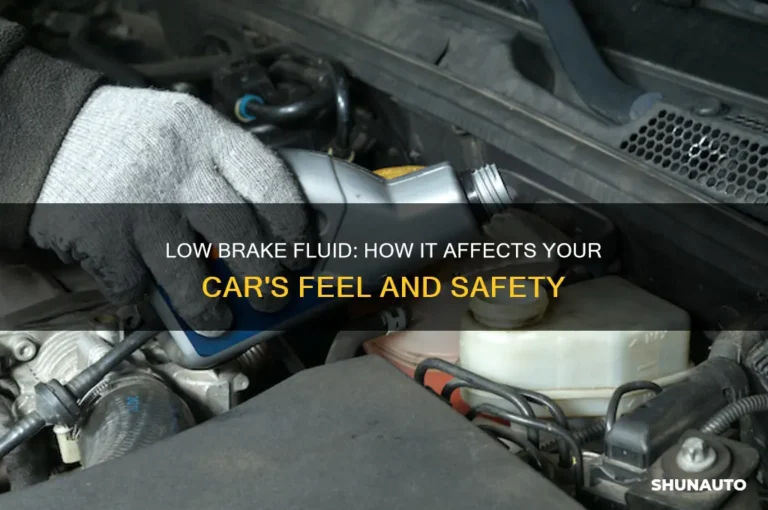
Adding the correct brake fluid may be appropriate as a temporary diagnostic or maintenance step when the level is slightly below the marked range and there is no sign of a serious fault. The reservoir cap or vehicle owner’s manual identifies the required specification. Different vehicles may require different types, and the wrong product can damage seals or affect braking performance.
Adding fluid is not a repair for an empty reservoir. It can hide the warning temporarily while fluid continues to escape. If air entered the hydraulic system, simply refilling the reservoir will not remove that air. The system generally needs inspection and proper bleeding after the underlying problem is corrected.
Do not fill beyond the reservoir’s maximum mark. Brake fluid can damage painted surfaces, so wipe spills promptly with appropriate care. Keep dirt, water, oil, and other fluids away from the open reservoir.
Why Brakes May Not Work After Refilling
Refilling the reservoir does not automatically restore safe braking. Air trapped in brake lines remains compressible, so the pedal may stay soft even when the reservoir contains fluid. A leak can also continue to lower the level and prevent pressure from building.
Other damaged components may contribute to a low or sinking pedal, including the master cylinder, brake caliper, wheel cylinder, brake hose, or metal line. Worn pads, shoes, rotors, or drums can also affect pedal travel and braking performance, although they do not all cause fluid loss.
A proper repair usually requires more than topping off the reservoir. The technician may need to:
- Find and repair the source of the fluid loss
- Inspect brake lines, hoses, calipers, wheel cylinders, and the master cylinder
- Check the pads, shoes, rotors, and drums for wear or contamination
- Fill the system with the specified brake fluid
- Bleed the hydraulic system to remove trapped air
- Test pedal firmness and braking performance before returning the vehicle to service
If brake fluid reached friction surfaces such as brake pads or shoes, those parts may need replacement because contamination can reduce friction and make braking unpredictable.
Can You Drive With Low Brake Fluid?
Driving with low brake fluid is risky, particularly if the brake warning light is on or the pedal feels different. A slightly low reservoir does not reveal the full condition of the system. It may reflect pad wear, but it may also signal an active leak that could worsen without warning.
Do not drive if the reservoir is empty, the brake pedal feels soft or sinks, the vehicle needs unusually long distances to stop, or fluid is leaking. Do not rely on cruise control, ABS, or the parking brake to compensate for a hydraulic brake failure.
If the level is only slightly low and the pedal feels completely normal, the vehicle still needs prompt inspection. The safest choice is to have a qualified technician evaluate it before regular driving, especially if the fluid level has changed quickly or a warning light appeared.
How Serious Is an Empty Brake Reservoir?
An empty reservoir is a serious safety problem even if the vehicle is stationary and the brake pedal still appears to work. It means the system does not contain the expected amount of hydraulic fluid, and air or a significant leak may be present.
The seriousness depends on the cause. A worn brake pad may explain a gradual level change, while a ruptured hose or corroded line can cause rapid fluid loss. A failed master cylinder can also prevent proper pressure from reaching the brakes. Because these causes cannot be confirmed safely by appearance alone, an empty reservoir requires professional diagnosis.
Do not assume that a vehicle is safe because it stops once in a driveway or because the warning light turns off after adding fluid. Brake performance can deteriorate during the next application, and a leak may become worse under pressure.
Conclusion
Knowing what will happen if brake fluid runs out comes down to hydraulic pressure: the pedal may become soft, braking may be greatly reduced, and the vehicle may fail to stop safely. An empty reservoir, warning light, visible leak, or changed pedal feel should be treated as an emergency. Stop driving, avoid relying on a fluid top-off, and have the vehicle towed for inspection, repair, and proper brake-system bleeding.