How Long Does Brake Caliper Paint Take to Dry Essential Guide
Brake caliper paint usually becomes touch-dry in about 30 minutes to 1 hour, but it often needs 2 to 4 hours before careful handling and roughly 24 hours to cure before normal driving. The exact time depends on the product, coat thickness, temperature, humidity, and airflow.
If you are asking how long does brake caliper paint take to dry, the safest answer is to separate “dry to the touch” from “fully cured.” A caliper may feel dry on the surface while the lower layers are still soft, so following the paint manufacturer’s recoat and driving instructions matters more than a general time estimate.
How Long Does Brake Caliper Paint Take
Most brake caliper paints follow a drying schedule similar to this:
- Surface dry: About 30 minutes to 1 hour.
- Ready for another coat: Commonly 10 minutes to 1 hour, depending on the product.
- Safe to handle carefully: Usually 2 to 4 hours after the final coat.
- Ready for driving: Often after 24 hours, unless the label gives a different instruction.
- Fully cured: Frequently 24 to 48 hours, with some products curing further through controlled brake heat.
These are practical ranges, not universal rules. A two-part caliper coating, aerosol paint, brush-on enamel, and high-temperature paint can all have different cure requirements. The instructions printed on the container should take priority over any general estimate.
Drying Versus Curing
Drying means the paint solvent has evaporated enough for the surface to stop feeling wet or tacky. Curing is the longer chemical or heat-assisted process that gives the coating its final hardness, adhesion, and resistance to brake heat.
This distinction is important because a caliper can appear dry while remaining vulnerable to fingerprints, tool marks, brake dust, moisture, and road debris. Pressing a fingernail into the coating is not a reliable test, and repeatedly touching the surface can damage a finish that has only dried on top.
For a durable result, allow the full stated cure time after the last coat. If the product requires heat to complete curing, use only the method described by the manufacturer. Do not assume that normal driving or an aggressive braking session is a safe substitute.
What Affects Brake Caliper Paint Drying Time?
Temperature
Temperature has a direct effect on evaporation and curing. Most coatings perform best in a moderate indoor temperature range, often around 60 to 80 degrees Fahrenheit. Cold conditions slow drying and can leave the finish soft or sticky for much longer than expected.
Painting in direct sunlight can also create problems. The exposed surface may dry quickly while the paint underneath remains wet. That can trap solvent, cause wrinkling, or produce uneven gloss. A shaded, temperature-controlled area is generally more predictable.
Humidity
High humidity slows evaporation and may cause a coating to remain tacky. Moisture can also affect the appearance of some paints, especially when the surface temperature is low. If the air feels damp, allow additional time rather than relying on the minimum drying period printed on the label.
Coat thickness
Thin, even coats dry more consistently than one heavy coat. A thick application holds solvent beneath the surface, so the outside may feel dry while the underlying paint remains soft. Heavy coats are also more likely to sag, wrinkle, crack, or retain fingerprints.
Several light coats normally produce a more even finish and a more predictable cure. Follow the product’s recommended flash time between coats instead of applying the next layer as soon as the surface feels slightly dry.
Airflow and ventilation
Good ventilation helps carry away solvent vapors, but strong airflow aimed directly at wet paint can dry the surface too quickly and create an uneven finish. Keep the work area ventilated without using excessive heat or a high-speed fan directly on the caliper.
Paint type
Aerosol caliper paint may dry quickly between thin coats but still require a full day or longer to harden. Brush-on coatings can be thicker and may take longer to cure. Two-part coatings that use a hardener often have a specific working time and a separate cure schedule.
Do not compare the drying time of one brand or formula with another. Even products marketed for the same high-temperature application may use different solvents, resins, and application instructions.
How to Help Caliper Paint Dry Properly
- Read the label first. Check the recommended temperature, humidity, number of coats, recoat window, and minimum time before driving.
- Prepare the caliper completely. Remove loose rust, brake dust, grease, and flaking material before painting. Paint does not bond reliably to contamination or loose corrosion.
- Let the surface dry. After cleaning, wait until the caliper is completely free of moisture and cleaning residue.
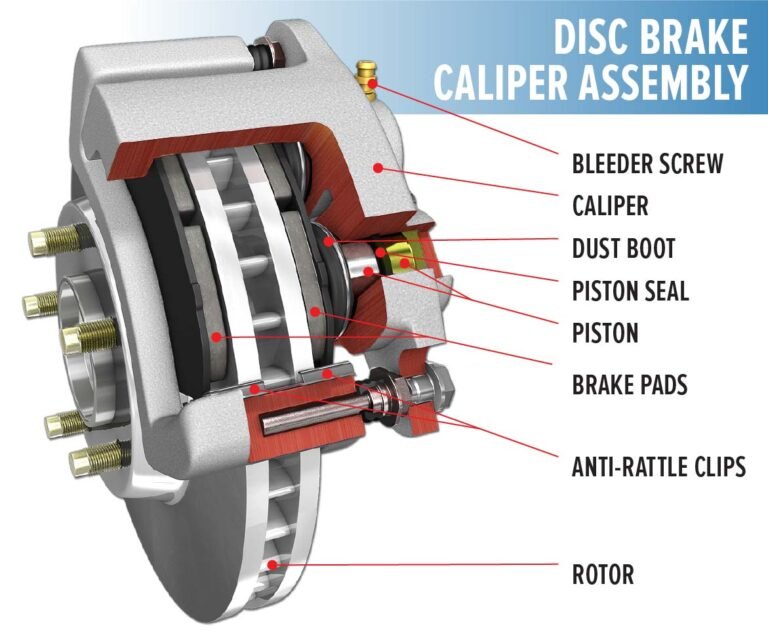
- Mask carefully. Keep paint away from the brake rotor, brake pads, pad contact points, bleeder screw, piston boot, slide pins, rubber components, and hydraulic connections.
- Apply light coats. Hold the spray can or brush at the recommended distance and avoid flooding edges, bolts, casting seams, or recessed areas.
- Observe the recoat window. Apply the next coat only when the product says it is ready. Recoating too soon can soften the first layer; waiting too long may require additional preparation.
- Allow the final coat to cure. Keep the vehicle stationary for the full required period before reassembling or driving.
Before painting, the caliper should be cool to the touch. Applying coating to a hot brake component can cause rapid solvent release, poor adhesion, and an uneven finish. Painting immediately after driving also creates a burn and vapor hazard.
When Can You Drive After Painting Calipers?
The conservative answer is to wait at least 24 hours after the final coat unless the manufacturer specifies a different minimum. A coating that is dry enough to touch may still be too soft for wheel installation, road moisture, brake dust, or normal brake heat.
If the product permits earlier use, the first drive should still be gentle. Avoid repeated hard stops, towing, steep mountain descents, or other conditions that create unusually high brake temperatures until the coating has reached its stated cure level.
Wheel installation also deserves care. A socket, lug wrench, or wheel edge can scrape fresh paint even when it no longer feels sticky. If the wheel must be installed before the full cure is complete, use extra caution and avoid dragging the wheel across the caliper.
After the vehicle is back in service, inspect the finish when the brakes are completely cool. Minor solvent odor during the first heat cycles may occur with some products, but smoke, bubbling, peeling, or an unusual burning smell indicates that the vehicle should be stopped and inspected.
How to Tell If Caliper Paint Is Dry
A dry surface typically has no visible wet spots, does not transfer color to a clean, light touch, and no longer feels tacky. The coating should look consistent rather than glossy in isolated wet patches. These signs indicate surface dryness only, not complete curing.
Do not test fresh paint with a hard object, fingernail, screwdriver, or metal tool. A simple touch test can also leave an imprint. The safest approach is to use the product’s published time and add extra time when conditions are cold, humid, poorly ventilated, or when the coats were heavier than recommended.
If the coating remains soft or sticky after the stated drying period, do not add another coat. The likely causes include excessive thickness, low temperature, high humidity, surface contamination, incompatible products, or an expired coating. Allow more time in suitable conditions. If it still does not harden, the affected paint may need to be removed and reapplied correctly.
Common Drying Mistakes
Applying one thick coat
A thick coat may appear efficient, but it usually increases the total cure time. It can also hide wet areas beneath a hardened skin. Multiple light coats are easier to control and less likely to run or wrinkle.
Painting over grease or brake dust
Contamination prevents proper bonding. The paint may dry on top but peel when the caliper heats and cools. Cleaning and surface preparation are part of the drying result because a poorly bonded coating cannot cure into a durable finish.
Using heat to speed the process
Heat guns, open flames, and improvised heaters can damage rubber parts, ignite solvent vapors, or cure the surface unevenly. Unless the instructions specifically describe controlled heat curing, let the paint dry naturally in a ventilated area.
Ignoring the recoat window
Some products require the next coat within a short period, while others require the previous coat to dry for several hours. Applying a coat outside that window can cause wrinkling, lifting, or prolonged softness. The label’s recoat directions are as important as its final cure time.
Driving based only on touch dryness
Touch dryness does not confirm that the coating can withstand wheel installation, water, road debris, or braking heat. Waiting for the stated minimum drive time is the simplest way to protect the finish.
Best Practical Drying Schedule
For a typical caliper-paint project in moderate conditions, plan the work so the final coat can remain undisturbed overnight. Apply the first coat, wait for the specified recoat period, apply the remaining light coats, and then leave the calipers alone for at least 24 hours.
In cooler or humid conditions, add several hours or wait a full extra day. If the vehicle is needed immediately, rushing the process creates a greater risk of damaged paint than the time saved. A longer cure is especially sensible when the coating was applied with a brush, the finish is thick, or the caliper has detailed recessed areas.
Always treat the manufacturer’s instructions as the controlling schedule. The label may specify a different minimum driving time, a required heat cycle, or a maximum period between coats. Those details are based on the formula and cannot be replaced by a generic drying estimate.
Conclusion
So, how long does brake caliper paint take to dry? Expect about 30 minutes to 1 hour for surface dryness, several hours before careful handling, and about 24 hours before driving in many cases. Because temperature, humidity, coat thickness, and paint formula can change the result, the safest plan is to follow the product label, apply thin coats, and allow extra cure time whenever conditions are less than ideal.