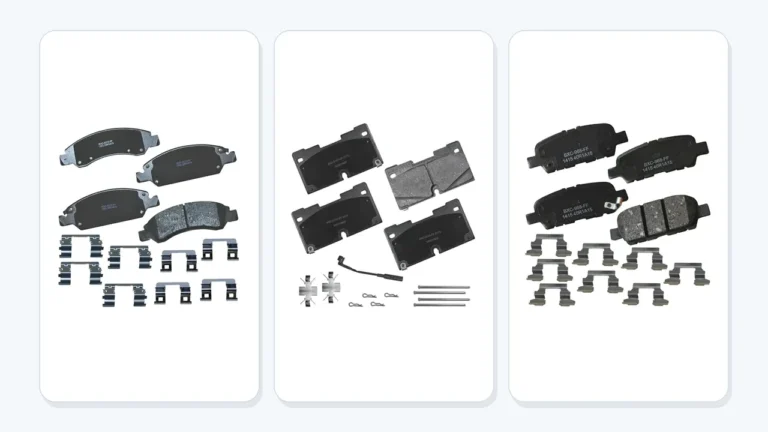
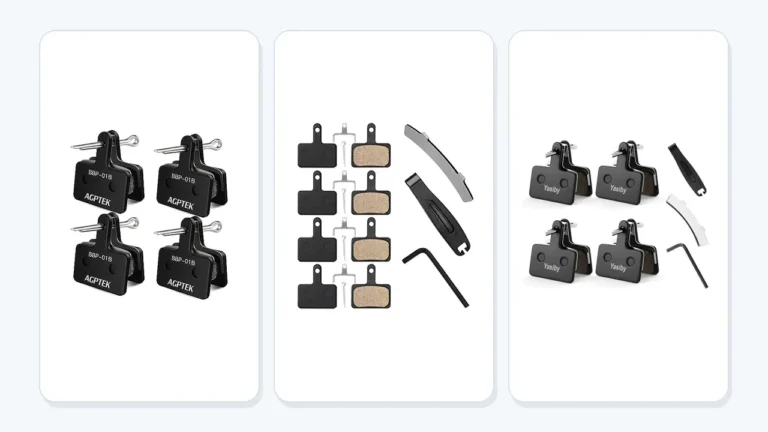
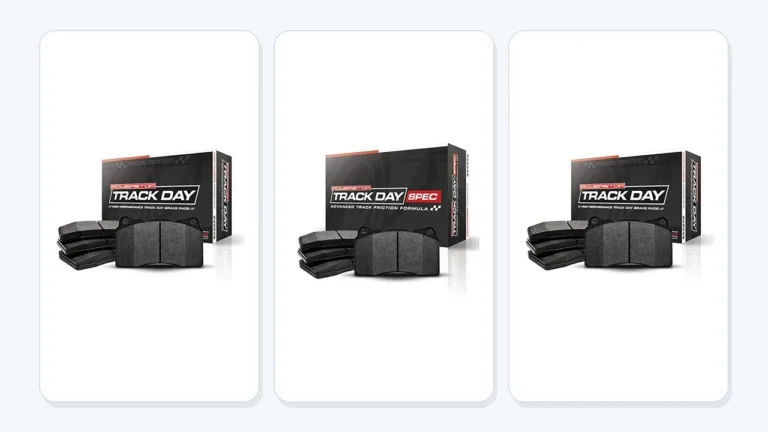
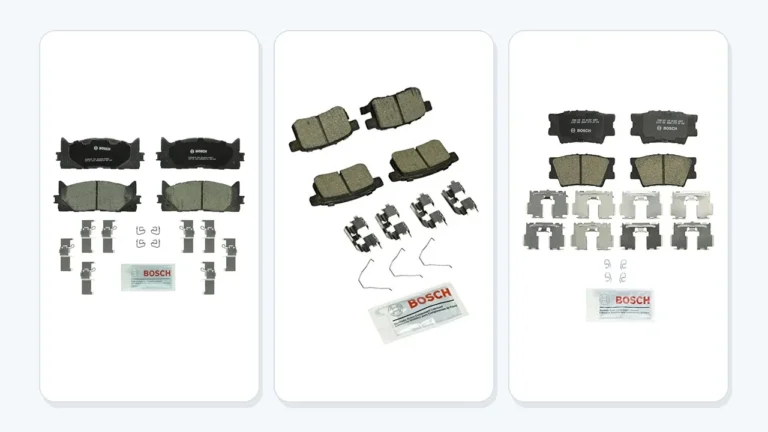
5 Best Brake Pads for Winter That Grip Hard in Cold, Wet and Snow
As an Amazon Associate, we earn from qualifying purchases made through links in this post, at no extra cost to you.
Buy the wrong brake pads and the problem can show up as squealing, weak stopping, fast wear, or a pad that simply does not fit the caliper. Winter adds water, road grit, cold temperatures, and snow to the mix, so a rushed purchase can leave you redoing the job when you need dependable braking most.
Brake material matters because resin, ceramic, and sintered compounds react differently to noise, rotor wear, heat, and wet grit. Fit matters even more: a pad can look close and still have the wrong shape, backing plate, or caliper match, while vehicle use determines whether a light-duty or heavy-duty compound makes sense.
Here is what the guide covers:
- How pad materials behave in cold, wet, muddy, and snowy conditions.
- Which fitment details to confirm before ordering.
- How to bed in new pads without wasting the first ride or drive.
- How to spot wear, protect the rotor, and avoid common installation mistakes.
Quick Picks
-
Best For Wet Bike Commutes

Hardheaded Ram Sintered Bike Brake Pads for
Sintered material resists heat, grit, and wet-weather wear for Formula Cura 4 bike brakes used through rough conditions.
-
Best For Polaris Snowmobiles

SPI 05-152-51; (Pair) Brake Snowmobile Pads Polaris
Pair of replacement brake pads suits select Polaris snowmobiles, provided the vehicle fit and brake system match.
Top 5 Brake Pads for Winter at a Glance
Hardheaded Ram deserves the first look from Formula Cura 4 bike and e-bike riders who deal with wet grit, mud, and repeated braking. SPI is aimed at a much narrower group, while TEKTRO E10.11, Bendix SBC2173, and PowerStop Z36 serve different vehicle and riding needs, so fitment separates these choices more than brand name does.
| Product image | Product name | Check product |
|---|---|---|
| 1 |
Hardheaded Ram Sintered Bike Brake Pads for | Check Price |
| 2 |
SPI 05-152-51; (Pair) Brake Snowmobile Pads Polaris | Check Price |
3 |
TEKTRO E10.11 Disc Brake Pads, Resin Compound | Check Price |
4 |
Bendix Premium SBC2173 Ceramic Front Brake Pads | Check Price |
5 |
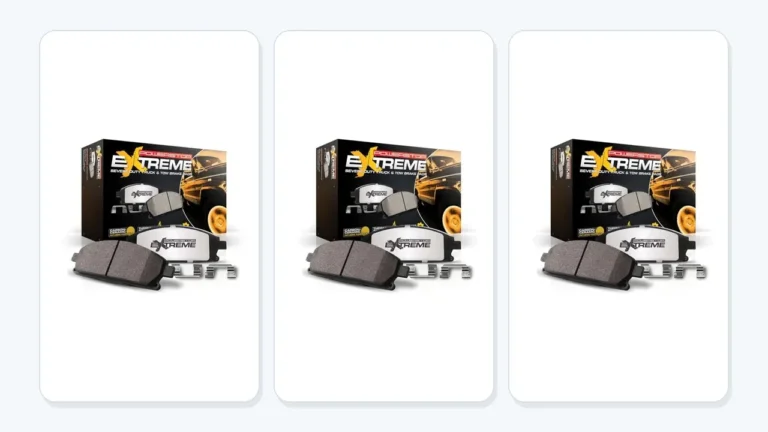
PowerStop Z36 Truck & Tow Brake Pads | Check Price |
5 Best Brake Pads for Winter: Detailed Reviews
When I chose the best brake pads for winter, I paid attention first to exact fit, friction material, heat control, and the kind of vehicle or bike each pad serves. Those details help prevent the three expensive headaches beginners know well: buying the wrong shape, losing braking feel in poor weather, or wearing through pads and rotors too quickly.
The group covers bike brakes, snowmobile brakes, passenger vehicles, and truck or SUV use rather than one universal pad type. Side-by-side reading helps you separate a useful winter match from a pad that may be well made but belongs on a completely different machine.
1. Hardheaded Ram Sintered Bike Brake Pads for
Sintered material resists heat, grit, and wet-weather wear for Formula Cura 4 bike brakes used through rough conditions.
- Color2 Pair Sintered
- SizeStandard
- Number Of Items2
- WeightNot listed; check details
Hardheaded Ram Bike Pads suit Formula Cura 4 four-piston bike brakes used by commuters, gravel riders, mountain bikers, and e-bike owners in wet or gritty conditions.
Sintered material for dirty weather
Sintered material uses metallic particles fused together under high heat. That construction gives Hardheaded Ram Bike Pads more resistance to repeated heat, mud, and grit than a basic organic pad, so riders who brake often in messy weather may spend less time replacing worn pads.
The trade-off is a longer bed-in period and more initial noise than resin pads. That matters if a quiet neighborhood ride matters more to you than long wear in rain and grit.
Formula Cura 4 fitment
The pad shape is listed for Formula Cura 4 Piston calipers and includes part numbers FD40186-10, FD40187, BFD531G1554, and FD531G1554T. A part number is the identifier used to match a replacement to a particular brake system, so checking your existing pad or caliper against those numbers is the safest buying step.
Hardheaded Ram Bike Pads are supplied as one pair for one caliper, according to the feature text. A bike with front and rear calipers may need two pairs, and a clean or new rotor can help the new pads bed in more evenly.
What to watch
Sintered pads can be louder at first and may feel different during bed-in than resin pads. Hardheaded Ram Bike Pads also make sense only when the Formula Cura 4 fit is correct, so a similar-looking pad for another brake family is not a safe substitute.
Pros:
- Sintered compound resists heat, mud, and gritty riding conditions.
- Built for Formula Cura 4 four-piston calipers.
- Listed part numbers make fit checking more direct.
- Suitable for wet commuting, gravel, mountain, and e-bike use.
- One pair covers one caliper for a clear replacement quantity.
Cons:
- Longer bed-in than resin brake pads.
- More initial noise than organic compounds.
- One pair may not cover both bike calipers.
- Formula Cura 4 fitment must be confirmed before purchase.
Buy it if: you ride a Formula Cura 4-equipped bike through wet grit, because the sintered compound is built for heat and rough weather.
Skip it if: you need quiet resin pads or have a different caliper family, because a quieter compound or exact alternate fit would suit you better. For another fit, consider Spi or Tektro.
I’d pick Hardheaded Ram Bike Pads for a Formula Cura 4 winter commuter who values wear resistance over whisper-quiet braking. The material choice directly addresses rain, mud, and grit, which are harder on organic pads. Double-check the caliper and part number before buying, and remember that one pair serves one caliper.
This is the clearest match for messy bike riding among the five choices.
2. SPI 05-152-51; (Pair) Brake Snowmobile Pads Polaris
Pair of replacement brake pads suits select Polaris snowmobiles, provided the vehicle fit and brake system match.
- Number Of Items2
- WeightNot listed; check details
- DimensionsNot listed; check details
- MaterialNot listed; check details
SPI Snowmobile Pads suit a Polaris snowmobile owner who needs a pair of replacement brake pads and can confirm the exact vehicle fit.
Application comes first
The listing identifies these pads as a pair for Polaris snowmobiles, but the available information does not name a specific Polaris model or brake system. That makes the vehicle year, model, trim, and existing pad shape especially important before ordering.
A snowmobile sees a different mix of cold, moisture, vibration, and packed snow than a street car or bicycle. SPI Snowmobile Pads may be the right type for a matching Polaris application, but the short feature information does not support a broader fit claim.
Pair quantity
The technical information lists two items. That tells you the package quantity, not every detail about axle coverage or whether the pair serves one caliper or a complete braking setup.
Check the seller fit chart and compare the old pads before installation. If the backing plate, holes, tabs, or friction surface differ, stop before forcing the pads into place.
What to watch
The available details do not state the compound, noise level, heat behavior, bed-in instructions, or warranty. Those missing details are not automatic faults, but they mean a Polaris owner should verify more information than a buyer choosing a pad with a clearly named material.
Pros:
- Listed as a replacement pair for Polaris snowmobiles.
- Two items are included in the stated package quantity.
- Snowmobile-specific application is clearer than a generic pad listing.
- Useful starting point for a matching Polaris brake system.
Cons:
- Specific Polaris model fit is not listed here.
- Friction compound is not identified.
- Heat, noise, and bed-in details are not stated.
- Axle or caliper coverage needs confirmation.
Buy it if: you own a compatible Polaris snowmobile, because the listing identifies the application and includes a pair of pads.
Skip it if: you cannot confirm the snowmobile year and brake fit, because a pad with clearer vehicle matching would suit you better. Hardheaded and Tektro are worth a closer look instead.
SPI Snowmobile Pads earn second place because the application is relevant to winter machines, yet the fit information is thin. The pair quantity is useful, but material and heat details would make the buying decision easier. Check the exact Polaris model, year, caliper, and pad shape before spending money.
This choice belongs with a careful snowmobile owner, not a bicycle or road-car buyer.
3. TEKTRO E10.11 Disc Brake Pads, Resin Compound
The catalog lists OPTIMIZED STOPPING POWER: Designed for reliable and consistent braking performance, the TEKTRO E10.11 brake pa. Compare fit and care needs before choosing.
- ColorBlack
- Size10
- Number Of Items1
- OPTIMIZED STOPPING POWERDesigned for reliable and consistent braking performance, the TEKTRO E10.11 brake pads deliver smooth modulation an
TEKTRO E10.11 Pads suit riders with a compatible Tektro, TRP, or listed hydraulic disc brake system who want resin pads for smooth everyday braking.
Resin compound for controlled braking
Resin compound uses an organic friction material rather than a metal-heavy sintered formula. TEKTRO E10.11 Pads are described as reducing noise and rotor wear while giving smooth braking, which can appeal to road, commuter, and recreational riders who prefer a calm lever feel.
Resin pads can be a sensible choice for ordinary riding, but winter mud, long descents, and repeated heavy braking can place more heat and wear demands on any organic compound. Keep the riding pattern in mind instead of treating “resin” as automatically better or worse.
Listed brake compatibility
The feature text names HD-T280, HD-T281, HD-T3020, HD-T3021, HD-T275, HD-T276, HD-E3520, and HD-J2820 systems, along with select TRP, Tektro, and Shimano brakes. A compatible family is the brake maker and series that share a matching pad shape and caliper design.
That list gives a useful place to start, but it is not permission to guess. Match the exact brake model and compare the old pad before ordering, especially when a bike has been upgraded or bought secondhand.
Heat and installation claims
TEKTRO E10.11 Pads are described as handling high temperatures and helping reduce fade on long descents. Fade means braking force drops after the brake gets too hot, so heat control matters on steep roads and loaded bikes.
The listing also describes a quick replacement process without specialized tools. You still need a clean work area, the correct retaining hardware, and careful rotor handling, because grease on the friction surface can ruin braking performance.
What to watch
Resin pads may not be the first choice for constant mud, deep grit, or heavy downhill use. The title says “select” systems, so the exact Tektro or TRP match matters more than the general brand name.
Pros:
- Resin compound supports smooth, quiet everyday braking.
- Designed for select Tektro and TRP hydraulic systems.
- Listed compatibility includes several HD-series brake models.
- Resin material can reduce rotor wear.
- Heat handling supports braking on long descents.
Cons:
- Select fitment requires exact brake-model checking.
- Resin may wear faster in severe grit and mud.
- Compound is less suited to every heavy-duty winter use.
- One listed item may not cover every bike caliper setup.
Buy it if: you have a listed Tektro or TRP system and want quieter resin braking, because the compound is aimed at smooth everyday control.
Skip it if: your rides involve constant mud and severe heat, because a sintered bike pad would suit that abuse better. If those trade-offs rule it out, Hardheaded or Spi may suit you better.
I’d choose TEKTRO E10.11 Pads for a rider whose winter means cool roads and occasional wet weather rather than deep mud every weekend. The resin compound should appeal to anyone tired of sharp noise and excess rotor wear. Confirm the exact brake series and check whether one package covers the caliper you are servicing.
This is the sensible comfort-oriented bike choice when the fit matches.
4. Bendix Premium SBC2173 Ceramic Front Brake Pads
The catalog lists DIRECT OE REPLACEMENT – Bendix Premium Ceramic Brake Pads are engineered to OE specifications for precise fit. Compare fit and care needs before choosing.
- ColorMetallic
- Number Of Items1
- WeightNot listed; check details
- DimensionsNot listed; check details
Bendix SBC2173 Pads suit owners of select Cadillac, Chevrolet, and GMC vehicles who need front ceramic pads and can confirm the listed vehicle fit.
Ceramic material for cleaner daily driving
Ceramic brake material uses a ceramic-based friction formula designed to reduce dust and noise compared with conventional pad materials. Bendix SBC2173 Pads are listed for smoother braking and cleaner wheels, which can matter to a driver who spends most time commuting or running errands.
Less visible dust does not mean no cleaning or no wear. Brake dust also depends on the rotor, caliper condition, driving style, road grit, and weather, so treat the ceramic design as a useful feature rather than a promise of spotless wheels.
Front fitment for large vehicles
The listing names select Cadillac Escalade and Escalade ESV, Chevrolet Silverado 1500, Suburban, and Tahoe, plus GMC Sierra 1500, Yukon, and Yukon XL vehicles. The listed years vary by vehicle, including Silverado 1500 from 2019 through 2026 and Yukon from 2021 through 2024.
Those details make fit checking essential because large vehicles can have different brake packages within the same nameplate. Confirm the exact year, trim, front axle, and existing pad shape before ordering.
Consistent response
Bendix SBC2173 Pads are described as being engineered to OE specifications. OE means original-equipment style dimensions and performance targets, but the phrase does not remove the need to confirm the vehicle application.
The feature text also describes resistance to fade and dependable response for everyday driving. That makes this pad more naturally suited to normal road use than repeated towing or extreme downhill work unless the vehicle and brake package are specifically confirmed for that demand.
What to watch
The available technical details identify the color as metallic even though the title and features describe ceramic construction. Do not use color as a substitute for the fit number or vehicle match, since appearance is not a reliable brake-pad identification method.
Pros:
- Ceramic formula is designed to reduce noise and dust.
- Listed for select Cadillac, Chevrolet, and GMC vehicles.
- Front brake application is clearly identified.
- OE-style design supports direct replacement planning.
- Fade resistance suits ordinary daily driving.
Cons:
- Fit varies by vehicle year and brake package.
- Vehicle confirmation is required before purchase.
- Front pads do not replace rear pads.
- Ceramic material is not proof of suitability for towing.
Buy it if: you drive a listed GM vehicle for daily road use, because the ceramic formula targets quieter braking and reduced dust.
Skip it if: you need rear pads or cannot confirm the front brake package, because a correctly matched axle-specific pad would suit you better.
Bendix SBC2173 Pads make sense for a GM truck or SUV owner who wants a straightforward daily-driver replacement. The ceramic design addresses two common annoyances, noise and dirty wheels, while the OE-style fit aims to keep installation familiar. Check every fitment field before buying, since a similar vehicle name can hide a different brake package.
This is the road-car choice for ordinary commuting, not a universal winter pad.
5. PowerStop Z36 Truck & Tow Brake Pads
The catalog lists PLEASE CONFIRM YOUR FITMENT: Using the Amazon Confirmed Fit bar at the top of the page or check the Product De. Compare fit and care needs before choosing.
- ColorStainless-Steel
- Size1 Count (Pack of 1)
- Number Of Items1
- UPGRADED STOPPING POWERCarbon-fiber ceramic Truck & Tow Z36 brake pads deliver increased stopping power compared to OE replacement brake p
PowerStop Z36 Pads suit select Chevy Silverado 1500, Chevy Tahoe, and GMC Yukon rear brake applications, especially trucks and SUVs that tow, haul, climb mountains, or carry extra weight.
Carbon-fiber ceramic construction
Carbon-fiber ceramic material combines a ceramic friction base with carbon fiber in the listed formulation. PowerStop Z36 Pads are described as delivering stronger stopping power, quiet operation, and resistance to fade, so the design is aimed at heavier demands than a basic commuter replacement.
Fade is the loss of braking force as heat builds, and towing or hauling creates more heat than an empty vehicle stopping on level streets. That does not mean every truck needs heavy-duty pads, but it explains why this pad targets truck, SUV, and 4×4 use.
Rear application and hardware
The listing describes a complete rear brake pad upgrade with installation hardware. Rear pads work at the back axle, so these pads cannot replace front pads even when the vehicle name matches.
Included hardware can make a replacement job easier when the old clips or springs are worn. You still need to inspect the caliper, rotor, slide pins, and brake fluid system because new friction material cannot correct a stuck or damaged brake component.
Fitment and warranty
PowerStop Z36 Pads require fit confirmation through the vehicle application details. The listing names a 30-day, 12-month, or 12,000-mile limited warranty, but the exact coverage conditions should be checked before purchase.
A warranty is a support feature, not a substitute for correct installation. Keep the order record and follow the stated fit and service requirements if you need to make a claim.
What to watch
The heavy-duty design may be unnecessary for a lightly used SUV that never tows or hauls. PowerStop Z36 Pads are also listed as one count, so confirm whether the package covers the rear axle service you plan to perform.
Pros:
- Carbon-fiber ceramic compound targets heavy truck use.
- Designed for towing, hauling, mountains, and lifted trucks.
- Rear application is clearly identified.
- Installation hardware is included.
- Limited warranty terms are listed.
Cons:
- Vehicle fit must be confirmed before purchase.
- Rear pads cannot replace front pads.
- Heavy-duty design may exceed a light commuter’s needs.
- Package quantity and axle coverage need checking.
Buy it if: you have a matching truck or SUV that tows or hauls, because the carbon-fiber ceramic compound targets heat and added load.
Skip it if: you need front pads or drive a light vehicle without heavy loads, because a simpler axle-matched replacement would suit you better.
I’d pick PowerStop Z36 Pads for a confirmed rear application on a truck or SUV that regularly works hard. The carbon-fiber ceramic design and included hardware fit that job better than a comfort-focused commuter pad. Verify axle position, exact vehicle fit, package coverage, and warranty terms before ordering.
This is the strongest heavy-use option in the group when the application is right.
How to Choose the Best Brake Pads for Winter
The best brake pads for winter are the ones that match the exact brake system and the real mix of cold, wet roads, grit, snow, heat, and vehicle weight. Start with fitment, then choose the compound based on noise, wear, temperature, and workload.
Match the brake system first
A brake pad is a shaped friction block made for a particular caliper and rotor setup. The correct match may depend on the vehicle year, trim, axle, brake package, bike caliper, snowmobile model, or a stamped part number.
Look for an exact part number or confirmed vehicle application. Compare the old pad’s outline, backing plate, retaining tabs, holes, and friction surface, and do not force a close-looking pad into place.
Pick the compound for the weather
Resin pads generally favor quiet feel and lower rotor wear, while sintered pads are often chosen for heat, grit, mud, and demanding bike use. Ceramic and carbon-fiber ceramic formulas are commonly aimed at low dust, quiet road use, or heavier truck and SUV service.
No compound wins every job. For wet bike commuting with mud and grit, a sintered pad may make more sense; for quiet daily driving, ceramic or resin may be the better starting point when the fit is exact.
The two biggest differences between winter and ordinary commuter braking are contamination and heat. Riders comparing daily-driving brake pads should focus on quiet operation and routine mileage, while buyers considering cold-weather brake options should ask how the compound behaves during the first wet stop and after repeated braking.
Consider front or rear position
Front and rear brake pads are not interchangeable unless the application specifically says so. On a truck or SUV, front pads often handle a large share of stopping work, while a rear-specific pad may include hardware shaped for the rear caliper.
Confirm the axle before ordering. A listing that names a vehicle but not the front or rear position is not detailed enough for a blind purchase.
Check package quantity
Package count tells you how many pads arrive, but the number does not always tell you whether the package covers one caliper, one axle, or a complete service. Hardheaded Ram Bike Pads, for instance, are described as one pair for one caliper.
Read the quantity beside the application. If the listing says one pair, plan around one caliper unless the fit instructions say otherwise.
Think about heat and load
Heat builds during long descents, towing, hauling, mountain driving, repeated stops, and heavier vehicles. A pad described for truck and tow use may be unnecessary for a small commuter, while a quiet resin pad may be a poor match for constant muddy downhill riding.
Choose a compound that fits your hardest normal use, not the most dramatic situation you can imagine. If towing happens twice a year, confirm the vehicle’s full brake condition instead of relying on pad material alone.
Inspect the rotor and caliper
New pads cannot fix a deeply scored rotor, a seized caliper, damaged slide pins, or contaminated friction surfaces. The rotor is the flat disc pressed by the pad, and its condition affects noise, bed-in, stopping feel, and pad life.
Replace or service related parts when inspection shows damage. Never put grease, oil, chain lubricant, or fingerprints across the pad friction surface or rotor braking track.
Check winter-specific fit risks
Snow, salt, water, and grit can hide wear or make hardware stick. Bike riders should inspect the caliper and rotor after muddy rides, while car and snowmobile owners should watch for corrosion, frozen hardware, and uneven pad movement.
The right sign is an even friction surface, a secure pad fit, and a caliper that moves as designed. If one pad is much thinner than the other, stop and find the cause before installing another set.
How to Use Brake Pads for the Best Results
New brake pads need a careful bed-in period before they deliver their most consistent feel. Bed-in transfers an even layer of friction material to the rotor and helps the pad and rotor work together.
- Confirm the pads and hardware match the brake system before removing the old set.
- Clean the rotor with an approved brake cleaner and a clean, lint-free cloth.
- Install the pads without touching the friction surfaces with greasy fingers.
- Check that the retaining pin, clip, spring, or hardware is seated correctly.
- Test the lever or pedal at a standstill before moving into traffic.
- Use several controlled slowdowns in a safe area, allowing the brakes to cool between groups.
- Avoid a full emergency stop during the first few applications unless safety requires it.
- Recheck the pad position, rotor noise, lever feel, and wheel movement after the first short ride or drive.
A safe bed-in routine varies by brake maker and vehicle, so follow the instructions tied to the exact brake system when available. Do not ride or drive if the lever comes to the bar, the pedal feels soft, or the wheel does not turn freely when released.
On a bike, avoid dragging the brake continuously down a long slope during bed-in. On a truck, SUV, car, or snowmobile, use a safe private area and keep enough room for a controlled stop.
How to Make Your Brake Pads Last Longer
Brake pads last longer when the friction surfaces stay clean, the caliper moves freely, and braking is firm rather than constant light dragging. Winter care also means removing grit and checking corrosion before a small problem becomes a full brake repair.
Clean bicycle rotors after muddy rides and inspect pads whenever the wheel is removed. Keep the rotor dry and free from chain oil, suspension fluid, road grease, and cleaning products that leave a film.
For cars, trucks, and SUVs, rinse heavy salt and road grime from the wheel area when practical, then allow the brakes to dry. Do not spray random lubricants near the friction surfaces, and never lubricate the pad face or rotor.
Check pad thickness at regular service intervals and before a winter trip. Uneven wear, pulling to one side, grinding, deep scoring, vibration, or a burning smell calls for inspection rather than a louder radio.
Store snowmobiles in a dry, protected place and inspect brake hardware after long storage. Moisture can encourage corrosion, while frozen or stuck components can keep a pad touching the rotor.
Use the correct torque and installation procedure for the brake system. Loose hardware can be dangerous, and overtightened parts can damage threads or distort components.
Do not carry more weight or tow beyond the vehicle’s limits just because a pad is marketed for heavy duty use. Brake pads are only one part of the braking system, which also includes rotors, calipers, fluid, tires, suspension, and the driver’s speed choice.
Common Mistakes to Avoid When Buying and Using Brake Pads
Most brake-pad trouble starts with a fitment shortcut or a poor installation habit. These mistakes are avoidable with a few minutes of checking before the order or repair.
- Buying by vehicle name alone: The same truck or SUV can use different brake packages. Check year, trim, axle, and exact fitment.
- Ignoring the caliper or brake series: Bike pads can look nearly identical across brands. Match the caliper name and part number.
- Assuming winter means ceramic: Material names do not replace application details. Choose the compound around your weather, load, heat, and noise needs.
- Confusing a pair with a complete axle set: Package quantity may cover one caliper or one position. Read what the stated count serves.
- Skipping rotor inspection: New pads on a damaged or contaminated rotor can squeal, wear unevenly, or bed in poorly. Inspect the rotor before installation.
- Touching the friction surface: Oil and grease can reduce braking. Handle pads by the backing plate and clean contaminated parts properly.
- Skipping bed-in: Immediate hard braking can create an uneven transfer layer. Use controlled stops in a safe area and follow the brake maker’s procedure.
- Driving with a soft pedal or weak lever: A new pad cannot correct air, fluid loss, or a mechanical fault. Stop using the vehicle and arrange a proper inspection.
A pad that fits is only the starting point. Safe braking also requires a sound rotor, moving caliper, correct hardware, usable tires, and a firm control feel.
How to Set Up Brake Pads
Brake-pad setup is not a casual swap, especially on a car, truck, SUV, or snowmobile. If the brake system is unfamiliar, a qualified mechanic or bike technician is the safer choice.
- Identify the exact brake system. Write down the vehicle year, model, trim, axle, bike caliper, or snowmobile model before ordering.
- Compare the new pad with the old pad. Match the outline, backing plate, tabs, holes, and friction area before removing anything.
- Secure the vehicle or bike. Use a stable stand or approved lift point, and never rely on an unsafe jack arrangement.
- Remove the retaining hardware carefully. Note the direction of clips, pins, springs, and shims so the replacement parts return correctly.
- Inspect the rotor and caliper. Look for deep grooves, cracks, leaks, seized slide pins, uneven wear, or contamination.
- Clean the friction surfaces. Use the correct brake cleaner and keep oil, grease, and fingerprints away from the rotor and pad face.
- Install the pads and hardware. Make sure the friction material faces the rotor and the retaining parts sit fully in their grooves.
- Check movement and control feel. Pump the bike lever or vehicle pedal as directed, then confirm the wheel turns correctly and the control is firm before moving.
The most common beginner mistake is installing the pad backward or leaving a clip partly seated. Stop if the hardware does not fit naturally, because forcing a brake component can create a dangerous repair.
Common Questions About Brake Pads for Winter
Are sintered brake pads good for winter riding?
Sintered brake pads can be a strong choice for wet, muddy, gritty bike riding because metallic material handles heat and contamination well. They may also create more initial noise and require a longer bed-in than resin pads, so choose them when rough conditions matter more than the quietest possible ride.
Are ceramic brake pads good for cold weather?
Ceramic brake pads can suit cold-weather daily driving when the vehicle fit is exact and the main goals are lower noise, lower visible dust, and smooth response. Ceramic material does not guarantee better snow performance, so tires, rotors, calipers, brake fluid, and careful driving still matter.
Do brake pads need to be replaced in pairs?
Brake pads should normally be replaced as a matched set on the same axle or caliper position, but package coverage varies by listing. A bike pair may serve one caliper, while a vehicle package may cover a specified axle, so read the quantity and application before starting the repair.
How long do winter brake pads last?
Brake-pad life depends on compound, vehicle weight, traffic, hills, towing, grit, braking habits, rotor condition, and storage. Winter does not create one fixed replacement schedule, so inspect thickness and wear regularly and replace pads when the manufacturer’s minimum or a qualified technician’s recommendation is reached.
Do new brake pads need to be bedded in?
New brake pads generally need controlled bed-in so the pad and rotor develop an even contact layer. Use a safe area, make gradual stops, allow cooling time, and follow the instructions for the exact brake system instead of making repeated panic stops immediately after installation.
Can the wrong brake pad damage the rotor?
The wrong pad can fit poorly, wear unevenly, make noise, or create unsafe braking, and an incompatible shape may damage related hardware. A contaminated or badly matched pad can also harm the rotor’s braking surface, so confirm the part number and inspect the full brake assembly before use.
Make the Winter Brake Choice Carefully
Start by writing down the exact bike caliper, snowmobile model, vehicle year, axle, and brake package, then match the pad shape and compound to your hardest normal conditions. If the fit details remain uncertain, pause the order and have the existing pad or vehicle checked before installing anything, because a few minutes of verification is cheaper than redoing a brake job or taking an avoidable safety risk.