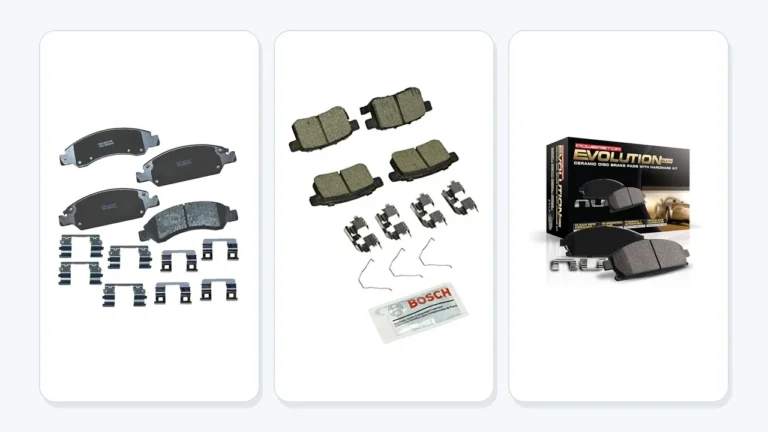
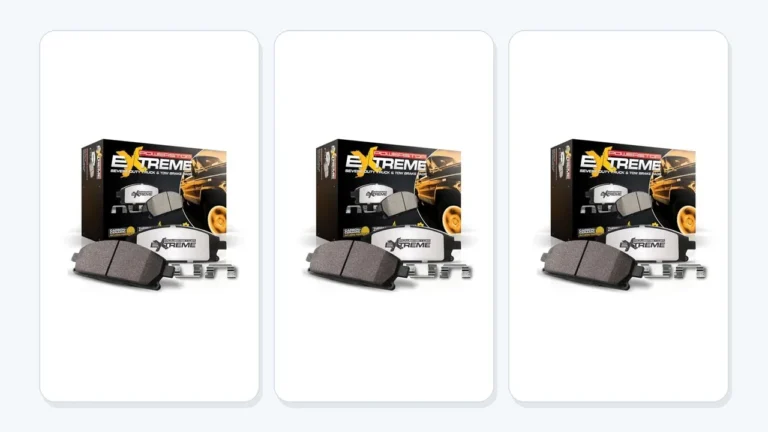
7 Best Budget Brake Pads That Stop Well Without Emptying Wallets
As an Amazon Associate, we earn from qualifying purchases made through links in this post, at no extra cost to you.
Buying cheap brake pads can go wrong in a hurry. The wrong shape may not fit the caliper, the wrong material can make braking noisy, and worn pads can damage a bike rotor, wheel rim or vehicle disc. A bargain that does not match your brake system usually becomes a return, a second repair job, or a safety problem.
The first thing to check is fit, not the brand printed on your bicycle or vehicle. After that, material affects noise, heat and dust, while the package count matters if you maintain several bikes or need pads for more than one axle.
Here is what this guide covers:
- How to match pad shape, caliper and vehicle position before ordering.
- Which semi-metallic, organic-resin, ceramic and rubber options suit different riders.
- How to install, bed in, inspect and store replacement brake pads.
- Which low price signs are sensible savings and which deserve caution.
Quick Picks
-
Best For Everyday bike riding

AGPTEK Bike Brake Pads, Compatible with TRP
Semi-metallic pads balance heat handling, wear resistance and noise control for commuting, trails and recreational rides.
-
Best For DIY bike installation

4 Pairs Bike Brake Pads, Compatible with
Mixed semi-metallic pads include three installation tools, helping home mechanics replace compatible Shimano and Tektro pads.
Top 7 Budget Brake Pads at a Glance
Bike riders should start with AGPTEK, 4 Pairs Bike Pads or Yasiby because those choices are shaped around common bicycle disc systems. Truck, SUV and rim-brake buyers need to look at PowerStop Z36, HUSCH or Alritz instead, since a bicycle pad cannot replace an automotive or V-brake pad. The main differences are brake type, fit, material and package size.
| Product image | Product name | Check product |
|---|---|---|
| 1 |
AGPTEK Bike Brake Pads, Compatible with TRP | Check Price |
| 2 |
4 Pairs Bike Brake Pads, Compatible with | Check Price |
3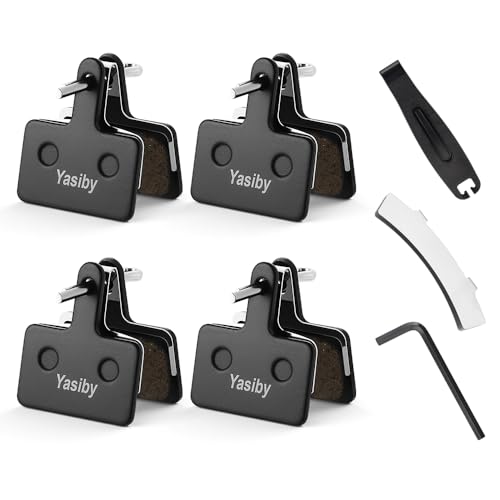 |
Bike Brake Pads, 4 Pairs Disc Brake | Check Price |
4 |
PowerStop Z36 Truck & Tow Brake Pads | Check Price |
5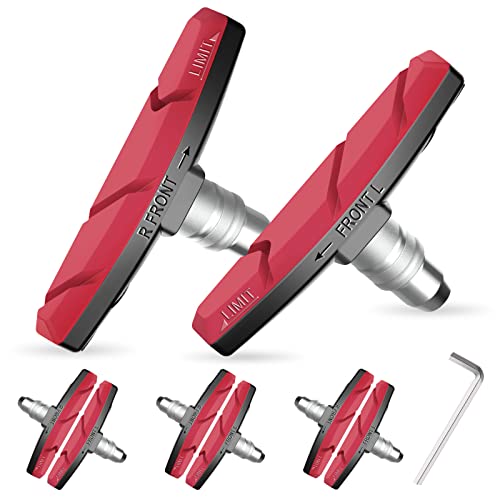 |
Alritz 3 Pairs Bike Brake Pads, V-Brake | Check Price |
6 |
25 Pairs Bike Brake Pads Compatible with | Check Price |
7 |
HUSCH Rear Ceramic Brake Pads Kit Fit | Check Price |
7 Best Budget Brake Pads: Detailed Reviews
When I chose the best budget brake pads, I paid attention first to the brake system, pad shape, friction material and replacement quantity. Those details prevent the most expensive mistakes, such as ordering a disc pad for a rim brake or buying a rear vehicle pad for the wrong application.
I also weighed installation help, weather use, noise claims and the kind of riding or driving each choice suits. Looking at the options side by side makes the low price easier to judge because a four-pair bicycle pack solves a very different problem from a rear SUV kit.
1. AGPTEK Bike Brake Pads, Compatible with TRP
Semi-metallic pads balance heat handling, wear resistance and noise control for commuting, trails and recreational rides.
- ColorBlack
- Size1.18″L x 0.16″W x 1.38″H
- Is Adult ProductFalse
- Number Of Items4
AGPTEK Bike Brake Pads suit riders who need several pairs of replacement pads for compatible mountain, road or commuting bicycles.
The semi-metallic compound mixes metal material with other binding ingredients to balance grip, heat handling and wear. In daily riding, that balance can help the pad cope with repeated stops without making the choice as specialized as a racing compound.
AGPTEK lists compatibility with select Shimano MT200, Tektro E10.11 and TRP two-piston systems. A two-piston caliper uses two pads that press against the rotor, so matching the caliper and pad shape matters more than simply knowing the bicycle brand.
The package contains four pairs, which is useful if you maintain several bicycles or want spares ready for the next replacement. The listed pad size is 1.18 inches long by 0.16 inches wide by 1.38 inches high, but shape still deserves a visual check because measurements alone may not show the retaining-pin arrangement.
AGPTEK also describes the pads as suitable for dry and wet conditions and resistant to high temperatures. That does not remove the need to inspect the rotor, align the caliper and bed in the new pads carefully after installation.
Pros:
- Semi-metallic compound, balances heat handling and wear.
- Four pairs included, gives spares for multiple replacements.
- Listed compatibility, covers select Shimano, Tektro and TRP systems.
- Compact pad size, suits the listed bicycle applications.
- Wet-weather design, supports consistent everyday stopping.
Cons:
- Compatibility depends on caliper and pad shape.
- Four pairs may be more than a single-bike owner needs.
- The listing does not establish a universal fit for all bicycles.
Buy it if: you maintain compatible disc-brake bicycles, because four semi-metallic pairs give you useful replacements without buying each pair separately.
Skip it if: you have V-brakes or an automotive brake system, because these bicycle disc pads use a different braking arrangement and a vehicle or rim-brake pad would suit you better. For another fit, consider Pairs or Bike.
I’d pick AGPTEK for a rider who wants a sensible multi-pair bicycle pack rather than a single emergency replacement. The material choice is a reasonable middle ground for commuting, trails and casual riding. Double-check the old pad against the listed shape before ordering, especially if your bicycle has been modified.
AGPTEK is best for riders who can confirm a compatible two-piston disc caliper.
2. 4 Pairs Bike Brake Pads, Compatible with
Mixed semi-metallic pads include three installation tools, helping home mechanics replace compatible Shimano and Tektro pads.
- ColorBlack
- Size30.6mm long, 35mm wide and 4mm thick
- Number Of Items8
- Hard-Wearing Material & Less NoiseOur mixed semi-metallic brake pads are made of copper fiber and organic resin. Copper fiber makes it wear-resistant
4 Pairs Bike Pads are aimed at home bicycle mechanics who want compatible disc pads plus basic tools for the replacement job.
The pads use a mixed semi-metallic material, meaning copper fiber is combined with organic resin. Copper fiber can help with wear and heat handling, while resin is intended to reduce harsh noise and limit damage to the disc during normal use.
The package includes a disc brake gap regulator, a hydraulic brake piston press tool and a hex wrench. The piston press pushes the caliper pistons back before new, thicker pads go in, while the gap regulator helps leave working room around the rotor.
The listed pad size is 30.6 millimeters long, 35 millimeters wide and 4 millimeters thick. Those measurements are useful for a first check, but the retaining pin, spring and pad outline must also match the existing brake assembly.
Compatibility covers a long list of Shimano and Tektro systems, including Shimano MT200, M355, M446, M315, M365 and several B-series shapes. The long list is helpful, though it should not replace reading the caliper marking and comparing the old pad.
Pros:
- Three installation tools included, lowers the DIY tool burden.
- Copper fiber material, supports wear and heat resistance.
- Organic resin content, aims to limit braking noise.
- Four pairs included, provides replacements for several jobs.
- Detailed compatibility list, helps identify common Shimano systems.
Cons:
- Tool quality and suitability are not independently established.
- Fit still depends on pad shape and caliper model.
- The package may be excessive for one occasional repair.
Buy it if: you have compatible hydraulic bicycle disc brakes, because the included piston press and hex wrench make a home replacement easier to start.
Skip it if: you only need one pair for a bicycle with a different pad outline, because extra tools and pads will not solve a basic compatibility mismatch. Agptek and Bike are worth a closer look instead.
What I like here is the practical bundle. A beginner may have the replacement pads but lack the small tools needed to retract the pistons, so the included pieces can prevent an extra trip to the store. Check that the listed 30.6-by-35-by-4-millimeter size and pad outline match your old set.
This is the more convenient pick for a careful DIY bicycle repair.
3. Bike Brake Pads, 4 Pairs Disc Brake
The catalog lists 【Excellent Braking Performance】Yasiby semi-metallic disc brake pads are constructed with copper fiber, organic. Compare fit and care needs before choosing.
- ColorBlack
- SizeStandard
- Number Of Items8
- Power【Excellent Braking Performance】Yasiby semi-metallic disc brake pads are constructed with copper fiber, organic
Yasiby Bike Brake Pads suit bicycle owners who want a multi-pair disc-pad package with installation tools and a compound that includes ceramic additives.
Yasiby describes a semi-metallic mix of copper fiber, organic resin and ceramic additives. Ceramic additives are small heat-resistant ingredients used in some friction mixtures, and here they are presented as part of a design intended to balance heat dissipation, wear resistance, braking power and noise control.
The set also includes stainless-steel springs and a stainless-steel retaining pin. The spring helps keep the pads positioned and returning correctly, while the pin holds the assembly in place inside the caliper.
Three tools come with the package: a disc brake gap regulator, a hydraulic brake piston press tool and a 5-millimeter hex wrench. Those tools can make a first installation less intimidating, though you still need to avoid touching the friction surface with greasy fingers.
Yasiby lists compatibility with many Shimano systems, including C601, C501, M515, M575, M525, M495, M486, M485, M475, M465, M447, M446, M445, M416, M415, M4050, M3050, M395, M375, M365, M355 and M315. The list also includes several Tektro and Promax systems, but the original pad remains the safest comparison point.
Pros:
- Ceramic additives, support the listed heat and noise goals.
- Stainless-steel spring and pin, resist corrosion during use.
- Three installation tools included, helps with hydraulic calipers.
- Four pairs included, covers repeated bicycle maintenance.
- Broad compatibility list, includes many Shimano and Tektro systems.
Cons:
- The listing gives a standard size rather than precise dimensions.
- Long compatibility lists can be easy to misread.
- Installation still requires correct caliper alignment and bedding.
Buy it if: you own a listed bicycle disc system, because the ceramic-additive compound and included tools cover both replacement and basic installation needs.
Skip it if: you need exact measured dimensions before ordering, because the listed size is only standard and another clearly measured option may be easier to verify. If those trade-offs rule it out, Agptek or Pairs may suit you better.
Yasiby earns its place for riders who want more than bare replacement pads. The stainless hardware and tool bundle make the package feel aimed at repeat maintenance, not only a single quick fix. My hesitation is the lack of a precise size in the technical details, so compare the old pad carefully.
Pick Yasiby when your caliper appears on the compatibility list and the shape matches.
4. PowerStop Z36 Truck & Tow Brake Pads
The catalog lists PLEASE CONFIRM YOUR FITMENT: Using the Amazon Confirmed Fit bar at the top of the page or check the Product De. Compare fit and care needs before choosing.
- ColorStainless-Steel
- Size1 Count (Pack of 1)
- Number Of Items1
- UPGRADED STOPPING POWERCarbon-fiber ceramic Truck & Tow Z36 brake pads deliver increased stopping power compared to OE replacement brake p
PowerStop Z36 Truck and Tow Pads are rear automotive pads for specified Chevrolet, GMC and other truck or SUV applications, not bicycle brakes.
The carbon-fiber ceramic material combines ceramic friction material with carbon fiber, a reinforcement used in some heavy-duty brake compounds. PowerStop positions this formula for trucks, SUVs, towing, hauling, mountain driving and lifted vehicles where repeated braking can create extra heat.
The kit is described as a rear brake pad upgrade and includes installation hardware. Rear pads slow the vehicle through the rear axle, so the vehicle fit and rear-position requirement must match before purchase; a front pad cannot simply be moved to the rear.
PowerStop says the pads are designed to reduce brake fade. Brake fade means braking response can weaken after repeated heat buildup, so heat control matters more to a truck that hauls weight than to a lightly loaded commuter car.
The listing also gives a 30-day, 12-month or 12,000-mile limited warranty description. The exact coverage conditions should be read before purchase, and the Amazon fitment check should be completed for the specific year, make and model.
Pros:
- Carbon-fiber ceramic material, targets truck and towing heat.
- Rear pad kit, suits specified rear brake applications.
- Installation hardware included, helps with replacement setup.
- Heavy-duty positioning, fits towing and hauling use cases.
- Limited warranty terms listed, adds a defined coverage period.
Cons:
- Automotive fitment is vehicle-specific and cannot be guessed.
- Rear pads are not suitable for front applications.
- The package is irrelevant to bicycle and V-brake owners.
Buy it if: you have a confirmed compatible truck or SUV rear application, because the carbon-fiber ceramic compound is aimed at towing, hauling and repeated braking.
Skip it if: you are replacing bicycle pads or front vehicle pads, because this rear automotive kit uses a different fit and braking position.
PowerStop Z36 is the clear choice in this group for a driver with the right truck or SUV. The material and heavy-duty purpose make more sense for towing than a basic passenger-car pad. Confirm the vehicle fitment and rear position before paying, since a low price is useless if the application is wrong.
Choose this kit only after the vehicle details line up exactly.
5. Alritz 3 Pairs Bike Brake Pads, V-Brake
The catalog lists Superior Durability: Made of high-quality nitrile rubber, wear-resistant, does not damage the rim, and can eff. Compare fit and care needs before choosing.
- ColorRed
- SizeStandard
- Number Of Items6
- WeightNot listed; check details
Alritz V-Brake Blocks suit mountain and road bicycles with rim brakes, especially riders who want three pairs of rubber brake blocks.
A V-brake squeezes pads against the wheel rim instead of pressing pads against a separate disc rotor. Alritz uses 70-millimeter rubber pads with an arc shape, so the braking surface follows the rim more closely and the bicycle does not need a disc-brake caliper.
The pads use nitrile rubber, a synthetic rubber used in parts that need resistance to wear and exposure. The listing says the rubber is designed to reduce braking noise and avoid damaging the rim, but a dirty, worn or damaged rim can still create poor braking and noise.
Twill drainage grooves give water, mud and small debris somewhere to move as the pad contacts the rim. That can help wet-weather braking, while the raised limit mark gives you a visible reminder to inspect replacement thickness.
Each set includes three pairs, a hex wrench and shims. The left and right markings can make orientation easier, but the pad should still sit square to the rim with the wheel spinning freely after installation.
Pros:
- 70-millimeter rubber blocks, fit the listed V-brake format.
- Three pairs included, supplies several bicycle replacements.
- Nitrile rubber, supports wear resistance and rim-friendly contact.
- Drainage grooves, help move water and debris away.
- Limit marking, gives a visible inspection reminder.
Cons:
- These pads require V-brake bicycle hardware.
- Standard size does not confirm every rim-brake fit.
- Rim condition affects braking more than pad choice alone.
Buy it if: you have a compatible V-brake bicycle, because the 70-millimeter rubber blocks and drainage grooves address ordinary rim-brake maintenance.
Skip it if: your bicycle has hydraulic or mechanical disc brakes, because rim blocks cannot contact a disc rotor and disc pads would suit you better.
Alritz is useful because it serves a brake type that is easy to overlook in a disc-pad-heavy market. The three-pair package, left-right marks and limit indicator are friendly details for a beginner working on older or simpler bicycles. Check that the wheel uses V-brakes and that the rim is not badly worn.
Pick Alritz when the pad must touch the rim, not a rotor.
6. 25 Pairs Bike Brake Pads Compatible with
The catalog lists Hard-Wearing Material & Less Noise:Made of copper fiber and resin,our semi-metallic disc brake pads feature go. Compare fit and care needs before choosing.
- ColorBlack
- Size30.6mm long, 35mm wide and 4mm thick
- WeightNot listed; check details
- DimensionsNot listed; check details
25 Pairs Bike Pads are intended for bicycle shops, clubs, teams or riders who maintain many compatible disc-brake bicycles.
The pads use copper fiber and resin in a semi-metallic compound. That combination is described as supporting heat dissipation, wear resistance and low noise, which are useful goals when many bicycles receive regular service.
The package contains 25 pairs and includes a disc brake gap regulator, hydraulic brake piston press tool and hex wrench. A large supply can reduce the cost per replacement in a group setting, though storing that many pads in a dry, clean place matters.
The listed dimensions are 30.6 millimeters long, 35 millimeters wide and 4 millimeters thick. The pads are listed for systems such as Tektro E10.11 and Shimano MT200, M355, M446, M315, M365, MT400, MT500, M375, M395, M415, M416, M445, M447, M465, M475, M485, M486, M495, M525, M575, TX805, T615, T675, M4050, M3050, UR300 and C501.
The large quantity is the real reason to consider this pack. It is a poor match for a rider who replaces pads rarely, because friction material can sit unused for a long time and a mistaken fit would multiply the waste.
Pros:
- Twenty-five pairs included, suits group or shop maintenance.
- Copper fiber and resin, support heat and wear control.
- Precise listed dimensions, make the first fit check easier.
- Three tools included, supports repeated hydraulic brake work.
- Broad system list, covers many common bicycle calipers.
Cons:
- Large quantity is excessive for most single-bike owners.
- Every pair still needs a compatible caliper.
- Storage must keep unused pads clean and dry.
Buy it if: you service several compatible bicycles, because 25 pairs and three tools make the package suited to repeated maintenance.
Skip it if: you ride one bicycle and need a single replacement, because a bulk pack creates unnecessary storage and fit risk.
The value here comes from quantity, not from a special feature that every rider needs. A club, family with several bicycles or repair bench could make good use of the supply and tools. A casual rider should pause before buying because one compatibility mistake affects many pairs.
Choose this pack only when repeated service makes the volume practical.
7. HUSCH Rear Ceramic Brake Pads Kit Fit
The catalog lists VEHICLE APPLICATIONS: HUSCH 4 PCS rear brake pads Fit For Lexus GX460 2010-2022, For Lexus GX470 2003-2009, Fo. Compare fit and care needs before choosing.
- SizeRear-D606-7487
- Number Of Items4
- CERAMIC MATERIALThe brake pad kit we provide comes with a magnet. When the magnet is close to the brake pads, it does not attract.
- NOISE FREEHUSCH brake pads are manufactured strictly in accordance with the standards, ensuring a fit between the brake pads
HUSCH Rear Ceramic Pads suit specified Lexus and Toyota rear brake applications for drivers who want a ceramic pad kit.
Ceramic friction material uses ceramic-based compounds rather than a metal-heavy mixture. HUSCH says a magnet does not attract to the pads and describes the material as ceramic without metal, while the listing connects that material to cleaner wheels and less black dust.
The kit contains four rear pads and lists applications including Lexus GX460 from 2010 through 2022, Lexus GX470 from 2003 through 2009 and Lexus LX450 from 1996 through 1997. It also lists several Toyota 4Runner, FJ Cruiser, Land Cruiser and Sequoia applications, so the exact year and rear position still need checking.
HUSCH gives a friction coefficient of up to 0.405. A friction coefficient is a number describing how strongly two surfaces resist sliding, but the number alone does not guarantee a specific stopping distance in every vehicle, road or tire condition.
The listing also says the pads are designed for quiet braking and easier wheel cleaning. The rear pad position and vehicle application are the important limits here, since a ceramic pad for one chassis cannot be treated as a universal SUV replacement.
Pros:
- Ceramic material, targets low dust and quiet braking.
- Four rear pads included, covers the listed rear axle.
- Friction coefficient listed, gives a stated technical reference.
- Broad Lexus and Toyota applications, supports several older vehicles.
- Vehicle-specific design, helps narrow the fit search.
Cons:
- Exact year, vehicle and axle fit must be confirmed.
- Rear pads cannot replace front pads.
- The listing does not make the kit universal for all SUVs.
Buy it if: you own a listed Lexus or Toyota rear application, because the ceramic material is aimed at quiet braking and cleaner wheels.
Skip it if: your vehicle is not among the listed applications, because a general SUV description cannot replace an exact year and axle fit check.
HUSCH makes sense for a driver who cares about wheel dust and has one of the listed Lexus or Toyota vehicles. The rear-only application is clear enough, and the ceramic material gives the kit a different purpose from the truck-focused PowerStop option. Confirm the exact year, rear axle and pad shape before ordering.
Pick HUSCH when clean wheels matter and the vehicle match is exact.
How to Choose the Best Budget Brake Pads
The best budget brake pads are the ones that match the brake system, axle or wheel position, pad shape and intended use before material or package price enters the decision. Start with the old pad and caliper or vehicle fitment, then decide how much heat, noise control and replacement quantity you actually need.
Identify the brake type first
A bicycle can use disc brakes or rim brakes, while a car, truck or SUV uses an automotive disc or drum system. Disc pads contact a rotor, V-brake blocks contact a wheel rim, and automotive pads must match a specific vehicle position.
Read the caliper marking or vehicle application before shopping. The broad buying principles in brake pad buying guide are useful, but the correct shape remains the deciding factor.
Match the caliper and pad shape
Pad compatibility depends on the caliper, retaining pin, spring and outline, not only the bicycle brand. For a vehicle, match year, make, model, engine or trim when the listing requests those details, then confirm front or rear position.
Place the old pad beside the replacement listing. A shape that looks close can still have the wrong mounting hole, tab or backing plate.
Choose friction material by use
Organic-resin pads often appeal to riders seeking quieter, softer braking, while semi-metallic pads are commonly chosen for a balance of heat handling and wear. Ceramic automotive pads are often selected for lower dust and quieter operation, while heavy-duty compounds may suit towing or hauling.
Material is not a magic ranking. A correctly fitted basic pad is safer than an advanced compound that does not match the caliper or vehicle.
Check size and position
Bicycle disc pads should match the stated length, width, thickness and overall outline. Rim blocks need the correct length and a braking surface that sits squarely on the rim, with no contact against the tire.
Automotive buyers must check whether the set is for the front or rear axle. The HUSCH kit, for instance, is listed as rear-specific, while the PowerStop kit is also presented as a rear application.
Decide how many pairs you need
One bicycle usually needs one pair at a time, though keeping one spare pair can be sensible if the fit is known. A four-pair pack may suit a household with several bicycles, while 25 pairs make more sense for a club, shop or repair group.
Bulk pricing is only a saving when the pads will be stored cleanly and used before the brake system changes. The budget option is not budget-friendly if most of the package sits unused.
Look at installation requirements
Replacing pads may require a hex wrench, piston press, gap tool, pliers or a way to align the caliper. Tool bundles can help a beginner, but they do not replace a torque specification, proper cleaning or a final safety check.
For automotive work, a safe repair may also require lifting equipment, wheel removal tools and a way to inspect the rotor. Stop and seek qualified help if the brake pedal feels soft, fluid leaks or the caliper is damaged.
How to Use Brake Pads for the Best Results
Use new pads only after confirming the fit, cleaning the contact area and checking the rotor or rim. The first stops should be gentle because new friction surfaces need controlled contact before normal hard braking.
- Compare the new pad with the old pad before removing everything. Check the outline, retaining hole, spring and thickness.
- Clean the rotor or rim with a suitable brake cleaner and a clean cloth. Keep oil, chain lubricant and hand grease away from the friction surface.
- Remove the old pads carefully and note how the spring, pin or clips were positioned. A quick phone photo can help with reassembly.
- Retract hydraulic bicycle pistons slowly and evenly if the brake system requires room for thicker new pads. Do not force a piston that resists or leaks.
- Install the new pads and retaining hardware in the same orientation. Make sure the pad material faces the rotor or rim, not the backing plate.
- Spin the bicycle wheel or reinstall the vehicle wheel according to the vehicle repair procedure. Check for rubbing, loose hardware and uneven contact.
- Bed in the pads with a series of moderate stops in a safe area. Avoid one long panic stop when the surfaces are still new.
- Recheck alignment and fasteners after the first short ride. Any grinding, severe rubbing, pull to one side or soft vehicle pedal needs attention before normal use.
Bedding in means gradually transferring a controlled layer of friction material to the rotor or creating even contact with the rim. It helps the brake feel more consistent, but the exact procedure depends on the brake maker and vehicle or bicycle system.
How to Make Your Brake Pads Last Longer
Brake pads last longer when the friction surface stays clean, the rotor or rim remains straight and braking is not dragged unnecessarily. Inspection is more useful than guessing by mileage because rider weight, hills, weather and cargo change wear quickly.
For bicycles, wipe the rotor with a clean brake-safe cloth and keep chain oil away from the caliper. Inspect the pad thickness through the caliper, and replace the pads if the friction material is very thin, contaminated or unevenly worn.
For V-brakes, check that the blocks contact the rim squarely and never touch the tire. Remove grit from the rim, inspect the raised limit mark on Alritz pads when applicable, and replace a block that is cracked or hardened.
For vehicles, inspect pad thickness, rotor condition and caliper movement during routine service. A pad wearing much faster on one side can point to a sticking caliper or uneven hardware, which a new pad alone will not fix.
Store spare bicycle pads in a sealed, dry container away from lubricants and brake cleaner. Keep automotive pads in their packaging until installation, and do not handle the friction surfaces more than necessary.
Avoid resting your foot on a vehicle brake pedal while driving downhill. On a bicycle, use controlled braking and shift your speed earlier on long descents instead of holding the lever lightly for the entire hill.
Drivers wanting factory-like fit should read the differences between OEM replacement pads and other choices before ordering. Riders comparing materials can also review aftermarket brake pad options when deciding whether a different compound is worth considering.
Common Mistakes to Avoid When Buying and Using Brake Pads
Most brake-pad problems begin with a fit mistake, contaminated friction surface or skipped inspection. These errors are easy to prevent when the repair starts with identification instead of price.
- Buying by bicycle brand alone: The same bicycle brand can use several calipers, so match the pad shape and caliper marking.
- Ignoring front and rear position: Vehicle pads are axle-specific, so confirm the listing matches the front or rear location.
- Confusing disc and rim brakes: Disc pads touch a rotor, while V-brake blocks touch the rim, so the systems cannot share pads.
- Touching friction material with oily hands: Oil can reduce braking and create noise, so hold pads by the backing plate.
- Skipping rotor or rim inspection: A worn, bent or contaminated contact surface can make new pads perform poorly.
- Installing the spring or pin backward: Incorrect hardware can let the pad move, so copy the original arrangement and check retention.
- Hard braking immediately after installation: New surfaces need controlled bedding, so use moderate stops in a safe area first.
A low price deserves extra attention when the listing uses a very long compatibility list. The phrase best cheap brake pads can be useful for budget research, but cheap brake pad choices still need a precise fit and a clear material description.
How to Set Up Brake Pads
Brake-pad setup is manageable for a careful beginner when the system is familiar and the correct tools are available. Automotive brakes carry more risk than a simple bicycle pad change, so stop if the repair involves damaged hydraulic parts, a soft pedal or uncertain lifting support.
- Identify the system: Confirm disc, V-brake or automotive brake type before opening the package.
- Match the replacement: Compare shape, size, hardware and position with the old pad or vehicle fitment information.
- Prepare a clean work area: Keep lubricant, loose dirt and metal filings away from the friction surfaces.
- Remove the retaining hardware: Take out the pin, clip or spring without bending reusable parts.
- Remove the old pads: Note uneven wear, contamination or damaged hardware before discarding the old set.
- Reset the clearance: Use the correct bicycle piston tool when needed, or follow the vehicle-specific repair procedure.
- Install and align: Fit the pads, spring and pin, then center the bicycle caliper or secure the vehicle hardware correctly.
- Perform a stationary check: Spin the wheel or press the vehicle pedal carefully, watching for rubbing, leaks, looseness or abnormal movement.
- Bed in gradually: Use controlled stops in a safe place and recheck the installation afterward.
The most common beginner stumbling point is assuming the new pad should slide in without moving the caliper pistons. Hydraulic bicycle systems often need the pistons pushed back, while a V-brake replacement mainly needs correct toe, height and rim alignment.
Common Questions About Budget Brake Pads
Are budget brake pads safe?
Budget brake pads can be safe when the compound, shape, hardware and application match the brake system. Price alone does not prove quality or failure, but a very cheap pad with unclear fit information deserves caution. Inspect the rotor or rim, install the pads correctly and test braking in a controlled area.
How do I know which brake pads fit my bike?
The caliper model and old pad shape are the best starting points. Check the pad outline, dimensions, retaining pin or spring, and the caliper marking rather than relying only on the bicycle brand. If the old pad and listing do not clearly match, ask a bicycle shop before riding.
Are ceramic pads better than semi-metallic pads?
Neither material is always better. Ceramic pads may appeal to drivers who want lower dust and quiet operation, while semi-metallic pads can offer a practical balance of heat handling, wear and braking response. Fit, rotor condition, vehicle use and the manufacturer’s intended application matter more than the material name alone.
How often should brake pads be replaced?
Replace brake pads when the friction material reaches the system’s wear limit, becomes contaminated, wears unevenly or causes abnormal braking noise. There is no single safe mileage for every bicycle or vehicle because hills, cargo, weather, riding style and traffic change wear. Inspect them regularly instead of waiting for grinding.
Can I install bicycle brake pads myself?
Many careful riders can replace bicycle pads themselves with the right tools and a clean work area. The job still requires correct pad orientation, piston clearance, caliper alignment and bedding. Do not ride if the wheel rubs badly, the lever feels wrong, the hardware is loose or hydraulic fluid is leaking.
Are truck brake pads suitable for a regular car?
Truck brake pads are not automatically suitable for a regular car. Automotive pads must match the exact year, make, model, axle and brake package, because backing plate shape and friction needs can differ. The PowerStop and HUSCH choices in this guide are application-specific, so confirm vehicle fitment before ordering.
Make the Fit Check Before the Price Check
The smartest next step is to remove one existing pad, photograph its shape and record the caliper or vehicle details before comparing prices. Then choose the smallest package that matches your brake system, material needs and likely maintenance schedule, and do not install a pad that fails the shape or position check.