How to Get Air Out of Brake Master Cylinder: Safe Bleeding Steps
To get air out of a brake master cylinder, bleed the cylinder with fresh, specified brake fluid until trapped bubbles are removed, then bleed the connected brake circuits as required. A replacement master cylinder is usually easiest to bleed on a workbench before installation. An installed cylinder may be bled through designated bleeder screws or its outlet connections when the vehicle’s service procedure permits.
Air inside the master cylinder can make the brake pedal feel soft, increase pedal travel, and reduce predictable braking. Simply adding brake fluid will not reliably clear pockets trapped inside its hydraulic passages. Worse, opening a fitting incorrectly can introduce more air than it removes.
The correct approach depends on whether the cylinder is new or already mounted, how its ports and reservoir are arranged, and whether the vehicle uses an ABS hydraulic unit requiring special service procedures. This guide explains how to prepare the equipment, remove air using bench or on-car methods, bleed the remaining brake lines, recognize incomplete bleeding, and identify problems that bleeding alone cannot repair.
Why Air Gets Trapped Inside a Brake Master Cylinder

A brake master cylinder converts movement of the brake pedal into pressure in the hydraulic brake circuits. Brake fluid transfers that pressure because it compresses very little under normal operating conditions. Air is different: a trapped air pocket compresses when the pedal moves, using pedal travel that should create braking pressure.
Air commonly enters when a master cylinder is replaced, a brake line is disconnected, or the reservoir runs empty during service. A leaking connection can also admit air; repair leaks before bleeding.
Choose the method based on where air entered.
- New or removed master cylinder: Bench bleeding is generally the preferred starting point.
- Installed master cylinder with opened outlet lines: Follow an approved on-car master cylinder bleeding procedure.
- Air introduced at a wheel caliper or hose: Bleeding the affected circuit may be sufficient if the reservoir never ran dry.
- Reservoir emptied or ABS hydraulic unit opened: A more extensive, vehicle-specific procedure may be necessary.
How to Get Air Out of Brake Master Cylinder With Bench Bleeding
Bench bleeding fills the internal passages and pushes air out before the cylinder is connected to the vehicle. Follow the replacement part’s instructions because fittings, stroke lengths, and bleeding arrangements vary.
Tools and Brake Fluid Needed for Bench Bleeding
Gather a compatible bench-bleeding kit, clear hoses, approved fresh brake fluid, a blunt pushrod, a vise, eye protection, gloves, towels, and a drain pan.
Check the cap or service manual for the required fluid. Never assume DOT 3, DOT 4, DOT 5.1, or silicone DOT 5 is suitable. Prevent contamination and use fresh fluid from a sealed container.
Step-by-Step Bench Bleeding Procedure
- Secure the master cylinder. Hold it level in a vise using its mounting flange or the support location specified by the manufacturer. Do not crush the cylinder’s body or clamp across the bore. Keep its feed openings covered with fluid.
- Install the return fittings. Start the supplied adapters by hand in the outlet ports. Route the attached hoses back into the reservoir and secure their ends below the fluid surface.
- Fill the reservoir. Add approved fluid to the recommended level. Keep reservoir ports submerged and protect painted surfaces from spills.
- Move the piston slowly. Press and release the piston slowly using short strokes. Watch for bubbles. Never exceed the component’s specified stroke limit.
- Continue until the fluid runs clear of bubbles. Repeat while checking fluid level. Continue until bubbles disappear and fluid flows steadily; let foam settle instead of pumping rapidly.
- Confirm the manufacturer’s completion test. Some procedures test piston resistance with plugged outlets. Follow the specified completion check, not an assumed number of strokes.
The AutoZone master cylinder bench-bleeding demonstration shows the importance of holding the cylinder by its mounting flange, using clean fluid, and keeping air from reentering before installation. Its demonstrated port-plug method is an alternative to a return-hose kit when the component instructions allow it.
Keep Air Out While Installing the Cylinder
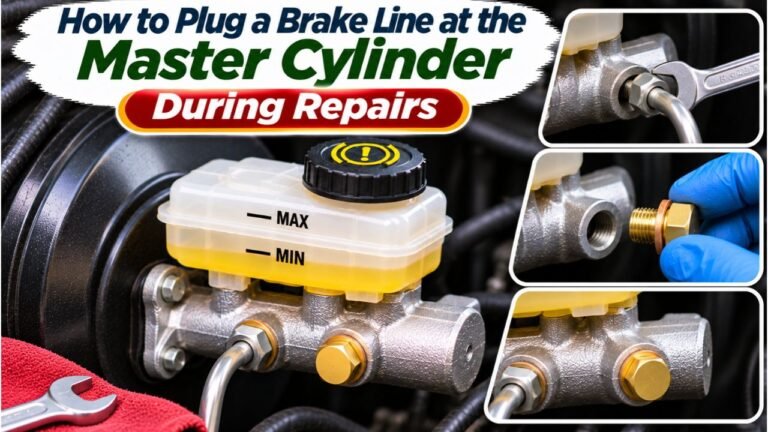
If the instructions call for port plugs after bleeding, leave the proper plugs installed until the master cylinder is mounted. Remove them one at a time and promptly attach each clean brake line, starting fittings by hand to prevent cross-threading. Tighten the connections to the vehicle manufacturer’s specification.
Keep the reservoir filled and ports open only briefly. Bleed the wheel circuits as directed before considering the brakes serviceable.
How to Bleed a Master Cylinder Already Installed on the Car
Some installed master cylinders have dedicated bleeders; others permit bleeding at outlet connections. Follow the service procedure, which may instead require removal.
Check Whether On-Car Bleeding Is Appropriate
Park on level ground with the engine off. Secure the vehicle, protect paint, and check the service manual for approved bleeding points, equipment, and fluid.
For manual bleeding, use a helper, flare-nut wrench, fluid collection materials, gloves, and eye protection. A flare-nut wrench protects line fittings. Do not loosen a line or bleeder without knowing the prescribed method for that vehicle.
Release Air Through Approved Master Cylinder Bleeding Points
- Refill and inspect the reservoir. Bring the fluid to its designated working level without overfilling. Inspect for leaks.
- Prepare the designated outlet or bleeder. Attach a clear hose to an approved bleeder. For an approved outlet-fitting procedure, position absorbent material below the connection.
- Apply pedal pressure slowly. Have the helper press and hold the pedal gently. Avoid aggressive pumping or unusually long strokes on an older cylinder.
- Vent the trapped air. Open the approved bleeding point to release air and fluid while the helper holds pressure. Prevent fluid spray.
- Close before pedal release. Tighten the bleeder or fitting to the prescribed specification before telling the helper to release the pedal. An open fitting can draw air back in.
- Repeat and finish. Continue controlled cycles until the specified bleeding point releases fluid without air and pedal response improves. Monitor the reservoir after each cycle. Secure fittings and inspect for leaks.
If the cylinder’s orientation traps air or the procedure is unclear, stop rather than repeatedly loosening lines. A compatible pressure-bleeding setup, bench bleeding, or professional equipment may be required.
Bleed the Brake Lines After Removing Air From the Master Cylinder
Bleeding the master cylinder does not guarantee that the brake lines and wheel components are free of air. Disconnecting the cylinder creates openings where bubbles can enter, and those bubbles may remain downstream even after the master cylinder itself is filled correctly.
Follow the service manual’s wheel-bleeding sequence. The familiar farthest-wheel-first order works on some systems but is not universal, especially with diagonally split brake circuits and modern ABS arrangements. A specified sequence should always take priority.
For a conventional two-person wheel bleed, connect a hose to the prescribed wheel bleeder, have the helper apply and hold the pedal, open the bleeder to release fluid and air, and close it before pedal release. Repeat until the discharged fluid is bubble-free. Continue through the remaining required wheels, keeping the reservoir above its minimum level the entire time.
A pressure bleeder may provide more consistent fluid flow on compatible systems, but its adapter and pressure settings must match service instructions. Inspect every opened connection for leaks and clean up fluid immediately. Used brake fluid belongs in an appropriate waste collection facility, not on the ground or down a drain.
How to Tell Whether the Master Cylinder Is Free of Air
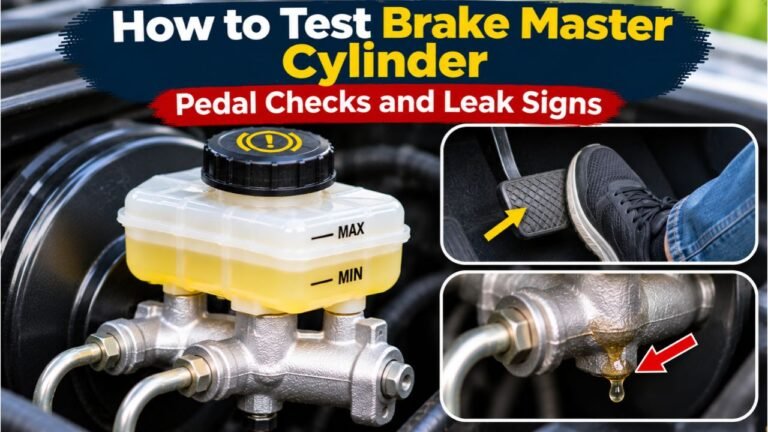
Bubble-free fluid at the designated bleeding points is useful evidence, but it is not the only check. With the engine off, the brake pedal should develop predictable resistance after any required booster vacuum is depleted. It should not feel excessively springy, travel abnormally far, or continue sinking under steady pressure.
Inspect the master cylinder outlets, reservoir seals, connected lines, and wheel components for fresh fluid. Recheck the reservoir level and confirm that the cap and fittings are secure. If the service procedure calls for a specific pedal-travel or pressure test, use that test instead of judging the system by feel alone.
A brake booster can make the pedal move farther after starting the engine; this change is not, by itself, evidence of trapped air. However, a pedal that remains soft, sinks unexpectedly, or cannot produce dependable braking is a stop-driving condition. Have the brake system diagnosed before moving the vehicle onto public roads.
Why Air Remains After Repeated Master Cylinder Bleeding
Step-Bore Master Cylinders Need a Specific Bleeding Technique
Some master cylinders use a step-bore design with internal passages or quick-take-up valves that make ordinary bleeding less effective. An internal air pocket can remain even while fluid moves.
CARDONE’s step-bore bench-bleeding procedure specifies a level cylinder, plugged outlets, controlled short piston strokes, and a waiting period between strokes for certain quick-take-up designs. Do not apply its stroke limits or timing to other designs.
Angled Master Cylinders Can Hold Bubbles at the High End
An inclined cylinder can trap air at the upper end of its bore, away from the fluid passages used during ordinary bleeding. A service procedure may require leveling the bore. Never improvise vehicle lifting to achieve this; use manufacturer-approved support and instructions.
ABS Hydraulic Units May Require a Scan Tool
If the master cylinder or reservoir ran dry, air may have moved into parts of the anti-lock braking system. On some vehicles, air inside the ABS hydraulic control unit cannot be removed by ordinary pedal bleeding alone. A suitable diagnostic tool may need to operate internal valves and pumps during a prescribed automated bleed.
HELLA’s technical guidance on brake-fluid changing explains that ABS and stability-control systems can require manufacturer-specific diagnostic bleeding procedures. A routine wheel bleed does not automatically require a scan tool on every ABS vehicle.
Leaks or Low Fluid Can Keep Reintroducing Air
A loose flare fitting, damaged brake hose, failed wheel cylinder, or leaking master cylinder can undo successful bleeding. Look for fluid loss, damp components, and changes in pedal feel. Never assume repeated bubbles are harmless; repair the cause of fluid loss and then bleed the system again.
Mistakes to Avoid When Bleeding a Brake Master Cylinder
- Letting the reservoir empty: This can pull new air into the master cylinder and brake circuits, restarting the job.
- Using the wrong brake fluid: Fluid specifications depend on the vehicle. Silicone DOT 5 must not be casually substituted for glycol-based DOT fluids.
- Rapidly pumping the pedal or piston: Excessive cycling can create foam and make bubbles harder to clear.
- Releasing the pedal with a bleeder open: This can draw outside air into the system during a manual bleed.
- Overtightening or damaging fittings: Cross-threaded adapters and rounded flare nuts can create dangerous leaks.
- Skipping downstream bleeding or inspection: A clear master cylinder does not prove that the entire hydraulic system is ready for use.
Cleanliness matters throughout the procedure. Do not reuse collected brake fluid, and never introduce oil, grease, or solvent into hydraulic passages or a brake-fluid reservoir.
When a Soft Brake Pedal Is Not Caused by Trapped Air
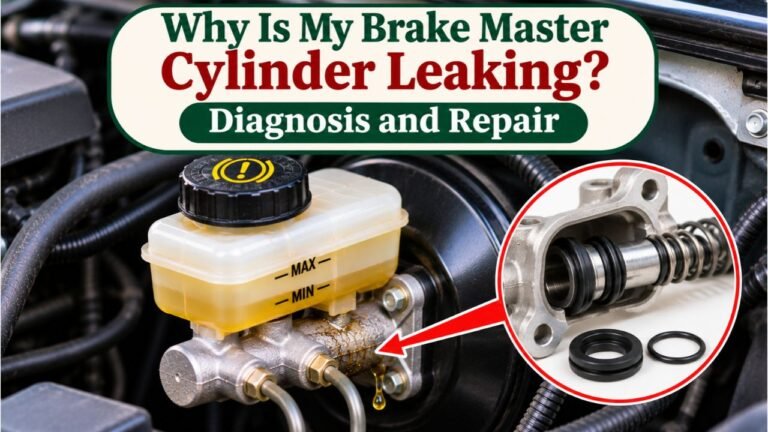
Repeated bleeding will not repair a defective component. A master cylinder with worn internal seals may allow pressure to bypass the piston, sometimes producing a pedal that slowly sinks under steady force. External leakage near the master cylinder or brake booster also requires inspection and possible replacement, not more bleeding.
Soft pedal complaints can also involve expanding flexible hoses, leaking wheel cylinders or calipers, incorrect drum-brake adjustment, or an incomplete ABS bleed. Excessive pedal movement with no visible bubbles calls for a structured diagnosis rather than further random bleeding attempts.
If the master cylinder is old, avoid forcing its piston beyond the normal operating range during manual bleeding. A full stroke can move its seals across worn or corroded areas of the bore. A compatible pressure bleeder or qualified brake technician may be a safer option for the particular vehicle.
Conclusion
Knowing how to get air out of brake master cylinder starts with choosing the correct bleeding method. Bench bleed a replacement unit before installation when the manufacturer directs it, or use approved bleeding points when working on an installed cylinder. Then bleed the necessary wheel circuits, maintain the proper fluid level, and inspect every connection.
Do not judge success only by the absence of bubbles. The pedal must behave correctly, the hydraulic system must be leak-free, and any required ABS procedure must be complete. If braking remains uncertain, keep the vehicle parked until the cause is fixed.
FAQs About How to Get Air Out of Brake Master Cylinder
Can a Brake Master Cylinder Bleed Itself?
No. Trapped air does not reliably escape from the cylinder just because the reservoir is full. The system needs the bleeding procedure specified for its design to move the air out safely.
Do I Have to Remove the Master Cylinder to Bleed It?
Not always. Some installed cylinders can be bled through approved bleeder screws or outlet fittings. A new replacement unit is generally easier to prepare by bench bleeding before installation.
Can I Bleed a Master Cylinder Without a Bench-Bleeding Kit?
Sometimes. Certain cylinders allow a manufacturer-approved port-plug method. Use the correct plugs and instructions; improvising with loose fittings or unsealed ports can introduce more air.
Will Bleeding the Master Cylinder Fix a Pedal That Goes to the Floor?
Only if trapped air caused the excessive travel. Hydraulic leaks, internal seal failure, and other brake faults can produce similar symptoms. Do not drive until the pedal and hydraulic system are verified safe.
Does Every Car With ABS Need a Scan Tool for Bleeding?
No. Routine wheel bleeding may not require one, but trapped air inside an ABS hydraulic unit sometimes requires an automated scan-tool procedure. Check the vehicle’s specific service instructions.