How to Test Brake Master Cylinder: Pedal Checks and Leak Signs
To test a brake master cylinder, inspect the brake system for leaks and hold steady pressure on the pedal while the vehicle is parked. A pedal that continues to sink may indicate an internal seal leak, but external leaks and other hydraulic faults must be ruled out first.
The master cylinder turns force from your foot into hydraulic pressure at the wheels. When its seals wear or fluid escapes, the pedal can feel lower than usual, require repeated pumping, or fail to hold pressure. Yet a soft pedal does not automatically mean the master cylinder is bad. Air in a brake line, a leaking caliper, or excess brake-shoe travel can produce similar symptoms.
You can make useful initial checks without removing any brake components. The key is to compare pedal behavior with the engine off and running, inspect the reservoir and visible hydraulic parts, and understand what each result actually proves. This guide covers those checks, the difference between master-cylinder and booster problems, the tests a technician uses for confirmation, and what to do if the cylinder fails.
How to Test Brake Master Cylinder Without Removing It
Park on level ground, select Park or a suitable gear, set the parking brake, and secure the wheels. These checks are stationary, not road tests. If the pedal already reaches the floor or the brake warning light is on, do not drive.
Step 1: Check the Brake Fluid Reservoir
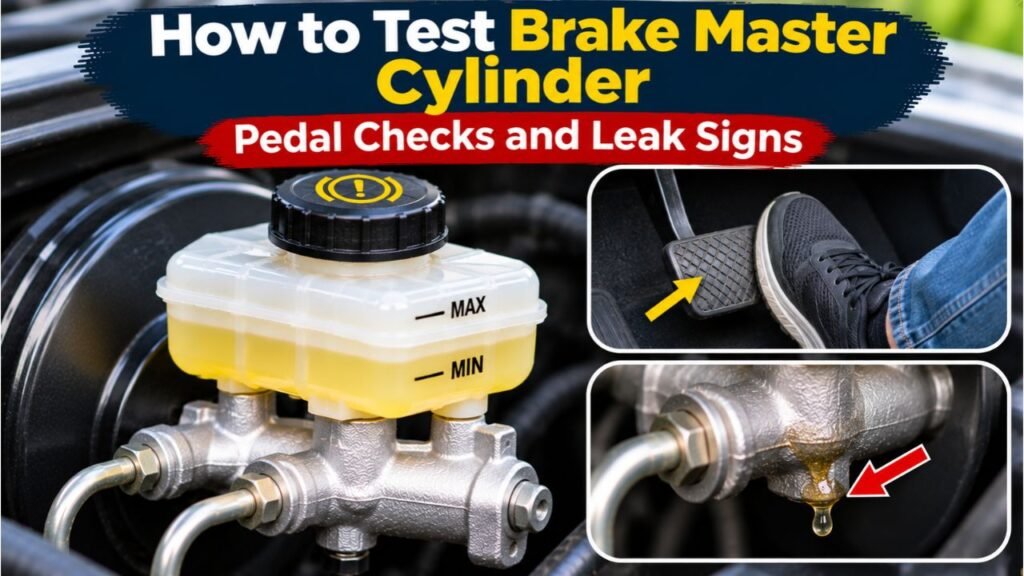
Locate the translucent brake fluid reservoir on or near the master cylinder. Compare the level with the MIN and MAX markings without opening the cap unless necessary. An unexpectedly low level deserves investigation before pedal testing.
Look for wetness at the reservoir seals, cylinder body, hydraulic line fittings, and the area where the master cylinder meets the brake booster. Fluid can also escape farther downstream, so check for wet areas near the wheels and under the vehicle. Fluid level alone cannot locate a leak; normal pad wear can also lower it.
Step 2: Build a Firm Pedal With the Engine Off
Turn the engine off and, on a conventional vacuum-assisted system, press the brake pedal several times to use up stored booster vacuum. The pedal should become harder as assistance disappears. That change is expected and does not prove the hydraulic system is healthy.
Then apply moderate, even pressure to the pedal and hold it for about 30 seconds. Watch whether its position stays steady or slowly moves downward. The goal is holding pressure, not forcing the pedal to the floor.
Step 3: Repeat the Hold With the Engine Running
If it is safe to continue, keep the car stationary and start the engine. On a vacuum-booster vehicle, the pedal may move down slightly as power assistance becomes available. This initial movement is normal. Once the pedal settles, maintain light to moderate, consistent pressure and watch for continued sinking for approximately 30 seconds.
A pedal that keeps traveling toward the floor points to hydraulic pressure loss or another system fault. Even without an obvious leak, this test cannot isolate the master cylinder by itself.
NAPA Auto Parts’ master-cylinder testing guide distinguishes a firm pedal from one that gradually drops and explains why trapped air can produce a different, spongy feeling.
Step 4: Compare the Results Before Replacing Parts
Note whether the pedal is firm, spongy, low, or sinking, and whether pumping changes its behavior. These observations can prevent an unnecessary replacement.
If brake assist is electric or the vehicle has brake-by-wire controls, the pedal may not behave like a conventional vacuum-boosted system. Use the model-specific service instructions rather than assuming these tests apply unchanged.
What Brake Pedal Symptoms Say About the Master Cylinder
A pedal that initially resists pressure but keeps moving downward can signal internal bypass. Worn piston seals let fluid slip past inside the master cylinder instead of maintaining pressure at the brakes.
Because the fluid remains inside the system, there may be no puddle or drop in reservoir level. A weak seal may fail during sustained gentle pressure even if a quick, hard push feels normal.
Spongy Pedal Versus Sinking Pedal
A spongy pedal compresses farther than expected and feels springy. Air trapped in the lines is a common reason because bubbles compress under pressure. Flexible hoses, brake adjustment, and other mechanical problems can also change pedal feel. A spongy pedal warrants a full inspection, not an immediate master-cylinder replacement.
A sinking pedal continues moving while you maintain roughly the same force. This suggests pressure is not being held. Internal master-cylinder bypass is one possibility; an external hydraulic leak or, on some systems, a problem in the ABS hydraulic unit is another.
Pedal Improves After Several Pumps
If two or three applications temporarily bring the pedal higher, consider air, excessive rear-drum brake clearance, caliper piston movement, or other causes of extra hydraulic travel. Worn master-cylinder seals can sometimes show inconsistent behavior too, so pumping is only a clue.
A pedal that goes low after turns may reflect caliper piston knock-back from wheel-end movement rather than a master-cylinder defect.
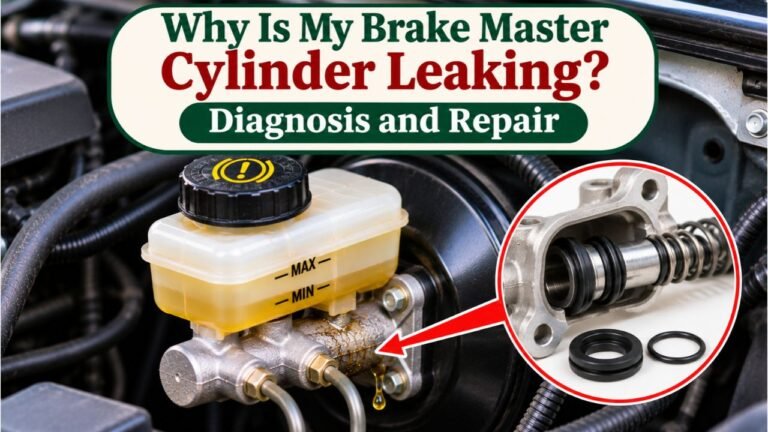
Inspect the Master Cylinder for External Brake Fluid Leaks
Brake fluid may leave slippery, damp streaks, although grime can conceal them. Inspect for fresh wetness and keep hands away from moving engine parts.
Check the Reservoir, Seals, and Line Connections
Inspect the reservoir-to-cylinder grommets where fitted, the reservoir cap area, and the threaded ports that connect to the brake pipes. Wetness at a fitting may be caused by a damaged flare, loose connection, or cracked component rather than worn internal piston seals.
Do not tighten fittings blindly; damaged flares or over-tightened connections may leak again. Repair any leak before driving.
Look for Fluid Between the Master Cylinder and Booster
The rear of the cylinder often mounts directly against a round vacuum brake booster. A leaking rear seal may send brake fluid into that housing, where it can remain hidden. A dry engine-bay floor therefore does not eliminate a master-cylinder leak.
A technician may need to separate the two parts carefully to check the rear seal. Fluid inside the booster can damage it, too. Do not open hydraulic lines for a casual inspection.
Check the Rest of the Hydraulic System
Brake lines, hoses, calipers, and wheel cylinders can leak and mimic master-cylinder trouble. Inspect visible pipes and wheel areas; drum wheel-cylinder leaks may be hidden behind the brake drum.
Never crawl under a vehicle supported only by a jack. A wheel-off leak inspection requires proper lifting equipment and secure stands or a professional lift. If a hydraulic leak is confirmed anywhere, do not drive the vehicle.
How to Tell a Bad Master Cylinder From a Brake Booster
The master cylinder makes hydraulic pressure; the booster reduces the effort needed to press the pedal. Their symptoms often feel different, but they can overlap.
With the engine stopped on a conventional vacuum-booster car, press the pedal a few times until it becomes firm, then hold light pressure while starting the engine. A small, immediate pedal drop usually indicates that the booster is supplying assistance. It is not evidence of a failing master cylinder.
A pedal that stays unusually hard, requires excessive effort, or does not respond to available booster assistance suggests a booster, check valve, vacuum supply, or related assist problem. Conversely, a pedal that continues creeping downward after its initial assisted movement deserves a hydraulic diagnosis.
The Moss Motors brake-pedal diagnosis guide separates the normal initial drop caused by vacuum assistance from excessive travel or ongoing sinking. Its procedures focus on conventional boosted braking systems, so they should not be treated as universal for every modern vehicle.
Electric brake assist can respond differently when the ignition turns on. Match the test to the vehicle’s actual assist system.
How a Technician Confirms Internal Master Cylinder Failure
If the source of pressure loss remains uncertain, a technician can isolate the hydraulics. This requires proper fittings, model-specific procedures, and bleeding afterward.
Master Cylinder Outlet-Port Isolation Test
To isolate the cylinder, a technician disconnects its outlets and installs approved blocking fittings. With trapped air removed, a pedal-pressure check shows whether the isolated cylinder holds.
If a correctly isolated, air-free master cylinder still permits steady piston movement, internal seal leakage becomes likely. If the pedal holds firmly when the outlets are blocked, the fault may lie in a downstream circuit, such as a hose, wheel cylinder, caliper, or ABS hydraulic component.
Underhood Service’s master-cylinder isolation procedure describes this distinction and notes that the hydraulic system must be reconnected and bled after testing. It also explains how a technician can narrow down a faulty circuit.
Safety Note: Never use random bolts as brake-port plugs or drive with a blocked circuit. Improper hose clamps and mismatched fittings can damage hydraulic components.
Bench Testing a Removed Master Cylinder
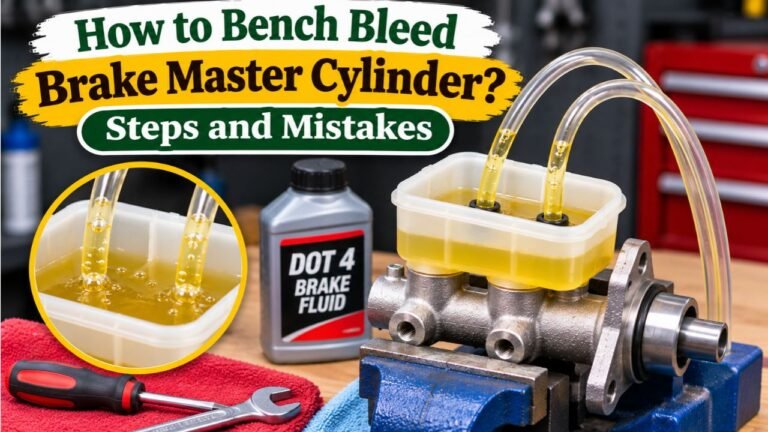
A removed cylinder can be secured, bench-bled to remove air, and sealed at the outlets with correct fittings. A technician then presses the input piston slowly.
A properly bled cylinder with sealed outlets should develop strong resistance after a short movement. Continued plunger travel under a held load can reveal internal bypass or air that has not been fully removed. Any fluid appearing around the rear seal or ports also needs investigation.
A bench test does not evaluate the downstream brakes or justify removing a cylinder that has not been diagnosed.
ABS and Electronic Brake Control Considerations
Some ABS systems need a scan tool to cycle valves during bleeding. Regenerative braking and integrated electronic boosters can require additional procedures. Skipping model-specific instructions may leave air trapped.
For these systems, identify the exact vehicle year, make, model, and braking configuration before opening any hydraulic connection. A qualified shop can use the approved pressure tests and scan-tool procedures to verify the repair.
Brake Master Cylinder Test Results: What to Check Next
| Test Finding | Possible Explanation | Sensible Next Step |
| Pedal stays firm under steady pressure | Hydraulic pressure appears to hold during this check | Investigate other symptoms if present |
| Pedal slowly sinks | Internal bypass or another hydraulic leak | Inspect for leaks, then isolate circuits |
| Pedal feels springy or spongy | Air or excessive component travel | Inspect and bleed according to service procedure |
| Pedal is hard with poor stopping assist | Brake booster or assist-system fault | Test booster and related components |
| Fluid appears behind master cylinder | Possible rear-seal leak | Inspect cylinder and booster; repair before driving |
| Pedal rises after repeated pumping | Excessive travel, trapped air, or adjustment issue | Inspect wheel brakes and hydraulic system |
No single symptom on this chart is a definitive diagnosis. For example, a steady pedal at rest does not prove the brakes will work under every driving condition. A failing cylinder may show intermittent symptoms, while a brake hose or ABS valve can complicate otherwise clear patterns.
Brake Master Cylinder Testing Mistakes to Avoid
Do not diagnose a master cylinder from fluid level or pedal softness alone. Check for leaks throughout the brake system before blaming internal seals. Similarly, a slight initial pedal drop when the engine starts is not the same as continuous hydraulic sinking.
Avoid excessive pedal force and improvised blocking plugs or hose clamps. Every line opened during diagnosis introduces the risk of trapped air; proper bleeding and inspection are mandatory before the brakes can be used. Don’t try a road test to see whether a suspicious pedal improves.
What to Do if the Master Cylinder Fails Testing
Once testing confirms internal bypass or a leaking cylinder body, replacement is usually the appropriate repair for a modern passenger vehicle. A professional rebuild may be possible for some older or specialty designs, but it depends on the cylinder bore, available parts, and approved service practices. Installing new seals in a corroded or scored bore is not a reliable shortcut.
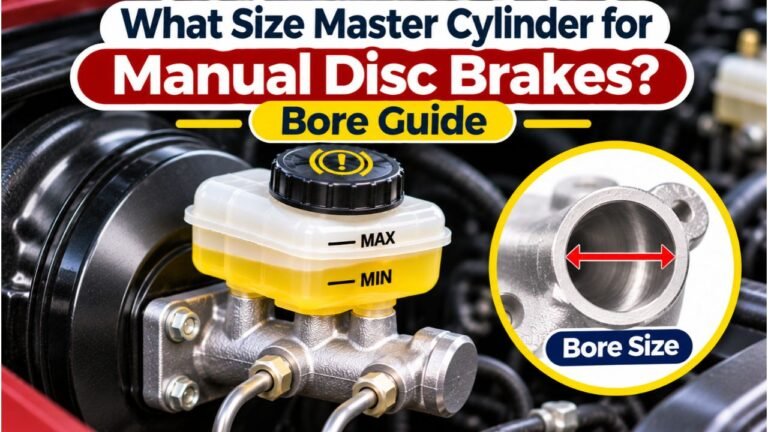
Use a replacement matched to the vehicle’s exact brake system and equipment. Bore size, port configuration, reservoir connections, and assist-system compatibility matter. A part that looks similar may still deliver the wrong hydraulic behavior or fail to fit securely.
Before installation, the replacement may need bench bleeding under the manufacturer’s instructions. After installation, a technician should use the specified brake fluid, properly bleed every affected circuit, inspect for leaks, and verify pedal height and pressure retention. The system may also require an ABS bleed or electronic calibration.
Do not drive with a pedal that sinks, a confirmed leak, or uncertain stopping ability. Arrange towing and have the brakes evaluated. A careful stationary check is useful for diagnosis, but it is not a substitute for a complete post-repair safety inspection.
Conclusion
Knowing how to test brake master cylinder performance starts with simple checks: inspect the fluid and visible connections, use steady pedal pressure, and compare the pedal with the engine off and running. A pedal that steadily sinks is an important warning, but it does not automatically identify the master cylinder as the only possible cause.
The most dependable decision comes from ruling out external leaks, distinguishing booster behavior from hydraulic pressure loss, and using professional isolation tests when needed. If the master cylinder is confirmed faulty, repair it before the car returns to the road.
FAQs About How to Test Brake Master Cylinder
Can You Test a Master Cylinder Without Removing It?
Yes. A stationary pedal-hold check and visual fluid inspection can reveal signs of a problem. Confirming internal bypass may still require professional hydraulic isolation testing.
How Long Should You Hold the Brake Pedal During Testing?
A hold of about 30 seconds is useful for an initial check on many conventional systems. Use moderate, steady pressure and follow any different procedure specified for your vehicle.
Will a Bad Master Cylinder Always Leak Brake Fluid?
No. Worn internal seals can allow brake fluid to bypass between chambers without leaving the system. The reservoir may stay at a normal level even when the pedal gradually sinks.
Can Air in the Brake Lines Feel Like a Bad Master Cylinder?
Yes. Trapped air often produces a soft or springy pedal. Because the symptoms overlap, leaks, air, and mechanical brake adjustment should be checked before condemning the master cylinder.
Does a Brake Pedal Dropping When the Engine Starts Mean Failure?
Not necessarily. A slight initial drop is normal on many vacuum-assisted vehicles. Continued sinking after the pedal settles is different and needs a hydraulic system inspection.