Old Brake Fluid Symptoms: 7 Signs Your Brake Fluid Needs Attention
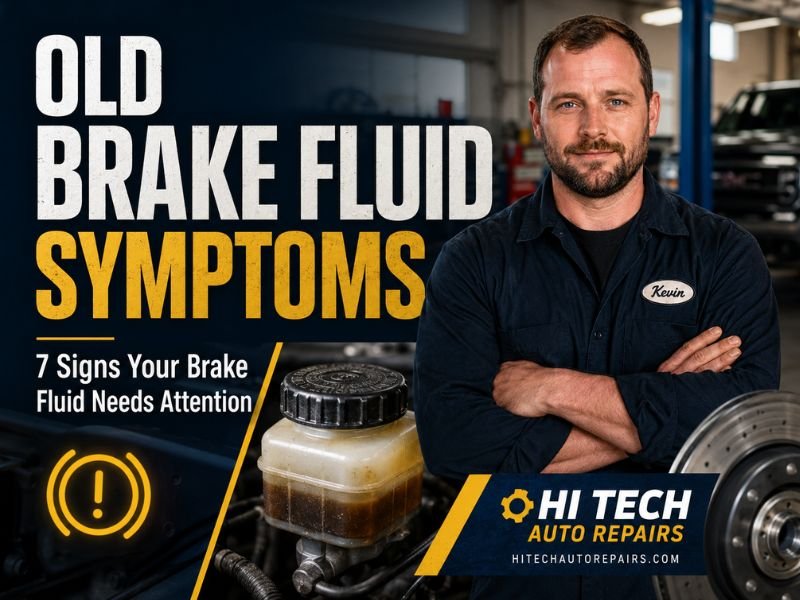
Old brake fluid symptoms can include a soft or spongy brake pedal, brake fade during hard stops, inconsistent pedal feel, dark or contaminated-looking fluid, and reduced braking performance. These symptoms do not always mean the fluid is the only problem, but they are good reasons to inspect the braking system.
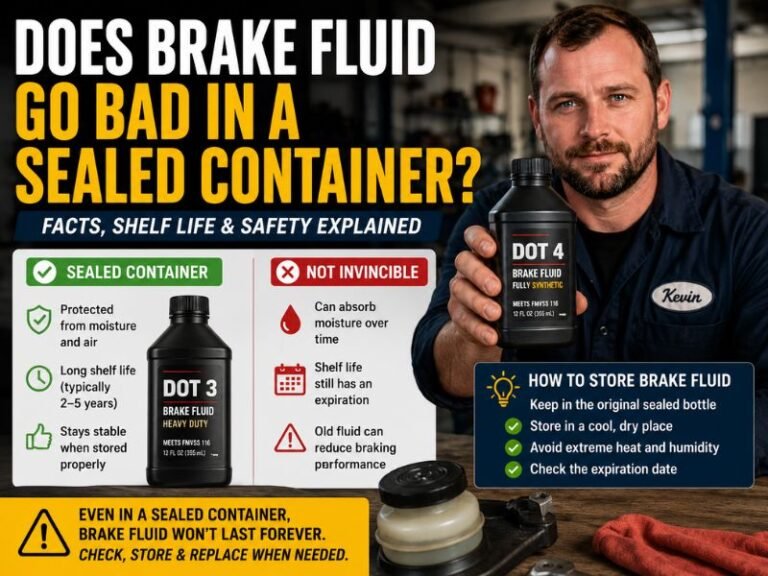
Most vehicles use glycol-based brake fluids such as DOT 3, DOT 4, or DOT 5.1. These fluids are hygroscopic, which means they can absorb moisture over time. As moisture content increases, the fluid’s boiling point can drop and its ability to handle high brake temperatures may decrease.
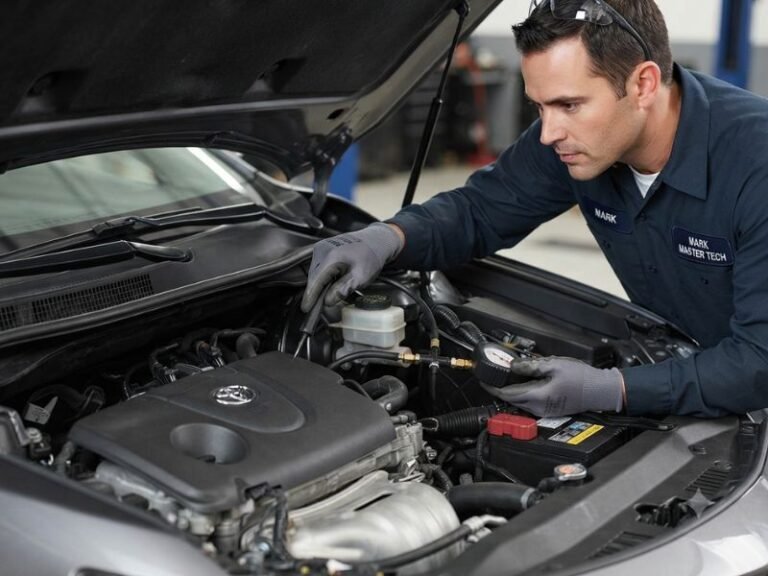
As a brake technician, I never judge brake fluid by color alone. I look at the fluid condition, pedal feel, service history, leaks, and the overall condition of the hydraulic brake system.
Here are the most common signs I look for when brake fluid may be too old.
What Happens to Brake Fluid as It Gets Old?
Brake fluid works inside a sealed hydraulic system, but moisture can still enter gradually through hoses, seals, and normal service exposure.
As the fluid absorbs moisture, its boiling point decreases. This matters because braking creates heat, especially during repeated hard stops, towing, mountain driving, or heavy traffic.
If contaminated fluid becomes hot enough, vapor may form inside the hydraulic system. Unlike liquid brake fluid, vapor can compress, which may make the brake pedal feel soft or inconsistent.
Moisture can also contribute to corrosion inside components such as the master cylinder, brake calipers, wheel cylinders, brake lines, and ABS hydraulic unit.
7 Common Old Brake Fluid Symptoms
1. Soft or Spongy Brake Pedal
One of the most noticeable signs of a hydraulic brake problem is a pedal that feels softer than normal.
Instead of feeling firm and predictable, the pedal may travel farther before the brakes respond. Moisture-contaminated brake fluid can contribute to this problem, especially when the braking system becomes very hot.
However, old fluid is not the only possible cause.
Air in the brake lines, a hydraulic leak, a damaged brake hose, or a failing master cylinder can also create a spongy brake pedal.
If the pedal suddenly changes, I would inspect the complete hydraulic system rather than assuming a fluid change alone will fix it.
2. Brake Fade During Hard Braking
Brake fade means braking performance becomes weaker as the system gets hotter.
Old brake fluid can contribute to hydraulic fade because moisture lowers the fluid’s boiling point. During repeated hard braking, the fluid may reach temperatures where vapor starts forming.
You may notice that the pedal feels less firm or that you need more pedal effort to slow the vehicle.
This is especially important during mountain driving, towing, spirited driving, or situations involving repeated stops.
3. Inconsistent Brake Pedal Feel
A healthy brake pedal should normally feel predictable from one stop to the next.
If the pedal sometimes feels firm and other times feels softer, something in the braking system needs attention.
Old fluid can be one possible factor, but I also look for air, leaks, hose problems, and master cylinder issues.
Inconsistent pedal feel is not something I recommend ignoring because it may indicate a developing hydraulic problem.
4. Dark or Dirty-Looking Brake Fluid
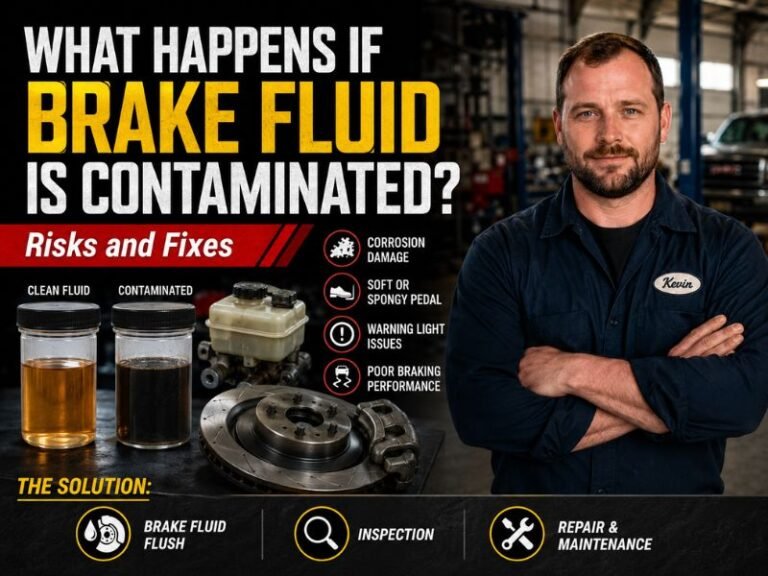
Brake fluid often becomes darker as it ages.
Fresh fluid is commonly clear to light amber, depending on the product. Older fluid may appear brown, dark amber, or dirty.
Cloudiness, visible debris, or sediment is more concerning because it may indicate contamination.
Still, I do not use color as the only test. Some brake fluids are naturally darker than others, and fluid can change color before its performance becomes unacceptable.
Service history and manufacturer recommendations matter too.
5. Reduced Braking Performance
Old brake fluid may contribute to less predictable braking, particularly when the system is exposed to high temperatures.
You may feel that the vehicle requires more effort to stop or that braking becomes less consistent during repeated use.
However, reduced braking performance can also come from worn brake pads, damaged rotors, poor tires, sticking calipers, or hydraulic leaks.
That is why I inspect both the hydraulic and mechanical parts of the brake system.
A brake fluid flush should never be used as a substitute for diagnosing worn or damaged components.
6. Brake Warning Light
A brake warning light may appear when the system detects low fluid or another brake-related condition.
Old brake fluid by itself does not usually turn the warning light on simply because of age.
However, if the reservoir level is low or a hydraulic problem exists at the same time, the warning may appear.
I check the reservoir level, brake pads, hydraulic system, and warning-light codes where applicable before deciding what repair is needed.
An ABS warning light also has many possible causes, including wheel-speed sensors, wiring, or ABS module problems.
7. Corrosion Inside Hydraulic Components
This symptom is not always visible to the driver, but it can become one of the more expensive consequences of neglected brake fluid.
Moisture inside the hydraulic system can contribute to internal corrosion over time.
Components that may be affected include the master cylinder, caliper bores, wheel cylinders, ABS valves, and steel brake lines.
Internal corrosion may eventually contribute to sticking components, leaks, poor hydraulic operation, or expensive repairs.
Regular fluid maintenance helps reduce this risk.
What Does Old Brake Fluid Look Like?
Old brake fluid often looks darker than fresh fluid.
You may see brown or dark amber fluid inside the reservoir instead of a lighter, cleaner appearance.
Cloudiness, particles, or obvious contamination deserve more attention than color alone.
I also inspect the reservoir for signs of oil or other foreign materials. Petroleum contamination is especially serious because it can damage rubber seals throughout the braking system.
If the fluid looks questionable and the service history is unknown, I recommend checking the manufacturer’s maintenance schedule and considering professional testing or replacement.
Can Old Brake Fluid Cause a Spongy Brake Pedal?
Yes, old brake fluid can contribute to a spongy pedal, particularly when it contains moisture and becomes very hot.
The absorbed moisture lowers the fluid’s boiling point. If vapor develops, the brake pedal may feel softer because vapor compresses more easily than liquid.
However, a spongy pedal should never automatically be blamed on old fluid.
Air in the system, a leaking brake line, failing master cylinder, or damaged hose can create similar symptoms.
If the pedal suddenly becomes soft, I diagnose the hydraulic system before recommending only a fluid flush.
Can Old Brake Fluid Cause Brake Fade?
Yes, old brake fluid can contribute to brake fade under demanding conditions.
The main concern is its reduced boiling performance after absorbing moisture.
Repeated braking generates significant heat. If the fluid becomes hot enough to boil, vapor can form and reduce the effectiveness of hydraulic pressure transfer.
This type of problem is more likely during towing, long downhill driving, repeated emergency stops, or performance driving.
Fresh fluid with the correct specification provides better high-temperature protection.
How Long Does Brake Fluid Last?
There is no single replacement interval that applies to every vehicle.
Some manufacturers recommend replacing brake fluid at a specific time or mileage interval, while others call for inspection or testing.
Driving conditions also matter. Vehicles exposed to high humidity, heavy braking, towing, or demanding driving may place more stress on brake fluid.
I follow the vehicle manufacturer’s service schedule instead of using one universal replacement rule.
Always check the owner’s manual for the correct DOT specification and service recommendation.
How I Check Whether Brake Fluid Is Too Old
I start with the service history.
If nobody knows when the fluid was last replaced, that tells me the system deserves a closer look.
Next, I inspect the fluid for cloudiness, debris, unusual discoloration, or contamination.
I also verify that the reservoir level is between the proper MIN and MAX marks.
When needed, moisture or boiling-point testing can provide more useful information than color alone.
Finally, I inspect the entire brake system, including the pads, rotors, hoses, calipers, lines, and master cylinder.
Should You Flush Old Brake Fluid?
A brake fluid flush can be appropriate when the manufacturer’s service interval is due, the fluid tests poorly, or contamination is present.
It may also be recommended after certain hydraulic repairs.
However, brake fluid service is maintenance, not a cure for every brake problem.
A flush will not repair worn brake pads, warped or damaged rotors, a leaking caliper, a bad brake hose, or a failing master cylinder.
I always diagnose the actual problem before recommending a fluid service.
When Should You See a Brake Technician?
I recommend having the brakes inspected if the pedal suddenly becomes soft, sinks toward the floor, or feels different from normal.
Other warning signs include increased stopping distance, visible fluid leaks, a reservoir that keeps losing fluid, a brake warning light, or a vehicle that pulls during braking.
An overheated wheel or burning smell also deserves immediate attention.
If I see abnormal braking along with questionable fluid, I inspect the complete system rather than assuming old fluid is the only issue.
FAQs About Old Brake Fluid Symptoms
Can old brake fluid make brakes feel soft?
Yes. Moisture-contaminated fluid can contribute to a softer pedal, especially when the brakes become very hot. Air or hydraulic leaks should also be ruled out.
Can old brake fluid damage the master cylinder?
Long-term moisture contamination may contribute to corrosion inside the master cylinder and other hydraulic components.
Does dark brake fluid mean it is bad?
Not always. Dark color is one clue, but service history, contamination, moisture level, and manufacturer recommendations are more important.
Can old brake fluid cause ABS problems?
Contaminated fluid may affect hydraulic components over time, but an ABS warning light can have many unrelated electrical or sensor causes.
Will changing brake fluid improve braking?
It can restore proper fluid condition if the old fluid is degraded, but it will not repair worn or damaged mechanical brake components.
Conclusion
Recognizing old brake fluid symptoms can help you identify hydraulic problems before they become more serious. Common warning signs include a soft or spongy pedal, brake fade, inconsistent pedal feel, contaminated-looking fluid, and reduced braking performance.
As a brake technician, I recommend looking beyond fluid color. I check the service history, pedal behavior, fluid condition, moisture level when necessary, and the entire braking system.
If your brake pedal suddenly changes, fluid keeps disappearing, or stopping performance becomes unpredictable, do not assume a simple flush will solve everything.
Inspecting the full brake system and following the manufacturer’s brake fluid service recommendations is the safest approach.