How Do You Know If Your Parking Brake Is Bad? Signs and Tests
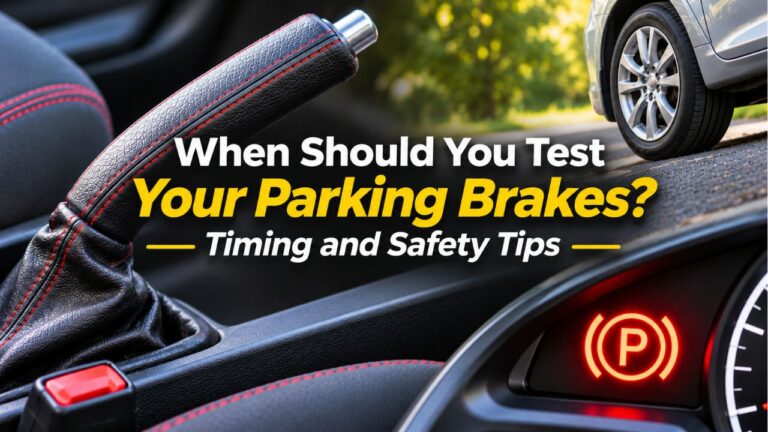
Your parking brake may be bad if the vehicle rolls when it is applied, the hand lever or foot pedal feels unusually loose, or the brake fails to release completely. On vehicles with an electronic parking brake (EPB), a flashing warning lamp or an unsuccessful apply-and-release cycle can also signal a fault. The clearest warning is a parking brake that cannot reliably hold a stopped vehicle.
A parking brake is separate from the transmission’s Park mechanism, even though both help keep a vehicle stationary. On many cars it uses rear brake shoes, a cable-operated caliper mechanism, or electric motors fitted to the rear brakes. Damage to any of those parts can affect holding power without necessarily changing how the normal brake pedal feels.
You do not need to test the brake at driving speed or force the vehicle against it to identify a problem. Knowing the symptoms, checking how its control moves, and using an appropriately controlled stationary test provide much better clues. This guide covers common warning signs, likely causes, safe testing steps, differences between mechanical and electronic systems, and when professional repair is needed.
How Do You Know If Your Parking Brake Is Bad? Warning Signs
A faulty parking brake can fail to apply, fail to hold, or fail to release. Those are three different problems, and noticing which one occurs can narrow the cause considerably.
The Vehicle Creeps or Rolls With the Brake Applied
A vehicle that moves despite a fully applied parking brake has failed its most important job. This may appear as slow creeping on a slight slope or obvious movement when the driver eases off the service brake. In an automatic car, Park may prevent the movement and hide a weak parking brake, so the vehicle appearing secure in Park is not proof that the parking brake works.
Do not test a known weak brake on a steep hill. Secure the car with the regular brake, the correct transmission position, and wheel chocks where appropriate.
The Hand Lever or Parking Pedal Feels Loose
A cable-operated hand lever may travel much farther than normal before resistance develops. A foot-operated mechanism may feel unusually light, fail to latch, or release without the expected action. These changes can result from cable wear, poor adjustment, disconnected linkage, or broken parts.
YourMechanic’s guide to failing parking brake cables identifies weak holding force and a loose lever or pedal among symptoms of cable problems. It does not mean every loose control needs a new cable; the rear brake hardware and adjustment also require inspection.
The Brake Sticks or Will Not Release Fully
A parking brake that stays engaged can cause dragging at the rear wheels. You may notice unusually heavy rolling resistance, scraping, heat, or a burning odor after normal driving. Corroded cables, sticking caliper mechanisms, frozen components, and malfunctioning electric actuators are possible causes.
Do not drive to free a stuck parking brake. Continuing to move the car may overheat the rear brakes or damage the tires and drivetrain.
Grinding, Scraping, or Unusual Actuator Noise
A brief whirring noise during normal EPB operation can be expected. Grinding, repeated unsuccessful motor attempts, or loud mechanical clicking accompanied by failed application deserves investigation. On a mechanical system, scraping after release can indicate that parts are still contacting the rotor or drum.
Noise alone cannot identify which component failed. Its timing matters: a sound during engagement suggests a different investigation from a sound that continues after release.
The Parking Brake Warning Stays On or Flashes
A red parking-brake indicator usually illuminates when the brake is applied. A lamp that remains on after release, flashes unexpectedly, or appears with a service message needs attention. Be aware that some red brake warnings also indicate low fluid or a service-brake hydraulic problem, which can be more urgent than a parking-brake fault.
Ford’s 2026 Explorer electric parking brake warning guidance explains that flashing red or illuminated yellow EPB warnings can require service on that model. Symbols and responses vary across vehicles, so check the exact owner’s manual.
What Causes a Parking Brake to Stop Working?
Cable Stretch, Corrosion, or Broken Linkage
Mechanical parking brakes rely on a hand lever or pedal transmitting force through cables and linkages. Over time, a cable can corrode inside its sheath, bind, become damaged, or lose effective travel through wear and misadjustment. A broken cable may leave the control with little resistance and no useful holding action.
Tightening the cable without inspecting the brake shoes or caliper mechanism is not a reliable fix. Incorrect adjustment can make the rear brakes drag while still failing to correct the original fault.
Worn Shoes, Pads, or Caliper Components
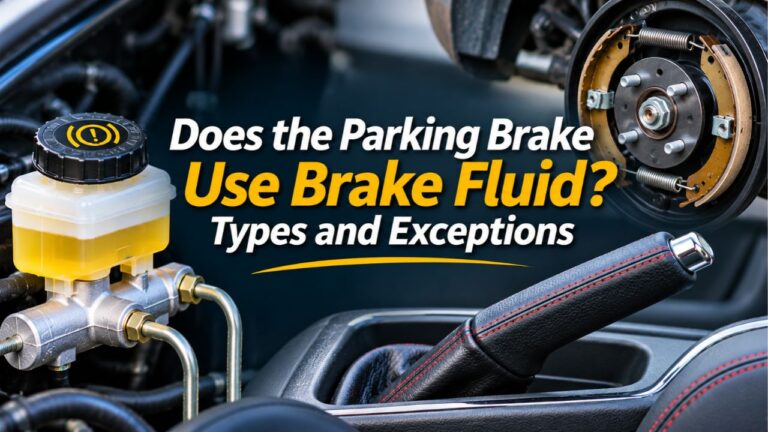
Some rear disc-brake vehicles use a small drum-style parking brake inside the rear rotor. Others use the rear caliper’s piston mechanism. Each design needs friction material and functioning mechanical parts to hold the wheel.
Worn or contaminated parking brake shoes, seized linkages, and damaged caliper mechanisms can reduce holding force. Normal service-brake pad replacement does not automatically repair a separate drum-in-hat parking brake.
Electric Actuator, Switch, or Low-Voltage Faults
An EPB uses motors and control electronics to apply and release the brake. Low 12-volt battery power, corroded connectors, damaged wiring, a faulty switch, or a seized motor mechanism can interrupt operation. An indicator can report the electrical command without proving the rear wheels have adequate holding force.
An EPB that stays applied after the battery dies may be functioning as designed; many systems retain the brake mechanically. The problem may be the lack of power needed to release it, not a failed holding mechanism.
How to Check if Your Parking Brake Is Bad Without Driving
These are preliminary checks, not a certification of brake performance. If you already know the parking brake slips, binds, or will not release, skip the holding test and arrange professional service. The owner’s manual takes priority over general instructions, especially for electronic and shift-by-wire systems.
Step 01: Secure the Car on Level Ground
Park away from traffic and pedestrians on firm, level pavement. Keep the transmission in Park or the appropriate gear, hold the regular brake pedal, and make sure the car cannot move. Use correctly placed wheel chocks if the vehicle may roll, and never stand directly in its path.
Do not test with somebody positioned in front of or behind the tires. Keep the vehicle on the ground; a jack-supported vehicle is not an appropriate place for a parking-brake holding test.
Step 02: Identify the Control and Watch Its Response
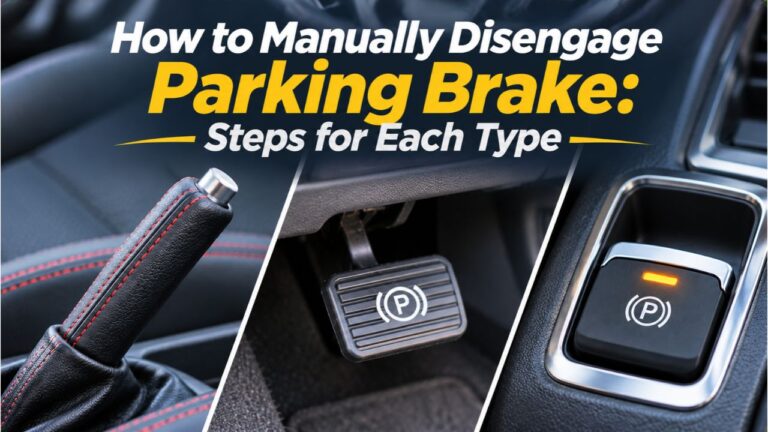
Check whether the car has a hand lever, foot-operated parking pedal, or electric switch. Read the owner’s manual for the apply and release conditions. With the car secure, engage the parking brake normally and look for the expected indicator or control position.
A manual lever should latch, and an EPB should complete its normal cycle without a persistent fault message. The fact that a light comes on does not by itself prove the brake will hold.
Step 03: Check for Abnormal Travel, Resistance, or Sound
Apply and release the control while keeping the vehicle stationary and secured. Compare its movement with what you normally feel. Watch for a loose lever, pedal that does not stay engaged, unusually long travel, or a switch that produces no actuator response.
Do not count clicks against a universal number; lever travel specifications vary. Avoid repeatedly operating a struggling EPB motor, and do not force a jammed hand lever or cable.
Step 04: Assess Holding Ability Only Under Safe Conditions
If the system has no obvious defect and the manufacturer permits a holding check, use a clear area with a very gentle incline. Remain seated, keep your seat belt on and your foot ready on the service brake, and apply the parking brake fully. For an appropriate conventional vehicle, a controlled test may involve selecting Neutral so that Park does not mask a weak brake, then cautiously easing pressure on the foot brake just enough to see whether the vehicle stays still.
Immediately reapply the service brake if the car begins to move. Never accelerate against the parking brake, test on a steep slope, or use a method prohibited by the vehicle’s electronic controls. If in doubt, have a shop use approved brake-test equipment.
AAA Club Alliance’s parking brake advice recommends occasional holding checks on a gentle incline and service when the brake feels weak, loose, or noisy. It does not support risky moving-vehicle tests.
Step 05: Release It and Check for Drag
With your foot securely on the service brake, return the vehicle to a safe transmission position and release the parking brake using its normal control. Confirm the indicator responds as expected and note any continued grinding, resistance, or warning. Do not touch wheels or brake parts to judge temperature; they can be hot enough to burn skin.
If the brake is stuck, do not try to overpower it with the engine. Arrange assistance and have the release mechanism checked.
Step 06: Decide Whether the Results Require Service
A parking brake that fails to hold, fails to engage, or fails to release correctly needs inspection. A warning message that persists after following the manual’s normal procedure also calls for diagnosis. Do not rely on the transmission alone to secure a car on a slope while an unresolved problem remains.
A technician can examine mechanical travel, holding force, rear brake condition, actuator operation, and fault codes to find the specific cause.
Manual Parking Brake Versus Electronic Parking Brake Symptoms
| Symptom | Mechanical Handbrake or Foot Pedal | Electronic Parking Brake |
| Fails to apply | Broken cable, linkage, or latch | Power, switch, module, or actuator issue |
| Does not hold | Adjustment, cable, or friction hardware | Weak actuation or rear brake hardware |
| Will not release | Corroded cable or sticking mechanism | Low voltage, seized actuator, or control fault |
| Unusual warning | Lever switch may stay active | EPB fault message or flashing indicator |
Both systems can lose holding ability because of worn or seized rear brake hardware. The presence of a switch instead of a hand lever changes how the brake is controlled, not the requirement that it hold the parked vehicle securely.
Is It Safe to Drive With a Bad Parking Brake?
It depends on the fault, but a known bad parking brake is a safety problem that requires prompt repair. A brake that will not hold can allow the parked vehicle to roll. A brake that remains partly engaged can overheat rear components while driving. If the car cannot be secured or the brake will not fully release, do not drive it; arrange towing or appropriate roadside assistance.
A weak parking brake does not always mean the normal foot brakes have failed because the parking function may have separate cables or friction parts. However, some designs share rear caliper hardware, so damage can affect both. If the foot brake also feels abnormal, warning lamps appear, or a wheel is dragging, treat the vehicle as unsafe until inspected.
How Mechanics Repair a Faulty Parking Brake
A technician should first determine whether the fault is a failure to engage, insufficient holding power, or incomplete release. On a mechanical system, the inspection may include cables, equalizers, adjusters, rear parking brake shoes, caliper levers, and return springs. Repairs can involve adjustment, cleaning, or replacement of damaged parts.
On an EPB, diagnosis may include checking battery condition, electrical power at the actuator, wiring, fault codes, and the mechanical condition of the rear brakes. Electronic rear calipers often require a scan-tool or vehicle-specific maintenance mode during service. Forcing a caliper piston or blindly resetting codes can cause damage or conceal an active fault.
After repairs, the brake needs a proper holding-and-release verification. A successful dashboard message alone is not enough if the rear wheels still drag or the vehicle cannot be held securely.
When to Check the Parking Brake Again
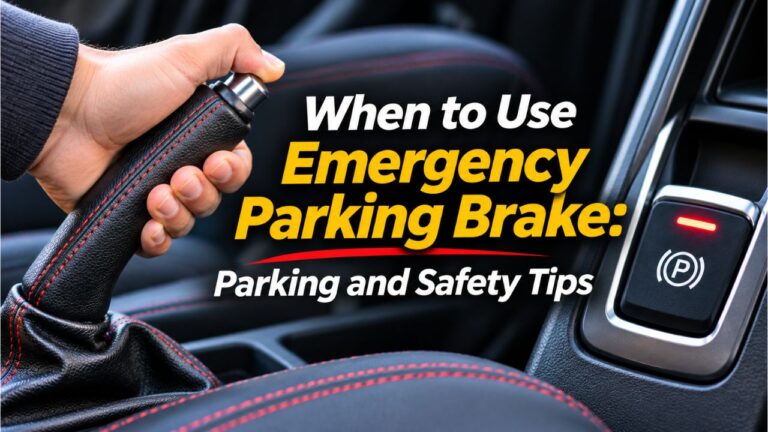
Use the parking brake whenever you park so changes in lever travel or electronic response are easier to notice. Make periodic functional checks part of normal vehicle care and ask for an inspection during scheduled brake service. Always check after cable adjustment, rear brake repairs, caliper replacement, or an EPB warning.
Do not postpone service because the transmission’s Park position seems to work. Likewise, avoid high-speed handbrake tests, pulling an EPB switch while driving to check it, and tightening a cable just to make a loose lever feel shorter. Those actions can create new hazards instead of identifying the problem.
FAQs About How Do You Know If Your Parking Brake Is Bad
Can a Parking Brake Be Bad Even if the Dashboard Light Works?
Yes. The indicator may show that the lever is moved or the electronic system has received a command. It does not measure holding force in every vehicle, so a brake can still slip because of worn or incorrectly adjusted mechanical parts.
Why Does My Parking Brake Lever Pull Up Too High?
Excess travel can result from cable adjustment, wear in the rear brake mechanism, or a damaged cable or linkage. Compare the travel with the manufacturer’s specification rather than relying on a universal click count.
Why Does My Parking Brake Stick After I Release It?
Corrosion, frozen cables, seized caliper mechanisms, or an EPB actuator fault can prevent complete release. Do not continue driving against a stuck brake because heat and friction can damage rear brake components.
Can a Bad Parking Brake Affect Normal Braking?
Sometimes. Parking and service brakes may share rear caliper or friction hardware, so dragging or damage can influence normal braking. In other systems, a failed parking brake cable may leave the foot brakes working normally. Inspection is needed to know which parts are affected.
Can a Weak Battery Make an Electric Parking Brake Seem Bad?
Yes. Low 12-volt power can prevent an EPB actuator from applying or releasing. But a mechanically applied EPB may remain engaged after power is lost. Follow the vehicle’s approved battery recovery and diagnostic procedures.
A Parking Brake That Cannot Hold or Release Needs Attention
So, how do you know if your parking brake is bad? Watch for rolling despite application, a loose or unresponsive control, dragging after release, and abnormal EPB warnings. Those clues help distinguish weak holding force from a brake that has become stuck.
Check operation only while the vehicle is secured, and use a cautious stationary holding test only when the system appears sound and the owner’s manual permits it. A parking brake that fails either the holding or release check needs professional diagnosis, not a more aggressive test.
Repair the fault before relying on the vehicle to stay parked, especially on hills. The goal is a brake that applies reliably, keeps the car stationary, and releases completely before driving.