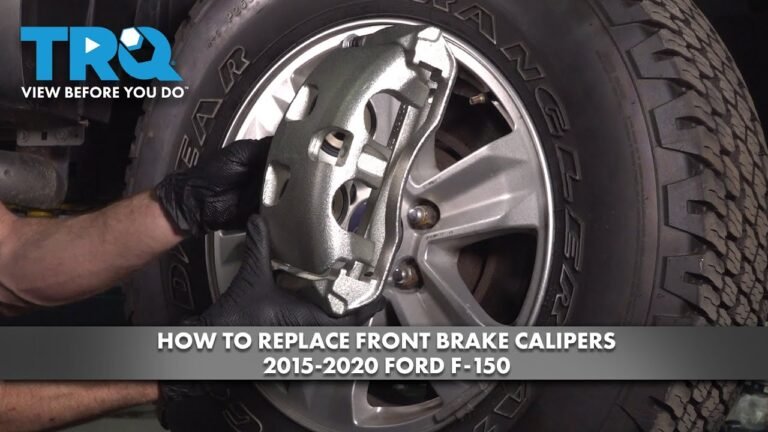
How to Fix a Locked Brake Caliper: Complete Step-by-Step Guide
A locked brake caliper can make driving unsafe because the brake pad may stay pressed against the rotor. Many drivers notice a hot wheel, pulling to one side, poor fuel economy, or a burning smell before the problem gets worse.
When learning how to fix a locked brake caliper, the first step is not forcing the brake loose. A careful inspection helps find whether the issue comes from the piston, slide pins, brake hose, or another brake system part. A small repair can sometimes solve the problem, but safety should always come first.

What causes a brake caliper to lock up?
A brake caliper locks when it cannot release pressure from the brake pad. The caliper should squeeze the rotor during braking and then move back slightly when you release the pedal.
Rust, dirt, worn seals, and damaged parts can stop that movement. Understanding the cause makes it easier to know how to fix a locked brake caliper correctly.
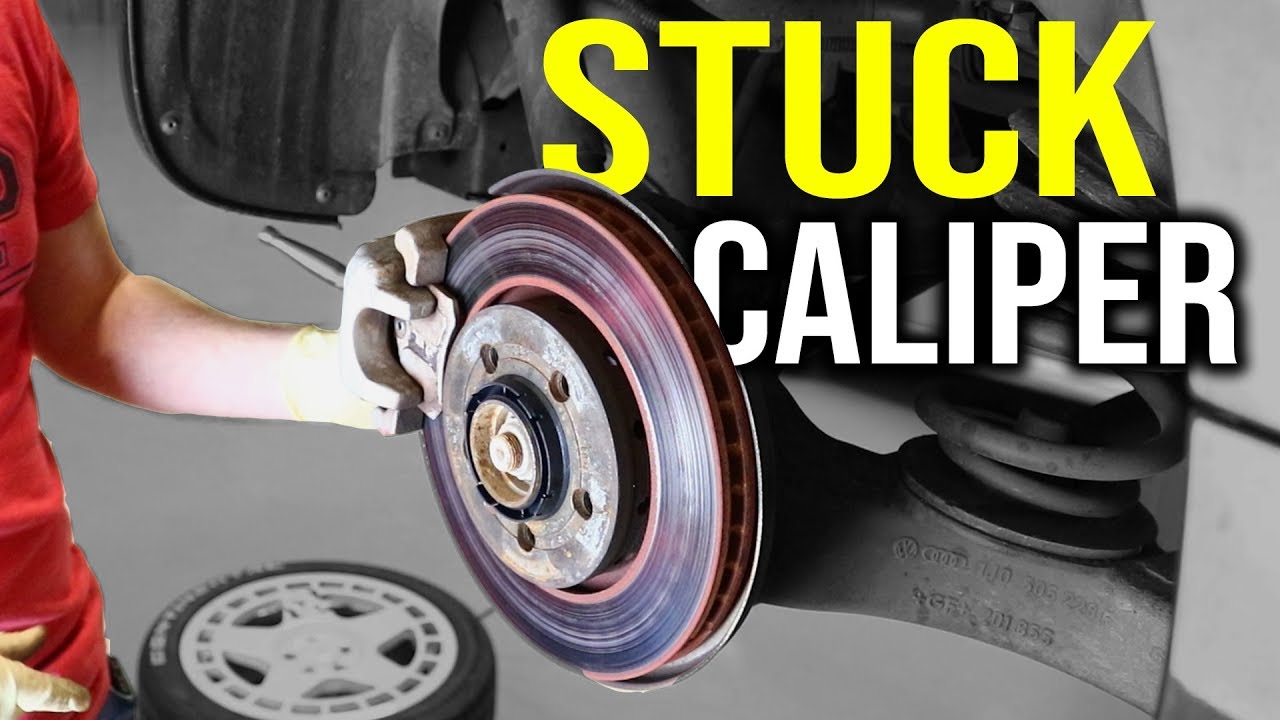
- ✦ Stuck caliper piston
Rust or corrosion can stop the piston from moving smoothly inside the caliper bore.
- ✦ Frozen slide pins
Dirty or dry guide pins can prevent the caliper from sliding back after braking.
- ✦ Collapsed brake hose
A damaged hose can trap brake fluid pressure and keep the brake applied.
Signs of a locked brake caliper
Common signs include a vehicle pulling left or right, uneven brake pad wear, wheel heat, and a burning odor. You may also hear grinding or feel resistance while driving.
- ✦ Hot wheel
A wheel that feels much hotter than the others may have a brake that is not releasing.
How to diagnose a locked brake caliper safely
Before attempting repairs, park the vehicle on a flat surface and let the brakes cool. Brake parts can become extremely hot after normal driving.
A proper diagnosis is the most important part of how to fix a locked brake caliper. Finding the exact failed part prevents unnecessary repairs.

- ✦ Check wheel temperature
Compare the suspected wheel with the other wheels after a short drive.
- ✦ Inspect brake pad wear
Uneven pad wear can show that one caliper is staying engaged.
- ✦ Test caliper movement
A mechanic can check piston and slide movement after removing the wheel.
How to fix a locked brake caliper step by step
The repair method depends on the damage. Some calipers only need cleaning and lubrication, while others need a rebuild or replacement.
When following how to fix a locked brake caliper instructions, always use the correct tools and follow vehicle safety procedures.
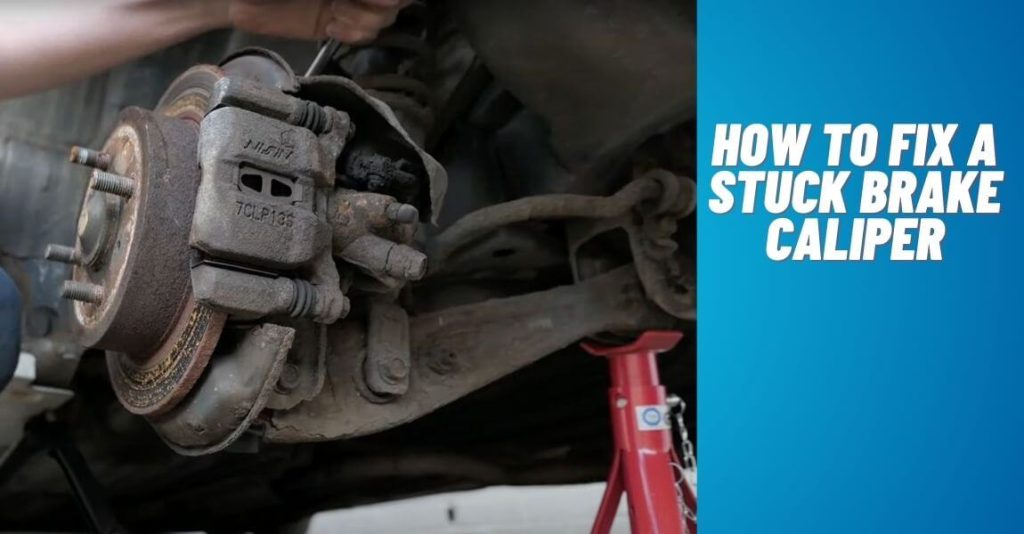
- ✦ Lift and secure the vehicle
Use approved lifting points and jack stands before removing the wheel.
- ✦ Clean the caliper area
Remove dirt and rust from moving surfaces using proper brake cleaning products.
- ✦ Service slide pins
Remove, clean, and apply brake-safe lubricant to the guide pins.
- ✦ Inspect the piston
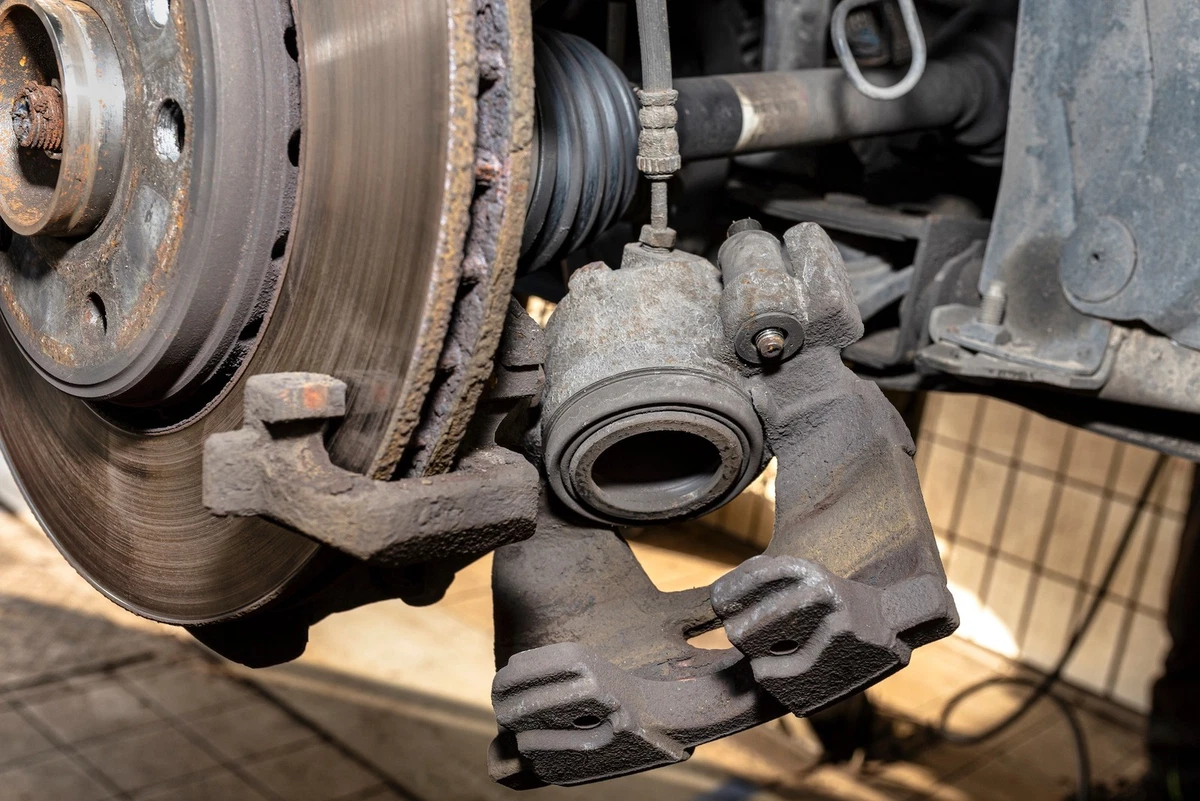
A damaged piston or seal usually requires rebuilding or replacing the caliper.
When cleaning is not enough
A caliper with deep rust, fluid leaks, or a seized piston may not be reliable after cleaning. Replacing the caliper is often the safer repair.
- ✦ Replace damaged parts
New calipers, pads, and related hardware may be needed for a complete repair.
Tools and supplies needed for brake caliper repair
Having the right tools makes the repair safer and easier. Brake work requires care because mistakes can affect stopping ability.
Many home mechanics can handle simple cleaning tasks, but advanced brake repairs may require professional equipment.
- ✦ Basic hand tools
Common tools include sockets, wrenches, screwdrivers, and a torque wrench.
- ✦ Brake cleaner
Use brake cleaner made for automotive brake parts.
- ✦ Safety equipment
Wear gloves and eye protection when working around brake dust and fluids.
How to prevent a brake caliper from locking again
Regular brake care reduces the chance of another locked caliper. Many failures happen because moisture and rust build up over time.
Routine inspections are especially useful for vehicles driven in areas with rain, snow, road salt, or frequent stop-and-go traffic.

- ✦ Inspect brakes regularly
Check brake pads, rotors, and caliper movement during maintenance visits.
- ✦ Replace old brake fluid
Fresh fluid helps protect hydraulic brake parts from moisture problems.
- ✦ Fix small problems early
Address uneven wear or unusual brake heat before major damage occurs.