How to Fix a Seized Brake Caliper Slide Pin: A Complete DIY Guide
Learning how to fix a seized brake caliper slide pin can save money and help restore smooth brake operation. Many American drivers notice the problem after uneven brake wear, a pulling vehicle, or a hot wheel after a short drive.
In my experience working around brake systems, a stuck slide pin is one of the most common issues on floating calipers. The repair is often simple when caught early, but ignoring it can lead to uneven pad wear and extra brake costs.
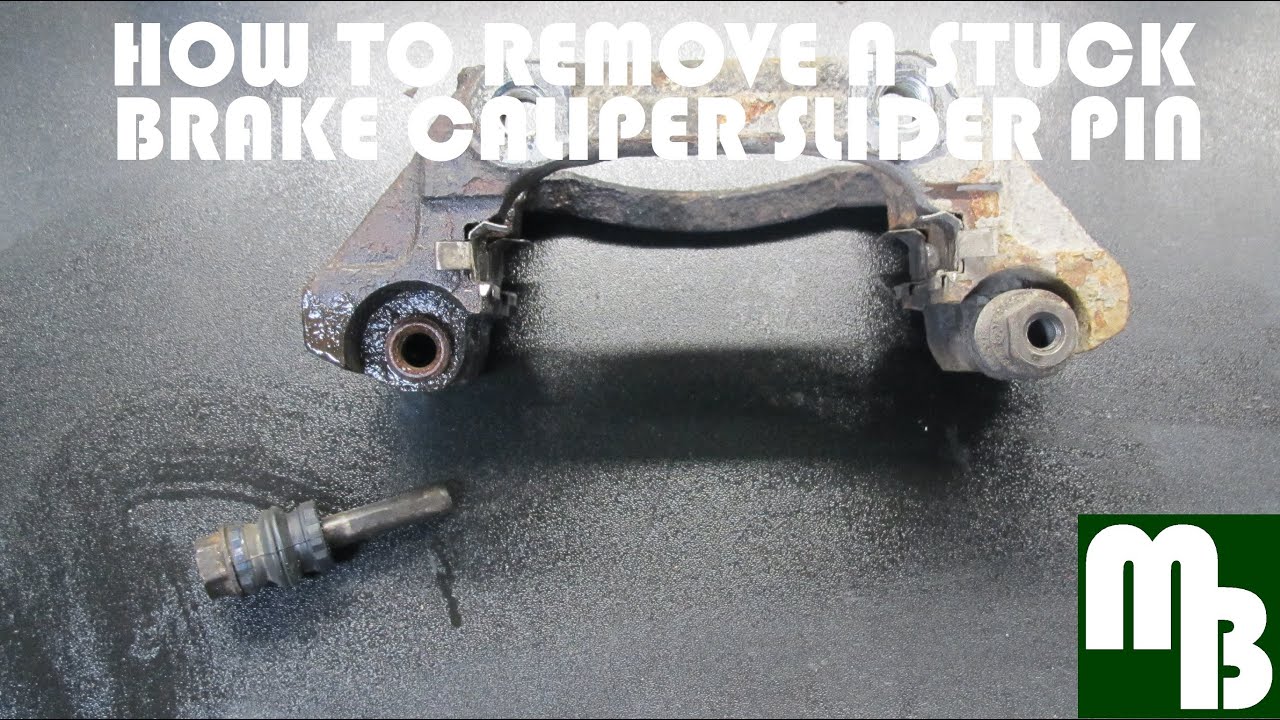
What causes a brake caliper slide pin to seize?
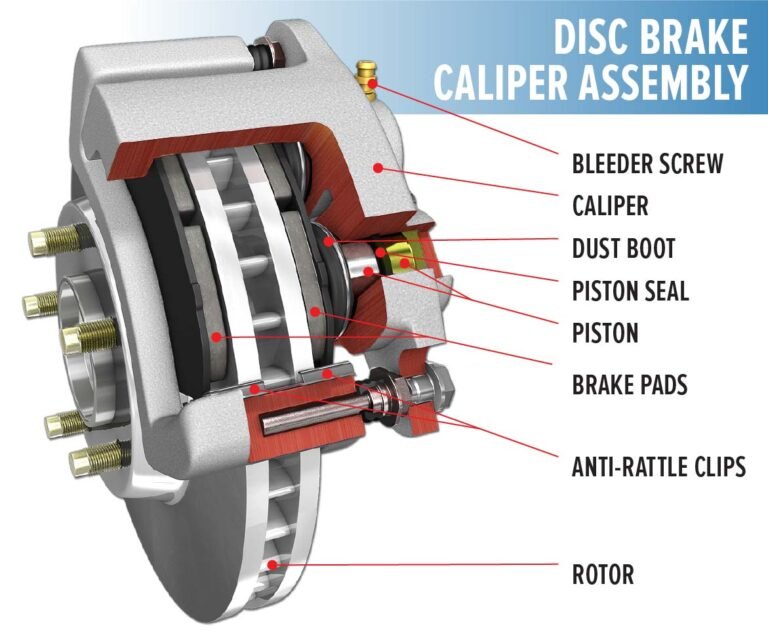
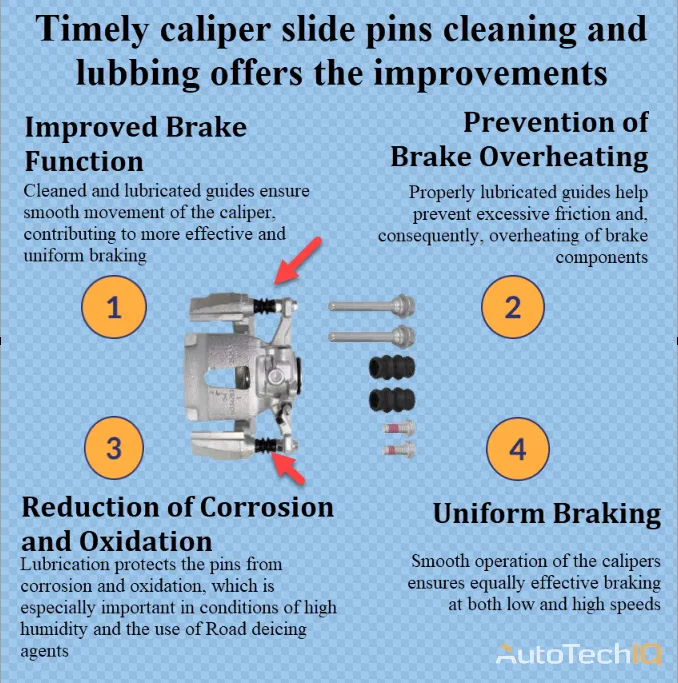
A brake caliper slide pin allows a floating caliper to move back and forth. This movement helps both brake pads press evenly against the rotor.
When moisture enters through a cracked rubber boot, rust can build on the pin. Old grease can also dry out and turn into a sticky paste that stops smooth movement.

- ✦ Rust and corrosion
Water and road salt can damage the metal surface of the slide pin and create binding.
- ✦ Damaged rubber boot
A torn boot lets dirt and water enter the guide pin area.
- ✦ Wrong lubricant
Some greases can swell rubber parts or fail under brake heat.
Signs of a seized caliper slide pin
Common signs include uneven brake pad wear, a vehicle pulling to one side, brake noise, and a wheel that feels hotter than the others.
A driver may also notice reduced fuel economy because a dragging brake creates extra resistance.
- ✦ Uneven pads
One brake pad may wear much faster than the other because the caliper cannot move correctly.
Tools and supplies needed to fix a seized brake caliper slide pin
Before starting how to fix a seized brake caliper slide pin, gather the correct tools. Good preparation reduces the chance of damaging the caliper or surrounding brake parts.
Always work on a cool vehicle. Use jack stands on a flat surface and never rely only on a car jack.

- ✦ Basic hand tools
Use sockets, wrenches, a wire brush, pliers, and a torque wrench if available.
- ✦ Cleaning supplies
Brake cleaner, a clean rag, and a small brush help remove dirt and old grease.
- ✦ Brake lubricant
Use silicone-based or manufacturer-approved brake caliper grease made for slide pins.
Step-by-step: how to fix a seized brake caliper slide pin
The process for how to fix a seized brake caliper slide pin starts with removing the caliper and exposing the guide pins. Take pictures before removal so you can reinstall parts correctly.
Move slowly and avoid forcing parts with extreme pressure. A damaged caliper bracket can create a larger repair.
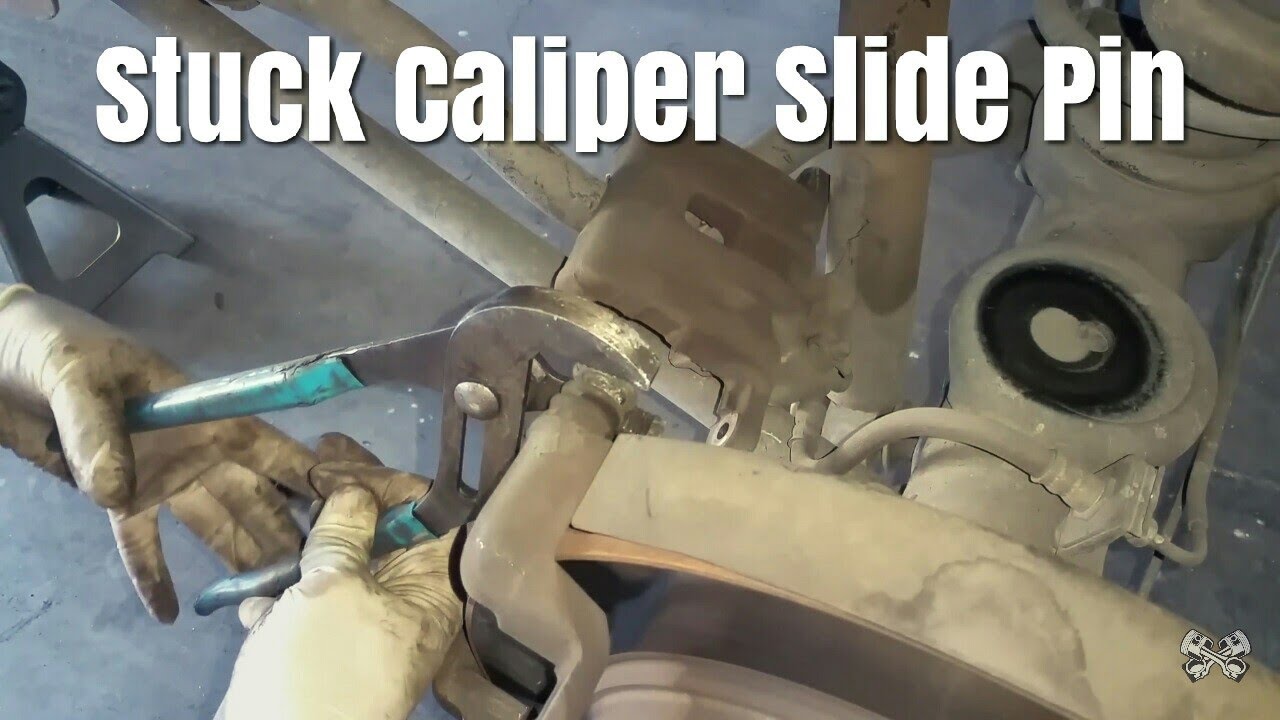
- ✦ Step 1: Remove the caliper
Support the caliper safely and avoid hanging it by the brake hose.
- ✦ Step 2: Free the pin
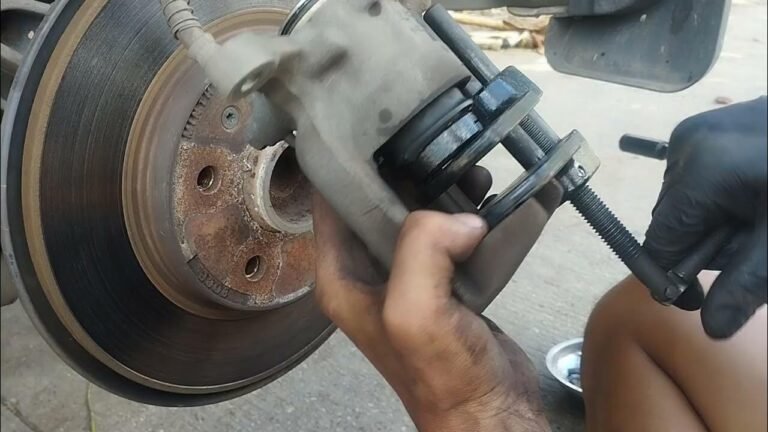
Use gentle twisting, penetrating fluid, and controlled force to remove the stuck pin.
- ✦ Step 3: Clean and lubricate
Remove rust and old grease, then apply a thin layer of brake-safe grease.
- ✦ Step 4: Reassemble and test
Confirm the pin moves smoothly before reinstalling and testing the brakes.
How to remove a pin that will not move
For extremely stuck pins, repeated soaking with penetrating fluid and gentle movement may help. Avoid damaging the pin surface because rough metal can seize again.
If the pin breaks or the bore is badly corroded, replacing the damaged parts is usually safer.
- ✦ Avoid excessive heat
High heat near brake parts can damage seals and nearby components.
How to clean and lubricate brake caliper slide pins correctly
Cleaning is a key part of how to fix a seized brake caliper slide pin. Simply adding grease over rust does not solve the root problem.
Inspect the rubber boot, pin surface, and guide hole. Replace parts that show cracks, deep rust, or damage.

- ✦ Clean the pin
Remove corrosion and old lubricant until the metal surface is smooth.
- ✦ Inspect the boot
A damaged boot should be replaced to keep moisture away.
- ✦ Apply correct grease
Use only brake-compatible lubricant designed for caliper hardware.
When a seized slide pin means you need a replacement
Not every seized pin can be repaired. Severe corrosion, damaged threads, or a worn caliper bracket may require replacement parts.
A safe brake system must allow the caliper to move freely. If movement remains limited after cleaning, continued driving may increase brake wear.
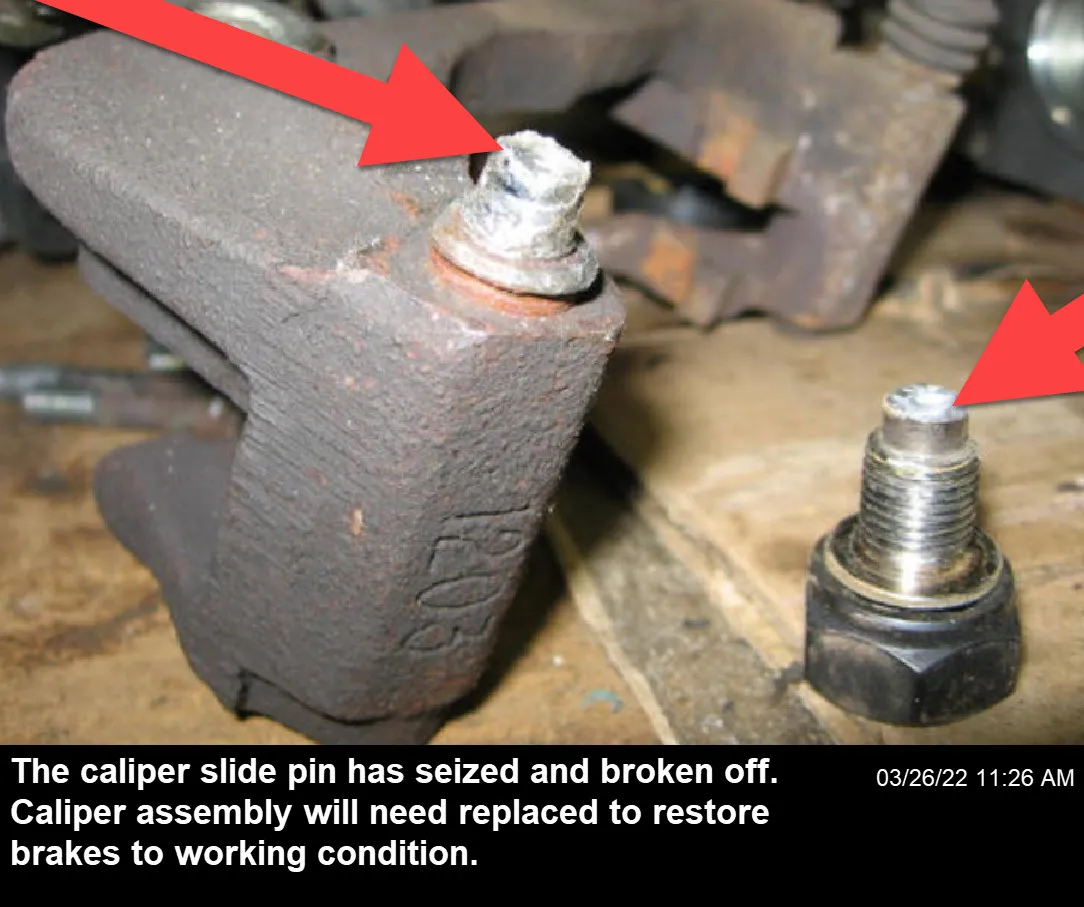
- ✦ Replace the pin
A deeply rusted or damaged pin may not provide reliable movement.
- ✦ Replace the boot
A torn boot can quickly allow the problem to return.
- ✦ Replace the bracket or caliper
Major corrosion or damage may require larger repairs.
Professional inspection situations
Seek professional help if the brake hose is damaged, the caliper is leaking, or you are unsure about brake safety.
Brake repairs affect vehicle control, so correct installation matters more than saving a few dollars.
How to prevent future brake caliper slide pin problems
After learning how to fix a seized brake caliper slide pin, prevention becomes the next goal. Regular brake inspections help catch small issues before they become expensive repairs.
Many technicians check caliper hardware during routine brake service because clean and lubricated slide pins help pads wear evenly.

- ✦ Inspect during brake jobs
Check slide pins whenever brake pads or rotors are replaced.
- ✦ Keep boots healthy
Replace damaged rubber parts before moisture enters.