What Dot Fluid for Sram Brakes: What to Know and Why It Matters
Many riders assume any hydraulic brake fluid will work in a SRAM brake. It will not. SRAM hydraulic disc brakes are designed for DOT 4 or DOT 5.1 brake fluid, depending on the model and service instructions; they are not designed for mineral oil or silicone-based DOT 5 fluid.
If you are searching for what dot fluid for sram brakes, the safest answer is to check the marking on the lever, caliper, owner’s manual, or SRAM service documentation. Use the exact fluid specification for that brake, and do not substitute a different fluid simply because it is available.
The correct fluid for SRAM brakes
Most SRAM hydraulic bicycle brakes use a glycol-based DOT brake fluid. SRAM systems commonly specify DOT 5.1, while some documentation permits DOT 4 or DOT 5.1. The correct choice depends on the specific brake family and its service requirements.
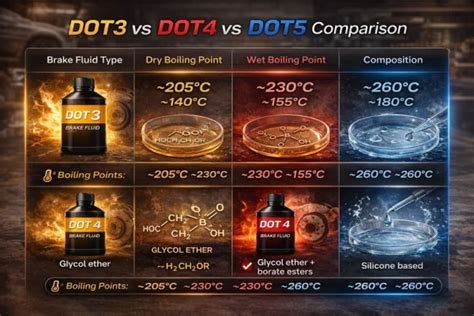
DOT 4 and DOT 5.1 are different classifications, but both are glycol-based fluids and are used in hydraulic brake systems. DOT 5.1 generally has a higher boiling-point specification than DOT 4. However, a higher rating does not automatically make it the correct fluid for every brake. The manufacturer’s specification remains the deciding factor.
For a current SRAM brake, use fresh fluid sold for hydraulic brake systems and identified as DOT 4 or DOT 5.1, only when that grade is approved for the brake. SRAM-branded DOT 5.1 fluid is the straightforward option when the manual calls for DOT 5.1.
DOT 4 versus DOT 5.1
DOT 4 and DOT 5.1 are glycol-ether brake fluids. Both absorb moisture from the air, which is why they are called hygroscopic. Over time, absorbed moisture can lower the fluid’s boiling point and affect braking performance under heavy heat.
DOT 5.1 is not simply “DOT 5 with a different number.” DOT 5.1 is generally glycol-based and is chemically related to DOT 4. DOT 5 is silicone-based and is a different type of fluid altogether. That difference matters because hydraulic brake seals, hoses, and internal components are designed around a specific fluid chemistry.
If a SRAM manual allows both DOT 4 and DOT 5.1, either approved grade can be used. Many mechanics still choose DOT 5.1 because it is the commonly specified SRAM service fluid. The important point is to follow the specification for the exact brake rather than choosing based only on the number printed on the bottle.
Do not assume that mixing fluids is a good maintenance practice. Even when two fluid grades are technically compatible, using one fresh, approved fluid during a bleed reduces uncertainty. Never introduce mineral oil or silicone DOT 5 into a SRAM DOT system.
What not to use
SRAM hydraulic brakes should not be filled with mineral oil unless the specific brake documentation explicitly says otherwise. Mineral oil is used by other bicycle-brake manufacturers, but it is not interchangeable with DOT fluid. The seals and internal materials may be different.
Do not use DOT 5 silicone fluid. DOT 5 is not the same as DOT 5.1. The similar numbering can cause mistakes, especially when shopping online or reading a bottle quickly.
Do not use automotive power-steering fluid, suspension oil, general hydraulic oil, chain lubricant, or an unidentified “brake fluid” from a container without a clear DOT specification. A fluid that looks clean and has the right thickness can still be chemically unsuitable for the brake system.
Also avoid using fluid from an old, open bottle. DOT fluid absorbs moisture after opening, and contamination can reduce performance or introduce particles into the system. A sealed container of the correct specification is the better choice for service.
Why the fluid type matters
The brake fluid does more than transmit pressure. It also contacts the seals, piston cups, hose fittings, and other internal parts. Those parts are selected for compatibility with the specified fluid chemistry.
Using the wrong fluid can cause seals to swell, soften, shrink, or lose their ability to maintain pressure. The result may be a spongy lever, fluid leakage, reduced pad movement, or a brake that fails to build normal pressure. Damage may not appear immediately after the wrong fluid is added.
Contamination can also make a proper repair more complicated. If mineral oil or DOT 5 enters a DOT-based SRAM system, replacing the fluid alone may not restore the system. Hoses, seals, and other components may need inspection or replacement, followed by a complete bleed with the correct fluid.
DOT fluid can damage painted surfaces and some finishes. If fluid spills on a frame, handlebar, or other painted component, wipe it away promptly and clean the area according to the frame and component manufacturer’s guidance. Keep the fluid away from brake pads and rotors because contamination can cause noise and poor braking.
How to confirm the specification
Before opening the bleed port, identify the exact SRAM brake model. Names such as Level, Guide, Code, Apex, Rival, Force, Red, and older model families do not always provide enough information by themselves. A model name can cover several generations with different service details.
- Look for a fluid marking on the brake lever or caliper.
- Check the owner’s manual or SRAM service manual for the exact model and generation.
- Confirm the required bleed procedure and approved fluid grade.
- Use the correct SRAM bleed adapter, hose, syringe, and bleed block for that brake.
If the marking is missing and the brake’s identity is uncertain, pause before adding fluid. A bike shop or SRAM technical resource can help identify the system from the lever, caliper, hose routing, and model details. Guessing is especially risky when the brake may already contain contaminated or incorrect fluid.
What a proper bleed involves
A hydraulic brake bleed removes air and replaces degraded or contaminated fluid. It is not simply a matter of topping off a reservoir. Air in the system can compress under lever pressure, producing a soft lever and inconsistent pad movement.
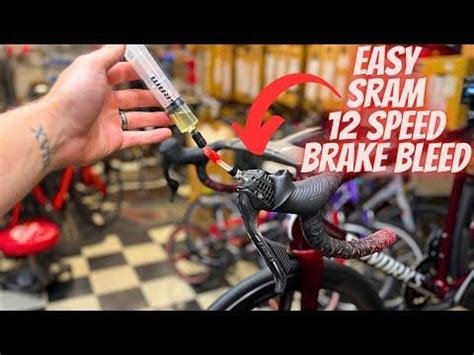
The exact procedure varies by SRAM brake model, so the model-specific manual should control. In general, the process includes fitting a bleed block, connecting the correct syringes or bleed equipment, moving approved fluid through the system, and removing visible air without introducing new bubbles.
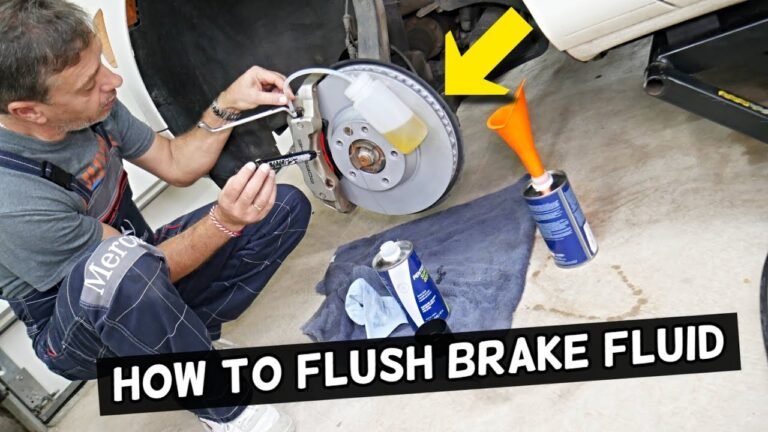
Keep the rotor and brake pads protected throughout the job. Remove the wheel or shield the rotor before handling fluid, and do not allow DOT fluid to reach the friction surfaces. If pads become saturated, cleaning may not restore reliable braking; replacement is often the safer solution.
After bleeding, inspect every connection for leaks and make sure the lever reaches a firm, consistent feel. Reinstall the wheel and verify that the rotor is clean and the caliper is secure. Test the brake at low speed in a safe area before returning to normal riding.
A firm lever does not prove that the job is complete if the system is leaking. Check the hose connection, bleed port, lever body, and caliper for fresh fluid. Any leak should be corrected before riding because hydraulic pressure can fall rapidly when a fitting or seal cannot hold.
Handling and storage precautions
Wear gloves and eye protection when handling DOT fluid, and work in a well-ventilated area. Follow the label for cleanup and disposal. Do not store the bottle with the cap loose, and do not pour used fluid back into a clean container.
Keep DOT fluid away from children, pets, food, and ignition sources. Use clean tools and a clean syringe. Dirt, water, and residue from another type of hydraulic fluid can compromise the brake even when the bottle itself contains the correct DOT grade.
Store the container tightly closed and replace it if the fluid becomes cloudy, contains particles, or has been left open for an extended period. A small amount of fresh fluid is preferable to using a questionable bottle in a safety-critical system.
When professional service is the better choice
Professional service is sensible when the wrong fluid has already entered the brake, the system has a persistent leak, the lever remains soft after bleeding, or the brake model cannot be identified. A shop can determine whether the contamination is limited to the fluid or has affected seals and other components.
It is also worth getting help when a bleed screw, hose fitting, or caliper port is damaged. Overtightening small hydraulic fittings can create a leak or damage the component. SRAM’s service instructions specify the correct procedure and, where applicable, tightening requirements.
Brake work should not be judged only by whether the lever feels better in the repair stand. Reliable braking requires the correct fluid, a sealed system, clean friction surfaces, proper pad installation, and a final test under controlled conditions.
Conclusion
The answer to what dot fluid for sram brakes is usually DOT 5.1, with some SRAM systems permitting DOT 4 as stated in their service documentation. Confirm the exact model before servicing, never use mineral oil or DOT 5 silicone fluid, and protect the rotor, pads, paint, and seals from contamination. Using the approved fluid and following the correct bleed procedure preserves hydraulic performance and helps keep the brake safe to ride.