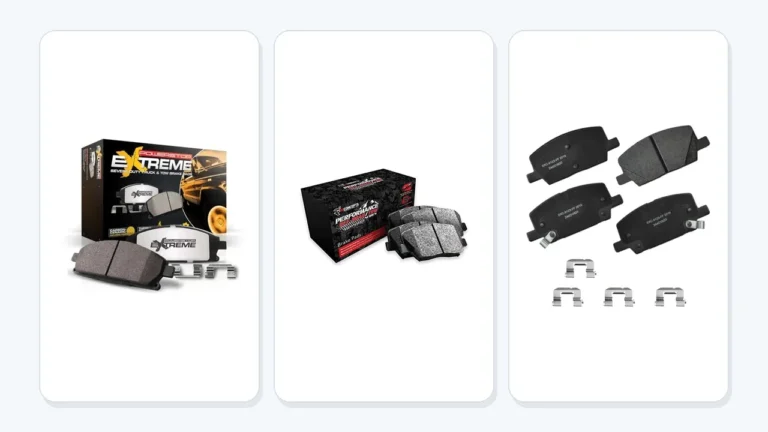
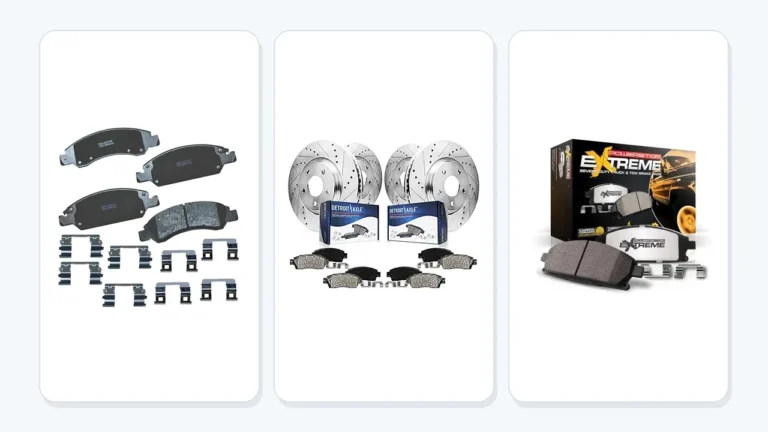
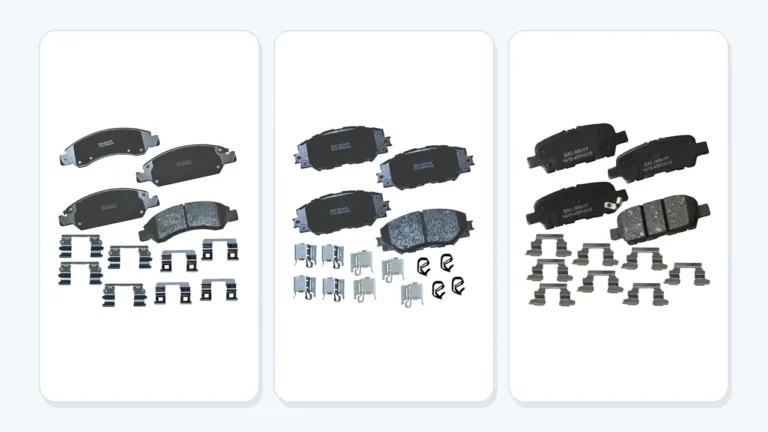
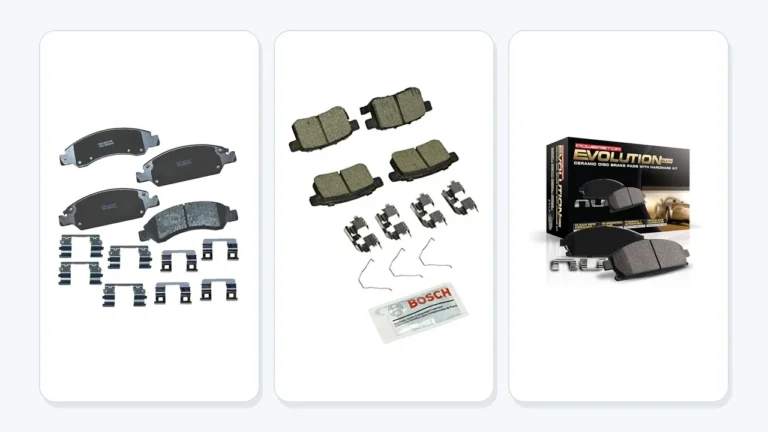
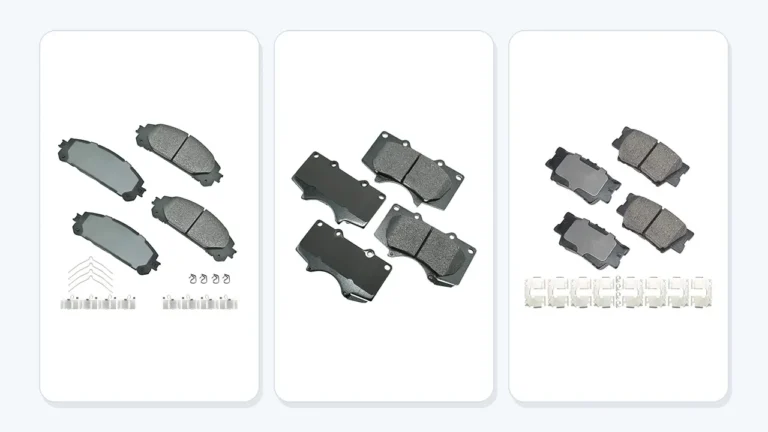
5 Best Organic Brake Pads for Soft, Quiet and Rotor Friendly Stops
As an Amazon Associate, we earn from qualifying purchases made through links in this post, at no extra cost to you.
The wrong brake pad can turn a simple replacement into weak braking, squealing, rotor wear, or a frustrating return. Bike pads can look nearly identical while using different shapes, and car pads must match the exact caliper and axle position. A rushed fit check is not a good place to save five minutes.
The first things to check are shape, vehicle or caliper fit, and the amount of hardware included. The compound affects braking feel and noise, while a correct fit keeps the pad square against the rotor instead of creating uneven wear.
Here is what you will learn:
- How organic, resin, ceramic, and semi-metallic compounds differ.
- Which fit details matter for cars, trucks, and bicycles.
- How to bed in new pads without wasting the first ride.
- How to spot replacement, cleaning, and storage mistakes.
Quick Picks
-
Best For SRAM Brake Compatibility

SRAM Disc Brake Pads – Organic Compound,
Steel-backed organic pads include installation hardware, making them a practical fit for specified SRAM and Avid brakes.
-
Best For Quiet Truck Stops

BOSCH BP1509 QuietCast Premium Ceramic Disc Brake
Ceramic pads use multilayer shims and a rust-resistant backing plate for quieter braking on select Nissan and Infiniti vehicles.
Top 5 Organic Brake Pads at a Glance
These five choices cover two very different jobs: bicycle disc brakes and passenger-vehicle brakes. Start with SRAM or Bosch only after confirming the exact brake system, while Tektro, Magititi, and LENITEX require a careful bicycle pad-shape check.
| Product image | Product name | Check product |
|---|---|---|
| 1 |
SRAM Disc Brake Pads – Organic Compound, | Check Price |
| 2 |
BOSCH BP1509 QuietCast Premium Ceramic Disc Brake | Check Price |
3 |
Tektro E10.11 Organic Compound Disc Brake Pads | Check Price |
4 |
4 Pairs Organic Resin Bike Bicycle Disc | Check Price |
5 |
LENITEX Organic Resin Bike Disc Brake Pads | Check Price |
5 Best Organic Brake Pads: Detailed Reviews
When I chose the best organic brake pads, I paid attention to compound type, backing material, fit information, included hardware, and the kind of riding or driving each set suits. Those details help prevent squeal, uneven contact, wasted installation time, and a pad that cannot safely fit the caliper.
The group is not one simple ranking of identical parts. Bosch is for specified vehicles, while the other four are bicycle disc brake options with different compatibility lists and package sizes, so comparing the choices side by side helps you avoid buying a larger pack that does not match your brakes.
1. SRAM Disc Brake Pads – Organic Compound,
Steel-backed organic pads include installation hardware, making them a practical fit for specified SRAM and Avid brakes.
- ColorSilver
- SizePowerful Organic
- Is Adult ProductFalse
- Release Date2023-10-06T00:00:01Z
SRAM Organic Brake Pads suit riders with specified SRAM or Avid disc brake systems who want a steel-backed organic replacement with installation pieces included.
Steel backing and organic friction
A steel backing plate is the rigid layer behind the friction material. It holds the pad steady as the caliper pushes it toward the rotor, so the braking force is supported instead of concentrated in a soft, flexible layer.
The organic compound is the material that rubs against the rotor. Organic pads generally give a smoother, quieter feel than many metal-heavy compounds, though exact noise and wear depend on the rotor, weather, setup, and riding style.
For a rider who dislikes harsh lever feel or squealing, the SRAM pad shape and compound may be a sensible starting point. The pad still needs to match the brake body exactly, since a similar-looking shape is not enough.
Included installation pieces
This SRAM set includes two brake pads, a pad spreader spring, a pad pin, and a clip. The spring helps keep the pads positioned, while the pin and clip retain the assembly inside the brake.
Having those pieces together can save a second parts order during a routine replacement. It does not remove the need to inspect the old hardware, because damaged or bent retaining parts should not be reused just because the new pads include replacements.
The listed compatibility covers Avid DB1, DB3, DB5, Elixir, Elixir CR, Elixer R, X0, XX, and certain SRAM road brake systems. Check the exact brake name and pad shape before ordering, especially if the bicycle has been upgraded over time.
Pros:
- Steel backing plate, supports steady pad contact.
- Organic compound, gives a smoother braking feel.
- Pad spreader spring included, simplifies replacement.
- Pad pin and clip included, reduces extra parts hunting.
- Wide listed SRAM and Avid compatibility, helps narrow fit choices.
Cons:
- Compatibility depends on exact brake model and pad shape.
- The listing does not state a pad thickness or weight.
- Organic pads may not suit riders who often brake through heavy heat.
Buy it if: you have a listed SRAM or Avid brake, because the steel-backed organic pads and included retaining hardware simplify a matched replacement.
Skip it if: you need a pad for an unlisted bicycle caliper, because the shape may not seat correctly, and a pad made for your exact caliper type would suit you better. For another fit, consider Bosch or Tektro.
I’d pick the SRAM pad for a rider who already knows the brake family and wants the small installation parts in the same package. The steel backing gives the pad a firm base, while the organic compound points toward a controlled everyday feel. Double-check the spelling and full brake model before buying, since one letter in a caliper name can lead to the wrong shape.
This SRAM brake pad is most sensible for a compatible commuter, road, or trail bicycle that needs a straightforward replacement.
2. BOSCH BP1509 QuietCast Premium Ceramic Disc Brake
Ceramic pads use multilayer shims and a rust-resistant backing plate for quieter braking on select Nissan and Infiniti vehicles.
- SizeBP1509
- PositionFront
- ColorFront
- Release Date2012-07-06T00:00:01Z
Bosch BP1509 QuietCast is a front axle pad set for select Nissan and Infiniti vehicles, including listed Armada, Titan, QX56, and QX80 applications.
Ceramic friction and low dust
A ceramic friction material uses ceramic-based fibers and other compounds to create stopping friction. In this set, the listed material is designed for quiet operation, strong stopping, and low dust compared with many traditional pad formulas.
Lower visible dust can help keep front wheels cleaner, though no brake pad stays completely dust-free. The actual feel still depends on the vehicle, rotor condition, caliper movement, and correct installation.
For a large SUV or pickup owner, the main benefit is a pad aimed at smooth, quiet daily stops rather than a bicycle-style replacement. The fit must be checked by vehicle year, trim, engine, and front axle position.
Multilayer shim and coated backing
A shim is a thin layer attached to the back of a brake pad that helps control vibration between the pad and caliper. Bosch lists pre-attached multilayer rubber-core shims, which are intended to reduce noise and resist corrosion at the bonded layers.
The backing plate also has a powder coating that helps protect against rust and corrosion. That matters in areas where road salt, rain, and winter grime attack exposed brake hardware.
The set includes pads for one axle, covering two wheels, plus a hardware kit where available and synthetic lubricant for sliding contact points. Lubricant belongs only on the specified contact areas, never on the friction face or rotor.
Bosch lists compatibility with select 2011-2013 Infiniti QX56, 2014-2023 QX80, 2012-2015 and 2017-2023 Nissan Armada, and 2011-2015 and 2017-2023 Nissan Titan applications. Treat those years as a starting point, not a substitute for checking the exact vehicle listing.
Pros:
- Ceramic friction material, supports quiet daily stopping.
- Multilayer rubber-core shim, helps limit brake noise.
- Powder-coated backing plate, resists rust and corrosion.
- One-axle set, covers both front wheels.
- Hardware and lubricant included where available, supports installation work.
Cons:
- Front fitment is limited to specified vehicles and applications.
- Vehicle trim and engine can change compatibility.
- The set is not a bicycle brake-pad option.
Buy it if: you drive a listed Nissan or Infiniti vehicle, because the front-axle set combines ceramic friction material with noise-control and corrosion-resistant backing features.
Skip it if: your vehicle fit is uncertain or you need rear pads, because BP1509 is listed for select front applications, and a confirmed axle-specific set would suit you better. Sram and Tektro are worth a closer look instead.
Bosch earns the second position because the package is clear about its intended vehicle type, axle, shims, and backing protection. I like that the buyer gets more than bare friction blocks, since noise control and sliding hardware matter during a real brake job. Check the vehicle fit checker and compare the old pad shape before ordering, particularly for a truck with multiple trim options.
This Bosch set is the practical choice for a listed Nissan or Infiniti driver who values quiet front braking.
3. Tektro E10.11 Organic Compound Disc Brake Pads
A catalog-verified brake pads with listed product details worth comparing against your own needs.
- ColorBlack
- Number Of Items2
- WeightNot listed; check details
- DimensionsNot listed; check details
Tektro E10.11 Organic Pads are a two-pad bicycle disc brake replacement for the listed MD-M500 two-wheel brake application.
Simple two-pad package
The package contains two pads, which normally corresponds to one bicycle brake caliper. The two-pad count is useful for a rider replacing one brake position, but it does not cover both front and rear brakes.
The listing identifies an organic compound, so the pad is aimed at the softer, quieter side of bicycle braking rather than a metal-heavy setup. Organic friction can feel pleasant for commuting and ordinary rides, while repeated steep descents may place greater heat demands on the brake system.
This choice makes sense only when the caliper accepts the E10.11 shape. Bicycle pads are small, and a close visual match can still leave the retaining hole, spring, or contact edges in the wrong place.
Fit before installation
The most important check is the brake name and pad shape, not the color alone. Confirm the MD-M500 application and compare the old pad with the replacement before removing the working set.
A correct fit lets the friction surface sit fully over the rotor track. An incorrect fit can create partial contact, uneven wear, rubbing, or a pad that cannot be held securely by the retaining hardware.
The listing provides no additional technical measurements, such as thickness, dimensions, or backing material. That means the buyer should inspect the actual compatibility details instead of assuming the E10.11 label covers every Tektro brake.
Pros:
- Organic compound, suits riders seeking a calmer brake feel.
- Two-pad package, covers one listed brake position.
- MD-M500 application, gives a specific starting point for fit.
- Simple package size, makes the intended quantity clear.
Cons:
- The listing provides few technical details beyond count and color.
- Two pads do not replace both bicycle brake positions.
- Exact caliper compatibility still needs confirmation.
Buy it if: your bicycle uses the listed Tektro MD-M500 brake, because the two-pad organic set matches a single brake position.
Skip it if: you cannot confirm the E10.11 shape, because the limited listing details leave too much room for a fit error, and a clearly matched caliper pad would suit you better. If those trade-offs rule it out, Sram or Bosch may suit you better.
The Tektro pad is appealing for a rider who wants a small, focused replacement instead of a bulk pack. The two-pad count is easy to understand, but the thin product information means fit checking matters more than usual. I would verify the old pad shape and brake marking before placing the order, then replace both pads in the same caliper together.
This Tektro option is best for a bicycle owner with a confirmed MD-M500 setup.
4. 4 Pairs Organic Resin Bike Bicycle Disc
The catalog lists Pro Quality – Our brake pads are made up of High Quality fibers and organic material that are bonded together . Compare fit and care needs before choosing.
- ColorBlack
- Number Of Items8
- NoiseQuieter Performance – Magititi organic resin brake pads make less noise than sintered metal pads and offer bet
- WeightNot listed; check details
Magititi Shimano Organic Resin Pads suit bicycle owners who need four pairs for listed older Shimano disc brake systems and want a quieter resin compound.
Resin compound and modulation
A resin compound uses organic fibers bonded with resin to create the friction surface. The listing describes this compound as providing a strong initial bite, low rotor wear, and a comfortable braking feel.
Modulation means how easily you can control braking from gentle slowing to a firm stop. A pad with useful modulation can help a rider make small lever changes on loose paths, crowded streets, or slow technical sections.
The listing also says the resin pads make less noise than sintered metal pads. That does not guarantee silence, since rotor contamination, alignment, moisture, and bedding all affect sound.
Four-pair package
The package includes four pairs, or eight pads. That quantity can cover the front and rear brakes of one bicycle if the same pad shape is used at both ends, or it can provide replacements for more than one service interval.
The long compatibility list includes Shimano Deore XT, XTR, LX, SLX, Saint, Hone, and several other series. A long list is useful only when the exact caliper and pad shape match, so compare the old pad before ordering.
The listing calls the pads easy to install and includes a fit reminder. Follow the bicycle manufacturer’s retaining-hardware method, keep grease away from the friction surfaces, and make sure the rotor is clean before bedding the new pads.
The package size is the main distinction here. A rider replacing only one caliper may have several spare pairs, while a shop, household with multiple bicycles, or frequent rider may find the quantity more useful.
Pros:
- Four-pair package, provides eight replacement pads.
- Organic resin material, supports a quieter braking feel.
- Long Shimano compatibility list, covers many older systems.
- Low rotor wear claim, suits routine bicycle riding.
- Better modulation than listed metal alternatives, helps controlled braking.
Cons:
- Exact Shimano shape must be checked before ordering.
- Eight pads may be more than one bicycle needs.
- Organic resin may be less suited to repeated extreme heat.
Buy it if: you have a listed Shimano caliper and need several replacement pairs, because the resin compound and eight-pad package suit ongoing bicycle maintenance.
Skip it if: you need only one pad pair or use a different caliper shape, because the larger pack may waste money, and a single matched pair would suit you better.
What I like about the Magititi set is the quantity for a rider who maintains more than one brake position or bicycle. The resin material points toward quieter, more controlled everyday braking, and the compatibility list gives experienced Shimano owners a useful place to start. The catch is simple: count and brand names cannot replace a shape comparison.
This set is a good fit for a rider with a listed older Shimano system who will actually use the extra pairs.
5. LENITEX Organic Resin Bike Disc Brake Pads
The catalog lists WIDE OEM COMPATIBILITY (Full List in Photos) — Fits Shimano Acera, Alivio, Altus, Deore & Nexus hydraulic/mech. Compare fit and care needs before choosing.
- ColorGreen
- WeightNot listed; check details
- DimensionsNot listed; check details
- MaterialNot listed; check details
LENITEX Organic Resin Pads are a one-pair bicycle replacement aimed at daily road, hybrid, city, and light mountain-bike riding in dry to moderate conditions.
Broad listed compatibility
The listing names Shimano Acera, Alivio, Altus, Deore, and Nexus calipers, along with several MT, B, M, T, C, and TRP Spyre applications. It also mentions compatible Tektro and Promax calipers.
A compatibility chart is a reference list that helps match the pad shape to the brake body. Even a broad chart cannot cover every trim or revision, so compare the exact caliper marking and old pad before ordering.
For a commuter, broad fit information can save time when the bicycle uses a common hydraulic or mechanical disc brake. The benefit disappears if the pad sits too short, too wide, or too far from the retaining pin.
Quiet resin and heat ratings
The organic fiber and resin-binder compound is described as quiet, with a small amount of copper fiber for initial bite. The listing gives a normal rating of 392°F and a peak rating of 752°F.
Those figures describe the stated heat limits, not a promise that every rider will get the same result. Terrain, rider weight, weather, rotor condition, brake adjustment, and braking habits all change real heat levels.
LENITEX also lists low dust, minimal rotor wear, fast bed-in, and an expected range of 8,000 to 10,000 kilometers. The listing says actual lifespan varies, so treat that range as a factory-rated estimate rather than a guaranteed replacement schedule.
The one-pair package is appropriate for one brake position. A rider replacing front and rear pads will need to confirm both shapes and quantities before ordering.
Pros:
- Broad Shimano, Tektro, TRP, and Promax fit list.
- Organic resin and copper fiber, supports quiet initial bite.
- Stated heat ratings, give the buyer useful context.
- One-pair package, fits a single replacement position.
- Daily riding focus, suits road and city commuting.
Cons:
- Exact caliper match still requires a chart check.
- One pair does not cover both bicycle brake positions.
- Stated lifespan varies with terrain and braking habits.
- Dry-to-moderate use focus may not suit severe riding conditions.
Buy it if: you have a listed Shimano, Tektro, TRP, or Promax caliper, because the quiet resin compound and one-pair format suit everyday riding.
Skip it if: you regularly ride long, steep descents or wet, demanding trails, because the intended use is daily riding in dry to moderate conditions, and a pad designed for harsher heat would suit you better.
I’d choose LENITEX when the compatibility chart clearly matches the bicycle and the goal is quiet commuting rather than aggressive downhill use. The heat figures and listed riding range give more useful boundaries than a vague claim that the pad works everywhere. Check the exact caliper code, old pad outline, and whether one pair covers the brake position being serviced.
This pad is best for a commuter or casual rider who wants a quiet, predictable replacement.
How to Choose the Best Organic Brake Pads
The best organic brake pads are the ones that fit the exact brake system, match the way you ride or drive, and arrive with the hardware needed for a safe installation. Start with compatibility, then consider compound feel, heat, noise, package size, and the condition of the rotor.
Match the brake system first
A car brake pad must match the vehicle, year, trim, engine, axle, and sometimes the caliper. A bicycle pad must match the brake brand, caliper family, pad shape, and retaining arrangement.
Write down the full marking from the old pad or caliper before shopping. For a vehicle, verify front or rear position and confirm whether the set covers one axle, which normally means two wheels.
For a bicycle, remove the old pad only after taking a clear photo of its shape. Keep the old pad nearby until the replacement is confirmed, because small tabs and retaining holes can be easy to overlook.
Understand organic, resin, and ceramic terms
Organic and resin pads use non-metal-heavy friction materials that often give a quieter, smoother feel. Ceramic pads are commonly used in vehicle applications where low noise and low dust are valued.
Semi-metallic pads contain more metal and may suit heavier heat or hard braking, while often creating more noise or rotor wear. A useful comparison is available in semi-metallic brake pad options for drivers whose loads and braking demands are higher.
No compound wins every job. A quiet city commuter, a loaded truck, and a bicycle used on long mountain descents place different demands on the brake system.
Check the pad shape and size
The correct shape should match the old pad in length, width, tabs, holes, and contact area. Do not use color as a fit guide, because black, silver, or green finishes do not identify the caliper.
For automotive pads, match the exact part number and axle position. For bicycle pads, compare the outline and retaining hole, then confirm the brake family in the compatibility list.
If a listing provides no dimensions, use the brake marking and old pad shape as the deciding evidence. Never force a pad into a caliper because the friction block seems close enough.
Decide how much heat you need
Heat comes from turning motion into friction, and repeated braking creates more of it than a few gentle stops. Organic bicycle pads can suit daily riding, while repeated steep descents or heavy loads may call for a different compound and cooling setup.
Look at your real use, not an imagined perfect day. A flat commuter route, a loaded pickup, and a long mountain road should not be judged by the same pad criteria.
If the listing gives a heat rating, treat it as a stated limit or guide, not a guarantee of identical results. Rotor size, caliper condition, rider weight, tire grip, and braking technique still matter.
Consider noise, dust, and rotor wear
Organic and ceramic compounds are often chosen for quieter braking and lower dust. Noise can also come from contamination, loose hardware, a rough rotor, incorrect bedding, or a caliper that does not release evenly.
Drivers wanting a cleaner wheel and quieter stop may prefer a ceramic automotive pad when the fit is confirmed. A broader discussion of quiet brake pad choices can help separate compound claims from setup problems.
For bicycles, inspect the rotor before blaming the pad. Oil, chain lubricant, or cleaning spray on the friction surface can create noise and weak braking.
Buy the right package quantity
A car set labeled for one axle usually covers two wheels, while a bicycle pair generally covers one caliper. Four pairs can be useful for several service jobs, but only if the shape fits the brakes you own.
Count the number of calipers being serviced before ordering. Buying too few creates a second order, while buying too many ties up money in parts that may never fit another bicycle.
How to Use Organic Brake Pads for the Best Results
New pads need a careful installation and bedding process before they deliver their normal feel. Bedding transfers a controlled layer of friction material to the rotor, which helps the pad and rotor work together evenly.
- Confirm the pad shape, brake position, and retaining hardware before removing the old pad.
- Inspect the rotor for deep grooves, heavy rust, oil, cracks, or a sharp worn edge.
- Clean the rotor with an appropriate brake-safe cleaner and a clean, lint-free cloth.
- Install the pads with the friction faces toward the rotor and the retaining hardware secured.
- Squeeze the brake lever gently to confirm the pad sits square and does not rub badly.
- Test the brake at walking speed in a safe, open area before normal riding or driving.
- Bed the pads with repeated moderate stops, allowing movement between stops so the brake can cool.
- Stop the bedding process if the lever feels abnormal, the vehicle pulls, or braking becomes weak.
Do not touch the friction surface with greasy fingers. On a car, do not apply lubricant to the pad face or rotor, and follow the vehicle’s service instructions for caliper hardware.
For a bicycle, avoid holding the brake lightly for a long downhill stretch during bedding. Controlled stops with cooling time are easier on the rotor and help avoid an uneven transfer layer.
How to Make Your Organic Brake Pads Last Longer
Clean brakes, correct alignment, and moderate braking extend pad life more reliably than chasing a particular brand. The maintenance schedule should follow your use, with more frequent checks after rain, mud, road salt, or steep riding.
Inspect bicycle pads every few rides if you commute in wet or gritty conditions, and inspect them before long trips. Check vehicle pads during routine service and ask for the remaining friction material to be measured rather than judged by sound alone.
Keep rotors dry and free of chain oil, wheel polish, grease, and silicone sprays. If contamination reaches the friction material, cleaning may not restore safe performance, and replacement can be safer than trying to rescue a contaminated pad.
Store spare pads in a clean, dry bag away from lubricants. Do not leave loose pads where metal filings, dirt, or workshop spray can settle on the friction surface.
Use both brakes smoothly instead of dragging one brake for miles. On a bicycle, shift to a lower gear before a descent and brake in short, controlled applications when conditions allow.
Replace a pad when the friction material is too thin, damaged, crumbling, oil-soaked, or unevenly worn. A new pad cannot correct a bent rotor, seized caliper, damaged spring, or loose mounting hardware.
Common Mistakes to Avoid When Buying and Using Organic Brake Pads
Brake-pad problems usually start with fit, contamination, or skipped bedding rather than a mysterious defect. These mistakes are easy to prevent once you know what to check.
- Ordering by brand only: One brand can make many shapes, so match the exact caliper and part number.
- Ignoring axle position: Front and rear vehicle pads can differ, so confirm the required position before paying.
- Assuming a two-pad pack covers a bicycle: Two pads normally service one caliper, so count front and rear positions.
- Choosing by color: Finish colors are not fit standards, so compare the outline and retaining holes.
- Touching the friction face: Skin oils can affect contact, so handle pads by the backing plate.
- Skipping rotor inspection: A worn or contaminated rotor can ruin new pads, so inspect and clean first.
- Riding hard immediately: Fresh pads need bedding, so use controlled stops before returning to normal speed.
How to Set Up Organic Brake Pads
Installation is not difficult for every brake, but the retaining pin, spring, caliper access, and adjustment method vary. If the pad does not sit square or the brake feels wrong, stop and have a qualified bicycle or automotive mechanic inspect the work.
- Photograph the old assembly before removal, especially the spring and retaining pin direction.
- Confirm the new pad shape against the old pad and the brake compatibility information.
- Clean the rotor or inspect the vehicle rotor without spraying cleaner onto the friction material.
- Remove the old retaining hardware carefully, keeping small clips from falling into dirt.
- Fit the new pads and spring in the same orientation as the original assembly.
- Reinstall the pin or clip fully, then check that the pads cannot slide out.
- Pump the lever gently until the pad position feels normal, without squeezing a bicycle lever with the wheel removed unless the brake system allows it.
- Perform a slow test and bedding sequence before regular riding or driving.
A car brake job may require additional caliper steps, torque settings, piston retraction, or electronic service procedures. Do not guess at those steps, because incorrect caliper assembly can affect steering, wheel movement, and stopping control.
Common Questions About Organic Brake Pads
Are organic brake pads good for daily driving?
Organic brake pads can be a good fit for quiet, routine driving when the exact vehicle fit is confirmed. They often favor smooth operation and lower noise, but heavy towing, repeated mountain braking, or severe heat may call for a different compound and a brake system matched to that work.
Are organic brake pads suitable for bicycles?
Organic or resin bicycle pads can suit commuting, road riding, and ordinary trail use. Confirm the caliper shape first, then consider weather, rider weight, hills, and how often the brakes face long heat-building descents.
How long do organic brake pads last?
Pad life depends on vehicle weight, rider weight, terrain, traffic, weather, rotor condition, and braking habits. Inspect the friction material regularly instead of using a fixed mileage guess, since a flat commuter route and a steep trail can wear pads at very different rates.
Do organic pads make less noise than metallic pads?
Organic pads often produce a quieter feel than metal-heavy pads, but noise also comes from rotor contamination, vibration, poor alignment, moisture, and incomplete bedding. A quiet compound cannot correct a bent rotor or a brake pad that does not fit the caliper correctly.
Do new organic brake pads need bedding?
Yes, new pads should normally be bedded with controlled stops before hard riding or driving. Bedding helps create an even contact layer between pad and rotor, while repeated dragging or immediate hard braking can create uneven heat and poor feel.
How do I know which brake pad shape I need?
Use the exact vehicle, caliper, and axle information, then compare the old pad’s outline, retaining hole, tabs, and contact area. If the listing lacks dimensions, a clear photo and the brake marking are useful, but a professional fit check is safer than forcing a near match.
Make the Fit Check Before the Brake Job
The next step is to identify the exact caliper or vehicle application, confirm the axle position, and compare the old pad shape with the replacement listing. Once those details match, choose the package size and compound that fit your real riding or driving conditions, then bed the pads carefully before relying on them for a long trip.