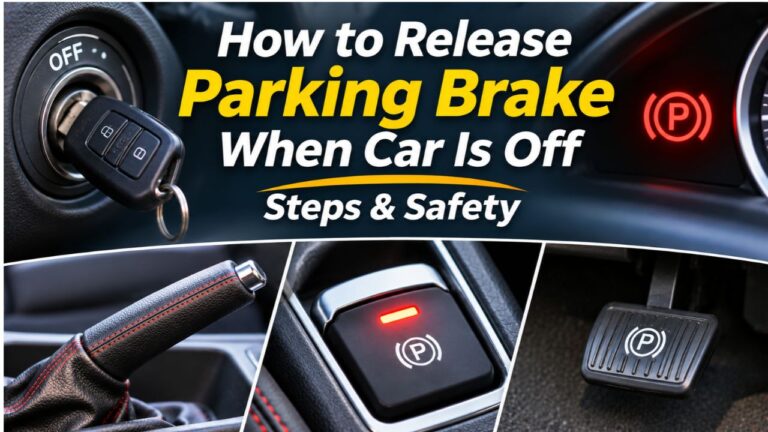
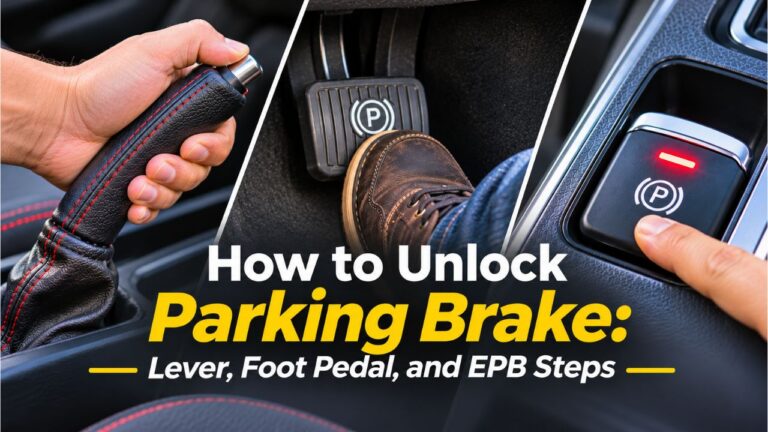
Does the Parking Brake Turn Off Automatically? Release and Safety
Yes, the parking brake turns off automatically in some vehicles with an electronic parking brake (EPB), but not in every car. Depending on the model, an EPB may release when you shift out of Park or gently press the accelerator. A conventional handbrake or foot-operated parking brake normally stays engaged until you release it yourself.
Even an electronic system with automatic release must meet certain conditions. The driver’s door may need to be closed, the seat belt fastened, and the engine running or the vehicle in its ready-to-drive mode. If the parking-brake actuator detects a problem, it may refuse to release automatically.
That difference matters when starting on a hill, backing out of a driveway, or responding to a dashboard warning. Trying to drive through an engaged parking brake can overheat the rear brakes and damage expensive components. This guide explains when automatic release happens, which systems support it, why release may fail, how to verify the brake is off, and when manual release or professional service is needed.
Does the Parking Brake Turn Off Automatically in Every Car?
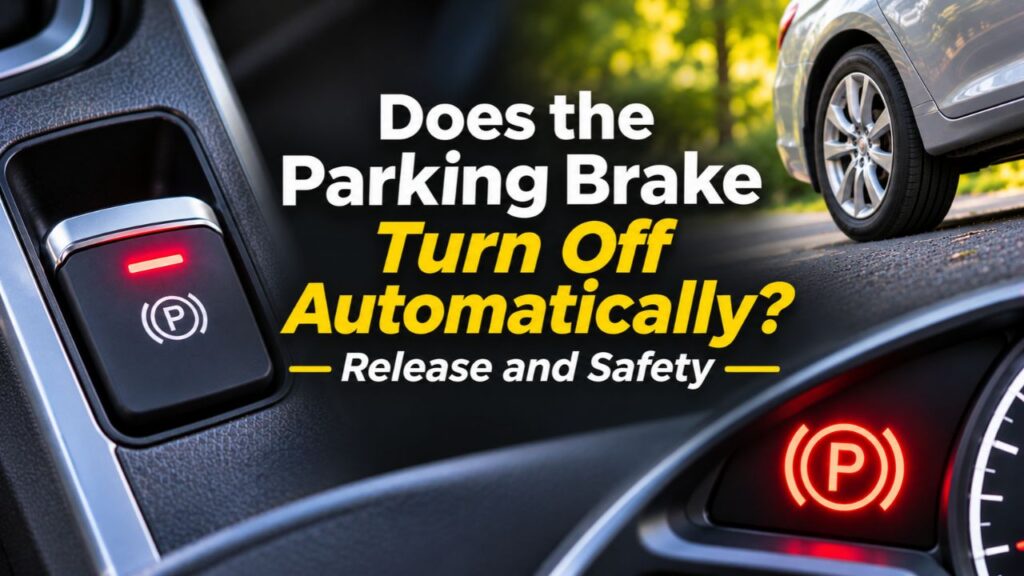
No. Automatic parking-brake release is a vehicle-specific feature, not a standard behavior shared by every parking brake. Many newer vehicles have a switch-operated EPB with a drive-away release function. The system recognizes that the driver intends to move and releases the parking brake under approved conditions.
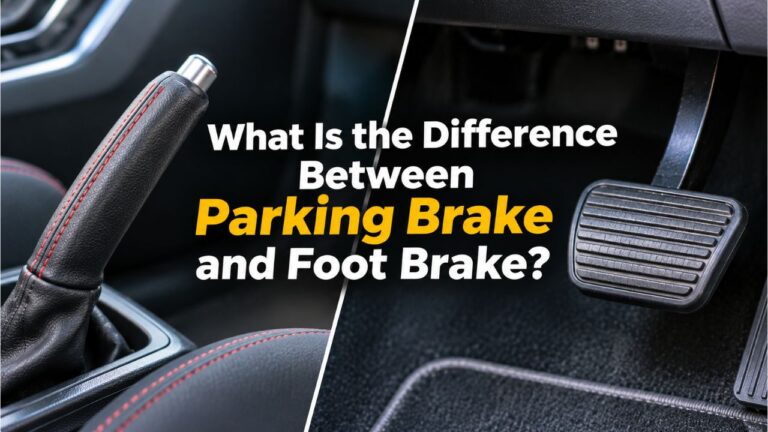
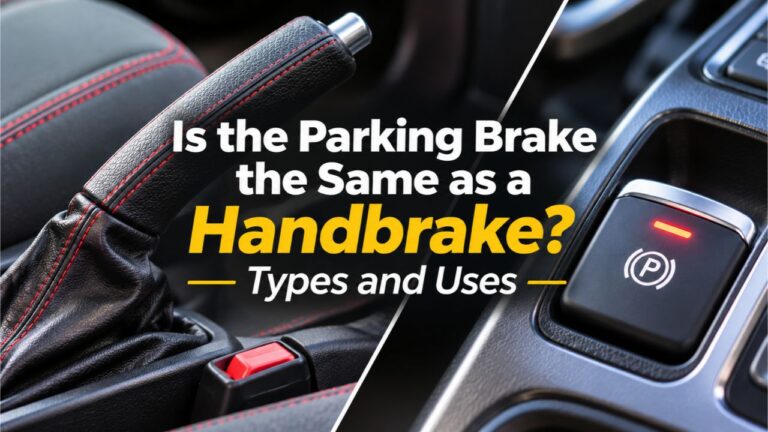
Traditional hand levers and most foot-operated mechanical brakes use cables and locking mechanisms. They cannot release themselves simply because the driver selects Drive or presses the accelerator. A few older vehicles used special automatic-release arrangements, so the owner’s manual is more reliable than the age of the car alone.
| Parking Brake Design | Typical Release Behavior |
| Cable handbrake | Driver presses the button and lowers the lever |
| Mechanical foot parking brake | Driver pulls a handle or operates the pedal release |
| EPB with automatic drive-away release | Releases when specified driving conditions are met |
| EPB without enabled automatic release | Driver uses the EPB switch |
The presence of an electronic switch does not prove that automatic release is enabled.
When Does an Electronic Parking Brake Release Automatically?
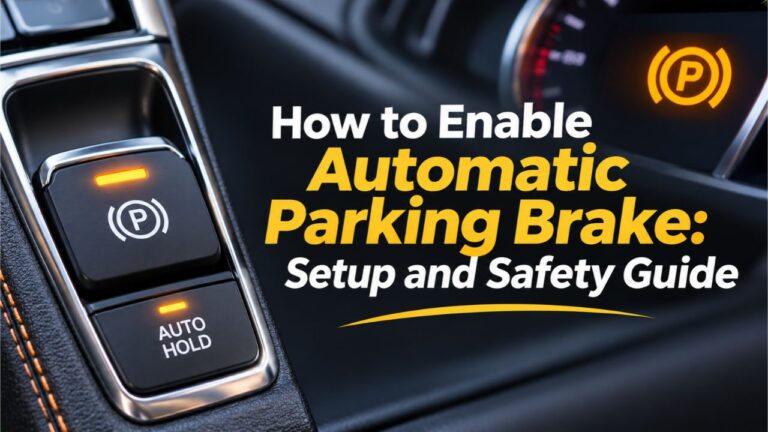
An EPB uses a controller and an electric actuator to apply and release the parking mechanism. Some cars connect the release to the transmission selector; others wait for accelerator input. The method can differ even between models from the same manufacturer.
Release When You Shift Out of Park
In some vehicles, selecting Drive or Reverse with the regular brake pedal depressed causes the EPB to release automatically. The transmission shift signals that the driver is preparing to move, and the system removes the parking-brake holding force.
Toyota’s official parking-brake operating guide describes an automatic mode in which shifting out of Park releases the brake, while shifting into Park applies it. The guide also describes a separate accelerator-operated release function. That is Toyota-specific guidance for the documented system, not a rule for all vehicles.
Release When You Press the Accelerator
Other vehicles use drive-away release. With a driving gear selected and the required safety conditions satisfied, gentle accelerator input tells the car that movement is intended. The parking brake releases as the vehicle prepares to move.
The 2023 Honda Accord’s electric parking-brake instructions describe automatic release with accelerator input when the driver is belted, the engine is running, and the transmission is not in Park or Neutral. On a hill, slightly more accelerator input may be required. Never use excessive throttle to overcome a brake that appears stuck.
Release in a Manual-Transmission Vehicle
A car with a manual transmission and electronic parking brake may coordinate release with clutch and accelerator movement. In a compatible system, the brake can remain applied until enough driving force develops to start moving uphill without rolling backward.
The required gear, clutch position, and engine state depend on the model. Do not assume that raising the clutch or pressing the gas pedal will release every EPB-equipped manual car.
What Conditions Can Prevent Automatic Parking Brake Release?
Automatic release is designed to avoid unintended movement. A vehicle may refuse a release command when it cannot confirm that the driver and vehicle are ready.
Driver’s Door, Seat Belt, and Other Openings
Some cars require the driver’s door to be fully closed and the seat belt fastened. Certain models also check the hood or rear liftgate. A door-latch sensor that incorrectly reports an open door can interfere with release even when the door looks closed.
The 2026 Hyundai electronic parking-brake owner’s-manual guidance describes release linked to gear selection or accelerator input, with requirements involving the driver’s seat belt and closed doors, hood, and liftgate. The same instructions warn against driving with the EPB applied.
Vehicle Power and Transmission Position
Many systems require the engine to be running or an electric vehicle to be in its ready-to-drive state. The transmission must usually be in an appropriate driving gear. Starting the engine alone may leave the parking brake engaged, which is normal for many vehicles.
Warning Lights or a Detected Fault
A malfunction in the EPB, ABS, stability-control system, or related electronics may prevent automatic release. The exact connection varies by model. An amber EPB fault lamp or a message such as “Service Parking Brake” should not be treated as a normal parking-brake-on indication.
Low Battery Voltage
An electric actuator needs adequate power to move. A discharged 12-volt battery, weak connection, or electrical fault may prevent release. If the battery is dead, follow the manufacturer’s power-restoration or towing instructions rather than bypassing the motor.
Will a Handbrake or Foot Parking Brake Release by Itself?
Most mechanical parking brakes stay on until the driver operates the release control. A hand lever commonly has a button at the end: lift the lever slightly, hold the button, and lower the lever all the way. A foot-operated parking brake may use a separate pull handle or release when the parking-brake pedal is pressed again.
These are ordinary manual-release methods, not repairs. If the cabin control returns to its released position but the rear wheels remain restrained, a cable, lever, caliper, or shoe mechanism may be seized. Selecting Drive or applying more throttle will not repair it.
Never assume a manual brake is off just because the car can move. A partly engaged parking brake can create heat and wear even when the engine has enough power to overcome the resistance.
How to Know Whether the Parking Brake Has Turned Off
The best confirmation is the normal release indication described in your owner’s manual, combined with the absence of warnings or mechanical resistance.
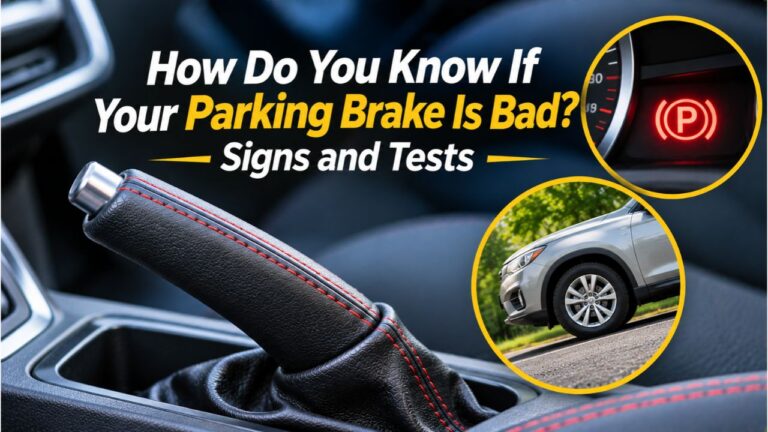
- Check the parking-brake indicator. On many vehicles, the red parking-brake symbol goes out after a confirmed release. A persistent red BRAKE warning can also indicate a separate hydraulic problem, so read the accompanying message.
- Confirm the control position. A manual lever or pedal should return fully to its released position. An EPB switch may spring back after you operate it, so the switch position alone is not proof of release.
- Listen for normal EPB operation. A brief motor or clicking sound can be normal during electronic release, but prolonged grinding or repeated attempts are not reliable signs of success.
- Do not fight unusual resistance. If the car seems held back, a wheel smells hot, or a warning remains, stop the departure attempt and have the system checked.
Do not touch a wheel, rotor, or caliper to test for heat. Brakes that have been dragging can cause serious burns.
Why Isn’t My Parking Brake Turning Off Automatically?
The simplest explanation is that your vehicle does not have automatic release or the feature is disabled. If it worked previously, investigate the operating conditions and warning messages before suspecting an expensive actuator.
Automatic Mode Is Switched Off
Some vehicles let drivers turn automatic parking-brake operation on or off through a prescribed switch procedure or vehicle settings. Others do not offer a selectable mode. A setting changed during service or by another driver may explain different behavior without any broken part.
Door or Seat-Belt Interlock Is Not Satisfied
An open driver’s door or unfastened belt may block drive-away release. Close the door and fasten the belt as the manual instructs. If the system still reports an open door, a latch or sensor fault may need diagnosis. Do not bypass the interlock.
EPB Actuator or Rear Brake Hardware Is Stuck
A motor can fail, and a rear caliper mechanism can seize from corrosion or damage. Mechanical resistance may prevent release even after the controller sends the proper command. Repeated throttle input can overheat the brakes; stop and arrange inspection instead.
The Parking Brake Needs Attention After Repair Work
Rear brake-pad replacement on EPB-equipped cars may require a maintenance mode, reset, or calibration. An actuator connector left unplugged or a procedure not completed can leave the system unable to release normally. Tell the technician if the problem began after brake service.
The Vehicle Has an Electrical or Control Fault
Low battery voltage, damaged wiring, a failed switch, or stored control-module faults can also prevent release. Proper diagnosis may require a scan tool capable of accessing the parking-brake module, not just basic engine fault codes.
How to Release the Parking Brake When Auto-Release Does Not Work
If the EPB is not physically jammed and the vehicle permits manual switch operation, you can usually hold the regular brake pedal, turn vehicle power to the required mode, and press the EPB switch in the release direction. Confirm that the brake indicator turns off before moving.
For a hand lever or foot parking brake, use the normal mechanical release procedure rather than expecting automatic operation. If the control will not move or the vehicle remains restrained afterward, stop.
Do not loosen cables, disconnect electronic actuators, or open hydraulic lines as a roadside workaround. Some vehicles require manufacturer-specific recovery procedures and flatbed transport when an EPB cannot release.
Does the Parking Brake Release When the Engine Turns Off?
Usually not. Many modern vehicles automatically apply the parking brake when shifted into Park or powered off, especially if Auto Hold was active. This is separate from automatic drive-away release, which occurs when the vehicle is preparing to move.
A parking brake must continue holding the vehicle while parked. It should not release merely because its engine or electrical system shuts down. An electrically applied friction brake may use a mechanical locking arrangement to retain holding force without continuous motor operation.
Do not assume automatic application has occurred unless the vehicle confirms it. Use the manufacturer’s parking procedure and verify that the vehicle is secured before leaving it.
Automatic Parking Brake vs. Auto Hold and Hill-Start Assist
Auto Hold is not the same feature as automatic parking-brake release. Auto Hold may temporarily keep the regular service brakes applied at a stoplight, then release them with accelerator input. Hill-start assist briefly helps resist rollback as the driver transitions from braking to acceleration.
| Feature | Primary Job | Typical Release Event |
| Electronic parking brake | Holds a parked vehicle | Manual switch, shift, or drive-away command |
| Auto Hold | Holds the car during a temporary stop | Accelerator input or system-controlled transition |
| Hill-start assist | Reduces rollback on an incline | Timed or controlled transition into movement |
| Transmission Park | Restrains drivetrain movement | Moving the selector out of Park |
Some cars transfer holding responsibility from Auto Hold to the EPB when parked or powered down. Check the dashboard indicators instead of assuming that one system’s release confirms another has disengaged.
Can You Drive if the Parking Brake Stays Engaged?
No. Do not drive through a parking brake that will not release. Dragging brakes create heat, accelerate wear, and can damage pads, rotors, calipers, seals, and nearby parts. Severe overheating can reduce braking effectiveness and create a fire hazard.
If the dashboard says the brake is still applied, the car feels unusually resistant, or you notice smoke or a burning smell, stop in a safe place. Do not repeatedly accelerate to force the vehicle to move. Arrange qualified inspection and towing if release cannot be confirmed.
If auto-release alone fails but the owner’s manual permits manual release, confirm that the brake has fully released and no unresolved fault affects safe operation. A recurring warning still deserves prompt diagnosis.
FAQs About Does the Parking Brake Turn Off Automatically
Does Putting the Car in Drive Release the Parking Brake?
It does on some vehicles with automatic EPB shift-linked operation. Others wait for accelerator input or require the driver to use the switch. Most mechanical handbrakes do not release when Drive is selected.
Does the Parking Brake Turn Off When You Press the Gas Pedal?
Some electronic systems have drive-away release triggered by accelerator input. That feature works only when the required conditions are met. Do not press harder if the vehicle appears restrained or displays a release fault.
Will an Electronic Parking Brake Release in Reverse?
It may, depending on the model and its release settings. Some manufacturers specify manual EPB release before backing up, particularly in certain conditions. Follow your owner’s manual rather than assuming Reverse always releases it.
Does the Parking Brake Turn Off Automatically With a Dead Battery?
Usually not for an EPB that requires electrical power to move its actuator. The vehicle may need its battery supply restored using an approved procedure. A traditional mechanical lever can generally be released without battery power.
Why Is the Parking Brake Light Still On After Release?
The brake may still be engaged, the EPB may have recorded a fault, or the warning may involve another part of the brake system. If the light persists or flashes, do not assume the wheels have released. Follow the vehicle’s warning instructions.
Can I Disable Automatic Parking Brake Release?
Some vehicles have configurable automatic parking-brake modes; others do not. Never bypass door, seat-belt, or brake-system safety controls to change the behavior. Use only manufacturer-supported settings.
What Automatic Parking Brake Release Means Before You Drive
So, does the parking brake turn off automatically? It can on vehicles equipped with the appropriate electronic feature, but the release method depends on the manufacturer and model. Some release as you shift out of Park, others when you start to accelerate, and most hand-operated or foot-operated mechanical brakes require manual release.
The important habit is to confirm that the brake is no longer applied before moving. Understand the conditions in your owner’s manual, watch the indicator, and avoid driving against unexpected resistance.
If automatic release suddenly stops working or the parking brake remains engaged, use only the approved manual-release procedure and arrange professional diagnosis when the problem persists. A reliable, fully released braking system matters more than the convenience of an automatic feature.