Can a Bad Brake Booster Cause Rough Idle? Diagnosis and Fixes
Yes, a bad brake booster can cause rough idle if it leaks air into the engine’s intake vacuum system. A damaged booster diaphragm, faulty internal valve, cracked vacuum hose, or leaking check-valve connection can let extra air enter the intake. The engine may shake, hesitate, change RPM, or even stall when you press the brake pedal.
This problem is most relevant to gasoline vehicles with a conventional vacuum booster supplied by the intake manifold. Not every bad booster causes rough idle, and not every rough idle comes from the brakes. Some vehicles use separate vacuum pumps, hydraulic assistance, or electronic boosters that do not affect intake air in the same way.
The timing of the symptom provides an important clue. If the engine runs normally until you touch the brake pedal, the booster vacuum circuit deserves attention. If it shakes continuously, several other engine faults remain possible. This guide explains why the connection exists, which parts can leak, how to distinguish booster trouble from an ordinary engine problem, and what inspections and repairs make sense before driving again.
Can a Bad Brake Booster Cause Rough Idle? The Vacuum Connection
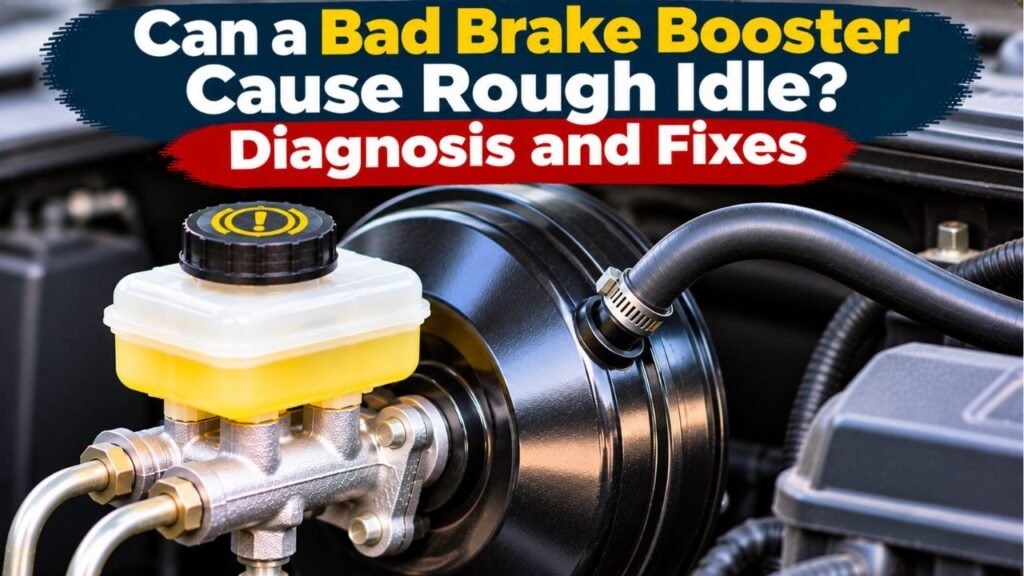
A conventional brake booster helps you stop with less pedal effort. It uses a pressure difference across a flexible diaphragm to assist the pushrod that operates the master cylinder. The booster often receives vacuum through a hose connected to the engine’s intake manifold.
Bosch Mobility’s vacuum brake booster overview explains how the two chambers and diaphragm turn that pressure difference into additional braking force. In normal operation, valves manage airflow inside the booster without creating a substantial uncontrolled leak into the engine.
When a diaphragm or valve no longer seals, outside air may pass through the booster and vacuum hose into the intake manifold. That air can disturb the mixture entering the engine, especially at idle. The engine may stumble at the same moment the brakes are applied.
The distinction matters: A booster that simply loses assistance because its vacuum supply is weak may produce a hard pedal without creating an intake leak. Rough idle is associated with leaking air, not every possible booster failure.
Why the Engine Runs Rough When You Press the Brake Pedal
Unmetered Air Disrupts the Air-Fuel Mixture
Many gasoline engines measure incoming air to calculate fuel delivery. An unintended vacuum opening lets air bypass that measurement, potentially creating a lean mixture with too much air for the fuel supplied.
A lean condition can cause uneven combustion, hesitation, or misfires. The engine computer may respond by adjusting fuel delivery and idle speed, so the symptoms vary between vehicles. You might notice a brief dip in RPM, repeated surging, or a rough vibration through the steering wheel.
Idle Makes a Vacuum Leak More Noticeable
At idle, the throttle is relatively closed and the engine is using comparatively little air. An additional leak therefore represents a larger share of the air entering the intake than it would under heavier load. The engine has less room to absorb a sudden disturbance without a noticeable speed change.
A booster leak may be most obvious at stoplights or while holding the brake in a driveway. A minor RPM change is not automatically a failure. Persistent shaking or near-stalling with abnormal pedal feel is more concerning.
Rough Idle Only While Braking vs. All the Time
A faulty internal booster valve may admit extra air primarily while the pedal is pressed or held. A split hose or leaking connection can allow air into the intake even when your foot is off the brake. That may cause ongoing rough idle that worsens during braking.
Notice whether the engine smooths out immediately after releasing the pedal. That relationship helps narrow the search, but it is not proof: engine accessories, transmission load, and ordinary idle-control responses can also change engine speed at a stop.
Brake Booster Parts That Can Cause Rough Idle
Torn Diaphragm or Leaking Internal Control Valve
The diaphragm separates the booster’s working chambers. If it tears, or an internal valve fails to seal, atmospheric air can reach the vacuum side. The resulting leak may weaken assistance and disturb engine operation at the same time.
AGCO Automotive’s technical explanation of vacuum brake boosters describes how a damaged diaphragm can create a vacuum leak that causes an idle misfire when the brake pedal is pressed. This is a useful reason to investigate the booster when engine stumbling appears together with a hard pedal or a hiss near the firewall.
An internal booster defect generally requires assembly replacement, not improvised sealing.
Cracked Vacuum Hose or Loose Booster Connection
The hose between the vacuum source and booster may harden, split at its ends, collapse, or develop a loose connection. Air entering through a crack on the intake side can upset idle even if the booster itself is healthy. Cracks can hide beneath elbows and hose ends.
The rubber grommet where the valve enters the booster can also leak. A visible crack or loose fitting provides a clue, but testing may still be necessary.
Faulty Check Valve or Grommet
The one-way check valve helps retain vacuum inside the booster when intake vacuum falls. A valve that stops holding vacuum can cause a firm pedal after the reserve is depleted. A failed one-way function alone does not necessarily cause rough idle; the valve, its housing, or its seal must also allow unwanted outside air into a path connected to the intake.
AutoZone’s brake booster check-valve guidance describes rough idle, hissing, and hard-pedal symptoms associated with leaking check valves and connections. Replacement must match the original valve or hose assembly, including flow direction.
Vehicles That Use a Separate Vacuum Source
Some gasoline engines use a dedicated vacuum pump, while many diesels obtain brake-assist vacuum from a pump rather than intake-manifold vacuum. Other vehicles use hydraulic or electronic assist. A leak in those systems may reduce braking assistance without directly introducing unmetered air into the engine intake.
For these vehicles, the booster-to-intake explanation may not apply. Identify the assist system before blaming engine shaking on the booster.
Symptoms That Support a Booster-Related Rough Idle Diagnosis
A rough idle becomes more suspicious when it occurs alongside another symptom associated with lost vacuum assistance:
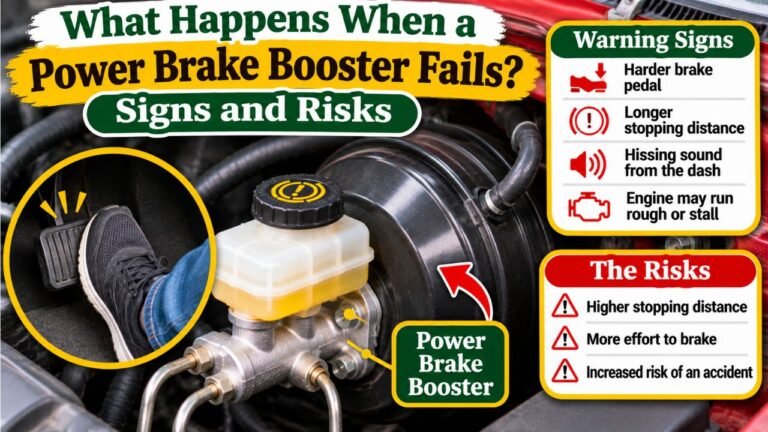
- Hard brake pedal: More leg force than normal is needed because the booster may not be providing adequate assistance.
- Hissing near the firewall or pedal: A new sustained air sound may indicate an internal valve, diaphragm, or connection leak.
- RPM drop or near-stall during braking: The engine stumbles as pedal movement changes the leak path.
- Intermittent assistance: The first pedal application feels fairly normal, while repeated applications feel much heavier.
- Check Engine light: Some vehicles may register lean-mixture or misfire faults; these codes do not identify the booster by themselves.
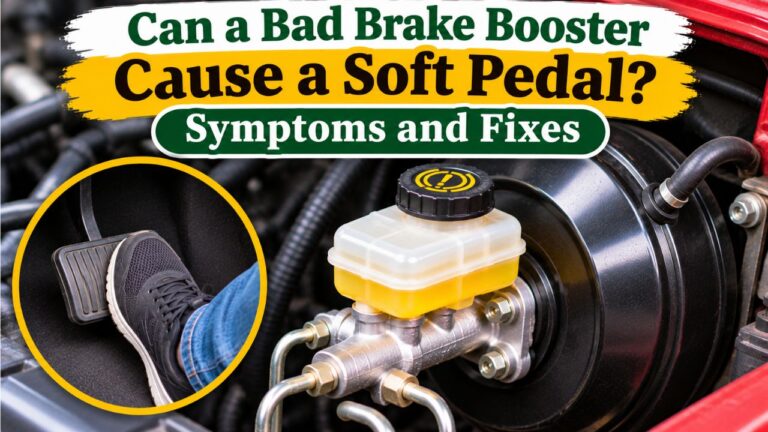
A soft, spongy, or steadily sinking pedal suggests a hydraulic problem such as trapped air, an external fluid leak, or master-cylinder seal bypass rather than simple vacuum-assist loss. More than one fault can exist, including a master cylinder leaking fluid into the booster.
How to Check if a Brake Booster Is Causing Rough Idle
These stationary observations apply to conventional vacuum boosters. For electronic, hydraulic, or unfamiliar systems, use the manufacturer’s procedure and professional diagnosis.
Step 01: Compare Idle With the Pedal Released and Pressed
Park on level ground, secure the vehicle, and ventilate the area. If the pedal is abnormal, fluid is leaking, or a brake warning appears, arrange service instead of testing.
With the engine idling, note whether a stationary brake application briefly lowers RPM or causes sustained shaking. Check whether releasing the pedal restores normal idle. Never provoke a stall or test on the road.
Step 02: Listen for a New Vacuum Hiss
From inside the parked vehicle, listen near the pedal area while applying gentle, steady pressure. A sustained hiss with rough idle suggests an air leak; a brief sound alone is inconclusive.
Keep clear of moving engine parts. A professional can pinpoint difficult leaks safely.
Step 03: Inspect the Vacuum Hose With the Engine Off
Locate the booster and trace its vacuum connection using the vehicle’s service information. Look for disconnected ends, cracks, loose fittings, damaged elbows, and a hardened grommet. Do not pull on brittle components or remove the check valve simply to see whether the engine changes speed.
Any replacement must follow the proper routing and use vacuum-rated hose that will not collapse.
Step 04: Arrange Separate Vacuum Supply and Leak Tests
A technician can use a vacuum gauge or hand pump, following the model-specific procedure, to determine whether adequate vacuum reaches the booster and whether the booster holds it. These checks separate supply problems from internal leaks.
Disconnecting or blocking the booster line can remove brake assistance and create an intake leak; it is not a safe driving experiment. Stationary observations cannot certify roadworthiness.
Other Engine Problems That Can Look Like a Bad Brake Booster
An engine may run rough while braking for reasons unrelated to the booster. Pressing the brake normally happens as the car slows, transmission load changes, and the engine returns toward idle. That timing can make an existing problem seem brake-related.
| Symptom Pattern | Other Possible Explanation | Helpful Distinction |
| Rough at every stop, even without pedal movement | Dirty throttle body or idle-control problem | Idle disturbance follows engine speed rather than pedal action |
| Shakes in Drive but smooths in Neutral | Engine mount or drivetrain load | Vibration changes with gear selection |
| Rough idle in many driving situations | Ignition misfire or fuel-delivery problem | Fault may occur without touching the brakes |
| RPM changes when accessories operate | A/C compressor or electrical load response | Change tracks accessory cycling |
| Constant hiss or lean-running symptoms | Intake hose, PCV, or another vacuum leak | Leak is not necessarily near the booster |
Fault codes and fuel-trim readings can help narrow the cause, but no single code proves a diaphragm is damaged. Sometimes the relationship runs in the opposite direction: an engine problem that reduces available manifold vacuum also reduces brake assistance. Evaluate the engine and booster circuit together.
Can You Drive if the Booster Causes Rough Idle?
Do not continue normal driving when rough idle is accompanied by a hard brake pedal, reduced braking assistance, or stalling. A vacuum leak can affect both engine operation and stopping performance. Even if the hydraulic brakes remain connected, stopping may require much more pedal force than expected.
If the vehicle stalls while moving, assistance and other vehicle functions may change. Follow the vehicle’s emergency guidance, slow carefully, and pull over in a safe place. Once stopped, arrange towing and inspection rather than driving farther to reproduce the problem.
If the pedal feels normal but the engine idles unevenly, the cause still needs diagnosis; a normal-feeling pedal does not rule out a small vacuum leak. Treat any unexpected braking behavior as the higher-priority safety concern.
How to Fix Rough Idle Caused by a Brake Booster Vacuum Leak
Replace a Damaged Hose, Grommet, or Check Valve
If testing locates an external leak, the correct hose, valve, connector, or seal may restore both idle quality and vacuum assistance without replacing the entire booster. Use parts specified for the vehicle, including the correct check-valve orientation and vacuum-resistant hose construction.
Replace a Booster With an Internal Air Leak
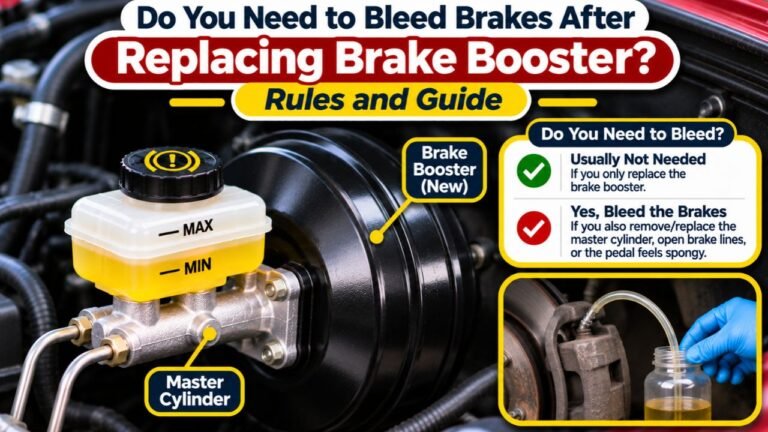
A torn diaphragm or defective internal valve generally calls for a compatible booster replacement. Before installing it, a technician should check the master cylinder’s rear seal for brake-fluid leakage into the booster and inspect the vacuum supply. Any required pushrod clearance or linkage adjustment must follow the vehicle’s specifications.
Verify the Repair Before Returning to the Road
After repair, confirm that the engine idles smoothly with the pedal released and applied, vacuum assistance operates as intended, and there is no continuing leak. Check pedal return, braking response, relevant warning lights, and any diagnostic faults. If hydraulic lines were opened during the work, perform the required brake bleeding procedure.
A rough idle that remains after the vacuum circuit passes inspection should be diagnosed as an engine problem rather than prompting another booster replacement.
FAQs About Can a Bad Brake Booster Cause Rough Idle
Can a Bad Brake Booster Make the Engine Stall When Braking?
Yes. A substantial intake-connected vacuum leak can make a gasoline engine stall at idle. Other faults can also cause stalling.
Why Does My RPM Drop When I Press the Brake Pedal?
A vacuum leak may lower RPM during pedal application. Persistent shaking, hissing, or a hard pedal needs inspection.
Will a Bad Brake Booster Cause Rough Idle Without Pressing the Brakes?
It can. A leaking diaphragm or hose may admit air continuously. Other faults appear mainly during pedal movement.
Can a Bad Brake Booster Trigger the Check Engine Light?
Yes, on some vehicles. A leak may trigger lean-mixture or misfire codes, but no code alone proves booster failure.
Can a Brake Booster Check Valve Cause Rough Idle?
Yes, if its housing, seal, or connection leaks air into the intake vacuum circuit. Failure to retain vacuum alone may cause a hard pedal without changing idle.
Does Replacing the Brake Booster Always Fix Rough Idle?
No. A leaking hose, valve, or another engine fault can leave the idle rough after booster replacement. Confirm the cause before replacement.
Restore Smooth Idle Without Overlooking Brake Safety
So, can a bad brake booster cause rough idle? Yes, when a failed diaphragm, valve, or vacuum connection lets unmetered air reach the engine intake. Rough running that starts when you press the brake is an especially useful clue, but it is not a diagnosis by itself.
A hard pedal, sustained hiss, or stalling makes the situation more urgent because braking assistance may also be compromised. The most effective repair begins by identifying whether the leak is in the hose, check valve, or booster rather than replacing parts at random.
Have the vacuum circuit and braking operation checked before returning the vehicle to service. Fixing the confirmed leak should address its effect on idle while ensuring that the power brakes operate as designed.