Can a Bad Brake Booster Cause a Soft Pedal? Symptoms and Fixes
Usually, no. A failed conventional vacuum brake booster normally makes the brake pedal hard to press, not soft or spongy. If your pedal feels mushy, travels unusually far, or slowly sinks under steady pressure, the more likely problem is in the hydraulic braking system. Trapped air, a fluid leak, or worn master-cylinder seals are common possibilities.
There are exceptions worth understanding. A leaking master cylinder can allow brake fluid into the booster housing, and an incorrectly adjusted booster pushrod can affect pedal travel. Also, a healthy booster normally lets the pedal move slightly when the engine starts. That small movement is not the same as a pedal that keeps falling toward the floor.
Replacing a booster will not fix air trapped in brake lines or worn master-cylinder seals. Knowing whether the pedal is hard, springy, or slowly sinking helps avoid replacing the wrong part. This guide explains the pedal symptoms, likely hydraulic faults, safe stationary checks, and repair decisions.
Can a Bad Brake Booster Cause a Soft Pedal? The Important Exceptions
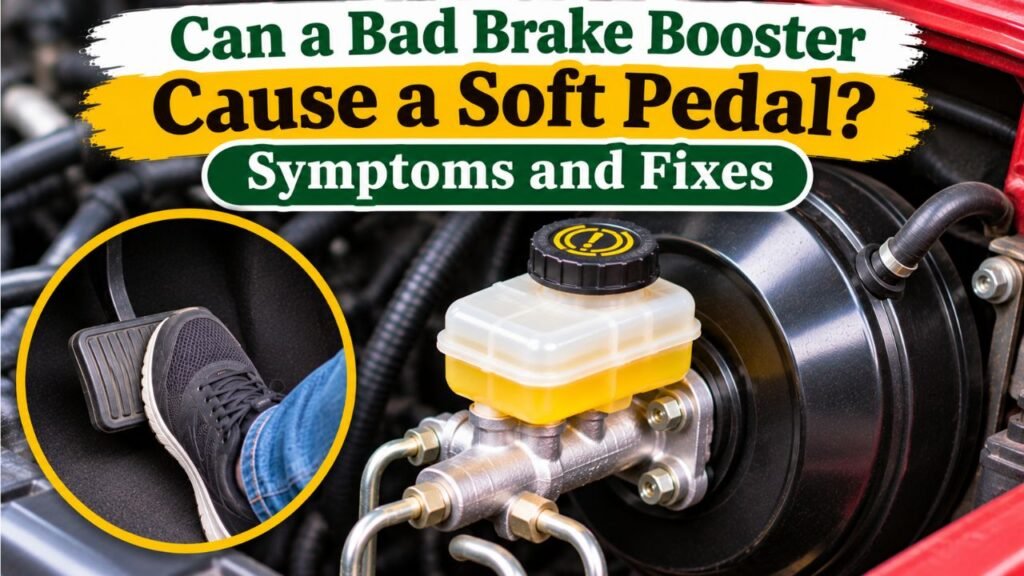
A vacuum-booster failure removes assistance, making the pedal firm. A soft pedal instead travels too easily, feels springy, or fails to hold its position under pressure.
However, a booster-related condition can occasionally make the pedal seem low. For example, incorrect clearance between the booster output pushrod and master-cylinder piston can create excess pedal travel. This is especially relevant when the booster or master cylinder was recently replaced. It is a setup or component-fit problem, not the usual symptom of a torn booster diaphragm.
Another connection is a leaking rear master-cylinder seal. Escaped brake fluid can collect inside the adjacent vacuum booster, while the vehicle develops hydraulic problems. The booster may be damaged by that fluid, but the soft or sinking pedal can originate with the master cylinder. Finding fluid in a booster does not prove that the booster created the initial leak.
On vehicles with electric or integrated hydraulic brake assistance, fault behavior may differ. The familiar vacuum-booster checks should never be assumed to apply to every modern braking system.
Why a Failing Vacuum Booster Usually Makes the Pedal Hard
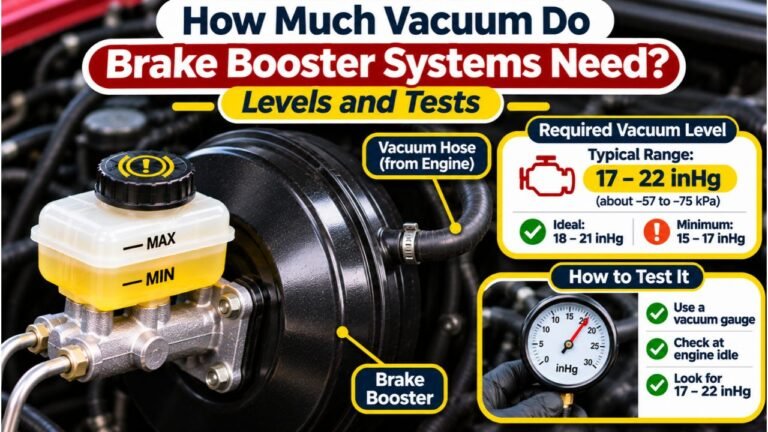
A vacuum brake booster sits between the brake pedal linkage and master cylinder on many vehicles. It uses a pressure difference across an internal diaphragm or similar moving assembly to increase the force applied to the master-cylinder piston. The master cylinder then creates hydraulic pressure for the wheel brakes.
If the booster cannot maintain vacuum or its control valve fails, that extra assistance is lost. You must press harder to achieve the same braking effect. The brake hydraulic circuit may still be intact, so the pedal can remain firm even though stopping takes much greater effort.
Vacuum Hose, Check Valve, and Diaphragm Symptoms
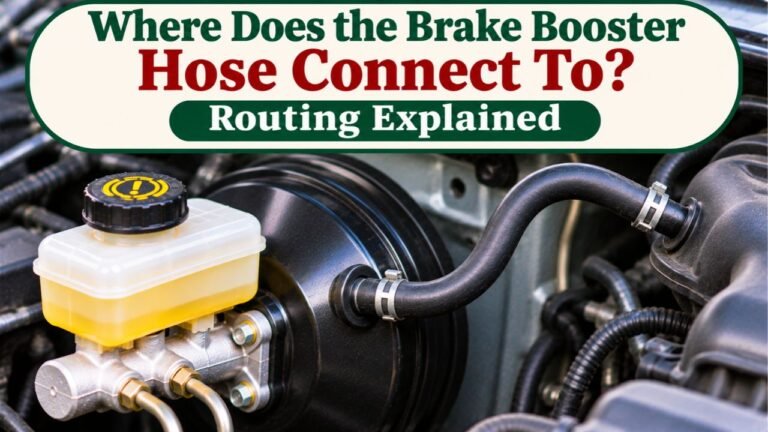
A split vacuum hose, malfunctioning one-way check valve, weak vacuum supply, or internal diaphragm leak can all reduce assist. A persistent hiss near the firewall or a pedal that becomes hard after the remaining vacuum is used up suggests an assist-side problem. Some engine-fed vacuum leaks also disturb idle quality.
The O’Reilly Auto Parts guide to brake pedal problems distinguishes the hard pedal commonly linked to a failing booster from the spongy pedal associated with air and hydraulic leaks. Neither symptom alone confirms which component needs replacement.
Soft, Spongy, Low, and Sinking Brake Pedals Are Not Identical
Drivers often use “soft” to describe several different sensations. Identifying the exact behavior is more helpful than the label.
| Pedal Behavior | What It Feels Like | Common Areas to Investigate |
| Hard | High resistance; more effort required to stop | Booster, vacuum supply, check valve, assist system |
| Spongy | Springy or compressible; resistance builds gradually | Air in fluid, flexible components, brake hardware |
| Low | Travels farther than expected before braking | Air, excessive brake-shoe clearance, caliper movement |
| Sinking | Continues moving under steady foot pressure | Internal master-cylinder bypass or hydraulic leakage |
| Brief drop at engine start | Moves slightly, then holds steady | Often normal vacuum-booster assistance |
A pedal that firms up after pumping may indicate trapped air or extra wheel-brake movement. It does not identify one failed part.
The warning sign is a pedal that has changed from its normal behavior, particularly if stopping power, fluid level, or warning lights have changed at the same time.
What Actually Causes a Soft Brake Pedal?
Air Trapped in the Brake Lines
Air compresses when hydraulic pressure rises, unlike the brake fluid used in a properly functioning system. Your foot first compresses the trapped air, creating extra pedal travel and a springy sensation. Air may enter during brake repairs, after a leak, or when the reservoir becomes too low.
The NAPA guide to a soft brake pedal identifies air in the hydraulic system as a leading cause of spongy pedal feel. Correct bleeding removes the trapped air, but a recurring problem requires finding where air is entering or fluid is escaping.
An External Brake Fluid Leak
A leaking brake pipe, flexible hose, caliper, or wheel cylinder can reduce the pressure available to apply the brakes. Look for unexplained wetness, a falling reservoir level, or a red brake warning light. Fluid can escape in areas hidden by wheels, shields, or the vehicle body, so a dry driveway does not establish that the hydraulic system is leak-free.
A low reservoir can also reflect brake-pad wear, but that does not make an abnormal pedal safe. A leak must be ruled out before simply adding fluid and continuing to drive.
Worn Master Cylinder Seals
The master cylinder contains seals that separate hydraulic chambers and help retain pressure. As they wear, fluid can bypass internally when the brake pedal is held down. The pedal may initially resist your foot and then slowly move toward the floor even though the fluid level remains unchanged.
This is internal bypass, not necessarily an external leak. It needs a proper hydraulic diagnosis because other circuits, including some ABS hydraulic components, can also cause pressure-loss symptoms.
Excessive Movement at the Wheel Brakes
A brake pedal may travel too far if rear drum brakes are badly out of adjustment, caliper pistons are pushed back farther than normal, or other wheel-end components move excessively. A driver may notice the pedal improves after one or two additional presses because those presses first take up the unwanted clearance.
Brake-hose expansion, binding caliper hardware, and mechanical defects can complicate pedal feel as well. These problems may not be visible from the driver’s seat.
Trapped Air or Faults in the ABS Hydraulic Unit
Some anti-lock braking systems contain valves and hydraulic passages that need a specific bleeding procedure. If air enters an ABS hydraulic control unit during repairs or after the reservoir runs dry, ordinary bleeding may not remove all of it. A diagnostic scan tool may be required to cycle valves according to the manufacturer’s instructions.
A faulty ABS hydraulic component can also affect pedal behavior, but an illuminated ABS warning light does not prove that a soft pedal originates there.
Why the Pedal Can Feel Softer When the Engine Is Running
A common complaint is that the pedal feels firm with the engine off but lower or softer after starting. On conventional vacuum-assisted brakes, part of this change is expected. When the engine starts, vacuum assistance returns, and the same foot pressure can move the master-cylinder piston farther than it did without assistance.
Normal Initial Movement Versus Continuous Sinking
The normal response is a modest downward movement when assistance begins, followed by a stable pedal. Continuous movement toward the floor while you maintain steady pressure is different. It can reveal a weak master-cylinder seal or another hydraulic fault that becomes more noticeable under assisted force.
The Moss Motors technical guide to a pedal that drops with the engine running describes this distinction and identifies master-cylinder bypass and incorrect booster pushrod setup as possible causes of excessive travel. Its specific procedures concern conventional servo systems, so vehicle-specific service requirements still apply.
Extra Pedal Travel After Booster Replacement
If pedal travel changed immediately after replacing the booster or master cylinder, compatibility and pushrod clearance deserve attention. Incorrectly matched parts or insufficient output movement can leave excessive free travel before the master cylinder engages. Incorrect adjustment in the opposite direction may cause brake drag.
Never adjust booster pushrod clearance by guesswork; use the specified measurement procedure.
Safe Stationary Checks Before Blaming the Brake Booster
These checks may help describe the problem to a technician. They are for a parked vehicle with a conventional vacuum booster, not a way to certify the brakes safe for driving. Stop if the pedal reaches the floor, fluid is leaking, or a brake warning indicates a serious fault.
Step 01: Secure the Vehicle and Note the Exact Symptom
Park on level ground, select Park or a suitable gear, apply the parking brake, and keep the vehicle from rolling. With the engine off, identify whether the pedal feels springy, starts low, gradually sinks, or is simply difficult to press. Think about when the change began: after brake bleeding, a master-cylinder replacement, a booster repair, or without any recent work.
Those details can narrow the investigation before anything is disconnected.
Step 02: Inspect the Brake Fluid Level and Visible Leaks
Check the translucent reservoir against its marked range. Examine visible master-cylinder connections and areas near the wheels for fluid stains without touching damaged components or crawling beneath an unsupported vehicle. Do not open brake-line fittings to search for pressure or air.
If the reservoir is unexpectedly low or wetness suggests a leak, stop the check and arrange repair. Do not assume topping off the reservoir corrects the underlying fault.
Step 03: Compare Pedal Feel With the Engine Off
On a conventional vacuum-assisted system, several pedal applications with the engine stopped will normally use up the stored assistance and make the pedal firmer. Once that has happened, a moderate, steady hold can reveal whether the pedal continues sinking. Avoid pushing with excessive force or repeatedly driving the pedal to the floor.
Sinking during this check suggests hydraulic pressure loss. A high, firm pedal after vacuum reserve is depleted is normal and does not by itself show that the booster is bad.
Step 04: Observe the Pedal When the Engine Starts
If the vehicle is safe to start and its service instructions permit the check, keep it stationary and hold light, even brake-pedal pressure as the engine starts. A small initial drop is usually expected on vacuum-boosted vehicles. The pedal should then settle rather than continue descending.
No noticeable initial change can indicate inadequate assist, although vacuum supply and the check valve must be checked before condemning the booster. Continued sinking suggests a different or additional problem requiring professional diagnosis.
Step 05: Have the Suspected System Tested Properly
A technician can evaluate booster vacuum supply and retention, inspect the check valve, and check the hydraulic system for leaks or internal bypass. When necessary, the technician may isolate brake circuits using approved fittings and follow the correct ABS bleeding procedure after repairs.
Do not clamp brake hoses or plug master-cylinder ports with improvised hardware.
How to Fix a Soft Pedal Without Replacing the Wrong Part
The repair should match the confirmed cause. Air in the hydraulic circuit requires proper bleeding and correction of whatever allowed air to enter. A leaking line, hose, caliper, or wheel cylinder requires replacement or approved repair followed by bleeding and inspection. Confirmed internal master-cylinder leakage generally calls for a suitable replacement cylinder and manufacturer-specified installation procedures.
A damaged booster vacuum hose or check valve may be repaired without replacing the whole booster. If the booster itself has failed internally, replacement is usually the appropriate solution. On vehicles with hydraulic or electronic assist, additional pressure tests or scan-tool procedures may be necessary.
After any brake work, correct fluid, leak-free connections, stable pedal travel, and full system operation must be verified before the vehicle returns to service.
Is It Safe to Drive With a Soft Brake Pedal?
An unfamiliar soft, spongy, low, or sinking brake pedal is not something to test in traffic. It can signal trapped air or loss of hydraulic pressure, both of which may reduce braking response and make emergency stops unpredictable. Even if pumping makes the pedal temporarily firmer, the underlying problem may remain.
If the pedal approaches the floor, braking is weak, the brake warning light appears, or a fluid leak is suspected, do not drive. Park safely and arrange towing or a qualified inspection. A hard pedal with lost booster assistance also deserves prompt attention because effective braking may require much greater foot force.
FAQs About Can a Bad Brake Booster Cause a Soft Pedal
Can a Bad Brake Booster Make the Pedal Go to the Floor?
An ordinary vacuum-booster failure usually makes the pedal harder, not lower. A pedal that continues to the floor is more concerning for a hydraulic leak, master-cylinder bypass, or incorrect component setup. Have it diagnosed before driving.
Why Does My Brake Pedal Feel Soft Only When the Car Is Running?
Vacuum assist makes the pedal easier to move, so a small initial drop is normal. A pedal that remains excessively low or continues sinking may expose a hydraulic problem or incorrect booster-to-master-cylinder adjustment.
Will Bleeding the Brakes Fix a Bad Brake Booster?
No. Bleeding removes air from hydraulic brake circuits. It cannot repair a leaking booster diaphragm, damaged vacuum hose, or defective check valve. If the pedal is spongy because of air, bleeding may help after the cause of air entry is corrected.
Can Brake Fluid Leak Into the Booster and Cause a Soft Pedal?
Yes. A leaking rear master-cylinder seal may allow brake fluid to collect in the adjacent vacuum booster. The hydraulic leak can affect pedal feel, and the fluid can damage the booster. Both parts need inspection.
Can an ABS Problem Make the Brake Pedal Spongy?
Yes. Trapped air in an ABS hydraulic control unit or certain hydraulic faults can affect pedal travel. Some systems need scan-tool-assisted bleeding. An ABS warning alone does not identify the exact cause.
Diagnose the Soft Pedal Before Replacing the Brake Booster
So, can a bad brake booster cause a soft pedal? Not usually on a conventional vacuum-assisted car. Booster failures generally produce a hard pedal and reduced assistance, while a spongy or sinking pedal more often points to air, leakage, master-cylinder problems, or excess travel elsewhere in the brake system.
Pay attention to whether the pedal is merely easier to press after the engine starts or actually continues moving under steady pressure. That difference helps narrow the fault without assuming the most expensive component is responsible.
If pedal height or stopping response has changed, keep the vehicle parked until the cause is identified and the brakes are verified safe. Replacing the correct part matters much more than replacing the booster first.