What Causes Brake Booster to Fail? Main Causes and Warning Signs
A brake booster can fail when its internal diaphragm, control valve, or seals wear out, allowing the vacuum assistance that reduces brake pedal effort to disappear. Brake fluid leaking from the master cylinder, moisture, contamination, and damaged internal parts can also shorten its life. However, a cracked vacuum hose, faulty check valve, or weak vacuum source can produce the same hard-pedal symptom even when the booster itself is still good.
This distinction matters because replacing an otherwise healthy booster will not fix a vacuum supply problem. Worse, installing a new booster without correcting a leaking master cylinder can damage the replacement. A hard pedal can make stopping much more difficult, particularly during sudden braking, so an unexpected change in pedal effort deserves immediate attention.
The causes differ between conventional vacuum boosters, hydraulic boosters, and newer electric-assist systems. This article explains which failures happen inside a vacuum booster, which faults merely interrupt its assistance, how the symptoms compare, and what should be tested before any replacement.
What Causes Brake Booster to Fail? Seven Main Reasons
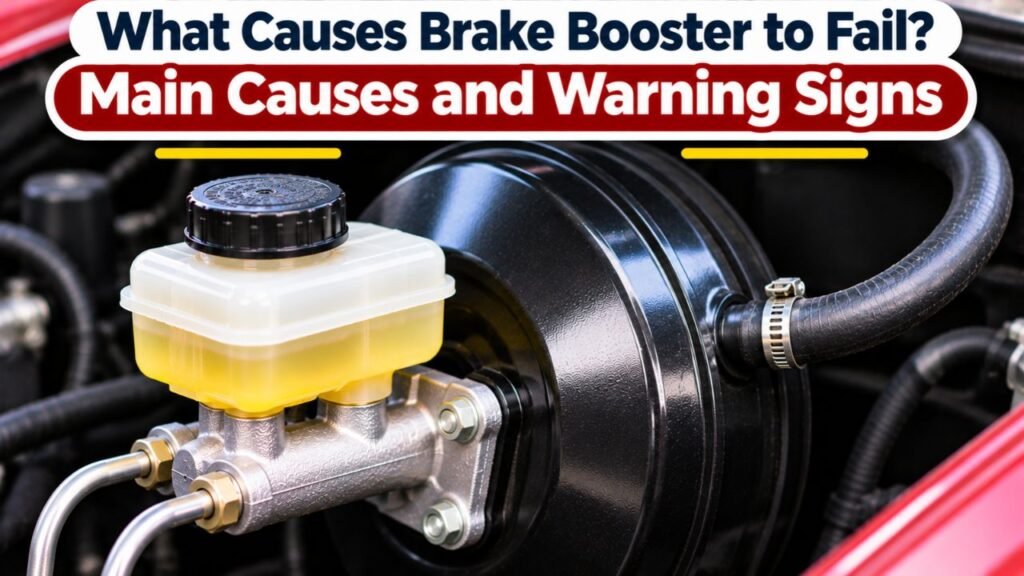
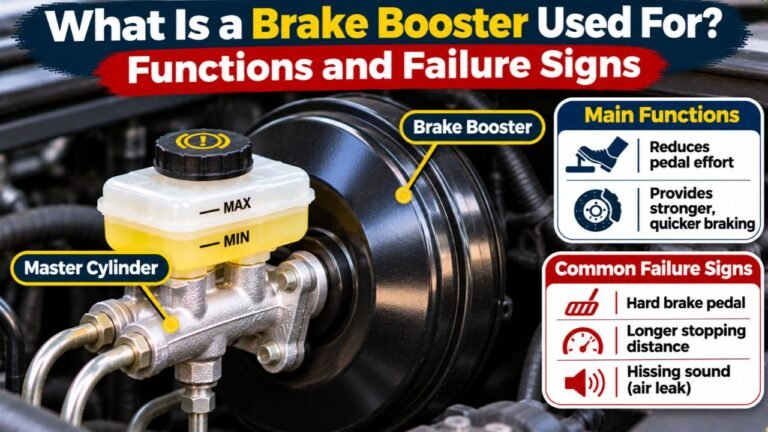
A conventional brake booster uses engine or pump vacuum on one side of an internal diaphragm and atmospheric pressure on the other to help move the master cylinder. It must hold vacuum, control airflow, and return after pedal release.
1. Aging or Torn Booster Diaphragm
The internal diaphragm flexes whenever the brakes are applied. Heat and repeated use can deteriorate its material and seals. A split or puncture lets air pass where the assembly should maintain a pressure difference.
When this happens, pressing the pedal may produce a hard feel, a hiss near the firewall, or a change in engine idle. Symptoms depend on the leak and vacuum source. Exterior inspection cannot confirm diaphragm condition.
2. Worn Internal Control Valve or Return Mechanism
The booster has an air-control valve that changes the pressure between its chambers when the pedal moves. Worn valve seals can allow unwanted airflow, reducing assistance or preventing vacuum from being retained. A damaged return spring or binding internal mechanism may also interfere with pedal return.
Symptoms include inconsistent assist or brakes that release poorly. Brake drag has several other possible causes, including caliper problems and incorrect pushrod adjustment, so it should not automatically be blamed on the booster.
The technical explanation from AGCO Automotive’s vacuum brake booster guide identifies ruptured diaphragms, leaking valves, and broken springs as internal failures, while emphasizing that poor vacuum supply can imitate those faults.
3. Cracked, Collapsed, or Disconnected Vacuum Hose
A hose carries vacuum from the engine or vacuum pump to the booster. A crack, loose connection, deteriorated rubber fitting, or collapsed section can restrict or interrupt that supply. The result can feel like booster failure.
A damaged hose is not the same as a failed booster. Replace it with power-brake-rated hose routed away from heat and moving parts. A hose that looks intact may still collapse under suction, so checking the available vacuum at the booster connection matters.
4. Faulty One-Way Check Valve or Grommet
The one-way check valve helps store vacuum in the booster when engine vacuum drops or the engine stops. If it leaks, vacuum reserve may disappear sooner than expected. If it becomes blocked, the booster may not receive adequate vacuum in the first place.
A cracked valve grommet can also leak. On some vehicles the valve is built into the hose assembly, so replacing the valve alone is not an option. Check for blocked flow, leakage, and poor sealing.
5. Brake Fluid Leaking From the Master Cylinder
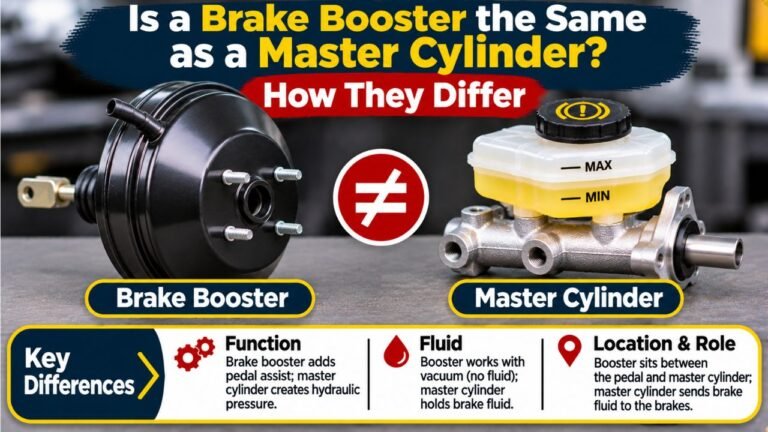
The master cylinder mounts against the front of many vacuum boosters. If its rear hydraulic seal leaks, brake fluid can enter the booster housing. That fluid can damage internal diaphragm material and seals, potentially turning a master cylinder problem into a booster failure.
The ADVICS brake fluid leak troubleshooting guide identifies damaged master cylinder seals and possible booster input-seal or pushrod alignment issues among causes of leakage near the rear of the master cylinder. Identify the leak before replacing parts.
Repeated fluid loss or wetness at the booster calls for inspection. Fluid can also leak elsewhere in the hydraulic system.
6. Moisture, Fuel Vapors, or Other Contamination
A vacuum booster is designed to handle air and pressure changes, not a continuous supply of liquid or damaging contaminants. Water entering the housing can encourage corrosion. On certain engine and plumbing designs, excessive fuel vapors or other contamination can degrade internal rubber components.
NAPA Brakes’ technical tips on booster failures specifically discuss premature diaphragm damage associated with fuel-rich engine operation, gasoline fumes, and moisture. Investigate these causes when the vehicle’s design and symptoms support them.
If contamination caused the original failure, replacing the booster without addressing its source can lead to another failure.
7. Incorrect Installation, Linkage Adjustment, or Mechanical Damage
Improper mounting, a misaligned pushrod, or an incorrect replacement part can affect how the booster and master cylinder move together. Excessive pushrod preload may keep the master cylinder from releasing fully, causing brake drag or heat buildup. Too much clearance can contribute to excessive pedal travel.
Damage during installation, missing seals, or an incorrectly connected vacuum hose can also create new symptoms immediately after repair. These problems can resemble booster failure. Pushrod dimensions and adjustments are vehicle-specific and must not be guessed.
Why a Brake Booster May Stop Working Without Being Damaged
A vacuum booster needs a suitable vacuum source. On many gasoline engines, that source is intake manifold vacuum. On some diesel, turbocharged, hybrid, or other vehicles, a mechanical or electric vacuum pump provides it.
Engine vacuum can be unusually low because of intake leaks, incorrect engine operation, or modifications such as a camshaft that produces less idle vacuum. A failing vacuum pump, disconnected line, clogged port, or restricted fitting can have the same effect. In these cases the booster may operate normally once a proper supply is restored.
A vacuum gauge connected at the approved test point helps distinguish weak supply from an assembly that cannot hold vacuum. Some conventional systems operate around 18–21 inHg at idle, but requirements vary. Manufacturer specifications, pump behavior, and test conditions take priority.
Loss of brake assistance identifies a problem in the system; it does not, by itself, identify the booster as the failed part.
Symptoms That Help Identify Brake Booster Failure
Hard Brake Pedal and Increased Stopping Effort
A noticeably harder pedal is the classic sign of lost power assistance. The hydraulic brakes may still work, but the driver has to supply much more force. It may worsen as stored vacuum is depleted.
Do not test a suspected failure on public roads. If the pedal effort suddenly increases or braking response is uncertain, stop safely and arrange repair or towing.
Hissing Noise or Engine Idle Changes
A brief airflow sound during a normal pedal movement is not necessarily a defect. Continuous hissing, especially with a hard pedal, raises suspicion of a leaking diaphragm, control valve, vacuum hose, or grommet.
On manifold-fed systems, an internal air leak may also cause rough idle or a change in engine speed as the pedal is pressed. However, an engine intake leak outside the booster can produce similar behavior, so the sound alone cannot establish the source.
Brakes That Drag or a Pedal That Returns Slowly
A sticking internal valve or damaged return mechanism can affect release, but brake drag can also result from a blocked hydraulic return port, incorrect pushrod adjustment, a restricted flexible brake hose, or seized wheel-brake components.
If a wheel becomes unusually hot, the vehicle pulls, or the brakes seem to remain applied, driving can be unsafe. The system needs a complete diagnosis rather than automatic booster replacement.
A Soft or Sinking Pedal May Point Elsewhere
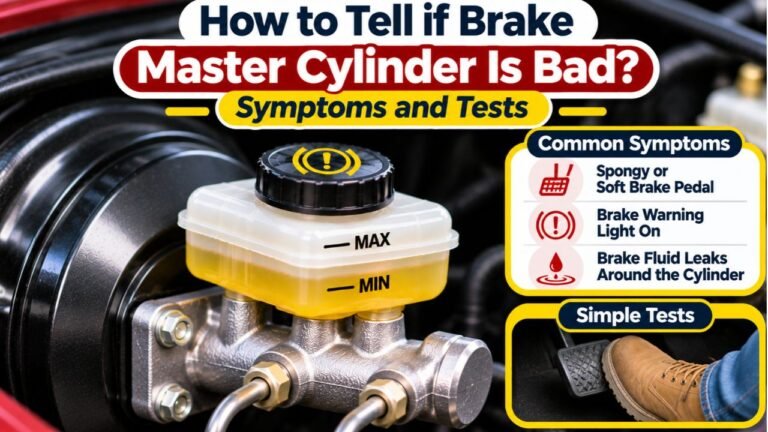
A soft, spongy pedal is more commonly associated with air in hydraulic lines, fluid leaks, or other hydraulic faults than with a vacuum booster. A pedal that slowly sinks under steady pressure can indicate internal master cylinder bypass or an external leak.
Pedal feel offers clues, not a final diagnosis.
How to Tell Whether the Booster or Vacuum Supply Is Faulty
These checks describe conventional vacuum-booster diagnosis; use model-specific procedures when braking is abnormal.
Check the Hose, Valve, and Visible Connections
With the engine off and cooled down, inspect the vacuum hose for splits, collapsed sections, loose connections, and damage around its check valve. Look for broken fittings and poorly seated grommets. Avoid disconnecting hydraulic brake lines or moving the vehicle to reproduce symptoms.
Repair visible defects with approved parts, but remember that hidden restrictions and leaks may remain.
Compare Pedal Feel Before and After Starting the Engine
On many conventional systems, a stationary assist check begins by pressing the brake pedal several times with the engine off to use up stored vacuum. Then the driver holds firm, steady pressure while starting the engine.
A slight downward pedal movement generally indicates that assistance has become available. If no movement occurs, the booster, hose, check valve, or vacuum supply needs further testing. The result does not identify the defective component.
Measure Vacuum and Test Whether It Holds
A technician can measure vacuum where it enters the booster and compare that reading with the vehicle’s requirements. Low supply vacuum points toward the source, hose, pump, or an upstream restriction. Normal vacuum with poor assist warrants a booster retention check.
An approved leak or reserve test checks whether the system maintains assistance after the engine is switched off. The procedure and allowable loss depend on the vehicle. Never substitute a guessed test limit or disconnect a safety-critical vacuum line while driving.
Check the Master Cylinder Before Condemning the Booster
Inspection should include the fluid level, rear master cylinder seal area, and evidence of hydraulic leakage. A booster that has been exposed to brake fluid may be damaged, but the original master cylinder leak must also be repaired.
On vehicles using hydraulic or electric brake assistance, the correct diagnosis may involve pump pressure, electronic faults, stored trouble codes, or manufacturer-specific service modes rather than a conventional vacuum gauge.
Can Brake Boosters Fail Suddenly or Wear Out Gradually?
Both patterns are possible. Aging seals may begin leaking slowly, causing an occasional hiss or progressively harder pedal. A hose can also develop small cracks before it finally separates. These problems may be more noticeable at idle, during repeated braking, or under specific temperatures.
A diaphragm tear, broken fitting, or sudden vacuum pump failure can produce a rapid loss of assistance. The lack of an earlier warning does not prove that the booster was in good condition. Nor does the vehicle’s mileage alone establish that the booster is worn out.
There is no universal replacement interval; actual component condition matters more than mileage.
Does the Cause Change on Hydro-Boost or Electric Brake Systems?
Yes. A hydraulic brake booster, often called Hydro-Boost, typically uses pressure supplied by a power steering pump or another hydraulic source instead of engine vacuum. Problems may involve hydraulic fluid leaks, inadequate pump pressure, belt or drive faults, or internal hydraulic seals. A vacuum check valve is not the relevant diagnostic target on such a system.
An electric brake booster or integrated electronic brake actuator can depend on motors, sensors, electrical power, and control modules. Faults may trigger warning lights or change braking assistance even when no conventional vacuum hose exists. Some systems retain stored pressure and require specific depressurization instructions.
Identify the type fitted to the vehicle before applying vacuum-booster tests. Their failure modes differ from vacuum boosters.
Repairing the Cause Before Replacing a Booster
A failed hose, external check valve, or vacuum source can sometimes be repaired without replacing a healthy booster. Internal diaphragm, valve, or spring damage generally calls for a replacement or professionally remanufactured assembly, depending on the design and parts availability.
If brake fluid entered the booster, address the master cylinder leak and inspect the booster for damage before installing new parts. Where moisture or fuel contamination is suspected, investigate how it reached the assembly. When a replacement fails soon after installation, verify the part number, linkage adjustment, check valve orientation, and mounting seals before blaming another defective booster.
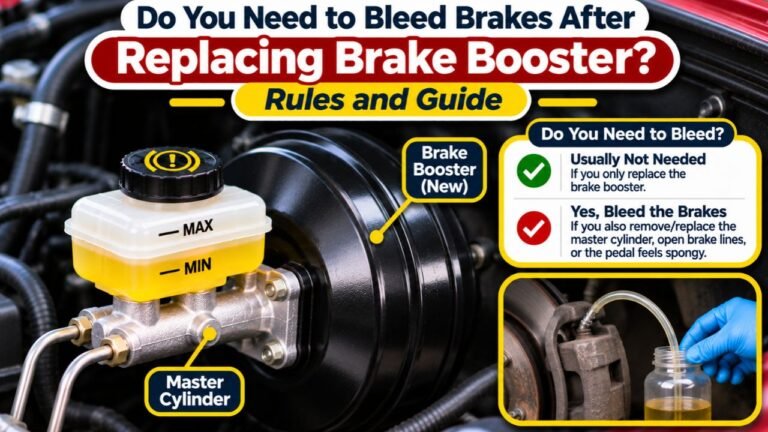
Brake booster work affects a safety-critical system. Disturbed hydraulic lines may require bleeding, and some ABS or electronically assisted systems need special procedures. Verify normal pedal travel, leak-free connections, and reliable assistance before driving.
FAQs About What Causes Brake Booster to Fail
Can a Bad Master Cylinder Ruin a Brake Booster?
Yes. If the master cylinder’s rear seal leaks, brake fluid may enter the booster and damage internal seals or diaphragms. Both components should be inspected so the same leak does not damage a replacement booster.
Can a Vacuum Leak Make a Good Brake Booster Seem Bad?
Yes. A cracked hose, restricted fitting, or faulty check valve can remove the vacuum assistance a healthy booster needs. Measure the supply and check the connections before replacing the assembly.
Does Pumping the Brakes Damage the Booster?
Normal brake applications are part of its intended operation. Repeated pedal presses with the engine off will use stored vacuum and make the pedal harder, but that does not, by itself, mean the booster has failed.
Can a Brake Booster Fail Without Making Noise?
Yes. Some faults mainly cause greater pedal effort or reduced reserve assistance. A hiss may indicate leakage, but its absence does not rule out a booster or vacuum-supply problem.
Will a Bad Brake Booster Cause the Pedal to Go to the Floor?
Usually, loss of vacuum assistance causes a hard pedal rather than one that travels to the floor. Excessive travel or sinking points more strongly toward a hydraulic fault and requires urgent inspection.
Find the Cause Before Replacing the Brake Booster
Understanding what causes brake booster to fail starts with separating genuine internal damage from a loss of vacuum supply. Torn diaphragms, leaking control valves, worn return parts, and fluid contamination can damage the booster itself. Cracked hoses, bad check valves, and weak vacuum sources can produce similar symptoms without requiring booster replacement.
The most useful approach is to inspect the supply connections, verify proper vacuum or assist pressure, and check the master cylinder for leaks before selecting parts. This avoids unnecessary replacement and reduces the chance that an unresolved problem damages the next booster.
If pedal effort has changed or stopping feels unreliable, do not continue driving. Have the braking system diagnosed and repaired, then confirm normal operation using the vehicle’s service procedure.