Can Brake Pads Cause Vibration: What to Know and Why It Matters
Yes, brake pads can cause vibration, but they are not always the direct culprit. The article below explains the specific conditions where brake pads are responsible, how to tell the difference between pad-related vibration and other common causes, and what your repair decision should look like.
You feel it the moment you touch the pedal. A shudder, a pulse, or a steering-wheel shake that was not there yesterday. Now you are facing a decision: schedule a brake job immediately, or hold off and hope it clears up.
Acting early can cost you money for parts that were not worn out. Acting late can turn a simple fix into a rotor replacement or, worse, a safety issue on the highway. The tension is real because the symptoms are not always clear.
A vibration at 60 mph feels different from a vibration only when braking, and each points to a different root cause.
This is why you need to know exactly what brake pads can and cannot do. Some vibrations are pad-related, but many are not. Misdiagnosing the problem leads to wasted labor, unnecessary parts, and a vibration that comes back the next day.
Let’s sort out the facts so your next move is the right one.
The Direct Link Between Brake Pads and Vibration
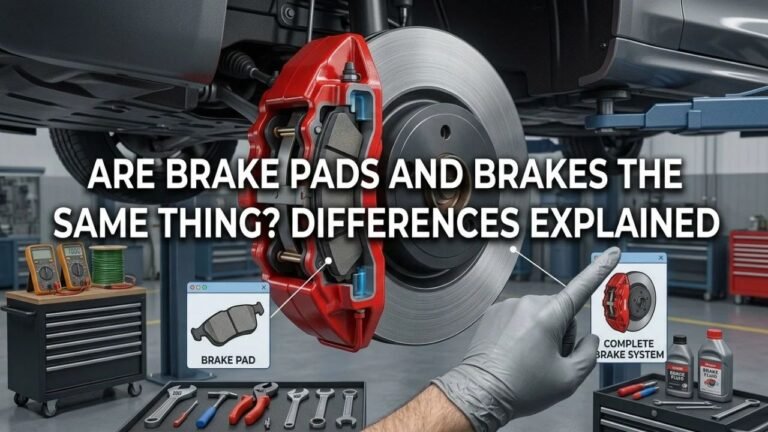
Brake pads are the friction material that presses against the metal rotor to slow your car. When that friction is uneven, you feel it as a vibration. The most common pad-related cause is uneven pad material transfer.
This happens when the pad leaves a thin, irregular layer of friction material on the rotor surface. Instead of a smooth, flat contact patch, you get high spots and low spots. The brake pedal then pulses because the pad is riding over an uneven surface.
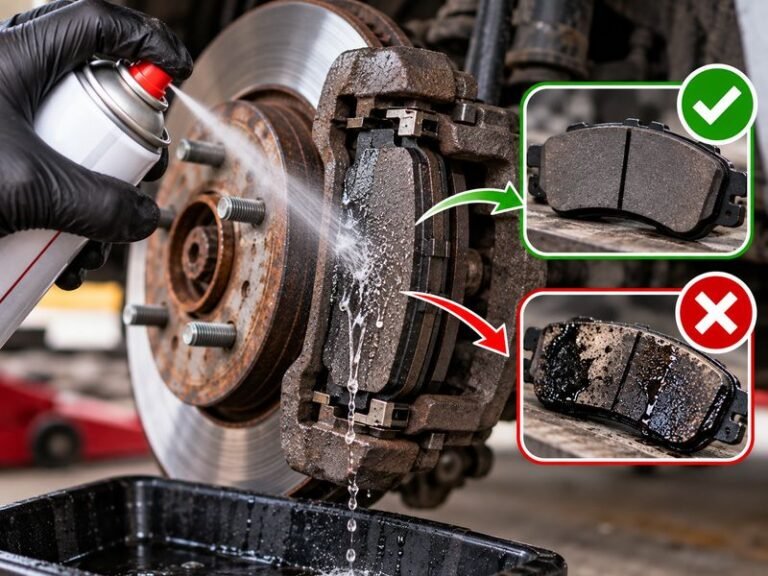
Another direct cause is a glazed pad surface. Glazing occurs when the pad gets overheated from hard braking or a stuck caliper. The heat hardens the pad surface, reducing friction and creating a vibration that feels like a grinding or shuddering sensation.
In both cases, the pad is the origin of the problem because its contact surface is no longer uniform.
However, there is a critical distinction to understand. A brake pad does not create vibration on its own unless it is worn down to the metal backing plate. If you hear a loud metal-on-metal screech and feel a vibration, the pad is gone, and the rotor is being damaged.
That is a pad-caused vibration, but it is also a sign of severe neglect.
When the Rotor Is the Real Problem
Most brake vibrations are actually caused by the rotor, not the pad. The rotor is the large metal disc that the pad clamps down on. If the rotor is warped, unevenly worn, or has developed hard spots from heat, you will feel a vibration even with brand-new pads installed.
Rotor thickness variation is the technical term for the most common issue. This is not the same as a visibly bent rotor. Over time, the rotor wears unevenly across its surface.
The pad makes contact with a thinner section and then a thicker section, creating a pulse that you feel through the pedal. New pads will not fix this because the pad simply follows the shape of the rotor.
Heat is the main enemy. Repeated hard stops from high speed generate enough heat to temporarily distort the rotor. Most rotors return to their normal shape when they cool down, but extreme heat can cause permanent warping.
If you feel a vibration only after several aggressive stops, the rotor is likely the source, not the pad.
How to Tell the Difference by Feel
You can narrow down the cause without any tools by paying attention to when and how the vibration occurs. The location of the vibration is your first clue.
- Vibration in the brake pedal only: This usually points to the rear brakes or a rotor issue. The pedal pulse is direct feedback from the friction process.
- Vibration in the steering wheel: This points to the front brake rotors. A warped front rotor causes the steering wheel to shake because the front wheels are directly connected to the steering rack.
- Vibration in the seat or floorboard: This often points to the rear brakes, but it can also indicate a driveline issue, especially if the vibration changes with speed rather than braking pressure.
- Vibration only when braking at high speed: This is classic rotor runout or thickness variation. The faster the rotor spins, the more noticeable the uneven surface becomes.
- Vibration that changes with brake pressure: If pressing harder makes the vibration worse, the rotor surface is the problem. If the vibration stays the same, look elsewhere.
Pad Quality and Material Composition
Not all brake pads are created equal, and the material matters more than most drivers realize. Semi-metallic pads contain metal fibers that conduct heat well but can be noisy and can wear the rotor faster. Ceramic pads are quieter and produce less dust, but they can be harder and may not provide the same initial bite in cold weather.
Organic pads are soft and quiet but wear out quickly and are prone to fading under heavy use.
If you recently installed a new set of pads and now feel a vibration, the pad compound may not be compatible with your driving style or your rotor material. A high-performance pad on a daily commuter car can cause judder because it requires more heat to work effectively. Conversely, a soft organic pad on a heavy truck can overheat and glaze quickly.
There is also the issue of bedding-in. New brake pads need a break-in procedure to transfer an even layer of friction material onto the rotor. If you skip this step or drive gently for the first few hundred miles, the pad can develop uneven contact spots.
This is not a defect in the pad; it is an installation error that creates a vibration.
Other Suspension and Wheel Causes That Mimic Pad Vibration
Brake pads get blamed for many vibrations that have nothing to do with the braking system. Before you spend money on new pads and rotors, check these common culprits.
Tire imbalance is the most frequent cause of a steering wheel shake at highway speeds. Unlike brake vibration, tire imbalance is present when you are not braking. If the vibration disappears when you take your foot off the gas or lightly press the brake, the tires are the issue.
Wheel bearing wear produces a humming or grinding noise that can feel like a vibration. The sensation often changes when you turn left or right, which loads and unloads the bearing. Brake pads do not cause this type of speed-sensitive noise.
Sticking caliper slide pins can cause a pull to one side and a vibration that feels like a brake issue. The caliper is not releasing fully, so the pad stays in contact with the rotor. This creates heat, glazing, and uneven wear.
The fix is lubrication of the slide pins, not a pad replacement.
Diagnostic Steps Before You Replace Anything
You can perform a few simple checks at home to narrow down the problem. These steps do not require special tools, but they do require a safe, level surface and a jack if you need to remove a wheel.
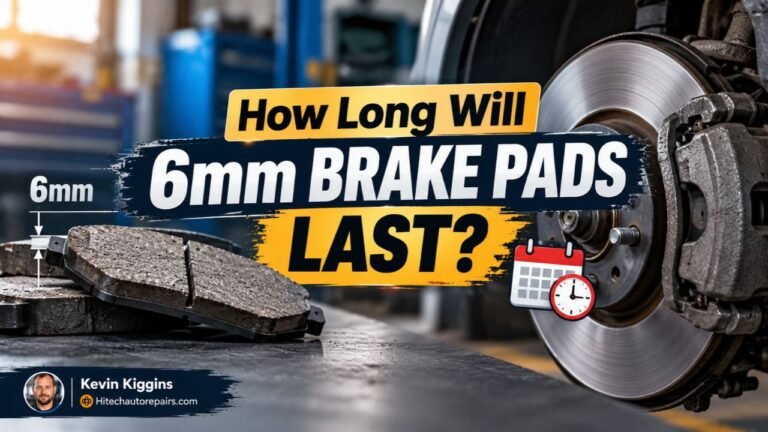
- Check pad thickness: Look through the spokes of the wheel. If the pad material is less than a quarter of an inch thick, it is time for replacement. If it is thick, the pad is not the cause.
- Inspect the rotor surface: Look for deep grooves, scoring, or a blue tint from overheating. A blue tint indicates the rotor got hot enough to change its metallurgy.
- Feel for a lip: Run your finger from the center of the rotor toward the edge. A noticeable lip means the rotor has worn down significantly and may need replacement.
- Test for pad deposit: If the rotor looks shiny in some spots and dull in others, you have uneven pad material transfer. This can sometimes be fixed by re-bedding the pads, not replacing them.
- Check the caliper movement: If you can safely access the caliper, try to push it back with a C-clamp. If it moves with resistance, the slide pins may be seized.
The Repair Decision: Replace Pads, Resurface Rotors, or Both
Once you have identified the source, the repair decision becomes clearer. If the pads are worn thin and the rotors are smooth, a pad replacement is sufficient. If the rotors have thickness variation or are warped, you have two options: resurface or replace.
Resurfacing removes a thin layer of metal from the rotor to create a flat, smooth surface. This is a cost-effective option if the rotor still has enough thickness to meet the manufacturer’s minimum specification. However, resurfacing is becoming less common because many modern rotors are too thin to machine safely.
Replacement is the safer and more common choice. New rotors are relatively inexpensive for most vehicles, and they come with a perfectly flat surface. If you are replacing the pads, it is almost always worth replacing the rotors at the same time.
This ensures a proper break-in and eliminates the risk of a new pad wearing against an old, uneven rotor.
If the vibration is caused by pad glazing, you may not need new parts at all. In some cases, removing the pads and sanding the glazed surface with coarse sandpaper can restore friction. This is a temporary fix, though.
If the pads glazed once, they will likely glaze again unless you address the root cause, such as a stuck caliper or aggressive driving habits.
Safety Considerations and When to See a Professional
Brake vibration is not just an annoyance; it is a warning sign that your braking system is not operating at full efficiency. A vibrating brake pedal means the contact between the pad and rotor is uneven, which reduces stopping power. In an emergency stop, this could add several feet to your braking distance.
If you are not comfortable working on your own brakes, or if the vibration is accompanied by a pulling sensation, a soft pedal, or a grinding noise, take the car to a qualified mechanic. These symptoms can indicate a failing caliper, a collapsed brake hose, or air in the hydraulic system. These are not pad issues, and they require professional diagnosis.
There is also the question of pad wear indicators. Many pads have a small metal tab that contacts the rotor when the pad is worn. This produces a high-pitched squeal, not a vibration.
If you hear this noise, the pad is at the end of its life, and you should replace it soon. Ignoring the squeal leads to metal-on-metal contact, which damages the rotor and creates a severe vibration.
Prevention: Keeping Vibration Away After the Fix
Once you have solved the current vibration, you can take steps to prevent it from returning. The most important habit is to avoid hard braking whenever possible. Anticipate stops and brake gradually.
This reduces heat buildup and prevents rotor warping.
Another key step is to properly bed in new brake pads. This involves a series of moderate to hard stops from about 40 mph, allowing the pad to transfer an even layer of material onto the rotor. The process takes about 15 minutes and is essential for smooth, quiet braking.
Finally, pay attention to your wheels. A stuck caliper or a dragging brake pad will overheat the rotor and cause vibration. If you notice a burning smell after driving, or if one wheel is noticeably hotter than the others, have the caliper inspected immediately.
Conclusion
Brake pads can cause vibration, but only under specific conditions such as glazing, uneven material transfer, or complete wear to the metal backing plate. In most cases, the vibration originates from the rotor, the tires, or a suspension component that only feels like a brake problem. The practical takeaway is to inspect the pad thickness and rotor surface before replacing anything.
If the pads are thick and the rotors are smooth, look elsewhere for the cause. If the rotors are warped or have thickness variation, replace them along with the pads. Never ignore a brake vibration, as it signals reduced stopping power and potential rotor damage.
If your diagnosis is uncertain, a professional inspection is a small price to pay for the safety of your vehicle and everyone in it.