How to Clean Brake Caliper Slide Pins: A Complete DIY Guide
Knowing how to clean brake caliper slide pins is a useful skill for many U.S. vehicle owners. A sticking slide pin can make a brake caliper move poorly, which may lead to uneven pad wear, noise, or heat buildup.
In my experience working around brake systems, small parts often create big problems. Slide pins need clean surfaces and the correct grease so the caliper can move smoothly during every stop.
This guide explains how to clean brake caliper slide pins with simple steps, common tools, and safe practices. It is designed for drivers who want to understand basic brake care before starting a repair.

Why brake caliper slide pins need regular cleaning
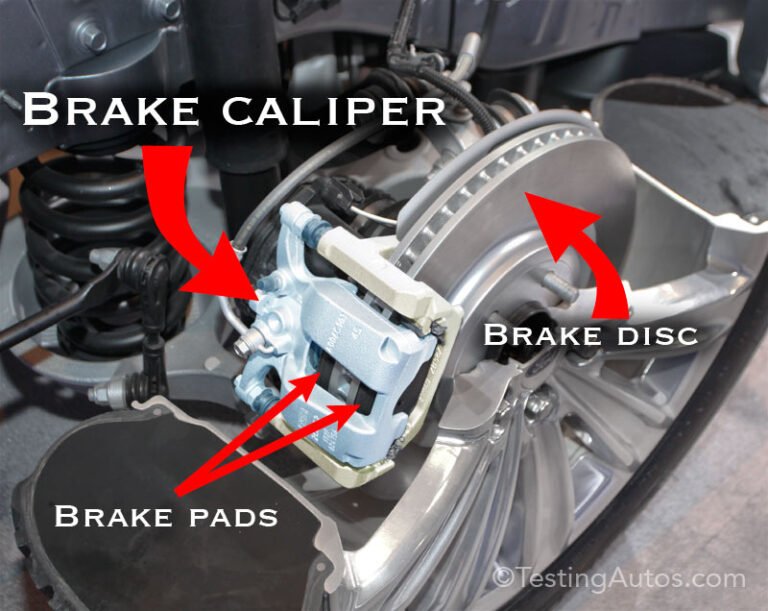
Brake caliper slide pins allow a floating caliper to move back and forth. This movement helps both brake pads press evenly against the rotor.
Over time, water, road salt, dust, and old grease can collect around the pins. When this happens, the pins may stick inside their rubber boots.
Learning how to clean brake caliper slide pins helps restore smooth movement and can improve brake balance. It also lets you spot worn boots or damaged parts early.
- ✦ Uneven pad wear
A stuck slide pin may keep one brake pad touching the rotor more than the other pad.
- ✦ Brake noise
Dirty pins can contribute to squeaks, rubbing sounds, or brake vibration.
- ✦ Extra heat
A dragging brake can create excess heat and reduce brake part life.
Signs your slide pins need service
Common signs include uneven brake pad thickness, a vehicle pulling during braking, or a wheel that feels hotter than the others after driving.
- ✦ Check for movement
The caliper should move freely when the slide pins are properly cleaned and lubricated.
Tools and supplies needed to clean brake caliper slide pins
Before starting, gather all tools and supplies. Good preparation makes brake work safer and easier.
Use products made for brake systems. The wrong grease can damage rubber parts or fail under brake temperatures.
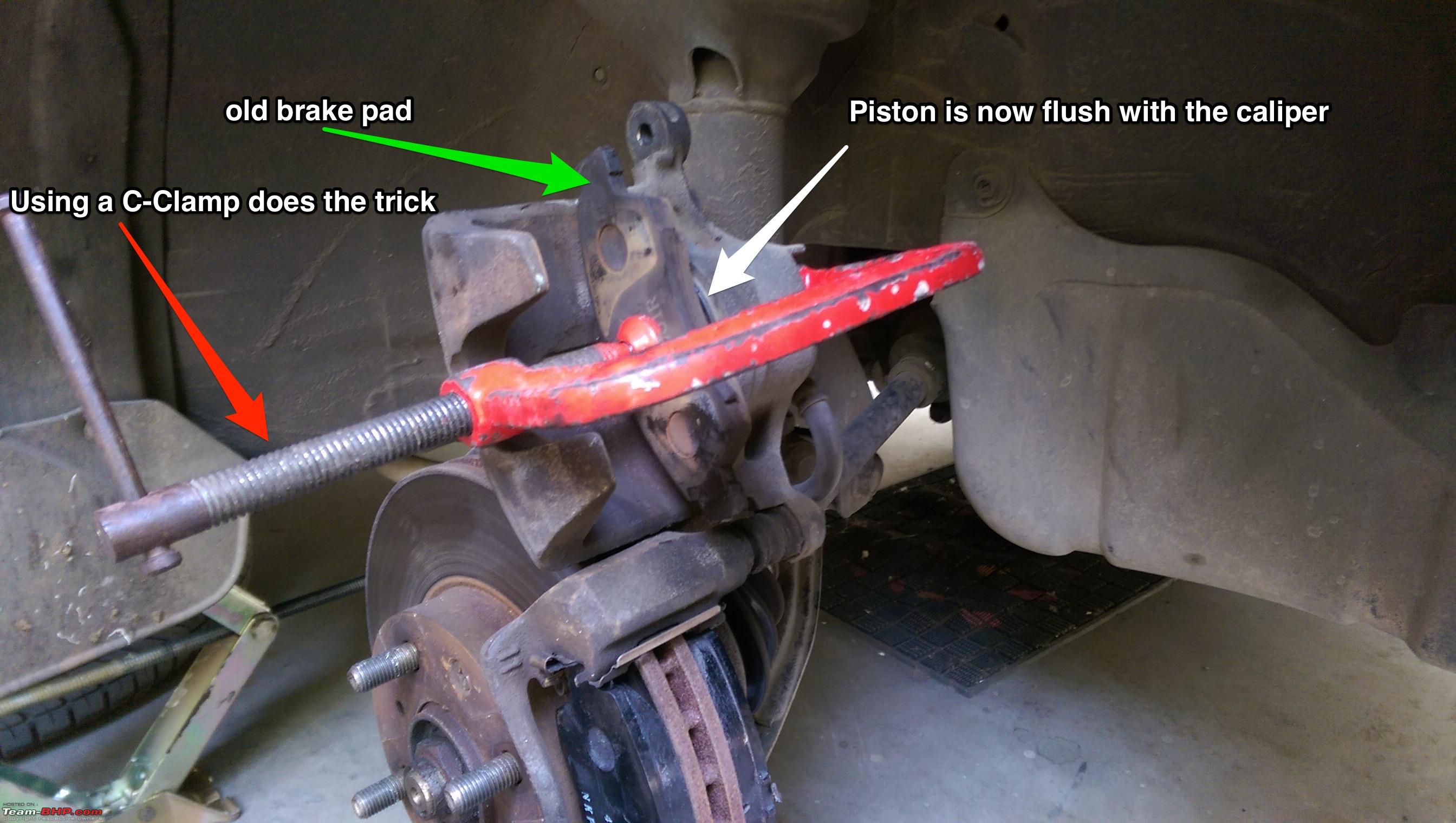
- ✦ Basic hand tools
You may need a jack, jack stands, socket set, wrench, and a torque wrench.
- ✦ Cleaning supplies
Use brake cleaner, clean towels, a soft brush, and a small wire brush if needed.
- ✦ Correct lubricant
Use silicone-based or manufacturer-approved brake caliper grease made for slide pins.
Step-by-step: how to clean brake caliper slide pins
Start with the vehicle parked on a flat surface. Use proper lifting equipment and never work under a vehicle supported only by a jack.
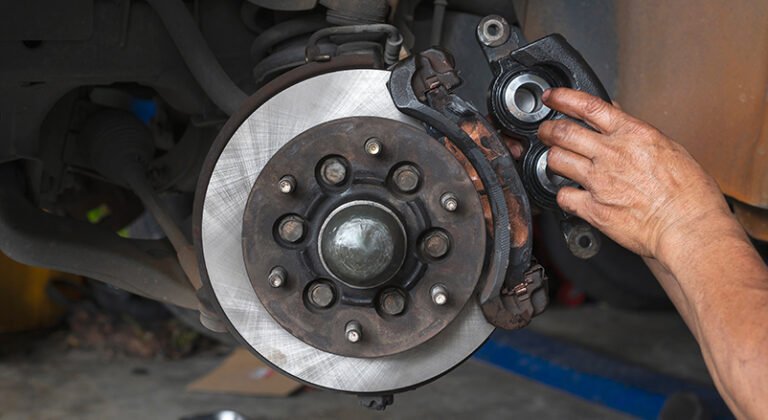
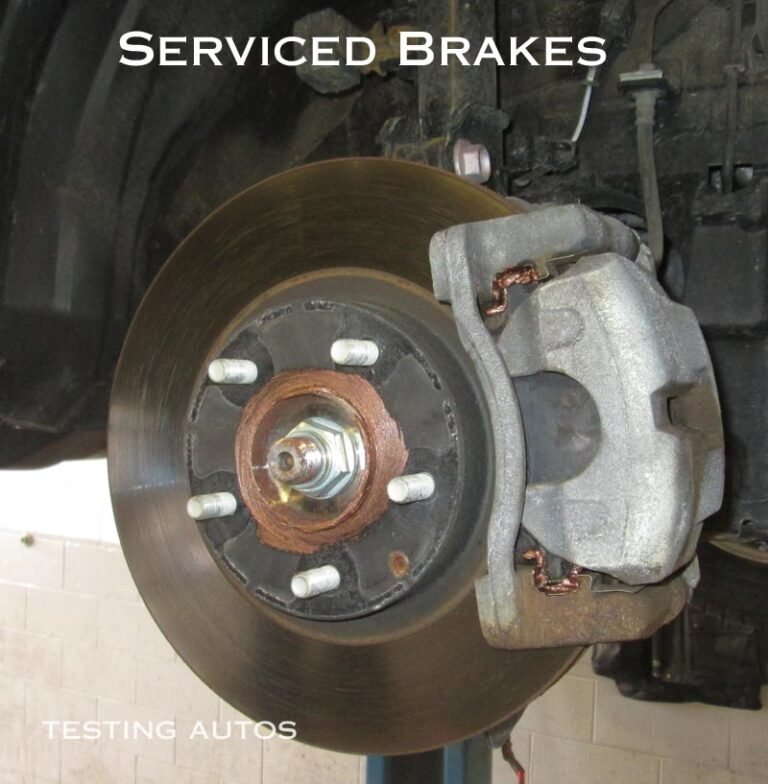
Remove the wheel and locate the caliper slide pins. Many calipers have rubber boots that protect the pins from moisture and dirt.
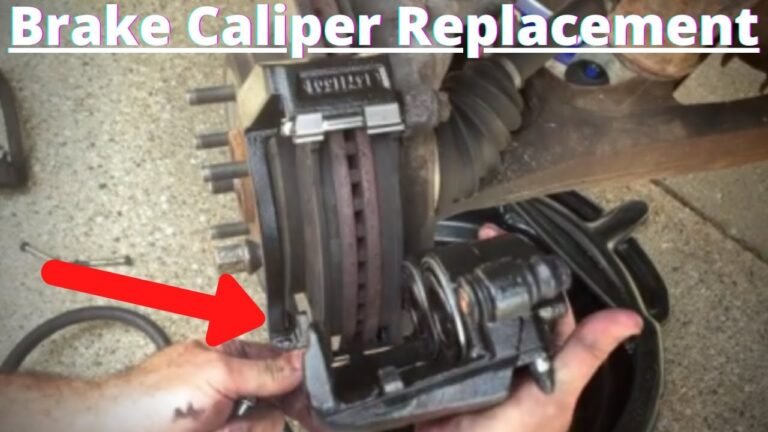
Remove each pin carefully, clean the old grease from the pin and bore, then inspect the rubber boots before reinstalling everything.

- ✦ Remove the slide pins
Pull the pins out carefully and keep track of their position.
- ✦ Clean the parts
Remove old grease, corrosion, and dirt until the metal surface is clean.
- ✦ Lubricate and reinstall
Apply a thin layer of brake-safe grease and reinstall the pins with the boots seated correctly.
How to clean a stuck caliper slide pin
A stuck pin may need extra care. Avoid forcing it with excessive pressure because damaged caliper parts can become expensive to replace.
Use penetrating oil only for removal help if needed, then remove all residue before applying brake lubricant.
- ✦ Inspect for rust damage
Deep corrosion may mean the pin or caliper bracket needs replacement.
Common mistakes when cleaning brake caliper slide pins
Many brake problems happen because simple maintenance steps are skipped. Using the wrong products or rushing the job can create new issues.
A careful inspection after cleaning helps ensure the caliper works as designed.

- ✦ Using regular grease
General grease may not handle brake heat and may harm rubber components.
- ✦ Adding too much lubricant
Excess grease can collect dirt and may interfere with proper movement.
- ✦ Ignoring damaged boots
Torn boots allow moisture inside and can quickly ruin clean slide pins.
How often should you clean brake caliper slide pins
Service intervals depend on driving conditions, climate, and vehicle design. Drivers in areas with road salt or heavy rain may need more frequent inspections.
Many technicians inspect slide pins during brake pad replacement. This is a good time because the caliper is already accessible.
- ✦ Normal driving
Inspect during regular brake service or when replacing pads.
- ✦ Harsh conditions
More frequent checks may help prevent corrosion from moisture and road salt.
Benefits of properly cleaned and lubricated slide pins
Clean slide pins help the caliper move correctly. This supports even brake pad contact and smoother braking.
A small maintenance task can protect other brake components and help you find problems before they become major repairs.

- ✦ Better brake operation
Free-moving calipers help brake pads apply pressure more evenly.
- ✦ Longer component life
Proper lubrication reduces unnecessary wear on brake parts.