What Brake Fluid Is Not Hygroscopic: Clear Answers and Key Facts
What brake fluid is not hygroscopic? Using the wrong brake fluid can damage seals, reduce braking performance, or create a dangerous failure in the hydraulic system. The short answer is that DOT 5 silicone brake fluid is the standard automotive brake fluid that is not hygroscopic. It does not actively absorb moisture from the atmosphere like glycol-based DOT 3, DOT 4, and DOT 5.1 fluids.
However, “non-hygroscopic” does not mean moisture can never enter a brake system. Water can still get in through air, leaks, opened containers, or contaminated components. Understanding the fluid type, vehicle specification, and compatibility rules is essential before making a change.
What brake fluid is not hygroscopic?
DOT 5 silicone brake fluid is not hygroscopic. It uses a silicone-based formulation rather than the glycol-based chemistry found in most passenger vehicles. Because it does not readily absorb water from the surrounding air, its moisture behavior is different from DOT 3, DOT 4, and DOT 5.1.
The name “DOT 5” is important. DOT 5.1 is not silicone fluid. Despite the higher number, DOT 5.1 is generally glycol-based and remains hygroscopic. The classification number alone cannot tell you whether a brake fluid absorbs moisture.
| Brake fluid type | Primary base | Hygroscopic? |
|---|---|---|
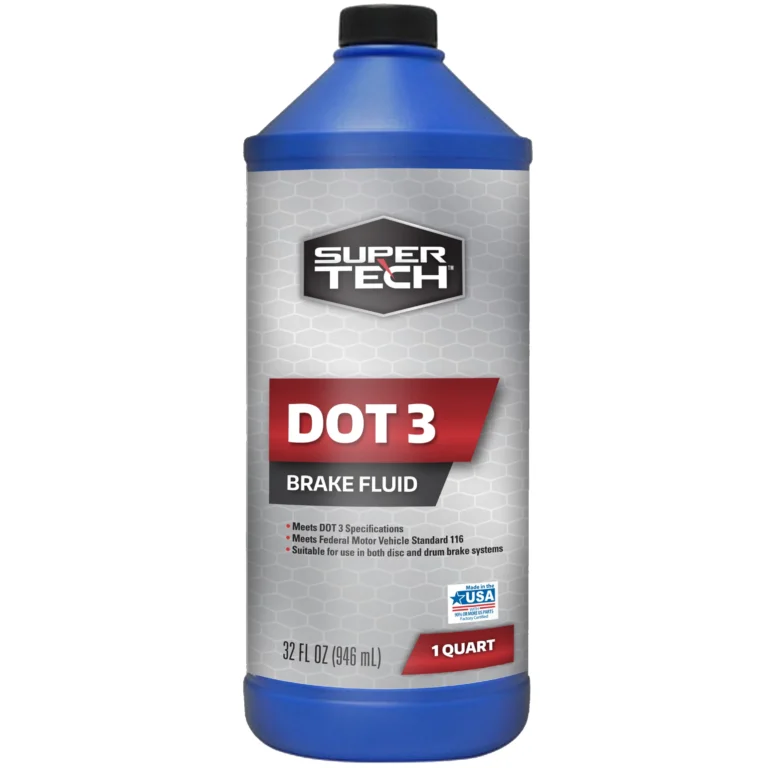
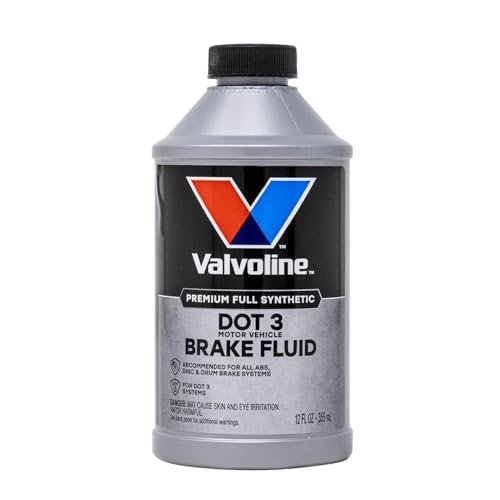
| DOT 3 | Glycol ether | Yes |
| DOT 4 | Glycol ether | Yes |
| DOT 5 | Silicone | No, in normal use |
| DOT 5.1 | Glycol ether | Yes |
This table gives the practical answer, but the vehicle manufacturer’s specification remains the final authority. A car designed for DOT 3 or DOT 4 should not receive DOT 5 simply because silicone fluid does not absorb moisture.
What does hygroscopic mean?
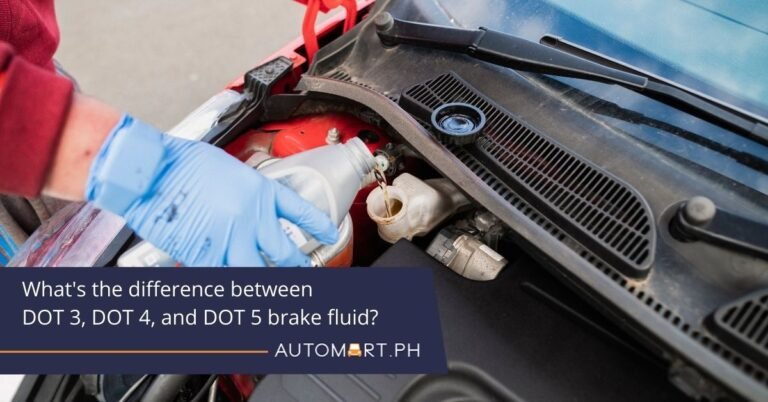
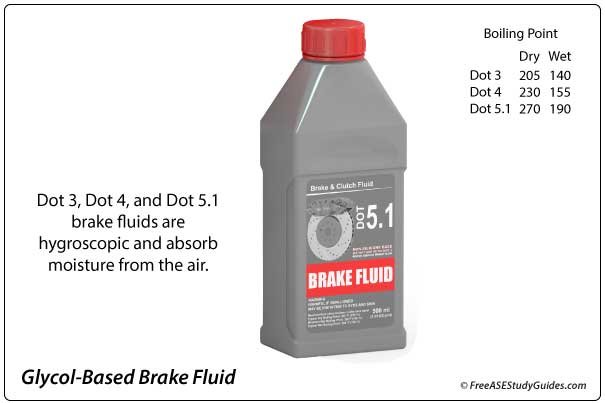
A hygroscopic liquid absorbs water vapor from the air. In a brake system, glycol-based fluid gradually takes in moisture through the fluid reservoir, flexible hoses, seals, microscopic openings, and normal service exposure. This process can happen even when there is no obvious leak.
Water contamination lowers the fluid’s boiling point. During repeated or severe braking, the fluid may become hot enough for the absorbed water to vaporize. Vapor is compressible, while brake fluid is intended to transmit pressure with very little compression. The result can be a soft pedal, reduced braking response, or temporary loss of hydraulic pressure.
Moisture can also promote internal corrosion in steel brake lines, calipers, wheel cylinders, and other hydraulic components. Glycol-based fluids are designed to suspend and distribute small amounts of water throughout the system rather than allowing water to collect in isolated pockets. That behavior helps limit localized corrosion, but it also means the entire fluid gradually becomes contaminated.
Silicone DOT 5 does not normally draw moisture into itself. Water may remain as separate droplets or settle in low areas of the system. This is one reason a vehicle using DOT 5 still cannot ignore inspection and fluid service.
Why DOT 5 is different
DOT 5 silicone fluid is formulated for hydraulic brake systems that specifically call for it. Its silicone base resists the moisture absorption associated with glycol fluids. It also does not damage automotive paint as readily as glycol-based brake fluid, although spills should still be cleaned promptly and the product label should be followed.
Its non-hygroscopic behavior can be useful in certain applications, including some specialty, collector, military, and long-storage vehicles. A vehicle that is used infrequently may benefit from reduced moisture absorption, but the complete hydraulic system must be designed or prepared for DOT 5.
DOT 5 also has different physical characteristics. It can entrain or retain small air bubbles more readily during filling, bleeding, or vigorous handling. Air in a hydraulic brake system is compressible, so improper bleeding may produce a soft or spongy pedal even when the fluid itself is new.
Silicone fluid can also behave differently under high heat and may not be the right choice for vehicles equipped with certain anti-lock braking systems. The fluid must match the vehicle’s engineering requirements, not merely the owner’s preference for a non-hygroscopic product.
DOT 5 is not the same as DOT 5.1
The most common source of confusion is the difference between DOT 5 and DOT 5.1. DOT 5 is silicone-based and non-hygroscopic. DOT 5.1 is glycol-based, like DOT 3 and DOT 4, and is hygroscopic.
DOT 5.1 was named to indicate a performance category, particularly higher boiling-point capability in many formulations. It was not named to identify silicone chemistry. Reading only the number can lead to an incorrect fluid choice.
DOT 5 and DOT 5.1 should not be treated as interchangeable. Their chemical bases differ, and mixing them can compromise fluid performance, seals, bleeding behavior, and manufacturer compliance. The same caution applies when switching between DOT 5 and DOT 3 or DOT 4.
Are mineral-oil brake fluids hygroscopic?
Mineral-oil-based hydraulic fluids generally do not absorb atmospheric moisture in the same way glycol brake fluids do. However, they are not a universal alternative to DOT 5, DOT 4, or DOT 3.
Mineral oil is used in specific systems, such as some hydraulic bicycle brakes, certain clutch systems, and vehicles that specify a dedicated mineral-oil product. These systems use compatible seals, hoses, and components. Mineral oil and DOT brake fluids have different chemical properties and must not be substituted for one another unless the manufacturer expressly permits it.
For a typical U.S. passenger vehicle, the useful answer remains straightforward: DOT 5 is the recognized non-hygroscopic DOT brake fluid, while mineral oil applies only where the system is specifically designed for it.
Does non-hygroscopic mean maintenance-free?
No. DOT 5 resists moisture absorption, but it does not make the brake system immune to water contamination. Water can enter through a damaged seal, an open reservoir, a loose cap, a hose connection, or service work performed in wet or dirty conditions.
Because water may not blend evenly into silicone fluid, it can collect in low points such as calipers or wheel cylinders. A concentrated pocket of water can contribute to corrosion or turn into steam under braking heat. The absence of widespread moisture absorption does not eliminate the need for inspection, flushing, or component repair.
Brake fluid can also become contaminated by dirt, rubber particles, degraded seals, and chemical residues. A fluid that looks clean in the reservoir may not represent the condition at every point in the hydraulic circuit.
I recommend following the vehicle manufacturer’s maintenance schedule and inspecting the fluid whenever brake work is performed. If the system has been opened, flooded, contaminated, or filled with the wrong type, a complete correction may be necessary rather than a simple top-off.
Can DOT 5 be mixed with other brake fluid?
DOT 5 should not be mixed with DOT 3, DOT 4, or DOT 5.1. Silicone and glycol brake fluids are chemically different and may not remain properly blended. Mixing can produce inconsistent pedal feel, reduce predictable braking performance, and create compatibility problems with seals and other materials.
Do not assume that a small amount of another fluid is harmless. If the wrong product has been added, the safest response is to stop treating the reservoir as ready for normal use and have the system evaluated. Depending on the amount and vehicle design, the correction may involve draining, flushing, bleeding, replacing contaminated parts, or rebuilding hydraulic components.
A label that says “all-purpose,” “universal,” or “compatible with many DOT ratings” should not override the vehicle’s owner’s manual or reservoir marking. Brake fluid specifications are functional requirements, not just suggestions about boiling point.
How to identify the correct fluid
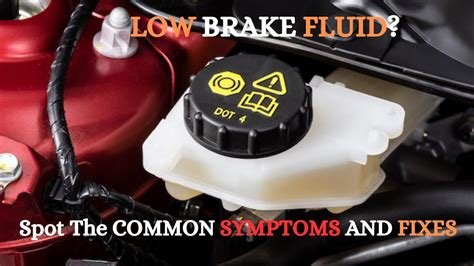
Start with the brake-fluid specification printed on the reservoir cap, listed in the owner’s manual, or stated in the service information for the exact vehicle. Look for the required DOT rating and any warning about silicone, mineral oil, or other specialized fluid.
- Use DOT 5 only when the vehicle or hydraulic system specifically calls for DOT 5.
- Do not substitute DOT 5.1 for DOT 5.
- Do not pour mineral oil into a system that specifies DOT brake fluid.
- Use a sealed container and avoid using fluid that has been exposed to moisture or dirt.
- Keep the reservoir cap and surrounding area clean before opening the system.
- Do not rely on fluid color alone to identify the chemistry.
Color can help manufacturers distinguish products, but it is not a dependable substitute for the label. Product colors may vary, fade, or appear different after contamination. The specification and chemistry matter more than appearance.
When is DOT 5 a suitable choice?
DOT 5 can be suitable when a vehicle manufacturer specifies it or when a qualified conversion is performed for an appropriate application. It may be considered for vehicles that spend long periods in storage, specialty equipment, or systems designed around silicone fluid from the beginning.
A conversion is not simply a matter of removing fluid from the reservoir and adding DOT 5. Residual glycol fluid can remain in lines, calipers, wheel cylinders, and seals. The system may also contain components or anti-lock hardware that are not compatible with the change. Conversion requirements vary by vehicle and can involve thorough cleaning, new seals, replacement hoses, and careful bleeding.
For a modern vehicle that specifies DOT 3, DOT 4, or DOT 5.1, using the specified glycol fluid is normally the correct decision. Its hygroscopic nature is an expected design characteristic, and scheduled fluid replacement manages the resulting moisture contamination.
Key safety cautions
Brake fluid selection is a safety issue, not a cosmetic or convenience decision. A fluid can have an attractive boiling point or resist water absorption and still be wrong for a particular hydraulic system.
Never test an unfamiliar fluid in the vehicle by mixing a small amount and checking pedal feel. A firm pedal immediately after service does not prove long-term chemical compatibility. Problems may appear later as seal swelling, leakage, corrosion, poor bleeding, or unpredictable performance.
If the pedal is soft, the fluid is contaminated, the reservoir contains an unknown product, or the vehicle has recently received incorrect fluid, avoid normal driving until the system has been inspected and repaired. Brake systems require the correct fluid, correct components, and complete removal of air.
Conclusion
The direct answer to what brake fluid is not hygroscopic is DOT 5 silicone brake fluid. DOT 3, DOT 4, and DOT 5.1 are glycol-based and hygroscopic, while mineral oil is non-hygroscopic only in systems specifically designed for it. DOT 5 still requires proper maintenance, must not be mixed with glycol fluids, and should be used only when the vehicle manufacturer or system design calls for it.