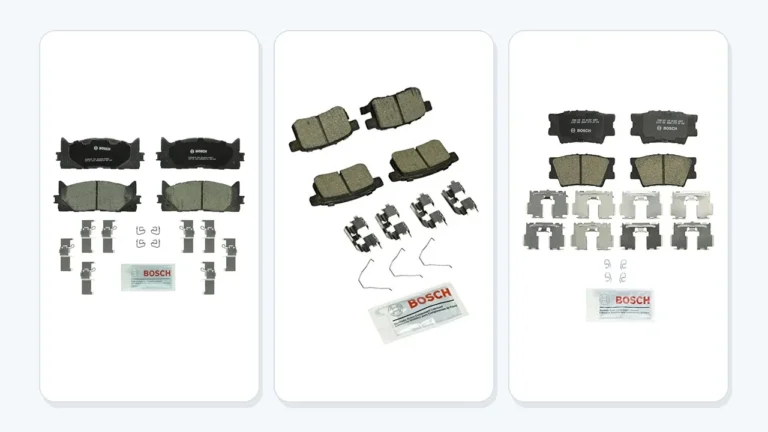
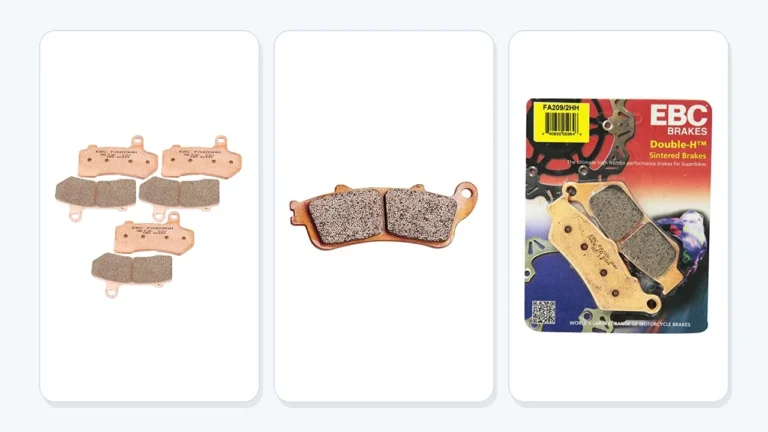
5 Best Hawk Brake Pads for Street Cars, Trucks and Track Weekends
As an Amazon Associate, we earn from qualifying purchases made through links in this post, at no extra cost to you.
Buying the wrong brake pads can leave your car feeling weak at the pedal, noisy during normal stops, or out of breath after repeated hard braking. A pad that does not match your vehicle, rotor condition, or driving load can also mean wasted labor and a second repair job before you feel comfortable driving again.
The main decision is not simply how hard a pad can bite. You need the right friction compound for your vehicle, enough fade resistance for your driving, and a fit that matches the exact axle and brake hardware.
Here is what this guide helps you sort out:
- Which Hawk compound fits street cars, SUVs, towing, and severe-duty work.
- How pad temperature range affects normal driving and repeated braking.
- What fitment, rotor condition, break-in, and brake dust deserve attention.
- Which warning signs mean a pad choice or installation needs another look.
Quick Picks
-
Best For Performance Street Driving

Hawk Performance HB453B.585 HPS 5.0 Street Brake
HPS 5.0 compound delivers strong, predictable braking for muscle cars, European sedans, and tuners driven hard.
-
Best For Towing And Heavy Loads
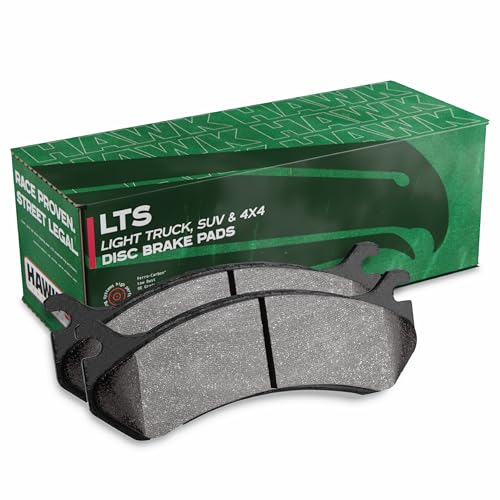
Hawk Performance HB490Y.665 LTS Light Truck and
Ferro-Carbon material resists fade under towing and heavy loads, making this pad set suited to trucks and SUVs.
Top 5 Hawk Brake Pads at a Glance
Street drivers should start with Hawk HPS 5.0 Pads or Hawk HPS Pads, while truck owners should look first at Hawk LTS Pads. The two Super Duty choices are aimed at extreme payloads, heavy towing, and commercial-style work, so the biggest separator is intended load rather than appearance.
| Product image | Product name | Check product |
|---|---|---|
| 1 |
Hawk Performance HB453B.585 HPS 5.0 Street Brake | Check Price |
| 2 |
Hawk Performance HB490Y.665 LTS Light Truck and | Check Price |
3 |
Hawk Performance HB299P.650 Super Duty Street Brake | Check Price |
4 |
Hawk Performance HB453F.585 HPS Performance Street Brake | Check Price |
| 5 |
Hawk Performance HB552P.722 Super Duty Street Brake | Check Price |
5 Best Hawk Brake Pads: Detailed Reviews
When I chose the best hawk brake pads, I paid attention to compound type, temperature range, vehicle use, rotor friendliness, and pedal control. Those details matter because the wrong pad can fade during hard stops, feel grabby in traffic, or wear the rotor faster than expected.
The group covers performance street cars, light trucks, SUVs, vans, and severe-duty vehicles. Looking at them side by side helps you avoid paying for a heavy-duty compound when your car only needs calm street manners, or choosing a street pad when towing puts much more heat into the brakes.
1. Hawk Performance HB453B.585 HPS 5.0 Street Brake
HPS 5.0 compound delivers strong, predictable braking for muscle cars, European sedans, and tuners driven hard.
- Color585
- SizeHPS 5.0
- Release Date2014-05-29T00:00:01Z
- Number Of Items1
Hawk HPS 5.0 Pads suit muscle cars, European sedans, and tuner cars whose drivers want stronger street braking without giving up predictable control.
The HPS 5.0 compound is the friction material that presses against the rotor to slow the wheel. Hawk describes this compound for aggressive torque and high deceleration, so the pad is aimed at drivers who ask more from the brakes than ordinary commuting requires.
In daily use, that extra focus can make firm stops feel more controlled instead of requiring a long, soft pedal push. The HPS 5.0 pad also lists a 100–750 degree operating condition, which gives the compound a broad stated range for cold starts and repeated hard braking.
The pad is designed for smooth brake release and a refined pedal feel. Release is the moment the pad moves away from the rotor, and smooth release helps the car slow without a sudden grab when you ease off the pedal.
Hawk also describes the compound as fade resistant and durable for pad and rotor life. Fade is the loss of braking strength after heat builds up, so this feature matters if a spirited drive includes repeated stops rather than one emergency stop.
Fitment remains the first checkpoint. A performance pad cannot correct the wrong caliper shape, worn rotor, damaged brake hardware, or a vehicle application it was not made for, so verify the exact year, trim, axle, and brake package before ordering.
Pros:
- HPS 5.0 compound, strong control for performance street driving.
- 100–750 degree conditions, useful for repeated hard braking.
- Smooth release, helps keep pedal response predictable.
- Fade-resistant design, supports consistent braking as heat rises.
- Durable pad and rotor focus, may reduce frequent replacement work.
Cons:
- Performance compound may be more than a quiet commuter needs.
- Exact vehicle and axle fitment still needs careful checking.
- The listing does not provide a pad thickness or weight.
Buy it if: you drive a performance-oriented street car and want strong, controlled braking across a wide stated temperature range.
Skip it if: you mainly drive a heavy truck with large towing loads, because a light-truck or Super Duty pad would suit that job better. For another fit, consider Hawk Performance HB490Y.665 LTS Light Truck or Hawk Performance HB299P.650 Super Duty Street.
I’d pick Hawk HPS 5.0 Pads for a driver who wants a clear step toward performance braking without jumping straight to a severe-duty truck compound. The broad stated temperature range and smooth release make the choice sensible for fast street use and occasional hard stops. Double-check the vehicle application, axle position, and rotor condition before buying.
This pad is the better match for a street car that sees enthusiastic driving, not a work truck hauling at its limit.
2. Hawk Performance HB490Y.665 LTS Light Truck and
Ferro-Carbon material resists fade under towing and heavy loads, making this pad set suited to trucks and SUVs.
- Color665
- SizeLTS Light Truck and SUV
- Number Of Items1
- PowerBuilt for Trucks & SUVs – LTS brake pads provide superior stopping power for light trucks, SUVs, and vans up t
Hawk LTS Pads are built for light trucks, SUVs, and vans up to 1 ton, especially when cargo, towing, or a larger vehicle puts extra demand on the brakes.
The Ferro-Carbon friction material combines carbon with iron-based braking material to handle heat and load. Here, that construction is meant to keep braking more consistent when a truck is carrying weight or pulling a trailer.
Hawk lists 100–700 degree conditions and enhanced fade resistance for this compound. That matters because a loaded truck can turn a series of downhill or highway stops into a heat problem much faster than an empty sedan.
The pad is also described as having a strong initial bite. Initial bite means how firmly braking begins when you first press the pedal, so a useful amount of bite can make a heavy vehicle feel easier to slow without a long delay.
Low dust and long pad and rotor life are part of the stated design. Less visible dust can keep wheels cleaner, while the longer-life claim is most useful to owners who put real miles on a truck, SUV, or van.
The important limit is the vehicle class. A light-truck pad is not automatically the correct choice for every SUV, and the listing’s up-to-1-ton description does not replace checking your exact brake application.
Pros:
- Ferro-Carbon material, supports steady braking under heavier loads.
- 100–700 degree conditions, suits towing and repeated stops.
- Strong initial bite, helps slow a loaded vehicle promptly.
- Low-dust design, leaves less visible residue on wheels.
- Long pad and rotor focus, helps high-mileage truck owners.
Cons:
- Intended for light trucks, SUVs, and vans rather than small cars.
- Towing suitability still depends on the vehicle’s complete brake system.
- The listing does not state exact pad thickness or weight.
Buy it if: you drive a light truck, SUV, or van that regularly carries weight or tows, because the Ferro-Carbon material is aimed at steadier hot braking.
Skip it if: your vehicle is a performance sedan used mainly on empty roads, because a street performance pad would suit that lighter duty better. Hawk Performance HB453B.585 HPS 5.0 Street and Hawk Performance HB299P.650 Super Duty Street are worth a closer look instead.
Hawk LTS Pads earn the second spot because the intended use is easy to understand and practical for truck owners. The combination of strong initial bite, stated fade resistance, and low-dust design covers the complaints that matter most after towing or carrying cargo. Verify the exact vehicle, axle, and towing setup before ordering, since a truck’s brake package can vary widely.
Choose this pad when load control matters more than a sporty street-car feel.
3. Hawk Performance HB299P.650 Super Duty Street Brake
The catalog lists Designed for Heavy Duty – SD Super Duty Brake Pads are built for trucks with extreme payloads and heavy towing. Compare fit and care needs before choosing.
- Color650
- SizeSuper Duty
- Number Of Items1
- WeightNot listed; check details
Hawk Super Duty Pads are for 3/4-ton or 1-ton trucks, professional fleets, and drivers who regularly handle extreme payloads or heavy towing.
The coefficient of friction describes how strongly the pad material grips the rotor under a given amount of pressure. Hawk describes this Super Duty compound as having an extremely high coefficient of friction and strong fade resistance, which targets vehicles that keep generating heat under severe work.
The pad uses Ferro-Carbon technology associated in the listing with mining, construction, and military applications. That does not mean every installation has those conditions, but it explains why this compound is aimed at demanding commercial-grade use rather than ordinary errands.
High-temperature durability is another central feature. Heavy towing can push brakes through repeated heat cycles, and a pad designed for that work may maintain braking more steadily than a basic street compound when a large truck is loaded.
The severe-duty focus also changes the buying question. A high-load pad is not automatically better for an unloaded half-ton pickup, because the right choice depends on the truck’s weight rating, brake hardware, axle, and actual use.
Hawk also identifies this pad for extreme rotor wear conditions. That wording signals a work-focused compound, so inspect the rotors and related hardware rather than treating new pads as a complete brake-system repair.
Pros:
- Extremely high friction focus, supports heavy-load stopping.
- Fade-resistant design, helps during repeated towing stops.
- Ferro-Carbon technology, targets severe-duty truck use.
- High-temperature durability, suits demanding heat cycles.
- Fleet-oriented application, fits commercial-style operating needs.
Cons:
- Severe-duty focus may be excessive for light daily driving.
- Intended vehicle class is mainly 3/4-ton and 1-ton trucks.
- Exact fitment and rotor condition remain essential before installation.
Buy it if: you operate a 3/4-ton or 1-ton truck under serious towing or payload demands, because the compound is designed around severe heat and load.
Skip it if: you drive an unloaded car or small crossover, because a street-oriented brake pad would suit your lighter use better. If those trade-offs rule it out, Hawk Performance HB453B.585 HPS 5.0 Street or Hawk Performance HB490Y.665 LTS Light Truck may suit you better.
I’d choose Hawk Super Duty Pads when the truck’s workload is the reason for the brake upgrade, not simply because the name sounds tougher. The severe-duty material and fade-resistance focus make sense for repeated high-load braking. The hesitation is fitment and balance, since a heavy-duty compound cannot compensate for undersized rotors, tired calipers, or an unsuitable brake package.
This pad belongs on a working truck whose real duty matches the description.
4. Hawk Performance HB453F.585 HPS Performance Street Brake
The catalog lists The Classic Performance Pad – The original HPS Street Compound, trusted for high-performance braking. Compare fit and care needs before choosing.
- Color585
- SizeHPS Performance
- Number Of Items1
- PowerSuperior Stopping Power – Delivers 20–40 percent more stopping power than standard replacement pads
Hawk HPS Pads suit street cars and drivers who want the original HPS street compound for spirited driving, firm control, and predictable brake release.
The HPS Street Compound is the friction material in this pad set, and Hawk describes it as the classic performance street option. That makes the pad easier to place: it is meant for road use with more performance emphasis than a plain replacement pad.
Hawk states that this pad delivers 20–40 percent more stopping power than standard replacement pads. Since that figure is a listing claim rather than a promise for every vehicle, treat it as a reason to consider the compound, not as a substitute for checking fitment and brake condition.
The pad is designed for smooth, consistent feel and good brake release. A consistent feel helps you judge pressure in normal traffic, while smooth release can make low-speed stops less awkward when you are easing into a parking space.
Hawk also lists a 100–700 degree condition range and fade resistance. That range is aimed at keeping the braking response more stable as heat rises during spirited road driving.
The rotor-friendly design is useful for owners who want performance without treating rotors as disposable. Still, any new pad should be matched with rotors that are within service limits and free from serious scoring or heat damage.
Pros:
- Classic HPS compound, gives street cars a performance focus.
- 20–40 percent stated gain, targets stronger stopping than stock pads.
- Smooth release, makes pedal control easier to judge.
- 100–700 degree conditions, supports repeated road braking.
- Rotor-friendly design, helps limit unnecessary rotor wear.
Cons:
- More performance than a basic commuter may need.
- The claimed stopping gain can vary by vehicle and setup.
- Exact fitment is not confirmed by the pad name alone.
Buy it if: you want a performance street compound with smooth release and stated fade resistance for spirited road driving.
Skip it if: your truck regularly carries extreme payloads, because a severe-duty truck pad would suit that workload better.
What I like about Hawk HPS Pads is the straightforward street-car purpose. The compound combines performance intent with smooth release and a rotor-friendly description, which is a useful balance for road drivers. Check the exact application and inspect the rotors before purchase, especially if the current brakes are deeply scored.
This is the sensible pick for spirited street use when the HPS 5.0 option is not the application you need.
5. Hawk Performance HB552P.722 Super Duty Street Brake
The catalog lists Designed for Heavy Duty – SD Super Duty Brake Pads are built for trucks with extreme payloads and heavy towing. Compare fit and care needs before choosing.
- Color722
- SizeSuper Duty
- Number Of Items1
- WeightNot listed; check details
Hawk Super Duty 722 Pads are another severe-duty choice for 3/4-ton and 1-ton trucks, commercial vehicles, and heavy towing or payload work.
The 722 compound code identifies the listed pad version, while the Super Duty size places the set in the heavy-work group. The code is not a measure of stopping distance, so use the vehicle application and intended load as the main buying clues.
Like the other Super Duty option here, the pad uses Ferro-Carbon technology and is described for high friction and fade resistance. Those features are aimed at keeping a heavy truck’s braking response more stable when repeated stops create a lot of heat.
The listing also describes high-temperature durability and extreme rotor-wear capability. These are useful traits for demanding work, though they make rotor inspection especially important because new pads cannot repair a rotor that is already damaged or outside its service limits.
This pad is also described for professional fleets and commercial-grade vehicles. Fleet use usually means long hours, repeated load cycles, and less room for weak brake performance, so the compound is positioned for duty that goes beyond family errands.
The main trade-off is specialization. A severe-duty pad can be a poor match for a lightly used truck if the driver does not need the heat and load capacity, and the exact axle and brake package still decide whether the set fits.
Pros:
- 722 compound code, clearly separates this Super Duty version.
- High friction focus, supports loaded truck braking.
- Fade-resistant design, helps during repeated heavy stops.
- Ferro-Carbon material, targets commercial-grade duty.
- High-temperature durability, suits demanding work cycles.
Cons:
- Specialized for heavy trucks and severe workloads.
- Not a sensible fit for ordinary small-car driving.
- The listing does not provide thickness, weight, or vehicle coverage.
Buy it if: you run a 3/4-ton or 1-ton truck for commercial work or heavy towing, because the 722 Super Duty compound targets repeated heat and load.
Skip it if: your vehicle sees light commuting with little cargo, because a street pad would suit that lower-demand use better.
I’d select Hawk Super Duty 722 Pads when the truck’s schedule resembles work rather than commuting. The high-friction, fade-resistant, Ferro-Carbon design gives the set a clear reason to exist. My caution is that the compound cannot tell you whether the exact axle and caliper hardware match, so verify those details first.
This pad is for a properly matched heavy-duty truck that spends real time loaded.
How to Choose the Best Hawk Brake Pads
The best hawk brake pads match the compound to your vehicle weight, brake hardware, driving heat, and load rather than simply choosing the most aggressive label. Start with exact fitment, then decide whether your use is street performance, light-truck towing, or severe-duty work.
Match the vehicle class
A brake pad is shaped for a specific caliper and rotor arrangement. A street-car pad belongs on the listed car application, while a truck pad may be shaped for a larger brake package and different load demands.
Check the year, make, model, engine, trim, axle position, and factory brake option. A vehicle can have more than one brake package, especially after a tow package, performance package, or midyear change.
Choose by real load
Light cargo and normal commuting create less brake heat than a loaded trailer or commercial payload. LTS pads are aimed at light trucks, SUVs, and vans up to 1 ton, while Super Duty pads target 3/4-ton and 1-ton trucks with extreme loads.
Use the truck’s door-jamb payload label and towing information as starting points. If the trailer weight, passengers, and cargo regularly approach the vehicle’s limits, do not choose by empty-truck behavior alone.
Understand temperature range
A temperature range describes the conditions the friction material is designed to handle, not a guaranteed stopping distance. The listed HPS 5.0 range is 100–750 degrees, while the LTS and HPS ranges are listed as 100–700 degrees.
Cold performance matters on the first stop of the morning. Hot performance matters after repeated braking, long descents, towing, or spirited driving, so choose a compound whose stated use matches the heat your vehicle creates.
Think about pedal feel
Pedal feel is how clearly the brake responds as you press and release the pedal. Smooth release and consistent control can make traffic stops easier to judge, while strong initial bite can help a loaded truck start slowing promptly.
A beginner should favor predictable response over the most aggressive description. More friction is not automatically more comfortable, and the vehicle’s tires, rotors, calipers, and brake balance still affect the result.
Check rotor condition
Brake pads press against rotors, so the rotor surface must be suitable for the new material. Deep grooves, blue heat marks, cracks, heavy rust, or a rotor below its service thickness call for inspection before pad installation.
Do not assume a rotor-friendly pad makes a damaged rotor acceptable. If the old pads wore unevenly, also check caliper slides, piston movement, abutment hardware, and hose condition.
Confirm the package contents
The listings here identify each selection as one item, but a vehicle may need pads for one axle or a complete front or rear set depending on the application. Confirm whether the listing quantity matches the repair you are planning.
Also check whether shims, clips, wear sensors, or other hardware are included. Do not assume those parts are supplied unless the specific application page says so.
Compare performance brake needs carefully
Drivers who want stronger street braking can review [performance brake pads that bite harder](LINK:PAD-S3|performance brake pads) when deciding how much heat control they truly need. The important comparison is not a dramatic label, but the combination of vehicle weight, tire grip, rotor condition, and repeated-stop demands.
How to Use Hawk Brake Pads for the Best Results
New pads need correct installation, clean contact surfaces, and a careful break-in process. The vehicle-specific service instructions should control torque values, hardware replacement, and the final brake check.
- Confirm the pad shape and axle before removing the old set. Keep the old pad nearby until the new shape and wear pattern make sense.
- Inspect the rotor face for grooves, cracks, blue spots, and heavy rust. Replace or service rotors when they do not meet the vehicle’s limits.
- Clean the caliper bracket and pad contact points. Remove loose rust without thinning or damaging the bracket.
- Check caliper slide pins and piston movement. A stuck slide can force one pad to drag while the other wears too slowly.
- Install the pads and hardware in the correct direction. Do not force a pad into a rusty bracket or leave a retaining clip distorted.
- Pump the brake pedal before moving the vehicle. The pedal can travel too far until the pads sit against the rotors.
- Perform a cautious low-speed check in a safe area. Confirm the vehicle slows evenly and the pedal remains firm.
- Follow the pad maker’s break-in directions. Avoid sitting stopped with a hot brake pedal pressed hard unless the instructions call for it.
A typical break-in routine uses several moderate stops with time between them for cooling, but the exact method can vary by compound and vehicle. Stop the process if the pedal becomes soft, the vehicle pulls, or a warning appears.
For track-day use, street pads may not provide the heat capacity that repeated laps demand. Drivers planning circuit use should read [brake pads for track days](LINK:PAD-C6|brake pads for track days) before assuming a street performance compound is enough.
How to Make Your Hawk Brake Pads Last Longer
Gentle early braking, clean hardware, and healthy rotors help pads wear evenly. The biggest lifespan gains usually come from preventing drag, overheating, and uneven contact.
Keep the wheels and brake area free of packed mud and heavy rust. Do not spray oil, grease, tire dressing, or other slippery material near the friction surfaces.
Inspect pad thickness during tire rotations or routine service. Look through the wheel when possible, then confirm the inner and outer pads because a sticking caliper can wear one side faster.
Watch for pulling, vibration, grinding, a soft pedal, or a hot-wheel smell. Those signs need inspection rather than more driving, since replacing pads alone may leave the cause untouched.
Use engine braking on long descents when safe and appropriate. On a truck, reduce speed before the hill and avoid riding the pedal continuously, because constant light pressure can build heat without giving the brakes a chance to cool.
Store unused pads dry and in their original protection. Do not let the friction faces contact oil, water from a leaking container, or loose metal hardware.
Common Mistakes to Avoid When Buying and Using Hawk Brake Pads
Beginners often focus on the brand name and overlook vehicle fit, brake balance, and installation details. These mistakes are avoidable with a short check before ordering and a careful inspection during the repair.
- Choosing by vehicle size alone: Two trims can use different brake packages. Fix this by checking year, trim, axle, and caliper application.
- Buying a severe-duty compound for a small car: Heavy-duty material is not automatically a better street experience. Fix this by matching the pad to real load and heat.
- Ignoring the rear axle: Front and rear brakes can use different shapes and friction needs. Fix this by confirming the exact axle position.
- Reusing damaged hardware: Bent clips or stuck slides can cause uneven wear. Fix this by cleaning or replacing hardware as the service instructions require.
- Skipping rotor inspection: New pads cannot correct a deeply grooved or heat-damaged rotor. Fix this by measuring or having the rotor checked.
- Hard braking before break-in: Early overheating can affect contact between pad and rotor. Fix this by following the compound’s break-in directions.
- Assuming one item means one axle: Quantity descriptions can be easy to misread. Fix this by confirming how many pads and which axle the listing covers.
How to Set Up Hawk Brake Pads
Brake pad installation is not a good place to guess. If you lack a safe lifting method, a torque wrench, or a way to verify the brake system afterward, use a qualified brake technician.
- Park on a level surface and secure the vehicle. Set the parking brake only when the service instructions allow it for the axle being worked on.
- Record the vehicle application before lifting. Write down the year, trim, axle, and any brake-package information.
- Lift and support the vehicle correctly. Never rely on a jack alone while working near the wheel or caliper.
- Remove the wheel and compare the new pad with the old pad. The backing plate, wear feature, and shape should match the application.
- Inspect the rotor, caliper, slides, piston, and hardware. Stop if a component is cracked, seized, leaking, or badly worn.
- Retract the piston with the correct method for the caliper. Watch the brake fluid reservoir and protect painted surfaces from spills.
- Install the pads and clips without forcing them. A pad that binds in the bracket needs the cause corrected before the vehicle moves.
- Refit the wheel and tighten fasteners to the vehicle’s specified torque. Pump the pedal, check the reservoir, and perform a slow safety check.
After installation, the pedal should feel firm and the vehicle should stop without pulling. A grinding sound, warning light, fluid leak, soft pedal, or strong pull means the vehicle should not be treated as ready for normal driving.
Common Questions About Hawk Brake Pads
Are Hawk brake pads good for daily driving?
Hawk brake pads can suit daily driving when the compound matches the vehicle and the driver’s needs. HPS and HPS 5.0 are the street-focused choices in this group, while LTS and Super Duty are aimed at heavier trucks and loads. Exact fitment, rotor condition, noise expectations, and break-in still matter.
Which Hawk pads are best for towing?
Hawk LTS Pads are the clearest fit for light trucks, SUVs, and vans that tow or carry heavier loads. Hawk Super Duty Pads and Hawk Super Duty 722 Pads target 3/4-ton and 1-ton trucks with extreme payloads or commercial-style work. Confirm the truck’s brake package and actual load before ordering.
Do Hawk brake pads need to be bedded in?
Yes, new brake pads generally need a controlled break-in process so the friction surfaces mate correctly. Follow the directions for the specific compound and vehicle, use safe roads, and allow cooling between moderate stops. Stop if the pedal softens, the car pulls, or braking feels abnormal.
Are performance pads better than standard street pads?
Performance pads are better only when their heat range and pedal behavior fit your driving. They can make sense for spirited road use or repeated hard stops, while a standard street pad may be calmer for light commuting. Tires, rotors, calipers, vehicle weight, and fitment affect the final result.
How long do Hawk brake pads last?
Pad life depends on vehicle weight, traffic, towing, driving style, rotor condition, caliper movement, and climate. A heavy truck used for towing can wear pads much faster than an empty sedan. Inspect thickness and wear pattern during routine service instead of relying on a fixed mileage promise.
Can Hawk brake pads be used for track days?
Some street pads may not provide enough heat capacity for repeated track laps. A track-day driver should choose a compound intended for the track, confirm rotor and fluid needs, and inspect the brakes after each event. Street use and circuit use create different heat demands, so the same pad may not suit both.
Choose Your Hawk Pad by Workload
The next step is simple: confirm the exact vehicle and axle, then match the pad family to the hardest work your brakes regularly perform. Pick HPS or HPS 5.0 for performance street driving, LTS for light-truck towing, and a Super Duty choice only when your truck’s payload or commercial workload truly calls for it.