5 Best Brake Pads for Racing That Handle Extreme Heat Without Fade
As an Amazon Associate, we earn from qualifying purchases made through links in this post, at no extra cost to you.
Buy the wrong brake pad and the car or bike may feel fine for a few stops, then turn soft, noisy, or hard to control as heat builds. A poor fit can also damage a rotor, waste a track day, or leave you redoing the job in the paddock when you should be driving.
The first thing to check is fitment, not the word racing on the package. Pad shape, vehicle type, rotor material, heat range, and the way the brakes feel at the pedal decide whether a pad helps or creates a new problem.
This guide explains:
- How heat range affects stopping feel and fade.
- Which pads fit cars, motorcycles, e-bikes, or carbon bicycle rims.
- What to check before ordering a replacement set.
- How to bed, clean, and store racing brake pads safely.
Quick Picks
-
Best For Smooth street-track braking
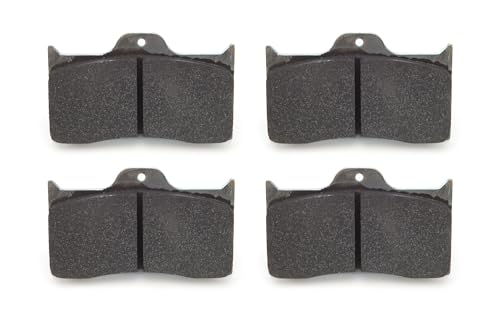
Wilwood Brake Pads, Street Performance/Racing Pads, BP-20
Temperature-responsive friction gives drivers smoother engagement as the pads warm, making them suitable for mixed road and track use.
-
Best For Repeated track sessions
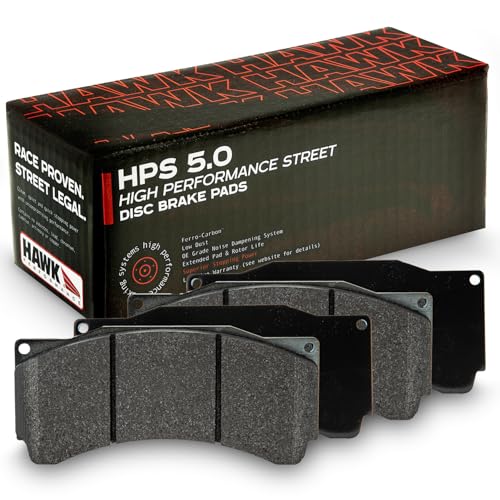
Hawk Performance HB247B.575 HPS 5.0 Street Brake
A listed 400–1600 degree operating range supports consistent braking for light-to-medium vehicles during repeated track sessions.
Top 5 Brake Pads for Racing at a Glance
Wilwood is the most natural starting point for a driver who wants smooth temperature-responsive braking, while Hawk suits repeated sessions in a light-to-medium car. The other choices are more specialized, covering Surron and Talaria electric bikes, large touring Harley-Davidson motorcycles, and bicycle wheels with carbon braking surfaces.
| Product image | Product name | Check product |
|---|---|---|
| 1 |
Wilwood Brake Pads, Street Performance/Racing Pads, BP-20 | Check Price |
| 2 |
Hawk Performance HB247B.575 HPS 5.0 Street Brake | Check Price |
3 |
JFG RACING Front & Rear Brake Pads | Check Price |
4 |
Lyndall Racing Brakes Gold Plus Brake Pads | Check Price |
5 |
Aurora Racing 2 Pair of Carbon Brake | Check Price |
5 Best Brake Pads for Racing: Detailed Reviews
When I chose the best brake pads for racing, I looked first at fitment, heat behavior, friction feel, rotor compatibility, and the type of vehicle each pad is meant to serve. Those details matter because the wrong shape will not install correctly, a mismatched heat range can fade early, and a carbon-rim pad cannot safely stand in for a car pad.
I kept the group broad enough to show the real choices rather than pretending every racer needs the same compound. Comparing them side by side helps you separate car pads made for repeated track use from motorcycle, electric-bike, and carbon-wheel pads that belong to very different braking systems.
1. Wilwood Brake Pads, Street Performance/Racing Pads, BP-20
Temperature-responsive friction gives drivers smoother engagement as the pads warm, making them suitable for mixed road and track use.
- SizeStock
- Number Of Items1
- WeightNot listed; check details
- DimensionsNot listed; check details
Wilwood BP-20 Pads suit drivers who want a smooth street-and-track style brake response from a medium-friction compound.
Temperature-responsive friction
The listing describes friction that rises as temperature increases. Friction is the resistance between the pad and rotor that slows the wheel, so a temperature-responsive compound can change its bite as the brakes warm.
In practical use, that means the pedal and stopping feel may become more assertive after the first few applications rather than feeling exactly the same from cold to hot. That behavior can suit a driver who moves between normal roads and occasional spirited sessions, where cold manners still matter before the brakes reach working temperature.
A rising friction response does not mean the pad is right for every race car. Rotor type, caliper shape, vehicle weight, tire grip, and the exact Wilwood application still need to match before ordering.
Smooth engagement
Wilwood BP-20 Pads are described as having smooth engagement. Engagement is the moment the pad first grabs the rotor after you press the pedal, and smooth engagement makes the brake response easier to judge.
A predictable first bite helps a beginner avoid a sudden lurch when entering a corner. It also makes light braking in traffic less awkward, since the pad is not described as relying on an abrupt initial grab.
The main watch point is the limited technical detail in the listing. The supplied information does not state a measured temperature ceiling, so a driver planning long, heavy race sessions should confirm the application and heat requirements before buying.
Pros:
- Smooth engagement, easier pedal control during corner entry.
- Friction rises with temperature, supporting a warming brake system.
- BP-20 compound, clear compound identification for fitment research.
- Stock size listed, simpler comparison with the required application.
- Set of four in the title, useful for a typical axle job.
Cons:
- No supplied maximum operating temperature is listed.
- Vehicle and caliper fitment still need confirmation.
- Medium friction may not suit every dedicated race setup.
Buy it if: you want smooth engagement for mixed road and track driving, because the BP-20 compound is described as gaining friction as temperature rises.
Skip it if: you need a pad with a clearly stated extreme heat range, because the supplied details do not give one, and a high-temperature racing pad type would suit you better. For another fit, consider Hawk or Jfg.
I’d pick Wilwood BP-20 Pads for a driver who values a calm, readable pedal more than an aggressive first bite. The temperature-linked friction description gives the compound a sensible mixed-use character. I would double-check the exact Wilwood caliper and rotor application before spending money.
This brake pad suits a driver who wants a measured step toward track use rather than a pad chosen only for the word racing.
2. Hawk Performance HB247B.575 HPS 5.0 Street Brake
A listed 400–1600 degree operating range supports consistent braking for light-to-medium vehicles during repeated track sessions.
- SizeHPS 5.0
- Color575
- Release Date2014-05-29T00:00:01Z
- Number Of Items1
Hawk HPS 5.0 Pads suit light-to-medium vehicles used for HPDE, time trials, or endurance-style sessions where repeated braking is the main concern.
Repeated-heat stability
The listing describes friction stability under tough conditions and gives an operating range of 400–1600 degree. A heat range tells you the temperatures the pad is described as handling, although real brake temperature also depends on the car, rotor, cooling, speed, and driving style.
For a track driver, the useful part is the emphasis on consistent braking lap after lap. A pad that keeps its feel through repeated stops is easier to trust than one that changes noticeably halfway through a session.
The listing uses both HPS 5.0 in the title and ER-1 wording in a feature description. That mismatch is a reason to confirm the exact application, compound, and vehicle fit before ordering rather than assuming the title and every bullet describe the same version.
Modulation and pedal feel
Modulation means controlling braking force smoothly instead of switching between almost no braking and full braking. Hawk describes the pad as offering precise modulation, release, and pedal communication.
That matters at a track because small pedal changes help you move from straight-line braking into corner entry without upsetting the car. A clear release also helps prevent dragging the brake longer than intended after the main braking zone.
Hawk also describes wear and rotor wear as improved over competing endurance pads. Treat that as a product claim rather than a promise for every vehicle, since pad life depends heavily on setup, temperatures, rotor condition, and driving habits.
Pros:
- 400–1600 degree range listed, useful for heat planning.
- Lap-after-lap consistency, suited to repeated track sessions.
- Precise modulation, gives better control near corner entry.
- Release and pedal communication, helps judge braking pressure.
- Listed for light-to-medium vehicles, clear intended buyer group.
Cons:
- Title and feature wording identify different compound names.
- One item is listed, so axle coverage needs checking.
- Fitment remains vehicle-specific despite the racing focus.
Buy it if: you run repeated sessions in a light-to-medium vehicle, because the listed heat range and modulation focus target sustained track braking.
Skip it if: you need a pad for a heavy vehicle or a different brake system, because the stated intended use is limited, and a vehicle-specific racing pad type would suit you better. Wilwood and Jfg are worth a closer look instead.
I’d pick Hawk HPS 5.0 Pads for a track-day driver who cares about repeatable pedal feel more than casual street manners. The stated operating range is the clearest heat information in this group, though the mixed HPS 5.0 and ER-1 wording deserves a careful check. This pad is the stronger starting point for a light-to-medium car that spends real time on a circuit.
3. JFG RACING Front & Rear Brake Pads
The catalog lists FITMENT: Brake pads fit for Surron Light Bee X(LBX)/ Surron Light Bee S(LBS)/ Talaria Sting MX3/ Talaria Sting. Compare fit and care needs before choosing.
- ColorGold
- Size2
- Number Of Items2
- WeightNot listed; check details
JFG Racing E-Bike Pads suit owners of listed Surron, Talaria, and related electric-bike models who need a small front-and-rear pad set rather than a car brake pad.
Fitment across electric bikes
The listing names Surron Light Bee X, Surron Light Bee S, Talaria Sting MX3, Talaria Sting R MX4, X160, and X260. Fitment means the pad shape and mounting points match the brake caliper, and that check matters more than a general claim about high friction.
A correct fit lets the pad sit squarely against the rotor. That helps the brake force arrive evenly and prevents the frustrating situation where a new pad looks close but cannot be secured safely.
The product title refers to front and rear use, but the buyer should still compare the old pad shape and the exact bike year before ordering. Electric-bike brake systems vary, and a familiar model name does not guarantee every trim uses the same pad.
Heat stability and quiet braking
JFG describes a high-strength combination intended to reinforce friction, improve thermal stability, and support durability. Thermal stability means the friction behavior is intended to remain more controlled as heat builds, which matters during repeated downhill or off-road stops.
The listing also describes quiet braking and says the pads will not damage the rotor. Those are useful goals for an e-bike rider who wants less squeal and less stress on expensive braking hardware, though rotor condition and bedding still affect noise.
Installation is described as possible with simple hand tools and no special tools. Instructions are not included, so a beginner should arrange the correct replacement pin, clip, and caliper procedure before starting rather than treating the job as a blind five-minute swap.
Pros:
- Named Surron and Talaria fitments, easier model matching.
- Thermal stability focus, supports repeated electric-bike braking.
- Quiet braking claim, more comfortable around pedestrians and traffic.
- Two pads included, useful for the listed package size.
- Simple hand-tool installation, less special equipment required.
Cons:
- Intended for specific electric bikes, not racing cars.
- Installation instructions are not included.
- Exact year and caliper fit still need checking.
Buy it if: you own one of the listed Surron, Talaria, X160, or X260 bikes, because the fitment list and two-pad package target those systems.
Skip it if: you are shopping for a car or motorcycle brake pad, because this JFG pad is shaped for listed electric bikes, and an automotive or motorcycle pad type would suit you better. If those trade-offs rule it out, Wilwood or Hawk may suit you better.
I’d choose JFG Racing E-Bike Pads only after matching the old pads against the listed bike fitment. The thermal-stability and quiet-braking claims make sense for an electric bike that sees repeated stops, while the simple hand-tool installation lowers the equipment barrier. I would want the installation steps ready before beginning.
This pad set belongs with a Surron or Talaria owner, not with a four-wheel racing setup.
4. Lyndall Racing Brakes Gold Plus Brake Pads
The catalog lists Gold + compound offers 20% more stopping power than Stock Brake Pads. Compare fit and care needs before choosing.
- Number Of Items1
- PowerGold + compound offers 20% more stopping power than Stock Brake Pads
- WeightNot listed; check details
- DimensionsNot listed; check details
Lyndall Gold Plus Pads suit owners of large touring Harley-Davidson motorcycles who want more stopping power than stock pads and a stated fade limit of 600°F.
Heat and fade control
Lyndall describes the Gold + compound as running cooler than stock pads and providing zero brake fade up to 600°F. Brake fade is a temporary loss of braking strength caused by heat, so a stated temperature point gives a rider a useful reference for the intended operating range.
Cooler operation can also help protect the rotor from excess heat. That matters on a large touring motorcycle, where vehicle weight and long mountain descents place more demand on the brake system.
The 600°F statement is not a guarantee that every motorcycle will behave the same way. Rotor condition, caliper health, riding speed, load, and cooling all affect real brake temperatures.
Touring replacement use
The listing calls these pads a replacement for large touring Harley Davidsons and says they are aimed at everyday riders who want more than stock pads provide. A replacement pad must match the caliper and rotor, so the motorcycle application remains the first check.
Lyndall also states 20% more stopping power than stock pads. That is a listing claim, not a universal result, but it tells you the intended direction: stronger braking than the original pad rather than a gentle commuter compound.
The listing says performance should be repeatable from the garage to a mountain pass and gives an 18,000-mile guarantee. The guarantee wording and conditions should be checked before purchase, especially because mileage depends on riding style, traffic, load, and brake use.
Pros:
- 600°F fade limit listed, gives a clear heat reference.
- Runs cooler than stock, may reduce rotor heat.
- Designed for large touring Harley Davidsons.
- 20% more stopping power claim than stock pads.
- 18,000-mile guarantee stated in the listing.
Cons:
- Narrow motorcycle fitment, not a general race-car pad.
- Actual mileage depends on riding and brake conditions.
- Stopping-power percentage is a listing claim, not a universal result.
Buy it if: you ride a large touring Harley-Davidson and want more than stock braking, because the pad is described for that motorcycle group and lists a 600°F fade limit.
Skip it if: you need a pad for a compact car, electric bike, or carbon bicycle rim, because the Gold Plus application is motorcycle-specific, and the correct vehicle pad type would suit you better.
I’d pick Lyndall Gold Plus Pads for a touring rider whose real problem is heavy motorcycle braking rather than repeated car laps. The cooler-running description and stated 600°F fade point give the choice a clear purpose. I would verify the exact Harley caliper and read the guarantee conditions before ordering.
This pad earns its place by serving a specific motorcycle buyer instead of pretending to fit every racing machine.
5. Aurora Racing 2 Pair of Carbon Brake
The catalog lists Special inserts designed for carbon bike shoes. Compare fit and care needs before choosing.
- ColorBrown
- Size55 * 10 * 10mm
- WeightNot listed; check details
- DimensionsNot listed; check details
Aurora Racing Carbon Pads suit bicycle riders using tubular or clincher wheels with carbon braking surfaces, not riders with aluminum rims or automotive brakes.
Carbon-rim compatibility
The listing says these pads use special inserts for carbon bicycle wheels and can be used with tubular or clincher rims that have a carbon braking surface. A braking surface is the part of the rim touched by the pad, so the material must match the pad compound.
Carbon can build intense heat during long braking, especially on a descent. Aurora describes the compound as developed for that heat and intended to give consistent response while reducing glazing, the shiny hardened surface that can make a pad feel less effective.
The compatibility warning is firm: the listing says these pads are not for aluminum braking surfaces. Using the wrong pad material can reduce braking control and damage the rim, so the rim material check comes before the price or package count.
Composite polymer material
Aurora describes a composite polymer intended to reduce glazing and offer consistent brake response. A composite uses more than one material to balance properties, while polymer is a plastic-like binder used to hold the friction material together.
For the rider, the goal is a brake that feels more predictable as the carbon rim heats. That can make long descents less stressful, though pad condition, rim condition, cable adjustment, and braking technique still matter.
The listing gives a size of 55 * 10 * 10mm and calls the package two pairs. Check the holder style and the replacement arrangement for the bicycle before ordering, because rim-brake pad shapes and retention hardware are not universal.
Pros:
- Made for carbon braking surfaces, clear rim-material purpose.
- Works with tubular or clincher carbon rims.
- Composite polymer, intended to reduce glazing.
- Heat-focused design, suited to demanding descents.
- Two-pair package, useful for bicycle replacement needs.
Cons:
- Not for aluminum braking surfaces.
- Not suitable for cars, motorcycles, or electric bikes.
- Holder and bicycle fitment still need confirmation.
Buy it if: you use tubular or clincher bicycle wheels with carbon braking surfaces, because the carbon-specific inserts are designed for that rim material.
Skip it if: your bicycle has aluminum rims, because the listing excludes aluminum braking surfaces, and an aluminum-rim brake pad type would suit you better.
I’d choose Aurora Racing Carbon Pads only after looking directly at the rim braking surface. The carbon-specific design is the reason to buy, and the same detail is the reason not to use these pads on aluminum. I would also confirm the holder shape and replacement count before ordering.
This is the right kind of specialist choice for a carbon-wheel cyclist, not a general racing pad.
How to Choose the Best Brake Pads for Racing
The best brake pads for racing must match the vehicle, caliper, rotor or rim, and expected heat before compound preference enters the discussion. Start with fitment, then choose the heat range and pedal feel that match your driving or riding.
Match the vehicle first
A car pad, motorcycle pad, electric-bike pad, and bicycle rim pad are different parts. A car pad usually sits in a caliper over a separate rotor, while a bicycle rim pad presses against the wheel rim itself.
Look for the exact vehicle make, model, year, caliper, and axle position. For a bicycle, identify carbon or aluminum braking surfaces and whether the wheel is tubular or clincher.
A product page that says racing does not override an incorrect shape. If the listing does not name your application, compare the old pad dimensions and backing plate with the seller’s fitment details before buying.
Understand heat range
Heat range describes the temperature conditions a compound is intended to handle. A pad that works well cold may fade during repeated hard stops, while a pad designed for very high heat may feel weak before warming.
Track-day drivers should look for a stated operating range or a clear intended use. The Hawk listing gives 400–1600 degree, while the Lyndall listing gives a 600°F fade point, but those figures are not interchangeable and should not be treated as a direct ranking.
Vehicle weight, speed, tire grip, cooling ducts, rotor size, and session length all change brake temperature. Heavy cars and long downhill runs need more heat capacity than short autocross-style braking.
Choose pedal feel
Pedal feel is how clearly the brake tells you how much force is being applied. A pad with smooth engagement can feel easier on the street, while precise modulation helps a track driver adjust braking pressure near a corner.
Look for words such as smooth engagement, modulation, release, and pedal communication, then connect those words to your driving. A beginner usually benefits from a predictable first bite rather than an abrupt grab that is difficult to repeat.
If a pad feels soft after several stops, the cause may also be old fluid, air in the system, a worn rotor, a hot caliper, or a flexible brake line. Changing pads alone cannot repair every brake problem.
Check rotor or rim material
The friction surface must be compatible with the pad. Aurora’s listing specifically separates carbon bicycle rims from aluminum surfaces, which shows why material checks matter even in a small bicycle brake system.
For a car or motorcycle, inspect rotor thickness, scoring, cracks, and uneven wear before fitting new pads. A new pad cannot create a flat, healthy contact surface if the rotor is badly damaged.
For a bicycle, identify the rim material and check the pad holder. The right compound on the wrong rim can be worse than an ordinary pad used on the correct surface.
Consider session length and vehicle weight
A short performance drive, a full HPDE day, and endurance racing create different heat demands. Heavy vehicles also store more energy, so their brakes may need more cooling and a compound intended for higher temperatures.
The Hawk listing names light-to-medium vehicles and repeated track use. That is a more useful buying clue than a vague race label because it connects the pad to vehicle size and session pattern.
Write down your vehicle weight, track session length, number of stops, and whether the car has brake cooling. Those details give a brake specialist a better starting point than simply asking for the most aggressive pad.
Check package quantity
Package quantity tells you how many pads arrive, not automatically how many wheels the package covers. Wilwood’s title says set of four, while several other listings show one item or two pieces.
Confirm whether the quantity covers one axle, one caliper, one wheel, or a pair of bicycle brakes. Buy by the exact application, since a leftover pad is inconvenient and a missing pad can stop the job halfway through.
How to Use Racing Brake Pads for the Best Results
Correct bedding, healthy brake hardware, and gradual heat are the foundation of good pad performance. Do not judge a new compound by the first stop after installation.
- Inspect the rotor or rim before fitting the pad. Remove heavy scoring, contamination, or damage from the job plan instead of covering the problem with new friction material.
- Confirm that the pad moves correctly in the caliper or holder. A pad that binds cannot release heat normally and may drag against the rotor.
- Follow the pad maker’s bedding procedure when one is supplied. Bedding creates an even transfer layer between the pad and braking surface.
- Start with gentle stops in a safe area. Bring the brake system up to temperature gradually so the new surface can settle.
- Increase braking force in stages. Avoid holding the pedal hard at a complete stop while the brakes are very hot, since that can leave uneven material on the rotor.
- Allow a cooling period after the bedding sequence. Park where air can reach the brakes, and do not splash water onto hot rotors or rims.
- Recheck the pedal or lever before a track session. A firm, consistent control is a basic safety check, not a finishing touch.
- Start the first session with a few measured stops. The goal is to learn how the new pad responds before braking later and harder.
For track driving, mark the brake feel after each session. A change in pedal firmness, vibration, smell, smoke, or stopping response means the car needs inspection before another run.
How to Make Your Racing Brake Pads Last Longer
Brake pads last longer when the braking system stays clean, cool, and properly adjusted. Maintenance cannot turn an unsuitable pad into the right pad, but it can prevent avoidable wear.
Check pad thickness before every track day and after any session that produces unusual heat. Replace pads before the friction material reaches the backing plate, and inspect both sides because uneven caliper movement can wear one pad faster.
Keep the rotor or rim free of oil, chain lubricant, tire sealant, and cleaning residue. Contamination can change friction and may require replacing the pad rather than simply wiping it.
Let hot brakes cool naturally before washing the vehicle or bicycle. A sudden temperature change can stress hot components, and water or cleaner in the wrong place can contaminate the braking surface.
Store spare pads in a clean, dry container away from oils and sprays. Label the pad by vehicle, axle, compound, and date so a used track set does not get confused with a fresh street set.
Inspect related hardware during pad changes. Caliper pins, clips, pistons, brake fluid, hoses, rotors, cables, and bicycle holders all affect how evenly the pad contacts the braking surface.
Drivers comparing compounds can also review performance brake pad choices to understand how stronger bite, heat control, and street manners trade places across different setups.
Common Mistakes to Avoid When Buying and Using Racing Brake Pads
Most brake-pad problems begin with a fitment or heat mistake rather than a lack of aggressive friction. These checks prevent expensive trial and error.
- Buying by the word racing: Racing is a broad label, not a fitment code. Match the vehicle, caliper, rotor, or rim before judging the compound.
- Ignoring the brake system type: A bicycle rim pad cannot replace a car pad. Identify whether the brake uses a car rotor, motorcycle rotor, electric-bike caliper, or bicycle rim.
- Choosing the highest heat range automatically: A very high-temperature pad may feel poor when cold. Match the compound to your normal starting temperature and session pattern.
- Forgetting vehicle weight: A heavy touring motorcycle or car creates different heat than a light track vehicle. Use the stated vehicle group as a buying filter.
- Skipping bedding: New pads need an even contact layer. Follow the maker’s procedure and avoid hard stops from cold unless an emergency requires one.
- Reusing a damaged rotor or rim: A worn braking surface can ruin the feel of a new pad. Inspect the rotor or rim before installation.
- Assuming package quantity covers an axle: One item, two pieces, and a set of four mean different things. Confirm the number needed for the actual brake layout.
- Mixing pad types without a plan: Different compounds can change front-to-rear balance. Keep the braking system’s axle balance and manufacturer guidance in mind.
- Ignoring a new noise or vibration: Sound and vibration can signal contamination, uneven wear, loose hardware, or a rotor problem. Stop and inspect rather than hoping the noise disappears.
Before choosing a compound for a track event, it can help to read about brake pads for track days because session length and repeated heat are different from a single hard stop on the street.
How to Set Up Racing Brake Pads
Brake-pad setup is simple only after the correct part has been confirmed. The stumbling point for beginners is usually an incorrect application or a skipped inspection, not the hand tools.
- Park on a stable, level surface and secure the vehicle or bicycle. Prevent movement before removing a wheel or opening a caliper.
- Confirm the new pad shape and application against the old pad. Do not force a pad that differs in backing plate, holes, tabs, or width.
- Remove the wheel or caliper hardware according to the vehicle or bicycle procedure. Keep clips, pins, springs, and fasteners organized because small parts are easy to lose.
- Inspect the rotor or rim and clean the braking surface with an appropriate brake cleaner. Keep oil, grease, and chain products away from the friction material.
- Install the pad and retaining hardware without forcing the caliper. A binding pad needs diagnosis before the wheel is returned to service.
- Reinstall the wheel and check clearance. Spin the wheel or confirm the rotor moves without abnormal rubbing, while remembering that a light normal rub can vary by system.
- Apply the brake control several times before moving. The pedal or lever should return to a firm, usable feel after the pistons or cable settle.
- Bed the pads gradually in a safe area. Stop the installation process if the control feels soft, the wheel binds, or the brake response is uneven.
If you are changing a car’s brake pads for a race event, write down the old pad compound and rotor condition. That small record makes it easier to tell whether a future change improved heat control or only changed the initial bite.
Some buyers also compare compound color and intended driving style through EBC brake pad options, but color names should never replace checking the exact vehicle and brake application.
Common Questions About Brake Pads for Racing
Are racing brake pads safe for street driving?
Some racing-oriented pads can work on the street, but the answer depends on their cold bite, noise, dust, heat range, and legal application. A pad designed for repeated track heat may feel weak before warming, while a street-track compound may be easier in normal traffic. Check the intended use before fitting the pad.
How hot do racing brake pads get?
Racing brake temperatures vary with vehicle weight, speed, rotor size, cooling, track layout, and driving style. The products here list different figures, including 400–1600 degree for the Hawk listing and a 600°F fade point for the Lyndall listing. Those numbers describe different claims, not one universal operating standard.
Do racing brake pads stop a car faster?
Racing brake pads do not automatically shorten every stopping distance. Tire grip, road surface, brake balance, rotor condition, pedal control, and anti-lock braking often matter as much as the compound. A pad can offer better heat control or pedal feel without producing a shorter stop on a cold street.
How long do racing brake pads last?
Pad life may range from a few track events to many street miles, depending on compound, vehicle weight, braking intensity, temperatures, and rotor condition. The Lyndall listing states an 18,000-mile guarantee, but that statement should be read with its conditions and should not be applied to the other products.
Can I use the same brake pads front and rear?
Only if the vehicle or brake system specifies the same pad shape and compound for both positions. Front and rear brakes often have different loads, calipers, and pad dimensions. Confirm the axle position and package quantity before ordering, even if the brand and compound name look familiar.
Do new racing brake pads need bedding?
Yes, new pads normally need a controlled bedding process unless the maker gives different instructions. Bedding helps create an even contact layer between pad and rotor or rim. Gentle staged stops, cooling time, and an inspection afterward are safer than judging the pad from one hard stop.
Make the Next Brake-Pad Choice Carefully
Start with the exact brake application, then match heat range, pedal feel, and package quantity to the way you drive or ride. Before ordering, write down the vehicle or bike model, axle position, rotor or rim material, and the kind of session the brakes must handle, then confirm every detail on the product page.