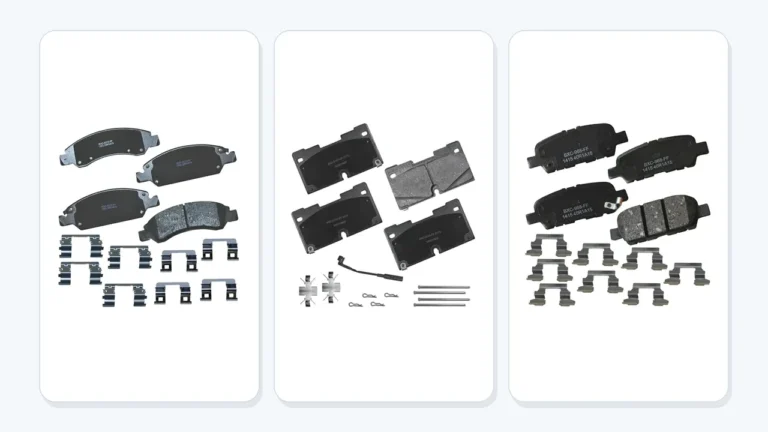
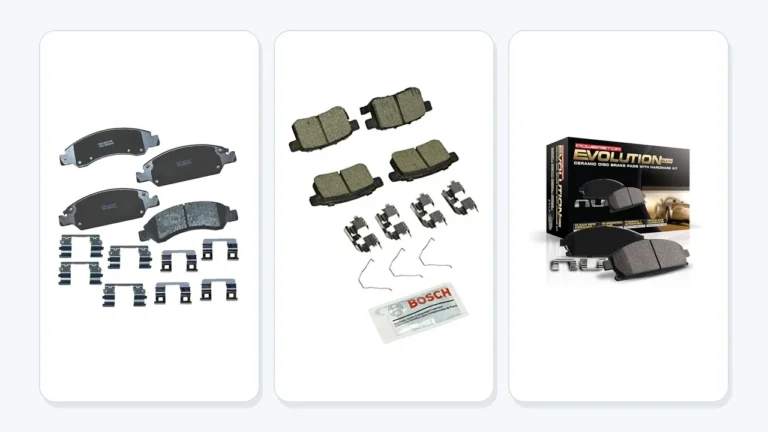
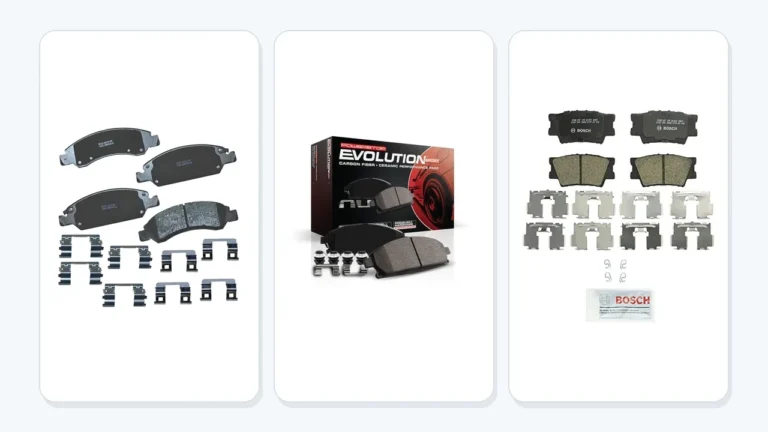
5 Best Brake Pads for No Dust Lovers Who Want Spotless Wheels Daily
As an Amazon Associate, we earn from qualifying purchases made through links in this post, at no extra cost to you.
Buy the wrong brake pad and your wheels can turn gray again after a few drives, while squealing or uneven stopping sends you back to the repair bay. A pad that does not match your vehicle can also create fitment trouble, wasted labor, and a brake job that has to be done twice.
Brake dust comes from the friction between the pad and rotor, so the material matters more than a shiny label. Fitment matters just as much, since a pad can be well made and still be wrong for your trim, axle, or year.
Here, you’ll see:
- Which pads suit towing, hauling, commuting, and SUV driving.
- Why ceramic material can help reduce wheel-cleaning chores.
- How to confirm front or rear fitment before ordering.
- How bedding, inspection, and cleaning affect brake life.
Quick Picks
-
Best For Towing And Heavy Trucks

PowerStop Evolution Truck & Tow Z36 Brake
Carbon-fiber ceramic construction supports quiet, durable braking for truck owners who tow, haul, or drive on steep roads.
-
Best For Quiet Mazda CX-5 Stops

BOSCH BC1623 QuietCast Premium Ceramic Disc Brake
Ceramic friction material and multilayer shims help reduce noise and dust for Mazda CX-5 daily drivers.
Top 5 Brake Pads for No Dust at a Glance
Truck and tow drivers should start with the PowerStop Z36 choices, while a Mazda CX-5 owner should check the Bosch QuietCast pad first. The main differences are vehicle fit, front or rear axle placement, and whether the pad is designed for everyday driving or heavier towing loads.
| Product image | Product name | Check product |
|---|---|---|
| 1 |
PowerStop Evolution Truck & Tow Z36 Brake | Check Price |
| 2 |
BOSCH BC1623 QuietCast Premium Ceramic Disc Brake | Check Price |
3 |
PowerStop Z36 Truck & Tow Brake Pads | Check Price |
| 4 |
PowerStop Z36 Truck & Tow Brake Pads PH98 | Check Price |
5 |
Bendix Premium SBC1094 Ceramic Front Brake Pads | Check Price |
5 Best Brake Pads for No Dust: Detailed Reviews
When I chose the best brake pads for no dust, I looked first at friction material, fitment, noise control, included hardware, and the kind of driving each pad is meant to handle. Those details affect dirty wheels, squealing, uneven wear, installation trouble, and braking consistency.
The group covers daily-driver ceramic pads, heavy-duty carbon-fiber ceramic pads, front axle sets, and a rear axle set. Looking at them side by side helps you avoid choosing a strong tow pad for a vehicle that needs a different fit, or buying a front set when your repair is at the rear.
1. PowerStop Evolution Truck & Tow Z36 Brake
Carbon-fiber ceramic construction supports quiet, durable braking for truck owners who tow, haul, or drive on steep roads.
- ColorMetallic
- Release Date2013-12-24T00:00:01Z
- Number Of Items1
- UPGRADED STOPPING POWERCarbon-fiber ceramic Truck & Tow Z36 brake pads deliver increased stopping power compared to OE replacement brake p
PowerStop Z36 is a front brake pad set for truck and SUV owners who tow, haul, drive in mountains, or use a lifted 4×4. The carbon-fiber ceramic material is aimed at heavier braking demands while also supporting quiet operation.
Carbon-fiber ceramic friction material
Carbon-fiber ceramic is a friction compound that combines ceramic material with carbon fibers to create the surface that presses against the rotor. In real driving, that material is designed to handle the extra heat and stress that can come from a loaded truck, trailer, or repeated downhill braking.
For a tow vehicle, that matters because ordinary daily driving and pulling a trailer are very different jobs. The Z36 pad is built around the heavier-duty use described for trucks, SUVs, and 4×4 vehicles, so the buyer is not choosing a commuter-only formula for a work vehicle.
The same feature is also tied to reduced dust and quiet braking in the product description. That can help keep large wheels cleaner without giving up the kind of braking support a loaded vehicle needs.
Direct-fit design and hardware
A direct-fit pad is shaped to match a specified brake application instead of requiring a custom modification. PowerStop includes two front carbon-fiber ceramic pads and installation hardware, which can make a normal replacement job more straightforward when the vehicle fit is correct.
The hardware is useful because worn clips or contact pieces can contribute to movement and noise. Replacing those pieces during the brake job gives the installer a cleaner starting point than reusing every old part.
The important caution is fitment. The listing specifically says to confirm the vehicle through the fit checker or product description, and a truck’s year, trim, axle, and brake package can change the correct pad.
Pros:
- Carbon-fiber ceramic material, supports heavy truck braking.
- Designed for towing and hauling, handles demanding use.
- Quiet operation, reduces an irritating source of brake noise.
- Installation hardware included, refreshes related contact pieces.
- Direct-fit design, avoids custom modification when matched correctly.
Cons:
- Front axle set, does not replace rear pads.
- Fitment must be confirmed, truck brake packages can vary.
- Heavy-duty focus, may be more than a light commuter needs.
Buy it if: you tow, haul, or drive a heavy 4×4, because the carbon-fiber ceramic formula is designed for added braking stress and quiet operation.
Skip it if: you drive a select Mazda CX-5, because a vehicle-specific ceramic pad would suit that application better. For another fit, consider Bosch or Powerstop.
I’d pick PowerStop Z36 first for a truck owner whose brake job needs to account for towing or mountain driving. The combination of carbon-fiber ceramic material, hardware, and heavy-duty purpose gives the pad a clear reason for its rank. Double-check the exact front fitment before buying, especially if the truck has a different brake package than the standard version.
This pad makes the most sense for an owner who works the vehicle harder than a typical commuter car.
2. BOSCH BC1623 QuietCast Premium Ceramic Disc Brake
Ceramic friction material and multilayer shims help reduce noise and dust for Mazda CX-5 daily drivers.
- ColorFront
- SizeBC1623
- Number Of Items1
- Noise[QUIETER STOPS] – The industry’s best pre-attached OE style multilayer rubber core shims ensure the highest qu
Bosch BC1623 is a front ceramic brake pad set for select Mazda CX-5 vehicles and daily drivers who care about quiet stops and cleaner wheels. The pad includes a hardware kit where available and synthetic lubricant for sliding contact points.
Ceramic friction material
Ceramic friction material uses a ceramic-based compound at the rotor contact surface. Bosch describes this material as supporting quiet, low-dust operation and consistent stopping performance, which suits a driver who spends more time commuting than towing.
In practical terms, lower dust can mean less dark buildup on the front wheels between washes. The ceramic formula is also intended to keep braking quieter, so the driver is less likely to hear a sharp squeal during ordinary stops.
The benefit only applies if the pad matches the exact Mazda CX-5 application. A ceramic compound cannot fix a fitment mistake, a damaged rotor, or a brake system that needs other repairs.
Molded shims and coated backing plate
A shim is a layer on the back of a brake pad that helps manage vibration between the pad and caliper. Bosch uses multilayer rubber-core shims, which are designed to lower noise while bonding the rubber and steel layers together.
That matters during slow stops, where vibration can become a squeak. The backing plate also has a powder-coated finish intended to resist rust and corrosion, helping protect the part that holds the friction material.
Bosch includes slots and chamfers, which are shaped details that help the pad fit and contact the rotor properly. The set is for one axle, meaning two wheels, so a buyer needs to confirm whether the front axle is the part being serviced.
Pros:
- Ceramic friction material, supports low-dust daily braking.
- Multilayer rubber-core shims, helps reduce brake noise.
- Powder-coated backing plate, helps resist rust and corrosion.
- Slots and chamfers, support proper pad contact.
- Synthetic lubricant included, supports sliding contact points.
Cons:
- Select Mazda CX-5 fitment, not a general replacement pad.
- Front axle set, rear brake work needs another fit.
- Hardware availability can vary, check the package details.
Buy it if: you own a compatible Mazda CX-5, because the ceramic compound and multilayer shims target quiet, low-dust front braking.
Skip it if: you need pads for towing or a heavy-duty truck, because a truck-and-tow brake pad would suit that workload better. PowerStop Evolution Truck & Tow Z36 and PowerStop Z36 Truck & Tow Brake are worth a closer look instead.
What I like about Bosch BC1623 is the clear daily-driver focus. The ceramic material addresses wheel dust, while the shims and coated backing plate address two small details that can affect noise and service life. Verify the CX-5 year and trim before ordering, since the listing says select vehicles only.
This is the sensible choice for a matching Mazda owner who wants a quiet front axle service rather than a tow-oriented upgrade.
3. PowerStop Z36 Truck & Tow Brake Pads
The catalog lists PLEASE CONFIRM YOUR FITMENT: Using the Amazon Confirmed Fit bar at the top of the page or check the Product De. Compare fit and care needs before choosing.
- ColorStainless-Steel
- Number Of Items1
- UPGRADED STOPPING POWERCarbon-fiber ceramic Truck & Tow Z36 brake pads deliver increased stopping power compared to OE replacement brake p
- WeightNot listed; check details
PowerStop Z36-1399 is a front carbon-fiber ceramic brake pad set for specified Dodge Ram 2500, Dodge Ram 3500, and Ram 3500 applications. The pad is aimed at truck owners who need stronger support for towing, hauling, lifted vehicles, or mountainous driving.
Heavy-duty braking compound
The carbon-fiber ceramic material is the part that creates friction against the rotor. Carbon fiber adds a heavy-duty angle to the ceramic formula, while the listing describes the pad as supporting quiet braking and reduced brake fade.
Brake fade means braking response can weaken after repeated heat buildup. That concern is more familiar to a loaded truck descending a grade than to a small car making a few neighborhood stops, so the use case matters here.
For the right Ram application, this design may help the driver feel better matched to the vehicle’s workload. It does not mean the pad makes every truck stop instantly, and it does not replace proper rotor condition, caliper service, or correct installation.
Front set and installation hardware
PowerStop includes two front pads and installation hardware. Hardware includes the small supporting pieces that help hold and guide the pads in the caliper, so replacing those pieces can help avoid carrying old, corroded contact parts into a fresh brake job.
The direct-fit design is meant to make replacement easier when the pad matches the truck. That is useful for a beginner because custom shaping or drilling should not be part of a normal pad replacement.
Fitment is the main watch point. The exact Ram year, brake package, and axle position should be checked before purchase, since a similar-looking truck can use a different pad shape.
Pros:
- Carbon-fiber ceramic material, supports demanding truck use.
- Built for towing and hauling, matches heavier workloads.
- Reduced brake fade focus, supports repeated braking demands.
- Quiet operation, helps limit unwanted brake sound.
- Installation hardware included, replaces related worn pieces.
Cons:
- Front pads only, not a complete vehicle brake set.
- Ram fitment varies, exact application confirmation is required.
- Heavy-duty design, may not suit a small daily commuter.
Buy it if: you drive a compatible Ram 2500 or Ram 3500 under heavy loads, because the carbon-fiber ceramic compound is designed for towing and repeated braking stress.
Skip it if: your vehicle is a Mazda CX-5, because a vehicle-specific front ceramic set would be the appropriate type. If those trade-offs rule it out, Powerstop or Bosch may suit you better.
PowerStop Z36-1399 earns its place because the heavy-duty purpose is specific rather than vague. The pad makes sense for a Ram owner who regularly asks more from the brakes than city traffic does. Check the vehicle fit and front axle position before placing the order, then make sure the rest of the brake system is ready for new pads.
Pick this set when truck workload, not only clean wheels, drives the decision.
4. PowerStop Z36 Truck & Tow Brake Pads PH98
The catalog lists PLEASE CONFIRM YOUR FITMENT: Using the Amazon Confirmed Fit bar at the top of the page or check the Product De. Compare fit and care needs before choosing.
- Number Of Items1
- UPGRADED STOPPING POWERCarbon-fiber ceramic Truck & Tow Z36 brake pads deliver increased stopping power compared to OE replacement brake p
- WeightNot listed; check details
- DimensionsNot listed; check details
PowerStop Z36-2169 is a rear carbon-fiber ceramic brake pad set for select Ram 1500, Jeep Wagoneer, and Jeep Grand Wagoneer applications. This pad suits an owner replacing rear pads on a newer truck or large SUV who also wants a heavy-duty material and quieter braking.
Rear axle placement
A rear axle is the pair of wheels behind the vehicle’s center point. Rear pads do not automatically match front pads, even when the vehicle uses the same brand and general brake family, so axle placement is the first detail to confirm.
This set includes two rear carbon-fiber ceramic pads and installation hardware. That gives the installer the parts for the rear service described by the listing, while the front brakes remain a separate fitment and repair decision.
For a beginner, the practical lesson is simple: do not order a rear set because the vehicle name looks right. Confirm that the year, trim, and axle position match the brake job being planned.
Carbon-fiber ceramic material
The carbon-fiber ceramic compound creates friction at the rotor and is described as supporting quiet, durable stopping. PowerStop also positions the Z36 line for trucks, SUVs, 4×4 driving, towing, hauling, mountain roads, and lifted vehicles.
That use case can matter on a large SUV carrying passengers or gear. Lower dust and quiet operation may also help keep the rear wheels cleaner and reduce squeaking during routine stops.
The limitation is that rear pads are only part of the braking system. A fresh rear set cannot correct a worn rotor, sticking caliper, damaged brake hose, or incorrect front brake service.
Pros:
- Rear carbon-fiber ceramic pads, match listed rear applications.
- Designed for trucks and SUVs, suits heavier vehicles.
- Towing and mountain-driving focus, supports added brake stress.
- Installation hardware included, refreshes supporting brake pieces.
- Quiet operation, helps limit squealing during stops.
Cons:
- Rear axle set, not suitable for front brake replacement.
- Fitment varies across Ram and Jeep applications.
- Warranty details list a limited period and mileage, review terms carefully.
Buy it if: you need rear pads for a compatible Ram 1500 or Jeep SUV, because the carbon-fiber ceramic compound supports durable, quiet braking.
Skip it if: your brake job is on the front axle, because a front-specific pad set would be the correct type.
To me, the smartest feature of PowerStop Z36-2169 is that the rear application is clearly identified. Many brake mistakes happen because buyers focus on the vehicle name and miss the axle. Confirm the rear fitment, then inspect the rotor and caliper before installation.
This pad is for the large truck or SUV owner who needs a rear replacement with a heavy-duty focus.
5. Bendix Premium SBC1094 Ceramic Front Brake Pads
The catalog lists DIRECT OE REPLACEMENT – Bendix Premium Ceramic Brake Pads are engineered to OE specifications for precise fit. Compare fit and care needs before choosing.
- ColorMetallic
- Size4 Count (Pack of 1)
- Release Date2017-08-07T00:00:01Z
- Number Of Items1
Bendix SBC1094 is a front ceramic brake pad set for select Chevrolet and Nissan vehicles, including listed Frontier, LEAF, NV200, Pathfinder, Xterra, and City Express applications. The pad is aimed at regular driving where low dust, quiet operation, and dependable daily stopping matter.
Low-dust ceramic formula
A ceramic brake pad uses ceramic-based friction material against the rotor. Bendix describes the formula as helping reduce dust and noise compared with conventional pad materials, which can make wheel cleaning less frequent for a daily driver.
The material is also described as supporting smooth braking. That matters in traffic, where repeated gentle stops can make a noisy or grabby pad annoying very quickly.
Low dust does not mean zero dust. Brake pads still create wear material, and wheel design, driving style, rotor condition, and maintenance affect how much residue you notice.
OE replacement design
OE means original equipment, the parts specification used when the vehicle was built. Bendix describes SBC1094 as engineered to OE specifications for fit and reliable performance, which means the goal is a conventional replacement rather than a custom racing setup.
The listing also says the pads are designed to reduce brake fade and maintain reliable response during everyday driving. That is useful for commuting, errands, and normal road use, though the listing does not position this set as a truck-and-tow upgrade.
The set is a front application and lists four pads in one pack. Confirm the exact Chevrolet or Nissan vehicle before ordering because the fitment list covers several vehicle families and select applications.
Pros:
- Ceramic friction material, helps reduce dust and noise.
- Smooth braking focus, suits ordinary commuting.
- OE replacement design, supports a familiar fit.
- Front set, covers the listed front axle application.
- Four-count pack, supplies the pads for two front wheels.
Cons:
- Select Chevrolet and Nissan fitment, not universal.
- Front pads only, rear service needs a separate match.
- Daily-driving focus, not the listed heavy-tow choice.
Buy it if: you drive a compatible Chevrolet or Nissan for everyday use, because the ceramic formula is designed for smoother, quieter, lower-dust braking.
Skip it if: you regularly tow heavy loads or drive a listed heavy-duty truck, because a truck-and-tow pad type would better match that workload.
I’d choose Bendix SBC1094 for a compatible commuter who mainly wants less wheel residue without turning a normal brake job into a performance project. The OE replacement aim and ceramic formula keep the choice easy to understand. Check the full vehicle fitment and make sure the repair is for the front axle.
This set belongs with a daily driver, not a truck that spends every weekend pulling a heavy trailer.
How to Choose the Best Brake Pads for No Dust
The best brake pads for no dust must first fit the exact vehicle and axle, then match the way you drive. Ceramic material, correct hardware, rotor condition, and proper bedding all affect whether the brake job stays quiet and clean.
Confirm vehicle, year, trim, and axle
Fitment means the pad shape and hardware match the brake assembly on your vehicle. The same vehicle name can use different brakes based on year, trim, engine, tow package, wheel size, or factory brake option.
Start with the vehicle fit checker, then compare the result with the pad’s front or rear position. A front pad cannot replace a rear pad, and a rear set cannot be moved to the front just because the shape looks close.
Write down the year, make, model, trim, and axle before shopping. If the vehicle has been modified, such as a lift kit or brake upgrade, confirm the brake parts already installed rather than relying only on the factory vehicle name.
Understand ceramic friction material
Ceramic material is usually chosen for quieter operation and reduced visible dust compared with many conventional friction compounds. It is a good starting point for a daily driver whose main complaint is dark residue on the wheels.
Carbon-fiber ceramic pads add a heavier-duty focus in the products reviewed here. That makes them more suitable for listed trucks, SUVs, towing, hauling, steep roads, and repeated braking than a basic commuter pad.
The right material depends on use, not only the cleanest marketing phrase. A daily commuter may value quiet, smooth stops, while a loaded truck needs a pad designed around heat and weight.
Match the pad to your driving
Daily driving includes commuting, errands, school runs, and normal highway travel. A low-dust ceramic pad is often the sensible category for that routine when the fit is correct.
Towing and mountain driving create more heat and demand more from the braking system. A truck-and-tow pad, such as the Z36 type, is aimed at that harder use, though the vehicle’s rotors, calipers, tires, and trailer setup still matter.
A pad cannot turn an overloaded vehicle into a safe one. Check the vehicle and trailer limits in the owner’s information, and do not treat a heavy-duty friction formula as permission to carry more weight.
Check what the package includes
A brake pad set may cover one axle, two wheels, or only a particular position. Read whether the package includes two pads, four pads, clips, shims, or lubricant before assuming the whole vehicle is covered.
Hardware can include clips and other contact pieces that help the pad sit and slide correctly. A kit that includes hardware may save a separate purchase, but hardware should still be compared with the parts already on the vehicle.
Do not assume every set includes rotors. Brake pads press against rotors, and worn or damaged rotors may need inspection or replacement during the same service.
Look at noise and dust control together
Dust and noise come from different parts of the braking process. Friction material affects residue, while shims, chamfers, slots, caliper contact points, and installation quality can affect vibration and sound.
A low-dust pad can still squeak if the caliper is sticking or the contact surfaces are dirty. A quiet pad can still make visible residue because no friction pad produces absolutely no wear material.
If clean wheels are the main goal, also consider wheel shape, washing frequency, and whether the vehicle sits outside in rain or road salt. Small maintenance habits often matter more than buyers expect.
Consider the installer and bedding process
Brake bedding is the gradual process of transferring an even layer of pad material onto the rotor after installation. It helps the new pad and rotor work together instead of asking fresh parts to perform at their full level immediately.
Follow the pad maker’s instructions and any vehicle-specific service guidance. If the package does not explain the process, ask a qualified brake technician rather than guessing with repeated hard stops.
A beginner should also plan for safe lifting, wheel support, caliper support, and a final pedal check. Brakes are not a good place to improvise with a floor jack or missing hardware.
For a broader comparison of ceramic compounds, friction feel, and daily-driver trade-offs, see these ceramic brake pad choices. Buyers focused mainly on wheel cleanliness can also review these low-dust brake pad options before deciding.
How to Use Brake Pads for the Best Results
New brake pads need correct installation, careful bedding, and a short inspection period. Smooth pedal use and early attention to noise or pulling can prevent a small issue from becoming a costly repair.
- Confirm the package before installation. Check the pad count, axle position, hardware, and vehicle fit before removing the old parts.
- Inspect the rotors and calipers. A deep groove, heavy rust ridge, leaking caliper, or uneven old pad needs attention before new pads go in.
- Clean the correct contact areas. Remove loose rust and dirt where the pad hardware sits, following safe brake-service practices and avoiding contamination of the friction surfaces.
- Install the pads and hardware in the correct positions. Inner and outer pads can differ on some brake assemblies, so match the old layout only after confirming the service instructions.
- Support the caliper properly. Never let the caliper hang by the flexible brake hose, since that can damage the hose or create a dangerous brake problem.
- Pump the pedal before moving the vehicle. The pedal may feel soft until the piston moves the new pads into position, so build firm pressure with the vehicle stationary.
- Bed the pads as directed. Use a safe road with room to slow down, and avoid panic stops, long hard braking, or holding the pedal down while the brakes are extremely hot.
- Recheck after the first drive. Listen for unusual grinding, check for pulling, and stop driving if the pedal remains soft or the vehicle does not brake normally.
Smooth stops during the first part of the service are better than treating new pads like race equipment. A little patience helps the friction surfaces settle evenly.
Owners interested in the extra bite and heat focus of carbon compounds can read these carbon brake pad options before choosing a tow-oriented setup. The goal is not to pick the most aggressive pad, but to match the friction material to the vehicle and the work it performs.
How to Make Your Brake Pads Last Longer
Brake pads last longer when the caliper moves freely, the rotor stays in good condition, and the vehicle is not driven with unnecessary heat. Clean installation and regular checks do more for service life than aggressive braking claims.
Keep the wheels and caliper area free of heavy buildup during routine service. Road salt, dirt, and rust can affect clips and sliding points, especially in areas with winter weather.
Do not spray wheel cleaner onto hot brakes unless the cleaner is labeled for that use. Let the brake assembly cool, follow the cleaner directions, and keep cleaners away from friction surfaces unless the service instructions specifically allow them.
Avoid resting your foot on the brake pedal during long downhill drives. Light, continuous pressure can create heat, while controlled speed and proper downshifting can reduce the work the pads must do.
Leave extra space in traffic. Repeated last-second stops turn more motion into heat, while earlier gentle braking is easier on pads, rotors, tires, and fuel use.
Have the brakes inspected when the vehicle pulls, shakes, grinds, smells hot, or develops a soft pedal. Those signs can point to a caliper, rotor, hydraulic, tire, or suspension issue rather than ordinary pad wear.
Check pad thickness during tire rotation or routine service if the wheels allow a clear view. The correct replacement point depends on the vehicle and service guidance, so do not rely on a single universal thickness number.
Use the right lubricant only at the specified metal contact points. Grease on the friction surface can reduce braking and contaminate the pad, creating a safety problem instead of a quieter brake job.
Common Mistakes to Avoid When Buying and Using Brake Pads
Most brake pad trouble starts with a mismatch or rushed installation rather than the friction material itself. These mistakes are common, avoidable, and especially costly when the vehicle is needed every day.
- Buying by vehicle name only: the fix is to confirm year, trim, axle, and brake package.
- Ordering front pads for a rear repair: the fix is to identify the axle before checkout.
- Assuming low dust means zero dust: the fix is to expect normal friction residue and clean wheels safely.
- Reusing damaged hardware: the fix is to replace worn clips or use the included hardware when appropriate.
- Ignoring the rotors: the fix is to inspect grooves, rust, cracks, and uneven wear during the pad job.
- Skipping bedding: the fix is to follow the maker’s break-in directions on a safe road.
- Hanging the caliper by its hose: the fix is to support the caliper with a proper hook or support.
- Driving with a soft pedal: the fix is to stop and correct the brake issue before normal driving.
- Choosing a tow pad for every car: the fix is to match the pad’s workload to the vehicle and driving routine.
- Applying lubricant to the friction surface: the fix is to use lubricant only where the service instructions call for it.
A clean wheel is useful, but safe and correct braking comes first. If dust changes suddenly on only one wheel, inspect that corner instead of assuming the pad formula is the cause.
How to Set Up Brake Pads
Brake pad installation is a repair task, not a quick accessory swap. The exact steps vary by vehicle, so the vehicle service instructions and the pad instructions should guide the work.
- Park on a level surface and secure the vehicle. The common stumbling point is relying on the parking brake alone while lifting the vehicle.
- Loosen the wheel fasteners slightly before lifting. Do not remove them fully until the vehicle is safely supported.
- Lift and support the vehicle at approved support points. A floor jack is for lifting, not for holding the vehicle while you work.
- Remove the wheel and identify the caliper. Keep track of the pad position, clips, and any wear sensor before taking parts apart.
- Support the caliper and remove the old pads. Do not let the caliper hang from the brake hose.
- Clean the pad contact areas and inspect the rotor. A deep groove, leak, or badly rusted surface needs a repair decision before new pads are installed.
- Install the new pads and hardware. Use only the specified lubricant at the proper sliding points, and keep the friction surfaces clean.
- Reassemble, pump the pedal, and bed the pads. The pedal must become firm before the vehicle moves, and the break-in process should happen in a safe location.
If the piston will not retract, the hardware does not fit, or the brake hose looks damaged, stop the job. A qualified brake technician can identify the problem before the vehicle returns to the road.
Common Questions About Brake Pads for No Dust
Do brake pads produce no dust at all?
No brake pad produces absolutely no dust because friction creates wear material. Ceramic formulas can help reduce visible dust compared with some conventional materials, but driving style, rotor condition, wheel design, weather, and caliper health also affect what reaches the wheels.
Are ceramic brake pads better for daily driving?
Ceramic brake pads can suit daily driving when the exact vehicle fit is correct and the driver values quiet operation and reduced visible dust. They are not automatically better for every vehicle or workload, so towing, mountain roads, vehicle weight, and manufacturer fitment still guide the choice.
Do low-dust brake pads cost more?
Low-dust ceramic pads may cost more or less depending on the vehicle, brand, axle, included hardware, and warranty terms. The purchase price is only part of the job, since installation, rotor service, hardware, and any needed caliper repair can affect the total cost.
How do I know if I need front or rear brake pads?
You need front or rear pads based on the axle being serviced, not on the vehicle name alone. Check the inspection report, look at the service order, or ask the technician to identify the worn axle before buying, since front and rear shapes are usually different.
Can low-dust pads stop brake squeal?
Low-dust material alone cannot guarantee quiet brakes. Shims, chamfers, hardware, caliper movement, rotor condition, installation cleanliness, and bedding all affect noise, so a squeal that starts after service deserves an inspection rather than an assumption about the pad compound.
How long do ceramic brake pads last?
Ceramic brake pad life varies with vehicle weight, traffic, hills, towing, driving habits, rotor condition, and caliper health. There is no reliable single mileage promise for every vehicle, so inspect pad thickness during routine service and replace pads according to the vehicle’s maintenance guidance.
Make the Clean-Wheel Choice Safely
Start by confirming the exact vehicle, year, trim, axle, and driving workload, then choose a ceramic or carbon-fiber ceramic formula that fits that use. Before ordering, save the fitment result and confirm whether the package covers the front or rear axle, and have the brakes inspected if any pedal, noise, pulling, or rotor concern is already present.