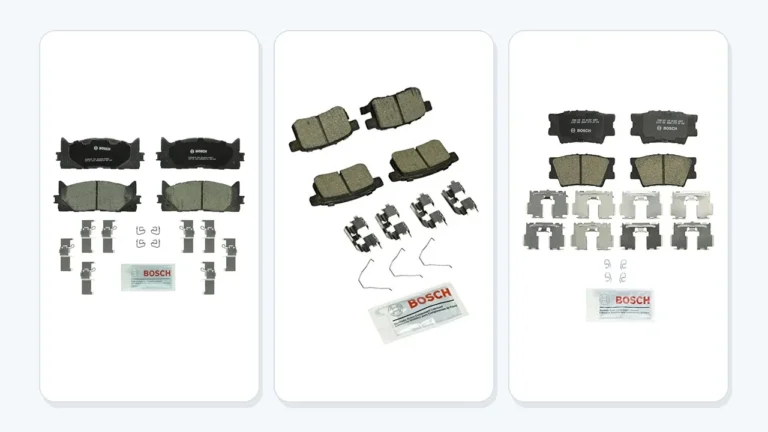
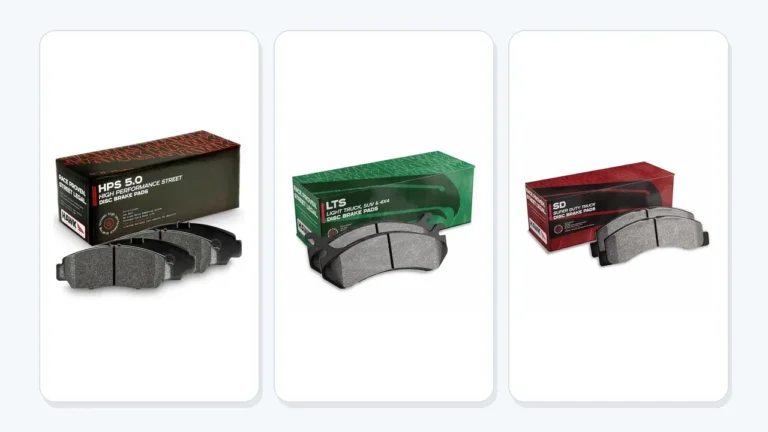
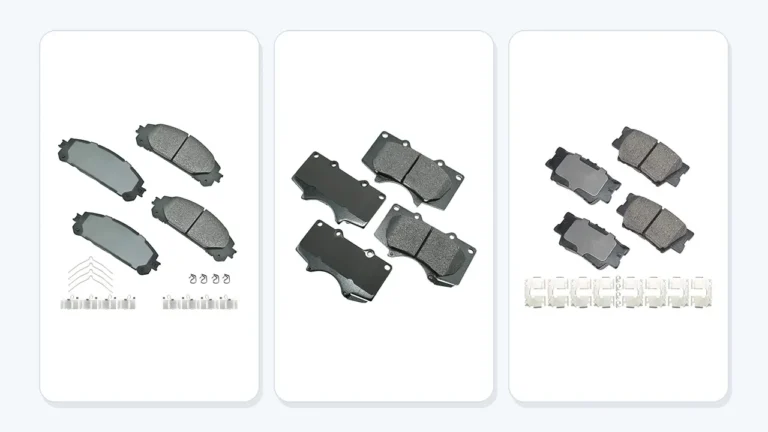
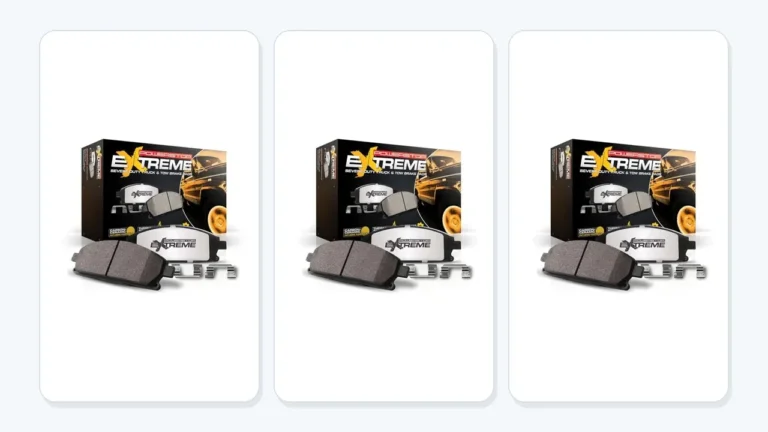
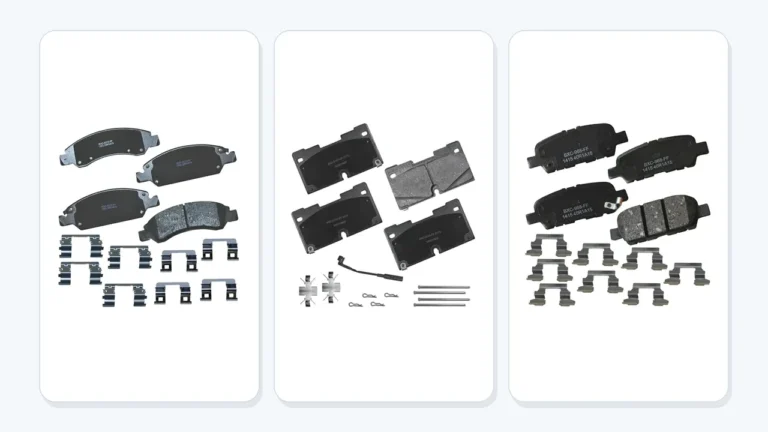
5 Best Quiet Brake Pads That End Squeal and Grinding Noise for Good
As an Amazon Associate, we earn from qualifying purchases made through links in this post, at no extra cost to you.
Buy the wrong brake pads and the noise can return every time you slow down, while the wrong fit can leave your car sitting in the driveway with the wheel off. Cheap-looking hardware, excess dust, or pads meant for another axle can also turn a simple repair into a second job.
The main things to check are fit, axle position, and the parts that control vibration. A pad must match your exact vehicle and fit the front or rear axle, while shims, chamfers, slots, and clean contact points help prevent the squeak that makes a normal stop sound like a distressed bird.
Here is what the guide covers:
- How ceramic, carbon-fiber ceramic, shims, chamfers, and slots affect noise.
- How to confirm vehicle, trim, year, axle, and pad-set fit before buying.
- How to install and break in new pads without creating avoidable noise.
- Which care habits protect the pads, rotors, caliper hardware, and your wallet.
Quick Picks
-
Best For Large GM Vehicles

Bendix Premium SBC1363 Ceramic Front Brake Pads
Ceramic construction and OE-focused fit help deliver steady, lower-noise braking for many Cadillac, Chevrolet, and GMC vehicles.
-
Best For Quiet Front Upgrades

PowerStop Z23 Performance Brake Pads Front for
Carbon-fiber ceramic pads, rubberized shims, and chamfered slots support quiet daily stops for select Acura and Honda vehicles.
Top 5 Quiet Brake Pads at a Glance
Bendix is the first place to look for many large Cadillac, Chevrolet, and GMC vehicles, while PowerStop fits a different group of front-brake shoppers who want a daily-driving upgrade. The Bosch choices are split clearly between rear and front applications, and SCITOO is aimed at specific Chevrolet Cruze and Sonic fitments.
| Product image | Product name | Check product |
|---|---|---|
| 1 |
Bendix Premium SBC1363 Ceramic Front Brake Pads | Check Price |
| 2 |
PowerStop Z23 Performance Brake Pads Front for | Check Price |
3 |
BOSCH BC1212 QuietCast Premium Ceramic Disc Brake | Check Price |
4 |
BOSCH BC1324 QuietCast Premium Ceramic Disc Brake | Check Price |
5 |
SCITOO D1522 Front Ceramic Brake Pads Sets | Check Price |
The biggest separator is not a simple quality ladder. Axle position, vehicle application, included hardware, pad material, and fit notes matter more than a familiar brand name.
5 Best Quiet Brake Pads: Detailed Reviews
When I chose the best quiet brake pads, I paid attention to the friction material, noise-control parts, axle position, vehicle coverage, and fit warnings. Those details help prevent the common problems of buying a front set for the rear, choosing the wrong shape, or expecting a pad to cure noise caused by damaged hardware.
I kept the group broad enough for large GM vehicles, Acura and Honda SUVs, several Toyota and Lexus applications, and compact Chevrolet cars. Looking at the choices side by side makes the important question easier: which pad set matches your vehicle and the kind of brake noise you are trying to stop?
1. Bendix Premium SBC1363 Ceramic Front Brake Pads
Ceramic construction and OE-focused fit help deliver steady, lower-noise braking for many Cadillac, Chevrolet, and GMC vehicles.
- ColorMetallic
- Size1 Count (Pack of 1)
- Release Date2017-08-07T00:00:01Z
- Number Of Items1
The Bendix SBC1363 brake pads suit drivers of many Cadillac, Chevrolet, and GMC vehicles who want a ceramic front-pad replacement with an OE-focused fit.
Bendix describes the pads as engineered to OE specifications, meaning the fit, shape, and basic job are intended to follow the original equipment design. That matters because a pad that does not sit correctly can rattle, wear unevenly, or fail to make full contact with the rotor.
The friction material is ceramic. Ceramic friction material is a pad compound made to create braking friction while generally producing less visible dust and noise than some older types. For a daily driver, that can mean cleaner wheels and a less irritating chirp during ordinary stops, though quiet operation still depends on the rotor, caliper, clips, and installation condition.
Bendix also describes the pads as resistant to wear and corrosion. The benefit is practical rather than magical: the pad is intended to keep working through normal road use without the friction material or backing plate giving up too quickly. Salt, water, seized hardware, and badly worn rotors can still create problems that a pad alone cannot fix.
The vehicle coverage is the most useful feature for the right buyer. The list includes various Escalade, Avalanche, Silverado, Suburban, Tahoe, Sierra, Savana, and Yukon applications across several years, but the range is not a free pass. Confirm the exact year, trim, engine, and axle before ordering.
Bendix identifies the color as metallic and the package as one count. The package information deserves a close look because brake work normally needs pads for both wheels on one axle, and the listing should be checked to confirm what the package includes for your specific repair.
Pros:
- Ceramic friction material, supports quieter and cleaner daily braking.
- OE-focused design, helps match the original pad shape.
- Broad GM vehicle coverage, useful for many large SUVs and trucks.
- Wear and corrosion resistance, supports longer service in normal driving.
- Consistent braking design, helps reduce changes in pedal feel.
Cons:
- Vehicle coverage is broad, so exact fit still needs confirmation.
- Package details should be checked before planning the complete axle repair.
- Rotor or caliper problems can remain even after pad replacement.
Buy it if: you drive a listed Cadillac, Chevrolet, or GMC vehicle, because the OE-focused ceramic design is aimed at a familiar factory-style fit and steady daily braking.
Skip it if: you need rear pads or drive a vehicle outside the listed applications, because this front-oriented set may not match your axle or pad shape, and a properly matched axle-specific pad set would suit you better. For another fit, consider Powerstop or Bosch.
I would pick Bendix SBC1363 for a large GM owner who wants a straightforward ceramic replacement rather than a sporty brake feel. The OE-style approach makes sense for commuting, school runs, towing errands, and ordinary stop-and-go traffic. My hesitation is the package wording and the wide application list, so check the exact vehicle fit and number of pads before buying.
This Bendix brake pad set is the sensible starting point when the vehicle match is confirmed.
2. PowerStop Z23 Performance Brake Pads Front for
Carbon-fiber ceramic pads, rubberized shims, and chamfered slots support quiet daily stops for select Acura and Honda vehicles.
- ColorMetallic
- Number Of Items1
- ENHANCED STOPPING POWERUpgraded carbon-fiber ceramic Z23 pads boost stopping power vs OE replacements, rubberized shims and chamferred + s
- WeightNot listed; check details
The PowerStop Z23 brake pads suit drivers of select Acura MDX, Honda Pilot, and Honda Ridgeline vehicles who want a quiet front-pad upgrade for everyday driving.
The pad material is carbon-fiber ceramic. Carbon-fiber ceramic is a friction compound that combines ceramic material with carbon-based reinforcement, with the goal of handling normal braking while keeping dust and noise under control. PowerStop presents this set as a direct-fit upgrade, so the intended benefit is a familiar installation shape with a more performance-minded compound.
The set includes rubberized shims. A shim is a thin layer between the pad backing plate and the caliper piston or bracket, and the shim helps absorb vibration before that vibration becomes a squeal. Think of it as a small cushion between two pieces of metal, though it cannot compensate for bent hardware, a sticking caliper, or a rough rotor.
PowerStop also uses chamfered and slotted pads. A chamfer is a beveled edge that eases the pad into contact, while a slot is a channel cut through the friction surface. Together, those shapes can help manage vibration, heat, and contact behavior during daily stops.
The low-dust claim is useful for drivers who are tired of dark wheels after a week of commuting. PowerStop also describes the pads as fade resistant, meaning the compound is intended to keep its braking response as heat builds during ordinary driving. That does not turn a family SUV into a track car, and braking noise can still come from the rest of the brake system.
The listed set includes two carbon-fiber ceramic pads and installation hardware. The product also lists a 12-month or 12,000-mile limited warranty, but the coverage terms should be read carefully because warranty conditions can depend on installation and use.
Pros:
- Carbon-fiber ceramic compound, supports clean daily braking.
- Rubberized shims, help absorb vibration behind the pad.
- Chamfered and slotted edges, support quieter contact behavior.
- Installation hardware included, may reduce the need for separate clips.
- Listed limited warranty, gives the buyer coverage terms to review.
Cons:
- Fit is limited to specific Acura and Honda applications.
- Front-only design does not replace rear axle pads.
- Upgrade language should not be confused with racing equipment.
Buy it if: you have a listed Acura MDX, Honda Pilot, or Honda Ridgeline, because the carbon-fiber ceramic compound and rubberized shims target quiet, low-dust front braking.
Skip it if: your vehicle is not one of the confirmed applications, because a direct-fit shape cannot be assumed from the brand or vehicle family, and a correctly matched brake pad set would suit you better. Bendix and Bosch are worth a closer look instead.
I like the PowerStop Z23 because the noise-control details are easy to understand and useful for a daily driver. The chamfers, slots, and rubberized shims address the small vibrations that often become a loud squeal at low speed. Double-check that the package is for the front axle and that the warranty terms fit your situation.
This PowerStop pad set makes the most sense for an Acura or Honda owner who wants a little more than a basic replacement.
3. BOSCH BC1212 QuietCast Premium Ceramic Disc Brake
The catalog lists [THE BOSCH ADVANTAGE] – The Bosch QuietCast line draws on over 77 years of OE braking excellence; promising th. Compare fit and care needs before choosing.
- ColorRear
- SizeBC1212
- Number Of Items1
- Noise[QUIETER STOPS] – The industry’s best pre-attached OE style multilayer rubber core shims ensure the highest qu
The Bosch BC1212 QuietCast pads suit drivers who need rear ceramic pads for select Lexus, Toyota, or Pontiac vehicles and want noise-control hardware included where available.
The first detail to notice is the rear application. Brake pads are not interchangeable between the front and rear axle because the shape, size, and braking workload can differ. A rear pad can look close enough in a photo to fool a rushed buyer, so the axle label matters before anything else.
Bosch uses pre-attached multilayer rubber-core shims. The layers are designed to separate the backing plate from the caliper contact area and reduce vibration. For you, that means fewer opportunities for the metal parts to turn normal movement into a squeal, assuming the shims and other hardware are installed correctly.
The friction material is ceramic and is described as low dust. Ceramic material can be a useful fit for drivers who want less visible wheel grime during regular commuting. Low dust does not mean no dust, and a dirty wheel can also come from road grit, rotor wear, or another brake problem.
The backing plate has a powder-coated finish intended to resist rust and corrosion. The backing plate is the metal foundation behind the friction material, so protection there can help the pad remain stable in wet or salted road conditions. Corrosion around the clips or caliper bracket still needs attention during installation.
Bosch includes pads for one axle, covering two wheels, along with a hardware kit and synthetic lubricant where available. The lubricant is intended for sliding contact points, not for the friction surface. Grease on the rotor or pad face is a serious installation error, while the correct lubricant at the correct contact point can help the pad move without sticking.
The listed applications include select Lexus ES300h, ES350, and HS250h vehicles, Pontiac Vibe models, and Toyota Avalon, Camry, Matrix, and RAV4 vehicles. Trim and engine differences may affect fit, so the exact vehicle check is still required.
Pros:
- Rear-specific design, helps prevent front-to-rear ordering mistakes.
- Multilayer rubber-core shims, reduce vibration at the backing plate.
- Ceramic friction material, supports low-dust daily stops.
- Powder-coated backing plate, helps resist rust and corrosion.
- Hardware and lubricant listed, supports a more complete installation.
Cons:
- Exact fit can change with trim or engine details.
- Hardware availability may vary by application.
- Rear pads are not suitable for a front-axle repair.
Buy it if: you need rear pads for a listed Lexus, Toyota, or Pontiac, because the rear-specific design and rubber-core shims focus on quiet everyday braking.
Skip it if: your repair is on the front axle or your vehicle details do not match, because the BC1212 shape is application-specific, and a correctly matched front or rear pad set would suit you better. If those trade-offs rule it out, Bendix or Powerstop may suit you better.
I would choose Bosch BC1212 when the repair is specifically on the rear axle of a listed Toyota or Lexus. The included hardware and contact lubricant are practical touches because brake noise often begins at the points people forget to clean or lubricate. The phrase “where available” deserves attention, and the vehicle fit checker should settle that before ordering.
This Bosch rear pad set is a strong fit for a careful buyer who wants quiet hardware rather than a flashy claim.
4. BOSCH BC1324 QuietCast Premium Ceramic Disc Brake
The catalog lists [THE BOSCH ADVANTAGE] – The Bosch QuietCast line draws on over 77 years of OE braking excellence; promising th. Compare fit and care needs before choosing.
- ColorFront
- SizeBC1324
- Number Of Items1
- Noise[QUIETER STOPS] – The industry’s best pre-attached OE style multilayer rubber core shims ensure the highest qu
The Bosch BC1324 QuietCast pads suit drivers who need front ceramic pads for select Lexus, Toyota, or Subaru vehicles and want a pad set built around vibration control.
The front application is the key starting point. Front brakes usually handle a large share of a vehicle’s stopping work, but that does not mean every front pad has the same shape. Confirm the vehicle, trim, engine, and model year before treating the BC1324 number as enough information.
Bosch uses pre-attached multilayer rubber-core shims on this pad family. The shim sits behind the pad and helps damp the small movements that can produce a high-pitched squeak. Proper caliper movement and clean hardware remain necessary because even a well-designed shim cannot rescue a seized slider pin.
The ceramic friction material is described as engineered for quiet, low-dust operation. For a commuter, that combination can mean less black residue on the front wheels and less noise during gentle stops. The compound is still part of a larger system that includes the rotor, caliper, bracket, clips, and installation surface.
Slots and chamfers are also part of the design. The slot gives the friction surface a channel, while the chamfer rounds or angles the edge where the pad meets the rotor. These details can help manage heat and vibration, much like a small relief cut can keep a hard edge from rubbing too sharply.
The backing plate is powder coated for corrosion resistance. That matters in places where winter salt or repeated moisture attacks exposed metal. It is still smart to inspect the caliper bracket, abutment clips, and sliding points rather than assuming the pad coating solves every corrosion problem.
The listed coverage includes select Lexus NX and RX vehicles, Toyota Camry, Highlander, RAV4 Prime, Sienna, Avalon, Crown, and other applications, along with select Subaru Solterra vehicles. The wide list makes the fit checker especially important.
Pros:
- Front-specific design, keeps the axle choice clear.
- Ceramic compound, supports low-dust and quiet daily braking.
- Pre-attached multilayer shims, help damp pad vibration.
- Chamfers and slots, support controlled heat and contact.
- Powder-coated backing plate, adds corrosion resistance.
Cons:
- Broad application list requires exact vehicle verification.
- Hardware may depend on the specific application.
- Front pads cannot replace a rear-axle set.
Buy it if: you need front pads for a listed Lexus, Toyota, or Subaru, because the ceramic compound and pre-attached shims target quiet daily stops.
Skip it if: you are repairing the rear axle or cannot confirm the exact application, because the BC1324 shape is not universal, and a verified rear or vehicle-specific pad set would suit you better.
The Bosch BC1324 earns its place by making the front-versus-rear choice clear and pairing ceramic material with several noise-control details. I like that the backing plate, shims, slots, and chamfers each have a job a beginner can understand. Check the exact model year and trim before buying, especially with a list that includes hybrid and electric applications.
This Bosch front pad set is best for a driver who wants a quiet factory-style repair and is willing to verify the details.
5. SCITOO D1522 Front Ceramic Brake Pads Sets
The catalog lists Compatible Vehicles – 4PCS Brake Pads For Chevrolet Cruze 4-Door 2011 2012 2013 2014 2015,For Chevrolet Cruze . Compare fit and care needs before choosing.
- ColorAs Pictures Shown
- SizeFront D1522-8730
- Number Of Items1
- WeightNot listed; check details
The SCITOO D1522 brake pads suit owners of listed four-door Chevrolet Cruze and Sonic vehicles who need a front ceramic set with a simple fit-focused design.
SCITOO lists the pads for Chevrolet Cruze models from 2011 through 2015, Cruze Limited 2016 models, and Chevrolet Sonic four-door models from 2012 through 2017. The application list is narrower than some other choices here, which is helpful when your vehicle matches and risky when you are guessing.
The pads use a gasket between the caliper piston and the pad backing plate. A gasket in this setting acts as a buffer that absorbs vibration, much like a thin rubber pad under a rattling household object. The goal is less vibration reaching the caliper and less noise reaching your ears.
SCITOO also lists a slotting design. The slots create channels through the friction surface that can help manage heat and ventilation during braking. The feature is meant to support even heating and drainage, though the final result depends on the rotor condition, driving habits, and correct installation.
The pads are made to OE requirements and are described as easy to install. That language points to a familiar replacement shape, not a promise that every repair is simple. A stuck caliper pin, rusty bracket, damaged rotor, or seized clip can turn a short pad change into a larger brake service.
The listing identifies the set as four pads for the front application. The size is listed as Front D1522-8730, and the buyer notice says to check the picture, part number, and fitment details. Those checks are worth doing because compact cars can have different brake configurations within the same general model family.
The low-dust and quiet-braking focus may appeal to a commuter who wants cleaner wheels and less squeal without moving to a performance-style setup. Brake pads do not erase grinding caused by metal-on-metal contact, so grinding should be treated as a repair warning rather than a normal noise complaint.
Pros:
- Front four-pad set, covers both wheels on the front axle.
- Gasket buffer, helps absorb vibration behind the pad.
- Slotting design, supports heat movement and ventilation.
- OE-oriented fit, helps simplify a matching replacement.
- Narrow Chevrolet application list, makes the intended buyer clear.
Cons:
- Limited to specific Cruze and Sonic applications.
- Fit should be checked by picture and part number.
- Existing rotor or caliper damage can remain after replacement.
Buy it if: you own a listed four-door Chevrolet Cruze or Sonic, because the front D1522-8730 design includes vibration buffering and slotted ceramic pads.
Skip it if: you drive another Chevrolet body style or need rear pads, because the listed shape is narrow and front-specific, and a confirmed axle-matched pad set would suit you better.
SCITOO D1522 is appealing when the vehicle match is exact and the goal is a basic front repair with noise-control details. The gasket and slots are easy to understand, while the four-pad package fits the usual two-wheel front axle job. I would still spend extra time checking the picture and part number because the application list is narrow.
This SCITOO pad set belongs on the shortlist for a matching Cruze or Sonic, not as a general Chevrolet replacement.
How to Choose the Best Quiet Brake Pads
The best quiet brake pads must match your vehicle, axle, rotor, and caliper hardware before material or brand enters the discussion. Use the exact year, trim, engine, drive type when requested, and front or rear position to narrow the choice.
Confirm the axle first
Front and rear pads have different shapes and jobs, so start with the axle. A front pad set belongs on the front axle, while a rear set belongs on the rear axle, unless the vehicle information specifically says otherwise.
Look for words such as front, rear, one axle, two wheels, or a vehicle-specific part number. The Bosch BC1212 and BC1324 sets show why this matters: the names identify different axle positions even though both come from the same QuietCast family.
Match the exact vehicle
A brake pad is a shaped part, not a universal rectangle. The same vehicle name can cover different trims, engines, brake packages, and model years, so enter the complete vehicle information in the fit checker and read any qualifier notes.
A correct match should agree on the make, model, year, trim, axle, and part number when those details are listed. If the listing asks you to check a picture, compare the pad shape and the location of slots, holes, or wear tabs rather than relying on a familiar brand.
Understand ceramic friction material
Ceramic brake material is a friction compound designed for braking, often with an emphasis on lower dust and quieter operation during everyday driving. It can be a good fit for commuters who want clean wheels and less squeal, but it does not repair worn rotors or seized caliper hardware.
Ceramic does not mean silent in every situation. Noise can come from loose clips, dry contact points, uneven rotors, rust, poor bedding, contamination, or a caliper that does not release properly.
A useful comparison is the difference between choosing a quiet tire and repairing a bent wheel. The tire can reduce road noise, but the bent wheel still needs attention. Brake material is similar, because the pad can help with normal friction noise while a damaged brake system requires separate work.
Check the noise-control parts
Shims, chamfers, slots, and clean contact points all affect how a pad moves and vibrates. A shim cushions the backing plate, a chamfer softens the pad edge, and a slot creates a channel through the friction material.
The pad set should list the features you care about, but the installation still matters. If a shim is missing, a clip is rusty, or lubricant is placed on the friction surface, a quiet pad can become noisy or unsafe.
For a deeper look at ceramic compounds and their daily-driving trade-offs, read this guide to ceramic brake pads before choosing between a basic replacement and a more specialized compound.
Check what the package includes
A complete axle repair usually needs pads for two wheels, along with usable clips or hardware where the vehicle requires them. Some listings describe a set for one axle, while others use a count that can be easy to misread.
Confirm the number of pads, hardware, lubricant, and axle position before buying. Do not assume that a brand name means every application receives the same contents.
Consider brake dust and wheel care
Low-dust pads can reduce the dark residue that collects on wheels, but no friction material eliminates dust completely. Wheel design, driving conditions, rotor wear, and cleaning habits also affect how dirty the wheels become.
Drivers who care most about clean wheels should compare the compound and application details, then inspect the wheels regularly. A guide to low dust brake pads can help you weigh wheel cleanliness against the other traits that matter in your vehicle.
Think about your driving pattern
Daily commuting, steep hills, frequent towing, heavy traffic, and occasional highway trips place different demands on brakes. A quiet daily-driving pad may suit a commuter, while a vehicle used for heavy loads may need a pad and rotor combination chosen for that work.
Do not select a pad only because the word performance appears in the title. Look for a clear fit, a suitable axle, the right material, and a braking setup that matches how you use the vehicle.
How to Use Quiet Brake Pads for the Best Results
New pads need a careful installation and gradual bedding period before they reach their normal contact pattern. The exact procedure should follow the pad maker and vehicle service instructions, but these habits help avoid common mistakes.
- Park on a firm, level surface and secure the vehicle with proper support before removing a wheel.
- Inspect the rotor, caliper, clips, and slider pins instead of treating the pads as the only parts that matter.
- Clean rust and debris from the pad contact areas, keeping all grease and cleaner away from the friction surfaces.
- Install the pad, shim, clips, and hardware in the correct positions, then confirm that the pad can move as intended.
- Pump the brake pedal before driving until the pedal feels firm, because the caliper piston may need to move back into contact.
- Test the brakes at low speed in a safe area before entering traffic.
- Follow the recommended bedding process with controlled stops, leaving enough space for the brakes to cool between them.
- Avoid hard braking, towing, or long downhill heat buildup until the bedding period is complete.
The first few stops may feel different, and a mild smell can occur as surfaces settle. Loud grinding, a soft pedal, pulling to one side, smoke, or a wheel that becomes unusually hot is not a normal bedding result and calls for immediate inspection.
Use brake-pad lubricant only on the specified sliding or contact points. A small amount at the right place can help movement, while lubricant on the pad face or rotor can reduce braking and contaminate the surfaces.
How to Make Your Brake Pads Last Longer
Brake pads last longer when the caliper releases fully, the rotor remains in usable condition, and the vehicle is not driven through unnecessary heat. Good driving habits matter, but proper inspection matters just as much.
Keep a simple check schedule tied to tire rotations or oil changes. Ask for pad thickness, rotor condition, caliper movement, and hardware condition to be checked together, because replacing only the visibly worn part can leave the original cause untouched.
Avoid resting your foot on the brake pedal. Light pressure creates heat even when the vehicle is barely slowing, and repeated heat can shorten pad life and increase noise.
Leave extra space in traffic so you can slow gradually. Smooth stops are easier on the friction material than repeated last-second braking, especially in heavy city traffic.
Use the correct lubricant at contact points during service. A useful guide to brake pad grease can help explain where lubricant belongs and why the wrong grease or wrong location can create trouble.
Keep wheels and brake areas free of thick mud, salt buildup, and road debris when practical. Do not spray random cleaners onto the brake rotor or pad surface, since residue can affect friction.
Pay attention to changes in sound and pedal feel. A light squeak can have several causes, while grinding, pulsing, pulling, burning odor, or a soft pedal deserves a prompt brake inspection.
Common Mistakes to Avoid When Buying and Using Brake Pads
Most brake-pad mistakes start with fitment or installation, not with a lack of expensive features. Avoid these errors before ordering or driving away from the repair.
- Buying by vehicle name alone: The same model can use different brake configurations. Enter the full year, trim, engine, and axle details.
- Mixing front and rear pads: The shapes and duties differ. Confirm the axle position in the title, description, and vehicle fit result.
- Ignoring the package count: A single count may not describe a complete axle set. Confirm whether the package covers two wheels.
- Reusing damaged clips: Rusty or weak clips can let the pad rattle or stick. Replace hardware when the service information or condition calls for it.
- Skipping rotor inspection: New pads cannot correct a badly scored, warped, or excessively worn rotor. Measure or inspect the rotor as part of the same repair.
- Putting grease on the friction face: Lubricant belongs only at approved contact points. Keep the pad face and rotor clean and dry.
- Driving hard right after installation: Fresh pads need proper contact and bedding. Use controlled stops and allow cooling time before demanding heavy braking.
- Treating grinding as normal: Grinding can mean the friction material is gone or metal is contacting metal. Stop driving the vehicle until the brake system is inspected.
- Assuming quiet means flawless: Noise can be reduced by the pad, but a sticking caliper, loose hardware, or rough rotor still needs repair.
How to Set Up Quiet Brake Pads
Brake-pad setup is not difficult for an experienced home mechanic, but the safety stakes are high. If the vehicle cannot be supported securely or the caliper hardware is unfamiliar, use a qualified brake technician.
- Confirm the new pad set, axle position, vehicle fit, and package contents before lifting the car.
- Park on level ground, engage the parking brake as appropriate, chock the wheels, and use approved jack stands.
- Remove the wheel and compare the old pad with the new pad before taking the old part out.
- Inspect the rotor, caliper piston, slider pins, clips, and bracket for wear, corrosion, or movement problems.
- Clean the contact areas and install new clips or hardware in the same locations shown by the service instructions.
- Apply only the specified lubricant to sliding contact points, never to the rotor or friction material.
- Install the pads and confirm that the caliper fits without forcing or pinching the parts.
- Reinstall the wheel, tighten the lug nuts to the vehicle specification, press the brake pedal until firm, and complete a slow test drive.
The most common stumbling point is confusing a pad shim or wear feature with a removable piece. Do not peel off attached shims or alter the friction material unless the vehicle instructions specifically require it.
Common Questions About Quiet Brake Pads
Are ceramic brake pads quieter than other brake pads?
Ceramic brake pads are often chosen for lower noise and lower visible dust during everyday driving. They are not guaranteed to be silent because rotor condition, caliper movement, clips, shims, contamination, and bedding all affect sound. A ceramic pad can reduce normal friction noise while leaving a separate hardware problem unchanged.
How long do quiet brake pads last?
Brake-pad life depends on traffic, hills, vehicle weight, towing, driving style, rotor condition, and caliper movement. A fixed mileage promise would be misleading. Have the pads inspected during regular service and replace them when the friction material reaches the vehicle maker’s limit or when wear is uneven.
Do quiet brake pads stop squealing completely?
Quiet brake pads can reduce squeal, but they cannot promise complete silence in every vehicle. Squeal may come from vibration between the pad and caliper, dry contact points, loose clips, rust, uneven rotors, contamination, or poor bedding. A continuing squeal needs a full brake-system inspection rather than another blind pad purchase.
Should new brake pads come with new rotors?
New rotors are not automatically required with every pad change, but the rotors must be within the vehicle’s service limits and free from serious scoring, cracks, or uneven wear. A worn rotor can prevent proper pad contact and create noise or vibration. Have both parts inspected before deciding whether the rotor can remain.
Can I replace only the noisy brake pad?
Brake pads should normally be replaced as an axle set, meaning both wheels on the front or both wheels on the rear. Replacing one pad alone can create uneven braking and different friction behavior from side to side. If one pad is worn much more than its partner, inspect the caliper and hardware for the cause.
Is brake-pad installation a good beginner repair?
Brake-pad installation can be manageable for a careful beginner with the correct tools, secure vehicle support, and reliable service instructions. The job becomes a poor first project if the caliper is seized, the rotor is damaged, or the vehicle cannot be supported safely. A soft pedal, pulling, grinding, or overheating after installation needs professional attention.
Make the Fit Check Before the Noise Check
Start with the exact vehicle, axle, pad shape, and package contents, then weigh ceramic material, shims, slots, chamfers, dust, and hardware. Before ordering, enter the vehicle details, read the fit notes, and confirm that the set covers the axle you are repairing.
The best quiet brake pads are the ones that fit the vehicle correctly, work with a healthy brake system, and match the way you drive. Ceramic material, shims, chamfers, and low-dust formulas can support a quieter setup, but careful fitment, clean contact surfaces, proper hardware, and correct bedding matter just as much. Use the fit check first, compare the selected options by their actual features, and have any unusual noise or braking behavior inspected before relying on a new pad set.