How Much Moisture Is Acceptable in Brake Fluid? Safety Guide
For most cars using glycol-based DOT 3, DOT 4, or DOT 5.1 brake fluid, a tester reading below 2% moisture is generally considered acceptable, 2–3% calls for attention, and around 3% is a common replacement trigger. These numbers are workshop guidelines, not a universal legal safety limit. The vehicle manufacturer’s service schedule and the fluid’s actual boiling point also matter.
Brake fluid absorbs water over time through the braking system. As moisture rises, its boiling point falls, increasing the risk of vapor forming during repeated hard braking. Water can also encourage corrosion in calipers, brake lines, and ABS components. Fluid can therefore need replacement even when the brake pedal feels normal.
A low reading on an inexpensive tester does not prove the fluid is safe. Some testers estimate water content from electrical conductivity and can be inaccurate with different fluid formulations. Silicone-based DOT 5 fluid also behaves differently from glycol-based DOT 5.1.
In this article, I explain acceptable moisture readings, how water affects brake-fluid boiling points, how to interpret tester colors, and when to flush the braking system. I’ll also cover testing limitations, maintenance intervals, and warning signs requiring professional attention.
How Much Moisture Is Acceptable in Brake Fluid? Quick Answer
Below 2% moisture is a common acceptable reading on brake-fluid screening testers, while 2–3% usually indicates that replacement should be planned. At approximately 3% or higher, brake-fluid replacement is commonly recommended.
However, there is no single moisture percentage that establishes whether every vehicle’s brake fluid is safe.
Fluid condition also depends on its formulation, boiling point, age, contamination, and the vehicle manufacturer’s requirements.
Brake Fluid Moisture Percentage Chart
| Moisture Reading | General Interpretation | Recommended Action |
| 0–1% | Low estimated moisture | Continue scheduled maintenance |
| Above 1% but below 2% | Generally within common tester acceptance range | Monitor condition and service history |
| 2–3% | Caution range | Arrange fluid assessment and replacement soon |
| Around 3% | Common replacement trigger | Replace the brake fluid promptly |
| Above 3% | Excessive moisture indication | Prompt professional service |
| 4% or higher | Serious contamination indication | Do not delay professional assessment and replacement |
These categories apply to typical moisture-testing guidance for glycol-based brake fluids.
They are not official DOT moisture limits or proof of safe braking performance.
According to Texaco Lubricants’ technical guide to brake-fluid testing, many handheld devices use the following interpretation:
- 0–2%: No immediate replacement indicated by the reading
- 2–3%: Replacement needed soon
- Around 3%: Replacement indicated immediately
Texaco also warns that some electronic moisture testers produce inaccurate readings because different brake-fluid formulations have different electrical properties.
Therefore, an unusually high or low reading should be evaluated alongside the service history and more reliable testing.
Key Takeaway: Approximately 3% moisture is a widely used replacement trigger, but the manufacturer’s maintenance schedule and reliable fluid-condition assessment take priority.
Why Does Moisture Get Into Brake Fluid?
Most passenger vehicles use glycol-based brake fluid.
DOT 3, DOT 4, and DOT 5.1 fluids are hygroscopic, meaning they absorb moisture from their surroundings.
This occurs gradually, even when the hydraulic system is functioning normally.
How Water Enters the Braking System
Moisture can enter through several pathways.
Brake Hoses
Some moisture can diffuse through flexible brake hose materials over time.
Brake hoses are designed to contain hydraulic pressure, but the system is not necessarily completely impermeable to water vapor.
Brake Fluid Reservoir
The reservoir contains a cap and sealing arrangement.
Its design must accommodate the braking system’s operating requirements.
Moisture exposure may occur through the reservoir and its associated components.
Maintenance and Repairs
Opening the reservoir or hydraulic connections exposes the system to the surrounding environment.
Using contaminated tools or old brake fluid can introduce additional moisture.
Improper Fluid Storage
Brake fluid left in an open container can absorb water from the air.
A previously opened bottle may no longer have the same condition as fresh fluid from a properly sealed container.
Does Brake Fluid Absorb Moisture Even if You Don’t Drive?
Yes.
Moisture absorption is not determined solely by mileage.
A vehicle that remains parked for long periods can still experience brake-fluid aging.
That is why manufacturers commonly specify replacement intervals based on time rather than driving distance alone.
Does Humid Weather Make a Difference?
Environmental humidity can influence the moisture exposure experienced by brake fluid.
However, the actual absorption rate also depends on the vehicle’s design, fluid formulation, and condition of the hydraulic system.
A fixed percentage of moisture absorption per year cannot be assumed for every vehicle.
Key Takeaway: Glycol-based brake fluid gradually absorbs moisture, including in vehicles that are driven infrequently.
What Happens When Brake Fluid Contains Too Much Moisture?
Water contamination affects two important characteristics of brake fluid:
- Its resistance to boiling
- Its ability to protect hydraulic components from corrosion
The effects become particularly important during repeated braking or sustained high-temperature operation.
1. Lower Brake Fluid Boiling Point
Brake fluid is designed to remain liquid under the high temperatures experienced in braking systems.
As water accumulates in glycol-based brake fluid, the boiling point decreases.
This reduces the margin between the fluid’s boiling temperature and the operating temperature of the braking system.
2. Vapor Formation During Heavy Braking
When fluid becomes hot enough to boil, vapor bubbles may form.
Liquid brake fluid is relatively difficult to compress.
Vapor, however, is compressible.
This means pressing the brake pedal may compress vapor rather than transferring pressure effectively to the brakes.
The result can be reduced braking response.
3. Spongy or Soft Brake Pedal
Vapor or air within the hydraulic system can make the brake pedal feel unusually soft.
The pedal may travel farther before producing effective braking.
However, a spongy pedal can also result from trapped air, leaks, damaged components, or other hydraulic faults.
Moisture should not be assumed to be the only possible cause.
4. Internal Corrosion
Moisture can contribute to corrosion of metal components inside the braking system.
Potentially affected components include:
- Brake lines
- Brake calipers
- Wheel cylinders
- Master cylinders
- ABS hydraulic components
Corrosion may cause expensive repairs and interfere with reliable braking operation.
5. Reduced Braking Reliability
A brake system may behave normally during light driving but experience problems under sustained heavy braking.
Examples include long downhill descents, repeated hard stops, or other demanding conditions.
This is why brake-fluid condition matters even when the vehicle appears to stop normally during ordinary driving.
Important: If the brake pedal becomes unusually soft, sinks toward the floor, or braking performance suddenly decreases, stop driving as soon as safely possible. Arrange professional inspection and towing rather than assuming a routine fluid change will fix the problem.
Key Takeaway: Excessive brake-fluid moisture lowers boiling resistance and increases the risk of corrosion and hydraulic braking problems.
Brake Fluid Moisture vs. Boiling Point: What’s the Connection?
The relationship between moisture and boiling point helps explain why brake-fluid replacement is important.
Fresh glycol-based fluid has a relatively high boiling point.
As water is absorbed, the boiling point decreases.
The rate of reduction depends on the specific fluid formulation.
DOT 3, DOT 4, and DOT 5.1 Boiling Point Chart
The following values are minimum standardized boiling-point specifications.
| Brake Fluid Type | Minimum Dry Boiling Point | Minimum Wet Boiling Point |
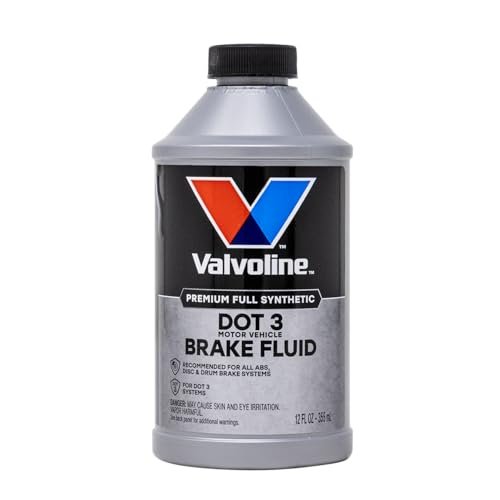
| DOT 3 | 401°F (205°C) | 284°F (140°C) |
| DOT 4 | 446°F (230°C) | 311°F (155°C) |
| DOT 5.1 | 500°F (260°C) | 356°F (180°C) |
These minimum values come from Federal Motor Vehicle Safety Standard No. 116, which establishes requirements for automotive brake fluids.
The values describe standardized fluid performance requirements, not universal in-service replacement temperatures.
What Is Dry Boiling Point?
Dry boiling point is a standardized measurement of new brake fluid before it has undergone the prescribed moisture-conditioning procedure.
For example, DOT 4 fluid must meet a minimum dry boiling point of 446°F.
Higher-performance DOT 4 formulations may exceed this minimum.
What Is Wet Boiling Point?
Wet boiling point is determined after conditioning a fluid sample with moisture under a standardized test procedure.
The standardized conditioning represents moisture exposure rather than simply using fresh fluid.
For glycol-based brake fluids, the wet boiling-point test is associated with moisture content of roughly 3.5% under specified conditions.
However, this does not mean a car can safely operate with 3.5% moisture.
The standardized wet boiling-point specification is a product qualification requirement, not a universal vehicle service limit.
Is DOT 4 Safer Than DOT 3 When Moisture Is Present?
DOT 4 has higher minimum standardized dry and wet boiling points than DOT 3.
However, the actual safety margin depends on fluid condition and vehicle requirements.
Old or contaminated DOT 4 fluid may perform worse than fresh fluid of another approved specification.
Use only the fluid type and performance specification required or approved by the vehicle manufacturer.
Does Brake Fluid Always Boil at 212°F if It Contains Water?
No.
Water mixed into glycol-based brake fluid does not behave exactly like a separate container of pure water.
The boiling characteristics depend on the fluid formulation, moisture concentration, and pressure conditions.
However, increasing moisture generally reduces the fluid’s boiling point.
Key Takeaway: Boiling point is a key measure of brake-fluid performance. Moisture reduces boiling resistance, but standardized wet boiling points are not direct vehicle replacement thresholds.
Is 1% Moisture in Brake Fluid Acceptable?
A reading of approximately 1% moisture is generally considered low for glycol-based brake fluid.
It normally falls within the acceptable range of many handheld screening testers.
However, the result must be interpreted correctly.
Does 1% Mean the Fluid Is New?
No.
Fresh brake fluid normally contains very little moisture, but a 1% tester reading does not establish its exact age.
The fluid might have absorbed water gradually.
Alternatively, the reading could reflect limitations in the tester.
Should You Change Brake Fluid at 1%?
Not solely because of that reading.
If the brake fluid is within its scheduled replacement interval, the braking system is functioning normally, and no other concerns exist, an indicated 1% moisture level does not normally require an immediate change.
However, if the manufacturer’s replacement interval has already passed, replace the fluid according to that schedule.
Can a Tester Show 1% on Contaminated Fluid?
Yes.
Some inexpensive electronic testers estimate moisture from electrical conductivity.
Different additives and fluid formulations can affect the result.
A low displayed moisture percentage does not prove that the fluid is free from every type of contamination.
Key Takeaway: A 1% reading is generally reassuring, but maintenance history and reliable testing still matter.
Is 2% Moisture in Brake Fluid Acceptable?
A reading of 2% moisture is commonly treated as the beginning of a caution range on brake-fluid testers.
It is not necessarily evidence of immediate brake failure.
However, it indicates that the fluid may be approaching the point where replacement is advisable.
Should You Change Brake Fluid at 2%?
Consider the following factors:
- How old is the fluid?
- Is the manufacturer’s service interval approaching?
- Does the tester accurately support the fluid formulation?
- Has the vehicle experienced demanding braking conditions?
- Are there signs of fluid contamination?
- What is the measured boiling point, if available?
If the fluid is nearing its replacement interval, scheduling a change is usually sensible.
If the reading is unexpected, professional confirmation may be appropriate.
Can You Continue Driving With 2% Moisture?
A moisture reading alone cannot establish that a car is safe to drive.
A vehicle with an otherwise healthy braking system and an indicated 2% reading may not have an immediate problem.
However, if braking performance is abnormal, the fluid is overdue, or the result is uncertain, have the system inspected.
Do not use 2% as a guarantee that the vehicle can safely withstand demanding braking.
Key Takeaway: At approximately 2% moisture, check the service history and plan replacement or further assessment rather than ignoring the reading.
Is 3% Moisture in Brake Fluid Too High?
Yes. Approximately 3% moisture is a commonly used brake-fluid replacement threshold.
At this level, moisture may have substantially reduced the boiling point of glycol-based fluid.
A result around 3% should be taken seriously.
What Should You Do at 3%?
Arrange a brake-fluid replacement promptly.
A qualified technician can also check:
- Actual fluid boiling point
- Fluid type
- Brake-system leaks
- Hydraulic component condition
- Brake pedal operation
- Signs of corrosion
- Vehicle-specific maintenance requirements
If the reading came from an inexpensive tester, confirmation may be useful.
However, do not postpone an overdue fluid service simply because a second test has not been performed.
Can Brake Fluid With 3% Moisture Cause Brake Failure?
Moisture at this level can significantly reduce the fluid’s boiling margin.
During demanding braking, sufficiently hot fluid may form compressible vapor.
This can reduce hydraulic braking effectiveness.
However, a reading of exactly 3% does not mean the brakes will necessarily fail immediately.
The risk depends on actual fluid condition and operating temperatures.
What About 4% or 5% Moisture?
An indicated 4% or 5% is a serious warning and should not be treated as normal.
Arrange prompt professional assessment and replacement.
If braking feels abnormal, do not continue driving the vehicle.
Key Takeaway: At approximately 3% moisture or higher, the appropriate response is prompt professional brake-fluid service.
How to Check Moisture in Brake Fluid
There are several methods for evaluating brake-fluid condition.
They differ in cost, accuracy, and the information they provide.
Brake Fluid Testing Methods Compared
| Testing Method | What It Measures | Main Limitation |
| Conductivity tester pen | Estimates water content from electrical properties | Can be inaccurate with different fluid formulations |
| Capacitance-based tester | Estimates moisture-related changes in electrical properties | Requires appropriate calibration |
| Boiling-point tester | Measures or assesses actual boiling temperature | Requires proper equipment and safe handling |
| Laboratory moisture analysis | Measures water content using a validated analytical method | Requires specialist equipment |
| Visual inspection | Identifies color changes and visible contamination | Cannot reliably determine moisture percentage |
Method 1: Electronic Brake Fluid Tester Pen
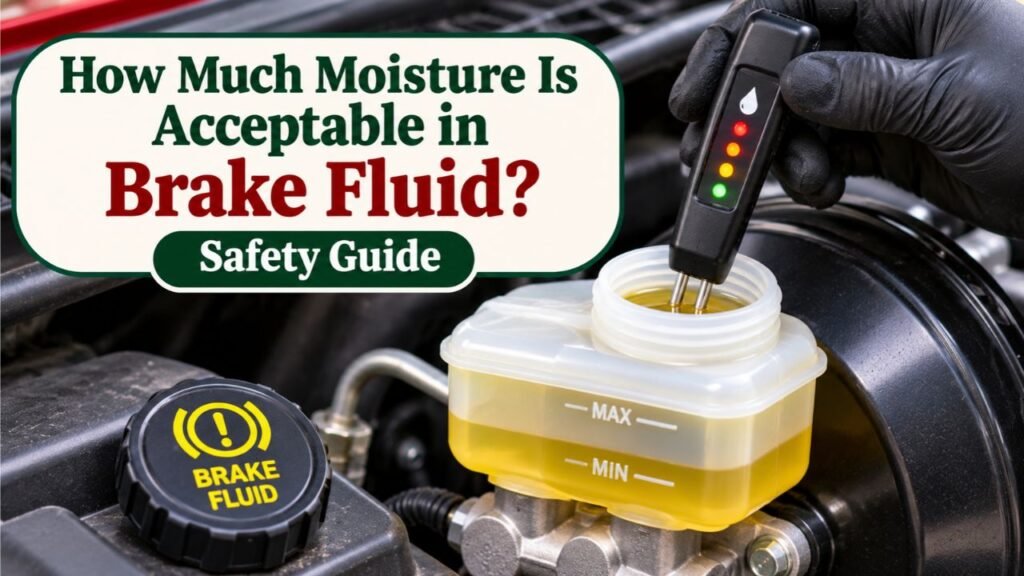
Many inexpensive testers have colored LED indicators.
They estimate moisture concentration from electrical conductivity.
The general process involves placing the clean test probe in brake fluid according to the device’s instructions.
However, opening the reservoir introduces a risk of contamination, so use only clean, dry equipment and minimize exposure.
Typical Tester Color Readings
| Tester Indicator | Common Meaning |
| Green | Low indicated moisture |
| Yellow | Caution or increased estimated moisture |
| Red | Excessive indicated moisture; replacement recommended |
The exact color ranges vary by tester.
Follow the instructions for the specific device.
How Accurate Are Cheap Brake Fluid Testers?
They are useful for preliminary screening but are not always reliable.
The electrical properties of brake fluid depend on its formulation, additives, and condition.
Two different glycol-based fluids may produce different conductivity readings at the same actual water concentration.
This can cause false warnings or false reassurance.
Do not rely on a cheap tester alone to overrule the vehicle’s service schedule.
Method 2: Brake Fluid Boiling-Point Tester
A professional boiling-point tester evaluates the temperature at which the sampled fluid boils.
This provides more direct information about resistance to vapor formation.
It can be useful when moisture readings are uncertain.
However, the equipment must be correctly operated and maintained.
Brake fluid and the testing equipment can become very hot, so this is best performed by a qualified technician.
Method 3: Laboratory Moisture Testing
Specialized laboratories can measure water content using methods such as Karl Fischer titration.
This provides a more direct analytical measurement of moisture.
However, laboratory analysis is usually unnecessary for routine passenger-vehicle maintenance.
It may be useful when investigating unusual fluid behavior or conflicting test results.
Can You Test Brake Fluid at Home?
A consumer moisture tester can provide a preliminary indication for an appropriately supported fluid.
However, it should not be treated as a complete brake-system safety inspection.
If the brake fluid is overdue or its condition is uncertain, a professional change may be more practical than repeatedly testing it.
Key Takeaway: Conductivity pens provide convenient estimates, while professional boiling-point testing offers a more direct assessment of fluid heat resistance.
How Often Should Brake Fluid Be Changed to Prevent Moisture Buildup?
Many manufacturers recommend replacing brake fluid approximately every two years, although the correct interval depends on the vehicle.
Some specify shorter or longer periods.
For example, certain vehicles use three-year intervals, while others specify different maintenance requirements.
The owner’s manual or official maintenance schedule should determine the service interval.
Why Time Matters More Than Mileage
Brake fluid can absorb moisture while the vehicle is parked.
A car driven only a few thousand miles each year can still need periodic fluid replacement.
A low mileage reading does not mean the brake fluid is fresh.
Is Every Two Years a Good General Rule?
For many vehicles, yes, but it is not universal.
Automotive supplier HELLA’s technical article on brake-fluid changing and maintenance recommends a general two-year interval while emphasizing the importance of the vehicle manufacturer’s instructions.
If the manufacturer’s service interval is shorter, follow that requirement.
If the manufacturer’s schedule differs, use the approved interval and any relevant condition-based instructions.
When Should Brake Fluid Be Replaced Early?
Earlier replacement or inspection may be needed when:
- A reliable test shows excessive moisture.
- The boiling point is below an applicable service limit.
- The fluid has been contaminated.
- The wrong fluid was added.
- Hydraulic repairs require fluid replacement.
- The braking system has suffered water or other contamination.
- Service history is unknown.
- The brake pedal behaves abnormally.
Should You Change Brake Fluid When Buying a Used Car?
If the maintenance history is unknown, have the braking system inspected.
A brake-fluid change may be sensible when there is no evidence of recent service.
Do not assume that clean-looking fluid means the service has already been performed.
Key Takeaway: Follow the manufacturer’s replacement interval even if a quick moisture test gives a low reading.
Is Brake Fluid Moisture Different for DOT 3, DOT 4, and DOT 5.1?
DOT 3, DOT 4, and DOT 5.1 are generally glycol-based fluids.
All can absorb moisture over time.
However, their boiling-point properties and formulations differ.
DOT 3 Brake Fluid
DOT 3 is commonly used in vehicles designed for conventional glycol-based hydraulic brake fluid.
Its minimum standardized dry and wet boiling points are lower than those of DOT 4 and DOT 5.1.
Moisture contamination reduces its boiling resistance.
DOT 4 Brake Fluid
DOT 4 generally offers a higher minimum boiling point than DOT 3.
Some DOT 4 products are formulated for enhanced high-temperature performance or low-temperature viscosity.
They still absorb moisture.
A higher initial boiling point does not eliminate the need for replacement.
DOT 5.1 Brake Fluid
DOT 5.1 is a non-silicone fluid used in certain applications requiring higher boiling-point and viscosity performance.
It is also hygroscopic.
Despite the similar number, DOT 5.1 is chemically different from silicone-based DOT 5.
What About DOT 5 Silicone Brake Fluid?
DOT 5 silicone brake fluid does not absorb moisture in the same way as glycol-based fluid.
However, water contamination can still cause problems.
Water may remain separate from the silicone fluid, potentially collecting in parts of the hydraulic system.
Therefore, typical conductivity-based moisture readings for glycol-based brake fluid should not be interpreted as universal DOT 5 maintenance guidance.
Do not mix DOT 5 silicone fluid with DOT 3, DOT 4, or DOT 5.1 unless an approved vehicle-specific procedure explicitly permits a conversion.
Use the specification required by the vehicle manufacturer.
Does DOT 4 Need Changing Less Often Than DOT 3?
Not necessarily.
Although DOT 4 has higher minimum standardized boiling points, its replacement interval depends on the actual fluid, vehicle, and manufacturer requirements.
The DOT classification alone does not establish how many years the fluid can remain in service.
Key Takeaway: DOT 3, DOT 4, and DOT 5.1 all require moisture-related maintenance. DOT 5 silicone fluid requires different considerations.
Can You Remove Moisture From Brake Fluid Without Flushing It?
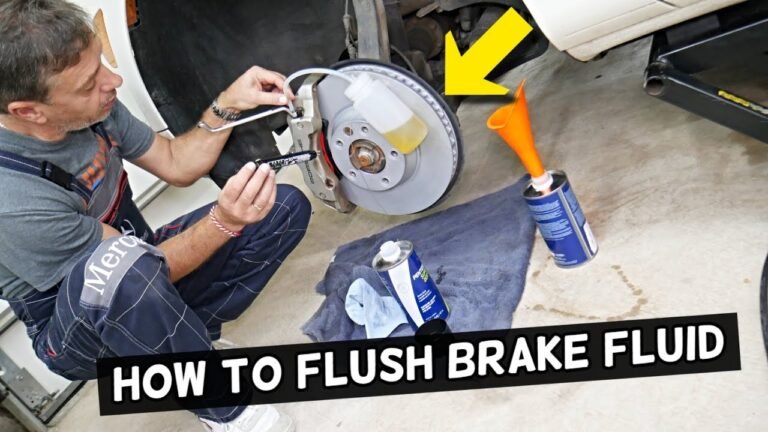
For ordinary vehicle maintenance, replacing contaminated brake fluid is the recommended solution rather than attempting to dry it in the braking system.
Adding new fluid to the reservoir does not remove all the old fluid in the hydraulic lines and components.
Can You Just Add Fresh Brake Fluid?
Adding fresh fluid may correct the fluid level when appropriate, but it does not replace a proper fluid exchange.
The older fluid remains in the system.
If the fluid is contaminated, topping it off is not an adequate solution.
Does Driving Remove Moisture?
No.
Driving the vehicle does not reliably remove absorbed water from glycol-based brake fluid.
Normal braking may generate heat, but it does not provide a safe method of drying the hydraulic system.
Can You Boil Moisture Out of Brake Fluid?
No practical vehicle-service procedure should involve heating brake fluid to remove water and then reusing it.
Brake fluid must maintain controlled chemical and physical properties.
Improvised heating introduces safety hazards and does not establish that the fluid is suitable for reuse.
Can You Use a Brake Fluid Additive?
Do not add water-removing chemicals, solvents, or other additives to the brake system.
Such materials may damage seals or interfere with hydraulic performance.
Use only approved brake fluid.
Why Is a Complete Fluid Exchange Better?
A proper brake-fluid exchange replaces old fluid throughout the relevant hydraulic system.
Depending on the vehicle, the procedure may involve specialized equipment and ABS-related service steps.
A qualified technician should follow the manufacturer’s bleeding sequence and equipment requirements.
Key Takeaway: Moisture-contaminated brake fluid should be replaced properly, not diluted, heated, or treated with additives.
Signs That Brake Fluid May Contain Too Much Moisture
Moisture contamination may produce no obvious symptoms until the brakes become hot.
Therefore, regular maintenance is more reliable than waiting for warning signs.
However, certain problems justify immediate inspection.
Spongy Brake Pedal
A soft or spongy pedal can indicate vapor or air in the hydraulic system.
It may also indicate other problems.
A significant change in pedal feel requires professional diagnosis.
Brake Pedal Travel Increases
If the pedal begins traveling farther than normal, the hydraulic system may not be functioning correctly.
Possible causes include leaks, air, or other brake-system faults.
Braking Performance Changes When Hot
If braking performance deteriorates during repeated heavy braking or long downhill driving, overheating or fluid-related problems may be involved.
Stop driving safely and arrange an inspection.
Brake Fluid Appears Contaminated
Dark, cloudy, or visibly contaminated brake fluid warrants attention.
However, color alone cannot measure water content.
Some fluid darkens for reasons unrelated to a particular moisture percentage.
Brake Warning Light Appears
A brake warning light can indicate low fluid, parking brake status, hydraulic problems, or other conditions depending on the vehicle.
It is not a specific moisture indicator.
Follow the vehicle’s warning instructions and investigate the cause.
Should You Drive With These Symptoms?
Do not continue driving if the pedal is unusually soft, sinks toward the floor, braking performance is reduced, or a serious brake-system malfunction is suspected.
Arrange appropriate assistance and professional inspection.
Key Takeaway: Brake-fluid moisture may not produce visible symptoms. Abnormal braking behavior should always be treated as a safety concern.
How to Prevent Excessive Moisture in Brake Fluid
Moisture absorption cannot be eliminated completely in normal glycol-based braking systems.
However, proper maintenance helps prevent excessive deterioration.
Follow the Replacement Schedule
Replace brake fluid at the interval specified by the vehicle manufacturer.
Do not wait for braking problems to appear.
Use Fresh Fluid From a Sealed Container
Choose the correct approved brake fluid.
Prefer a newly opened, properly sealed container.
Avoid using fluid that has been stored open or exposed to moisture.
Keep the Reservoir Properly Closed
Ensure the reservoir cap and seal are in good condition.
Do not leave the reservoir open unnecessarily.
Use Clean Service Equipment
Contaminated tools can introduce moisture, dirt, or incompatible fluids.
Brake-fluid servicing requires clean equipment and correct procedures.
Inspect Brake System Components
Have damaged hoses, leaking hydraulic components, and other brake-system problems repaired.
An otherwise fresh fluid change does not correct a mechanical or hydraulic fault.
Avoid Mixing Incompatible Fluids
Follow the manufacturer’s required brake-fluid specification.
Do not substitute silicone-based DOT 5 for glycol-based fluid without a specifically approved conversion procedure.
Keep Maintenance Records
Record the date and mileage of each brake-fluid change.
This makes future service decisions easier.
Key Takeaway: Fresh approved fluid, proper sealing, clean service procedures, and timely replacement are the best ways to control moisture-related brake-fluid problems.
Common Mistakes When Checking Brake Fluid Moisture
Assuming 3% Is a Universal Legal Limit
The commonly quoted 3% threshold is a workshop replacement guideline.
It is not a universal moisture limit established by the DOT brake-fluid standard for every in-service vehicle.
Ignoring the Manufacturer’s Replacement Interval
An indicated low moisture percentage does not cancel scheduled fluid replacement.
Follow the approved maintenance instructions.
Trusting a Cheap Tester Without Question
Some conductivity-based testers can misread different fluid formulations.
Use appropriate testing and professional confirmation when necessary.
Assuming Clean-Looking Brake Fluid Is Safe
Color alone is not a reliable measure of moisture or boiling-point performance.
Ignoring Abnormal Brake Pedal Feel
A soft pedal may result from serious hydraulic problems.
Do not dismiss it because the fluid tester shows a low moisture reading.
Mixing Different Brake Fluid Types
Using the wrong fluid can cause compatibility and performance problems.
Follow the vehicle’s required specification.
Adding Fluid Instead of Fixing a Leak
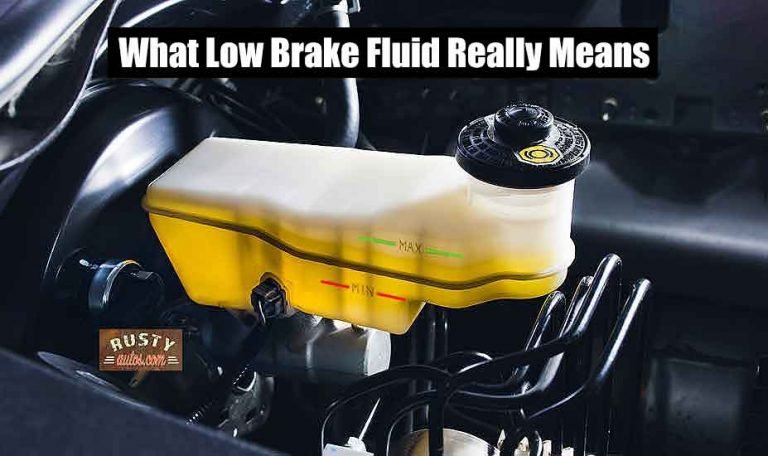
A low reservoir level may result from brake-pad wear or a hydraulic leak.
Repeatedly topping off the reservoir can conceal a dangerous problem.
Using Old Brake Fluid
Previously opened fluid can absorb moisture during storage.
Use properly stored, approved fluid.
Performing an Improper Brake Bleeding Procedure
Air left in the hydraulic system can reduce braking effectiveness.
Some ABS-equipped vehicles require specific bleeding procedures or diagnostic equipment.
A professional brake-fluid exchange is the safer choice when the correct procedure is uncertain.
Key Takeaway: A moisture percentage is only one part of a brake-fluid safety assessment. Use reliable testing, service history, and the manufacturer’s instructions together.
When Should You Replace Brake Fluid Based on Moisture?
Use the following decision guide as a practical starting point.
| Situation | Recommended Action |
| Reading under 2%, service not due, no symptoms | Continue routine maintenance |
| Reading around 2%, service approaching | Schedule assessment or replacement |
| Reading between 2% and 3% | Plan replacement soon and assess fluid condition |
| Reading around 3% or higher | Arrange prompt professional replacement |
| Tester reading conflicts with service history | Confirm with an appropriate test or professional inspection |
| Manufacturer’s replacement interval has passed | Replace according to schedule |
| Fluid is visibly contaminated | Arrange professional service |
| Brake pedal is soft or braking is impaired | Stop driving safely and arrange professional assistance |
This guide does not establish that a vehicle is safe to drive solely because of a particular moisture reading.
The entire braking system must operate correctly.
Conclusion
So, how much moisture is acceptable in brake fluid?
For glycol-based DOT 3, DOT 4, and DOT 5.1 fluids, readings below 2% are commonly considered acceptable on screening testers.
A reading between 2% and 3% generally indicates that the fluid needs attention and replacement should be planned.
At approximately 3% or higher, replacement is widely recommended.
However, these percentages are not universal regulatory limits.
The vehicle manufacturer’s maintenance schedule, the actual boiling point, and the condition of the hydraulic system remain important.
Moisture lowers brake fluid’s boiling point and can contribute to internal corrosion. Under demanding braking conditions, excessive moisture can increase the risk of vapor formation and reduced braking effectiveness.
Inexpensive tester pens are useful for preliminary checks, but their readings can be inaccurate with different fluid formulations.
For uncertain results, professional boiling-point testing or brake-system service may be appropriate.
Most importantly, follow the manufacturer’s scheduled replacement interval even if the fluid appears clean or a tester displays a low moisture percentage.
Keeping the brake fluid fresh and using the correct specification helps protect braking reliability and expensive hydraulic components.
FAQs About How Much Moisture Is Acceptable in Brake Fluid
Is 1% Moisture in Brake Fluid Bad?
A 1% moisture reading is generally considered low for glycol-based brake fluid. It is normally within the acceptable range of common electronic testers. However, the reading does not prove that the fluid is new or that every part of the braking system is in good condition. Follow the manufacturer’s replacement schedule.
Is 2% Moisture in Brake Fluid Safe?
Approximately 2% moisture is often treated as the beginning of a caution range. It does not automatically indicate brake failure, but the fluid should be assessed alongside its age, boiling point, and service history. If the replacement interval is approaching, scheduling a change is sensible.
Is 3% Moisture Too Much for Brake Fluid?
Yes. Approximately 3% moisture is a common replacement trigger for glycol-based brake fluid. At this level, the boiling point may be substantially reduced. Arrange prompt professional replacement, particularly if the fluid is old or has been exposed to demanding operating conditions.
What Happens at 4% Moisture in Brake Fluid?
An indicated 4% moisture concentration is a serious warning of fluid deterioration. It can be associated with a substantially reduced boiling point and greater corrosion risk. Have the system professionally assessed and the fluid replaced promptly. Do not continue driving if braking performance is abnormal.
How Much Moisture Does Brake Fluid Absorb Per Year?
There is no reliable universal percentage for every vehicle. Moisture absorption depends on fluid formulation, humidity, brake hoses, reservoir design, system condition, and storage. Some systems accumulate water faster than others. Follow scheduled replacement intervals rather than estimating moisture solely from the fluid’s age.
Can a Brake Fluid Tester Give a Wrong Reading?
Yes. Inexpensive conductivity-based testers may produce inaccurate results because different brake-fluid formulations have different electrical characteristics. Professional boiling-point testing can provide more direct information about thermal performance. Laboratory methods can measure moisture more precisely when necessary.
Does DOT 4 Brake Fluid Absorb Water?
Yes. DOT 4 is generally glycol-based and hygroscopic, meaning it absorbs moisture over time. Although it has higher minimum standardized boiling points than DOT 3, it still requires periodic replacement according to the vehicle manufacturer’s instructions.
Can You Drive With 3% Moisture in Brake Fluid?
A 3% reading is a common indication that replacement is due. It does not prove immediate brake failure, but it also cannot establish that driving is safe. Arrange prompt professional service. If the brake pedal feels soft, braking performance is reduced, or a serious fault is suspected, do not continue driving; arrange professional assistance.