Can You Put Brake Grease on Rotors: Clear Answers and Key Facts
No, you should never put brake grease on rotors. Brake grease is a lubricant designed for moving parts like caliper pins and pad backing plates, while rotors require maximum friction to stop your vehicle. Applying grease to the rotor surface will severely compromise braking performance and create a dangerous safety hazard.
This article explains exactly why grease and rotors do not mix, what happens if grease gets on the rotor, how to properly remove it, and where grease should actually be applied during brake work. By the end, you will know how to identify contamination, correct a mistake safely, and protect your braking system from failure.
Why Grease and Rotors Are a Dangerous Combination
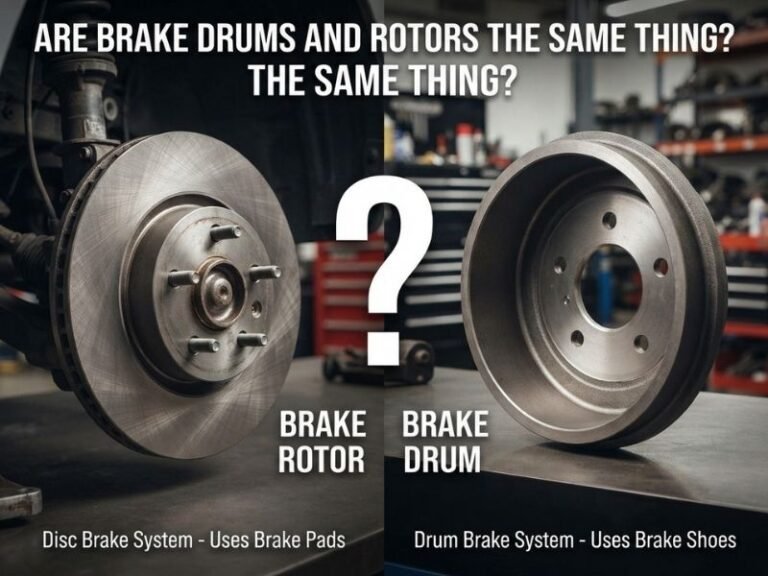
Braking works through friction. When you press the brake pedal, the caliper squeezes the brake pads against the rotor. That friction converts kinetic energy into heat, which slows your wheels.
For this system to work, the rotor surface must be clean, dry, and free of any lubricant.
Grease is engineered to reduce friction. When applied to a rotor, it creates a slippery film that prevents the brake pads from gripping properly. The result is a significantly longer stopping distance, reduced pedal feel, and potentially complete brake failure in an emergency.
The rotor surface is precisely machined to provide consistent contact with the pad. Even a thin layer of grease disrupts that contact patch, causing uneven wear, vibration, and heat buildup in localized spots. Over time, this can warp the rotor or glaze the pads, requiring expensive replacements.
What Happens When Grease Gets on Rotors
If grease accidentally contacts your rotor, several immediate and long-term issues can arise. Understanding these consequences helps you recognize the urgency of the situation.
Immediate Effects on Braking Performance
The first thing you will notice is a soft or spongy brake pedal. The vehicle may pull to one side when braking because one rotor has less friction than the other. You might also hear a squealing or grinding noise as the pads struggle to make consistent contact.
Stopping distance increases dramatically. In a panic stop, this added distance could mean the difference between a near-miss and a collision. The vehicle may also feel unstable under hard braking because the anti-lock braking system (ABS) may activate prematurely due to inconsistent wheel speeds.
Long-Term Damage to Components
Grease does not simply burn off cleanly. When heated, it can carbonize and leave behind a sticky residue that is difficult to remove. This residue can contaminate the brake pads, which are porous and absorb the grease deep into their material.
Once pads are contaminated, they cannot be effectively cleaned. The grease soaks into the friction material and will continue to cause poor braking even if the rotor is cleaned. Contaminated pads must be replaced, not repaired.
The rotor itself may also be permanently damaged. Heat from braking can bake the grease into the metal surface, creating a glazed layer that resists friction. Resurfacing the rotor may be necessary, but in severe cases, replacement is the only safe option.
How to Remove Grease from a Rotor
If you discover grease on a rotor, you need to act quickly. The correct cleaning method depends on whether the grease is fresh or has already been heated by braking.
Cleaning Fresh Grease
For fresh grease that has not been exposed to high heat, a dedicated brake parts cleaner is your best option. This solvent is specifically formulated to dissolve grease and oil without leaving a residue.
Spray the rotor liberally with brake cleaner and wipe it off with a clean, lint-free cloth. Repeat the process until the surface is completely clean. Then, spray it one final time and allow it to air dry completely before reassembling the brake components.
Dealing with Baked-On Grease
If the grease has been heated, cleaning becomes more complicated. Brake cleaner alone may not be sufficient. You may need to use a fine abrasive pad, such as a Scotch-Brite pad, to gently scrub the rotor surface after applying the cleaner.
For heavily contaminated rotors, professional resurfacing is the safest option. A brake lathe removes a thin layer of metal from the rotor surface, eliminating any embedded grease or glazing. This restores the rotor to a smooth, friction-ready condition.
When Replacement Is Necessary
If the rotor is deeply scored, warped, or has been contaminated for an extended period, replacement is the most reliable choice. New rotors are not expensive compared to the cost of an accident caused by brake failure.
Similarly, any brake pads that came into contact with grease must be replaced. Attempting to sand or clean contaminated pads is not recommended because the grease penetrates the friction material and will resurface under heat.
Where Brake Grease Should Be Applied
Brake grease has a specific purpose in the braking system, but it is never meant for the friction surfaces. Knowing where to apply it ensures proper function and prevents accidental contamination.
Caliper Slide Pins
The caliper slide pins allow the caliper to move freely when you press the brake pedal. These pins need a thin layer of high-temperature brake grease to prevent corrosion and ensure even pad wear.
Apply a small amount of silicone-based brake grease to the pins before inserting them into their boots. Avoid over-greasing, as excess grease can attract dirt and eventually work its way onto the rotor.
Pad Backing Plates
The backing plate of a brake pad is the metal part that sits against the caliper piston. Applying a thin layer of grease here prevents squealing and allows the pad to shift slightly for even contact with the rotor.
It is critical to keep this grease away from the friction material on the front of the pad. Even a small amount on the pad face will cause the same problems as grease on the rotor.
Hardware and Contact Points
Brake hardware, such as clips and shims, also benefits from a light coating of grease. These components help hold the pads in place and reduce vibration. Use only products specifically labeled for brake applications, as general-purpose grease may not withstand the high temperatures generated during braking.
Types of Brake Grease and Their Uses
Not all brake greases are the same. Using the wrong type can lead to component failure or contamination issues.
Silicone-Based Grease
Silicone brake grease is the most versatile option. It is compatible with rubber and plastic components, making it ideal for caliper boots and slide pins. It also resists water and does not break down at high temperatures.
Synthetic Grease
Synthetic brake greases offer excellent high-temperature performance and are often used in performance or heavy-duty applications. They provide long-lasting lubrication and resist washout from water and road salt.
Copper or Ceramic Anti-Seize
Anti-seize compounds are sometimes used on brake components to prevent corrosion. However, they should be used sparingly and only on specific parts like the back of the pad or caliper mounting points. They are not a substitute for proper brake grease and should never be applied to rotors.
Signs That Grease Has Contaminated Your Brakes
Recognizing the signs of grease contamination early can prevent a dangerous situation. If you experience any of the following after brake work, inspect your rotors immediately.
Reduced Braking Power
The most obvious sign is that your vehicle takes longer to stop. If the brake pedal feels different or the car does not respond as quickly as it should, grease may be the culprit.
Pulling to One Side
If one rotor is greasy and the other is clean, the vehicle will pull toward the side with better braking. This uneven braking is dangerous and requires immediate attention.
Unusual Noises
Squealing, grinding, or chattering sounds during braking can indicate contamination. The grease may cause the pads to vibrate or skip across the rotor surface.
Visible Residue
If you can see a shiny or oily film on the rotor, it is contaminated. A clean rotor should have a dull, machined appearance with no visible residue.
FAQ
Can a small amount of grease on a rotor burn
No, a small amount of grease does not burn off cleanly. It leaves a residue that contaminates the pads and reduces braking performance. Even a thin film is enough to cause a noticeable difference in stopping power.
Will brake cleaner remove grease from rotors?
Yes, brake cleaner is effective for removing fresh grease from rotors. Spray the surface thoroughly, wipe it clean, and allow it to dry completely before reassembling the brakes. Baked-on grease may require abrasive cleaning or resurfacing.
Can you put brake grease on rotors to stop squealing?
No, putting brake grease on rotors to stop squealing is extremely dangerous. Squealing is usually caused by pad vibration or wear, which should be addressed with proper lubrication on backing plates or by replacing worn components. Grease on the rotor will only create a more serious problem.
How do I know if my brake pads are contaminated
Contaminated pads often appear darker or shinier than normal, and they may have a visible oily sheen. If you suspect contamination, replace the pads rather than trying to clean them, because the grease penetrates the friction material.
What should I do if I accidentally get grease
Stop driving immediately and clean the rotor with brake cleaner. If the grease has been heated or the pads have made contact with it, replace the pads and either resurface or replace the rotor. Do not take chances with brake performance.
Is it safe to drive after cleaning grease off
It is safe only if the rotor is completely clean and the pads were not contaminated. If the pads touched the greasy rotor, they must be replaced. After cleaning, test the brakes at low speed in a safe area before normal driving.
Conclusion
Putting brake grease on rotors is never acceptable and creates a serious safety risk. The rotor surface depends on friction to stop your vehicle, and any lubricant destroys that essential function. If grease accidentally gets on a rotor, clean it immediately with brake cleaner and inspect the pads for contamination.
When in doubt, replace the affected components because brake failure is not worth the cost savings. Always apply grease only to the designated moving parts, such as caliper pins and pad backing plates, and keep it far away from the friction surfaces. Your safety depends on clean, dry rotors and properly functioning brake components.