Is It Normal for New Brake Pads to Squeak: Explained Clearly
Yes, it is normal for new brake pads to squeak during the first few hundred miles of driving. This article explains why the noise happens, when it signals a real problem, and what you can do about it.
New brake pads often make noise as they go through a process called “bedding-in.” During this period, the pad material transfers an even layer onto the rotor surface. Until that transfer is complete, you may hear a high-pitched squeal during light to moderate braking. In most cases, the sound fades as the pads wear in.
However, there are specific situations where a squeak is not part of the normal break-in period and requires attention.
Two Contrasting Cases
Imagine two drivers who just installed the same brand of ceramic brake pads. The first driver hears a faint squeak when stopping gently in stop-and-go traffic. The noise disappears when they press the pedal harder.
After about 150 miles of mixed city and highway driving, the squeak is gone entirely. This driver experienced a normal bedding-in process.
The second driver hears a loud, constant squeal every time they touch the brakes, even after 500 miles. The noise is accompanied by a vibration in the pedal and a visible groove on the rotor surface. This driver has a problem that will not resolve on its own.
The difference between these two outcomes often comes down to installation quality, rotor condition, and pad material.
The key detail that changes the final decision is whether the noise is fading over time and whether it occurs only at specific braking pressures. A squeak that is intermittent and decreasing in frequency is usually harmless. A squeak that is persistent, loud, or worsening points to a mechanical issue that needs inspection.
Why New Brake Pads Squeak During Normal Operation
The Bedding-In Process
Brake pads do not achieve full stopping power the moment they are installed. The friction material must mate with the rotor surface. When you press the brake pedal, microscopic particles of the pad transfer onto the rotor.
This creates an even friction layer. Until this layer forms, the pad can vibrate against the rotor at high frequencies, producing a squeak.
This process typically takes between 100 and 300 miles of normal driving. The noise is often more noticeable in cooler temperatures or when the brakes are not fully warmed up. As the transfer layer becomes uniform, the vibration dampens and the squeak stops.
Pad Material Composition
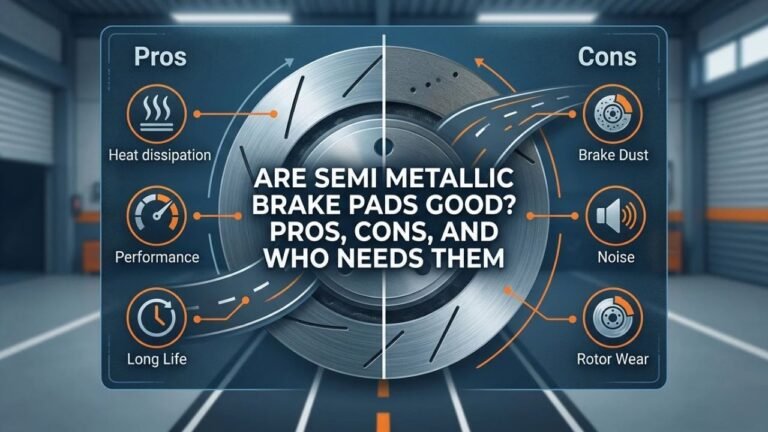
The type of friction material affects how much noise a new pad makes. Semi-metallic pads contain metal fibers that can create more vibration and noise during break-in. Ceramic pads are generally quieter but can still squeak if the rotor surface is not properly prepared.
Organic pads tend to be soft and quiet but wear faster.
If you switched from one pad material to another, the break-in period may be longer. For example, moving from semi-metallic to ceramic pads requires the new material to establish its own transfer layer on the rotors. This can cause temporary noise that lasts longer than a same-material replacement.
Rotor Surface Condition
New brake pads do not automatically fix old rotors. If the rotors have existing grooves, rust, or glazing, the new pads will not seat properly. The pad may only contact the high spots on the rotor, causing uneven pressure and squealing.
In many cases, resurfacing or replacing the rotors is necessary when installing new pads.
Even new rotors can cause noise if they are not cleaned before installation. Many rotors come with a protective oil coating to prevent rust during shipping. If this coating is not removed with brake cleaner, the pads will skid on the surface and produce a loud squeal until the oil burns off.
Environmental Factors
Moisture and humidity can cause a thin layer of rust to form on the rotor surface overnight. When you first apply the brakes in the morning, the pads scrape against this rust, creating a squeak. This noise usually lasts only a few stops until the rust is worn away.
Cold weather can also amplify brake noise. The pad material becomes slightly harder at lower temperatures, increasing the likelihood of vibration. This is not a defect and does not affect braking performance.
When a Squeak Is Not Normal
Glazed Pads
If you brake hard and come to a complete stop repeatedly during the first few drives, you can overheat the pad surface. This causes the friction material to become hard and shiny, a condition called glazing. Glazed pads lose stopping power and produce a constant squeal that does not fade with mileage.
Glazing is more common with aggressive driving or heavy towing immediately after installation. If you suspect glazing, the pads may need to be removed and sanded, or replaced entirely. In some cases, a professional can re-bed the pads by performing a controlled series of hard stops.
Foreign Objects or Debris
A small stone, piece of gravel, or metal shaving can become lodged between the pad and the rotor. This creates a scraping or squealing sound that is present every time the wheel rotates, not just when braking. If you hear a noise that changes with wheel speed, inspect the brake area for debris.
Do not attempt to remove a foreign object while the wheel is hot. Allow the brakes to cool completely, then inspect the area. If you cannot see or safely remove the object, have a mechanic handle it.
Worn or Damaged Hardware
Brake pads sit on metal clips called abutment clips. These clips hold the pad in place and allow it to slide slightly as it contacts the rotor. If the clips are missing, bent, or rusted, the pad can vibrate against the caliper bracket, producing a squeak that does not go away.
New pads should always be installed with new hardware. Many pad sets include replacement clips, but some do not. If your installer reused old clips, the pads may not seat correctly.
This is a common cause of persistent squeaking after a brake job.
Caliper Issues
A sticking caliper can cause the pad to remain in contact with the rotor even when you release the brake pedal. This creates constant friction, heat, and noise. You may also notice a burning smell, reduced fuel economy, or a pull to one side when driving.
If the caliper slide pins are dry or corroded, the caliper cannot release properly. This requires lubrication or replacement of the slide pins. A seized caliper piston is a more serious issue that may require caliper replacement.
Pad Sensor Contact
Many modern brake pads have a metal wear indicator, sometimes called a squealer clip. This is a small metal tab that contacts the rotor when the pad is worn down to a certain thickness. If you hear a high-pitched squeal that starts immediately after installation, the wear indicator may be touching the rotor because the pad is already too thin.
This can happen if the old pads were worn down to the metal and the rotor surface is heavily scored. The new pad may sit at an angle, causing the wear indicator to make contact prematurely. Proper rotor resurfacing or replacement usually resolves this issue.
How to Handle Normal Break-In Squeak
Perform the Bedding Procedure
Most brake pad manufacturers recommend a specific bedding procedure to ensure proper pad transfer. This typically involves a series of moderate to firm stops from highway speed without coming to a complete stop. The goal is to heat the pads evenly without locking the wheels.
A common procedure is to accelerate to about 45 mph and brake firmly down to about 10 mph, then repeat this 8 to 10 times. After the last stop, drive for a few minutes without braking to allow the brakes to cool. This helps create an even transfer layer and reduces the likelihood of future noise.
Give It Time
If the squeak is mild and intermittent, the simplest solution is patience. Continue normal driving for 200 to 300 miles. Avoid hard braking unless necessary.
Most new pads will quiet down on their own as the friction material wears in.
Check for Easy Fixes
If the squeak persists after 300 miles, inspect the brake area for obvious issues. Look for debris, check that the pads are seated evenly, and verify that the rotor surface is smooth. If you see deep grooves or scoring, the rotors may need attention.
When to See a Professional
You should have the brakes inspected if any of the following conditions are present:
- The squeak is loud and constant, not fading after 300 miles
- You feel a vibration or pulsation in the brake pedal
- The vehicle pulls to one side when braking
- You notice a burning smell or see smoke from the wheel area
- The noise is accompanied by a grinding sound
- Braking distance has increased noticeably
These symptoms indicate a problem that will not resolve with break-in. Continuing to drive with a mechanical issue can damage the rotors, calipers, or wheel bearings. A professional inspection is the safest course of action.
Practical Steps to Prevent Future Squeak
Choose Quality Parts
Not all brake pads are created equal. Low-cost pads may use harder friction materials that are more prone to noise. Choose pads from a reputable brand that matches your driving style.
If you prioritize quiet operation, ceramic pads are generally the best choice for daily driving.
Replace or Resurface Rotors
If your rotors are worn, scored, or below the minimum thickness specification, new pads will not solve the problem. Replacing or resurfacing the rotors ensures a smooth, flat surface for the pads to grip. This is the single most effective way to prevent brake noise after installation.
Use Proper Lubrication
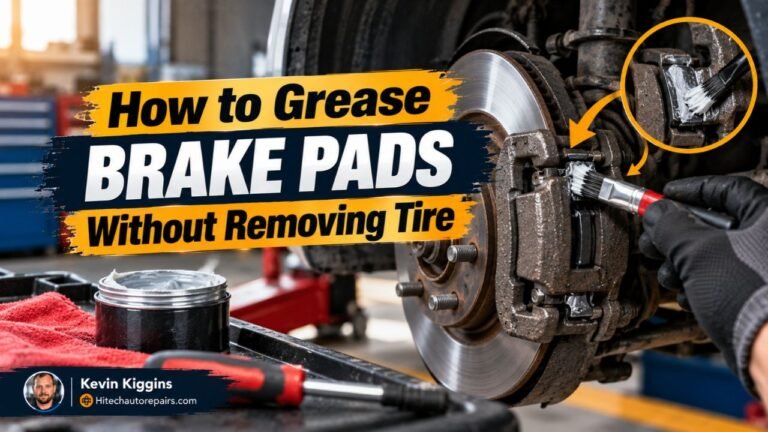
Brake components require specific high-temperature lubricants. Apply a thin coat of brake grease to the abutment clips, caliper slide pins, and the back of the pads where they contact the caliper. Do not get grease on the friction surface of the pad or the rotor.
Follow a Break-In Procedure
Take the time to bed in your new brakes properly. This simple step can prevent glazing, ensure even pad transfer, and reduce the chance of persistent squeaking. The procedure takes less than 15 minutes and pays off in quieter, more effective braking.
Conclusion
New brake pads often squeak during the first few hundred miles, and this is usually a normal part of the bedding-in process. The noise typically fades as the friction material transfers evenly onto the rotor surface. However, a squeak that is loud, constant, or accompanied by vibration, pulling, or reduced braking performance is not normal and requires professional inspection.
If the noise does not diminish after 300 miles of normal driving, have a mechanic check the pads, rotors, and hardware. Taking the time to bed in your brakes properly and ensuring clean, smooth rotors will give you the best chance of quiet, reliable braking for the life of the pads.