Why Are My Brakes Squeaking After New Pads? Causes and Fixes
New brake pads can squeak for a short time while they bed against the rotors, but persistent noise can also come from old rotor surfaces, dry or loose hardware, glazed friction material, contamination, a sticking caliper, or the pad compound itself. Light temporary squeal may be normal; grinding, pulling, overheating, or weak braking is not.
A new pad does not automatically create a perfectly quiet brake. The pad and rotor must contact each other evenly, and any rust, grooves, deposits, worn clips, or uneven rotor surface left behind during service can make the new friction material vibrate.
The benefit of finding the cause early is simple: you avoid replacing good pads again when the real problem is the rotor, hardware, caliper movement, or installation. You also reduce the chance that a dragging brake will overheat a new pad and damage the rotor.
FMCSA’s 2021 crash-facts summary, based on NHTSA FARS data, reports that vehicle-related factors were coded for 2% of passenger vehicles involved in fatal crashes. Brake-system faults were among the factors tracked. That figure does not mean a squeak predicts a crash, but it is a solid reason to treat persistent brake changes as something to inspect rather than ignore.
If you are asking why are my brakes squeaking after new pads, the first thing I would separate is temporary bedding noise from a mechanical problem. A 2025 brake-noise bulletin filed with NHTSA lists improper bedding, debris, rotor rust, rotor grooves, and chemical contamination among common noise causes after brake work.
What stood out to me during the research is that several brake makers point back to vibration and contact quality rather than blaming the new pad by itself. Wagner describes vibration as the main source of brake-system noise, while Brembo advises checking the surrounding brake parts instead of assuming a fresh pad or disc is defective.
The sections below show which noises are normal during break-in, which causes need correction, how to inspect the hardware and rotor, what not to spray on the brakes, and which warning signs mean the car should be checked before normal driving continues.
Why Are My Brakes Squeaking After New Pads?
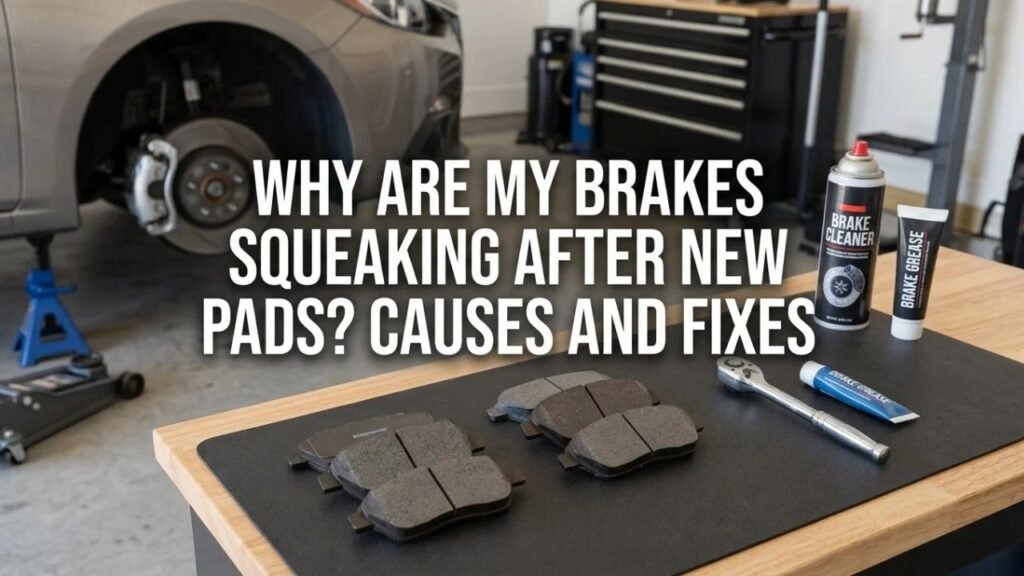
The most common causes are incomplete bedding, reused or damaged hardware, an old rotor surface, contamination, glazing, moisture, or a brake component that is not moving freely. The timing of the squeak often gives a useful clue.
The New Pads Have Not Bedded Into the Rotors
Bedding is the process that mates the new pad surfaces to the rotors and establishes a consistent friction layer on the disc.
PowerStop explains that its break-in process is intended to distribute an even layer of pad material across the rotor. If that layer develops unevenly, the brake may squeal, pulse, or vibrate.
A mild squeak soon after installation can fade as the pad faces settle against the rotor. Firestone also notes that new brakes may make temporary noise during the initial break-in period and that the sound should decrease rather than get worse.
Do not invent a generic bedding routine for every pad. Follow the vehicle maker or pad maker’s instructions because the number of stops, speeds, cooling periods, and temperature targets differ by product.
The Old Rotors Are Grooved, Rusted, or Uneven
Installing fresh pads on worn rotors can create uneven contact from the first stop.
A rotor may have grooves, a ridge near its edge, corrosion, pad deposits, or a surface shape that no longer matches the new pad face. The new pad then touches only part of the disc until wear changes the contact pattern.
Brembo recommends checking disc wear when pads are changed and cleaning the braking surface when deposits or dirt are present. Its brake-noise guidance also stresses inspection of the complete brake assembly rather than treating squeal as a pad-only fault.
A rotor should be measured and compared with the vehicle maker’s service limits. If it is too thin, cracked, heavily scored, or otherwise outside specification, new pads will not correct the disc problem.
Brake Hardware Is Loose, Worn, or Installed Incorrectly
Pad clips, shims, springs, guide pins, and caliper hardware keep the pad located and control vibration.
Old spring clips can lose tension after repeated heat cycles. A missing or bent clip can let the pad move enough to create a high-frequency squeal. PowerStop recommends replacing worn pad clips and notes that loose brake hardware can vibrate and create noise.
Wagner also recommends checking anti-rattle clips, springs, pins, and other hardware during noise diagnosis.
If the squeak began immediately after the pad replacement, hardware placement is one of the first items I would recheck.
The Pads or Rotors Became Glazed
Glazing happens when the friction surface becomes unusually smooth and hardened after excess heat.
Hard braking before the pads have seated correctly, repeated downhill braking, a dragging caliper, or holding very hot brakes in one spot can contribute to an uneven or glazed surface.
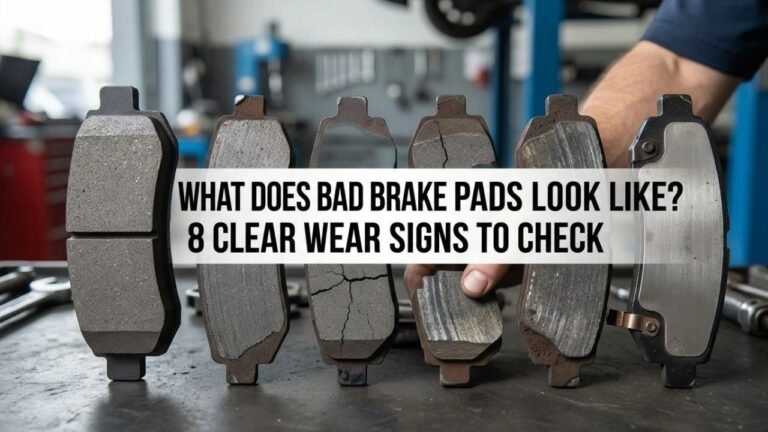
Glazed components may look shiny or glass-like and can produce squealing, vibration, a burning smell, or weaker brake response. Firestone lists these as common signs associated with glazed brakes.
Glazing needs diagnosis before more parts are installed. If a sticking caliper created the heat, replacing another set of pads without fixing the caliper can repeat the problem.
Oil, Grease, or Cleaner Contaminated a Friction Surface
The rotor face and pad friction material must stay free from oil and grease.
Aerosol lubricant, wheel dressing, tire cleaner, misplaced brake grease, or dirty hands can leave residue on the braking surface. A 2025 OEM brake-noise bulletin filed with NHTSA specifically lists chemical contamination on the disc as a possible noise source.
Do not spray WD-40, penetrating oil, silicone spray, or general-purpose lubricant at a squeaking brake. Lubricant belongs only at approved non-friction contact points specified for that brake design.
Moisture or Surface Rust Is Making a Temporary Noise
A light squeak during the first few stops after rain, washing, or overnight parking can come from a thin film of surface rust.
Firestone and NAPA both describe moisture-related rotor rust as a temporary source of squeal that often disappears once normal braking cleans the surface.
If the noise goes away quickly and braking feels normal, the cause may be harmless surface moisture. Noise that continues after the rotors are clean and warm needs another explanation.
The Brake Pad Compound Is Naturally Noisier
Pad material changes noise behavior.
Some harder or more performance-focused compounds can produce more sound under light braking or at low temperature. The pad may still be functioning as intended if the noise pattern matches the product and no mechanical fault is present.
Do not change compounds solely from one brief squeak. First rule out poor bedding, rotor condition, contamination, hardware, and caliper drag.
Key Takeaway: New-pad squeal often comes from bedding, rotor condition, hardware, heat, contamination, or pad material; the new friction block itself is only one part of the system.
Is Squeaking Normal After Installing New Brake Pads?
Some squeaking can be normal during the first period of use, but the sound should be mild, temporary, and paired with normal braking feel.
When New-Pad Squeak Can Be Normal
A short-lived squeal at low speed can occur while fresh pads establish full contact with the rotors.
Firestone states that temporary squeaking may occur during break-in and may take several miles of real-world driving to fade. Moisture and light surface rust can also create brief morning noise.
A normal pattern usually looks like this:
- The noise is light rather than harsh.
- Braking force feels normal.
- There is no pulling or strong vibration.
- No burning smell comes from a wheel.
- The squeak becomes less frequent with use.
Follow the pad maker’s bedding directions instead of trying to force the noise away with repeated hard stops.
When the Noise Is Not Normal
Persistent or worsening squeal after the bedding period deserves inspection.
Noise paired with a pedal pulse can point toward uneven rotor deposits or disc runout. Pulling can point toward uneven braking force. A burning smell or one very hot wheel raises concern about a dragging caliper or pad.
Grinding is a different sound and should not be dismissed as new-pad break-in. If grinding started immediately after brake work, inspect installation, rotor condition, shields, hardware, and caliper parts before driving farther than safety requires.
Key Takeaway: Mild squeak that fades can be part of bedding; persistent noise, grinding, pulling, heat, vibration, or weaker braking needs inspection.
How to Stop New Brake Pads From Squeaking
The fix should match the cause. Adding grease blindly or replacing the pads again may leave the real fault untouched.
Confirm the Bedding Procedure
Check the instructions supplied with the pad or brake kit.
Some pads call for a series of controlled stops followed by a cooling period. Others use a different process. The goal is stable contact and an even friction layer on the rotor, not simply getting the brakes as hot as possible.
PowerStop links poor break-in with uneven friction deposits, squeal, pedal pulse, and vehicle vibration.
If the pads were never bedded, follow the maker’s procedure if the parts are still in suitable condition. If the surfaces are already badly glazed or uneven, an inspection may be needed before repeating the process.
Inspect Clips, Shims, Pins, and Pad Fit
Remove the wheel only with proper lifting and support procedures, then inspect the brake assembly using the vehicle service information.
Check that clips and shims are present, seated in the correct positions, and not rubbing the rotor. Verify that the pads move correctly in their guides and that the caliper slides are free where the design uses sliding pins.
Do not reuse damaged hardware simply because it still fits. Spring clips that have lost tension may let the pads vibrate.
Lubricate Only Approved Contact Points
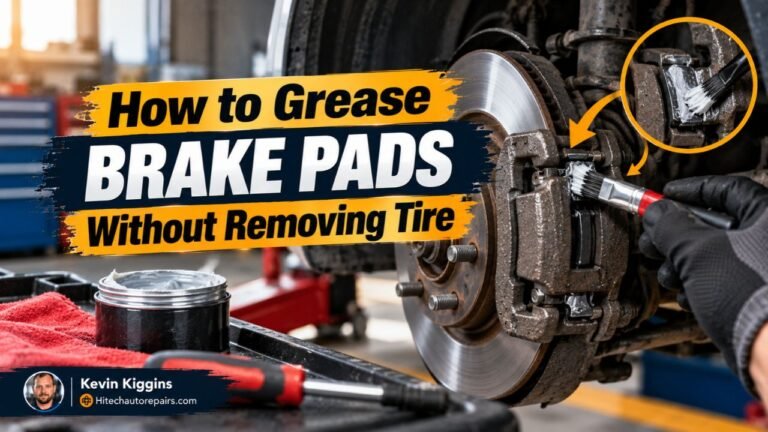
Brake grease is used at selected metal contact and sliding points, not on the rotor or pad friction face.
The exact locations change by brake design. Some systems call for lubricant at pad ears, guide pins, or certain backing-plate contact areas; some coated shims or pads require no grease in places where older designs did.
Use a brake-specific lubricant that is compatible with the rubber and materials in the caliper. Follow the service manual or pad instructions rather than copying a universal grease pattern.
Check Rotor Condition
Look for deep scoring, heavy rust, heat marks, visible deposits, and an uneven contact pattern.
Measure rotor thickness and runout if the service procedure calls for it. A new pad pressed against a disc outside specification can continue to make noise regardless of pad quality.
Wagner recommends checking rotor condition, hub cleanliness, runout, and brake hardware during squeal diagnosis.
Remove Contamination Correctly
If a rotor has an oily film or chemical residue, stop and identify the contaminant.
Use only cleaning methods approved for brake components. If pad friction material has absorbed oil or grease, replacing the contaminated pads may be safer than trying to wash the material out.
Do not sand or clean a pad simply to save it unless the pad maker’s instructions support that procedure.
Check for a Sticking Caliper
A caliper that does not release can hold the new pad against the rotor and generate constant heat.
Clues include:
- One wheel much hotter than the opposite side
- A burning smell after a short drive
- Fast or uneven pad wear
- Pulling during braking
- A wheel that does not rotate freely when inspected correctly
- Heat discoloration on the rotor
A sticking piston, seized guide pin, corroded pad support, or hydraulic restriction can all create drag. Correct the mechanical cause before fitting another pad set.
Key Takeaway: Stop new-pad squeal by checking bedding, hardware, approved lubrication points, rotor condition, contamination, and caliper movement in that order rather than replacing parts at random.
What the Squeak Pattern Can Tell You
The exact moment the brake squeaks can narrow the list of likely causes.
Squeak Only at Low Speed
Low-speed light braking can make pad vibration easier to hear.
If the brakes are quiet under firmer pedal pressure but squeal during gentle parking-lot stops, bedding, pad compound, shims, hardware, or rotor surface condition are strong possibilities.
A low-speed squeak is not proof that something is broken. It still deserves inspection if it continues or began right after a repair.
Squeak Only in the Morning or After Rain
This pattern commonly points toward moisture and light rotor rust.
A few normal stops may clean the rotor and make the sound disappear. Firestone describes this as a common temporary condition after rain, humidity, or overnight condensation.
If the sound remains after the brakes warm and dry, inspect for another cause.
Squeak While Driving Without Pressing the Pedal
Noise with the pedal released is more suspicious for brake drag, a shield touching the rotor, trapped debris, or hardware contact.
A pad that stays lightly applied can overheat and wear quickly. Compare wheel temperatures and inspect caliper release rather than assuming the new compound is noisy.
Squeak in Reverse
A squeak that appears mainly during reverse can come from the pad shifting against hardware, light rotor rust, or a change in contact direction.
NAPA notes that rust and debris around the pad and rotor can contribute to reverse squeal.
If the sound is sharp and repeatable after new pad installation, recheck clips, shims, pad fit, and rotor condition.
Key Takeaway: Low-speed noise often points to vibration or compound behavior, morning noise often points to moisture, and pedal-off noise raises more concern about drag or contact.
When Should New Squeaking Brakes Be Inspected?
Arrange an inspection if the noise persists beyond the normal bedding period, becomes louder, or appears with another change in braking behavior.
Get the brakes checked promptly if you notice grinding, pulling, a soft or sinking pedal, heavy vibration, a burning smell, smoke, brake-fluid leakage, a warning light with abnormal braking, or one wheel that becomes much hotter than its mate.
A faint squeak with normal pedal feel is less urgent than grinding or overheating, but it still should not be ignored indefinitely after a recent brake job. If a shop installed the pads, return while the service details are still fresh and ask for the installation, rotor surfaces, hardware, and caliper movement to be rechecked.
Do not try to silence a brake by spraying lubricant through the wheel. Quieting the sound is not the same as correcting the cause.
Conclusion
If you are asking why are my brakes squeaking after new pads, the answer is usually one of a small group of causes: normal bedding, uneven rotor contact, worn or misplaced hardware, glazing, contamination, moisture, pad material, or a caliper that is not releasing correctly.
Start with the timing of the noise. A light squeak that fades after bedding or after the first few wet-morning stops is very different from constant squealing, grinding, pulling, vibration, or heat at one wheel.
I would first confirm the pad maker’s bedding procedure, then inspect the rotors and hardware before blaming the new pads. If the brake drags, smells hot, grinds, or changes pedal feel, stop treating it as a noise-only issue and have the system checked before normal driving continues.
FAQs About New Brake Pads Squeaking
How long should new brake pads squeak?
There is no fixed number of miles for every pad. A mild break-in squeak may fade after several miles or a few days of normal use. The pad maker’s bedding instructions matter more than a universal mileage target. If the noise stays the same, grows louder, or comes with vibration, heat, pulling, or weak braking, inspect the system.
Do new brake pads need time to bed in?
Yes. New pads need to establish even contact with the rotor and, on many systems, create a stable transfer layer of friction material. Follow the procedure supplied by the pad or vehicle maker. Too much heat too soon can create glazing or uneven deposits rather than a clean bedding pattern.
Can old rotors make new brake pads squeak?
Yes. Grooves, corrosion, old pad deposits, heat spots, excessive runout, or an uneven rotor surface can make fresh pads contact the disc unevenly. Check rotor thickness and condition against the vehicle’s service limits instead of assuming every old rotor can be paired with new pads.
Will brake grease stop new pads from squeaking?
Brake grease may reduce noise caused by dry approved contact points, but it is not a cure for every squeak. Grease must stay off the rotor face and pad friction material. Use only brake-specific lubricant at the exact locations stated by the vehicle or pad maker.
Why do my new brakes squeak only at low speeds?
Light braking at low speed can make pad vibration more noticeable. Bedding, pad compound, hardware tension, shim placement, rotor condition, or light contamination may be involved. If braking remains strong and the noise fades as the pads seat, it may be temporary. Persistent squeal deserves inspection.
Why are my new brakes squeaking after new rotors too?
New pads and new rotors can still squeak if the parts were not bedded correctly, the hardware is loose or reused, lubricant was placed incorrectly, the pad compound is naturally noisy, or a caliper is dragging. Check installation and the specified bedding process before replacing another set of parts.
Should I drive with squeaking new brake pads?
A mild temporary squeak with normal braking can be monitored during the proper bedding period. Do not continue normal driving if the noise is actually grinding or comes with weak braking, a soft pedal, pulling, heavy vibration, smoke, a burning smell, fluid leakage, or severe heat at one wheel.