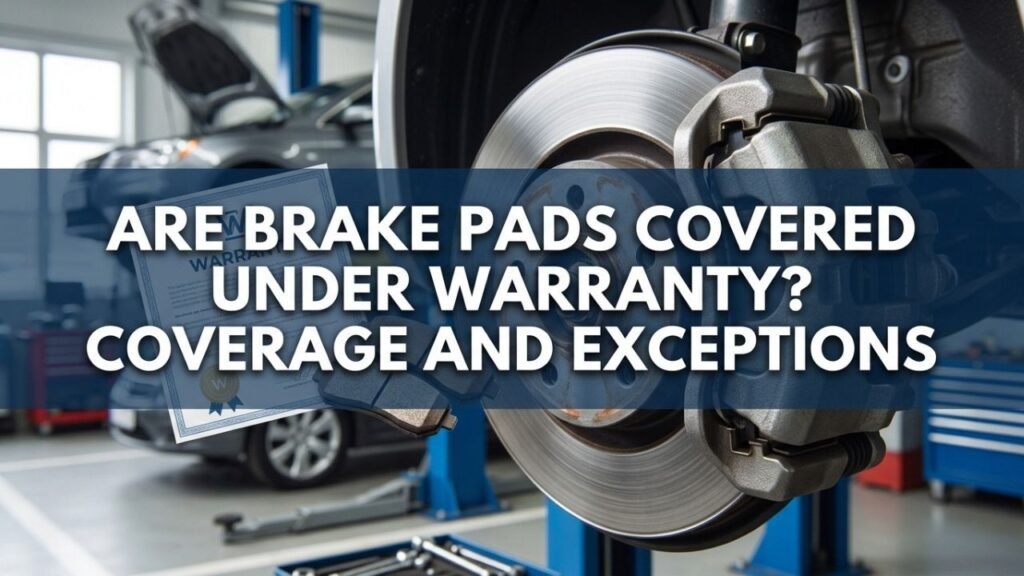
Are Brake Pads Covered Under Warranty? Coverage and Exceptions
Most factory vehicle warranties do not pay for brake pads that wear down through normal driving because pads are consumable friction parts. Coverage may apply when a pad has a defect in materials or workmanship, when another covered brake component causes abnormal pad damage, or when a separate parts or service warranty includes the replacement pads.
That distinction matters because a pad can wear out early for very different reasons. Frequent stop-and-go driving, towing, heavy loads, aggressive braking, stuck caliper parts, rotor problems, installation errors, and manufacturing defects can all shorten pad life, but a warranty does not treat each cause the same way.
A successful claim usually rests on the cause of the failure rather than the mileage alone. Pads that simply become thin from use are normally maintenance expenses. A pad that cracks, separates from its backing plate, or wears abnormally because of a covered caliper defect may deserve a different review.
The Federal Trade Commission states that using aftermarket or recycled parts does not automatically cancel a vehicle warranty. If an aftermarket part or poor installation damages another covered part, the manufacturer or dealer may deny coverage for that damage, and the FTC says the manufacturer or dealer must show that the aftermarket part caused the damage.
The answer to are brake pads covered under warranty therefore depends on the type of warranty, the reason the pads need replacement, the vehicle maker’s written exclusions, and any separate warranty on replacement brake parts.
What stood out to me in current U.S. warranty language is how clearly normal wear is separated from a defect. Honda’s current U.S. new-vehicle warranty provides 3 years or 36,000 miles of basic coverage, yet brake pads and linings are excluded as expendable maintenance items unless they are defective in material or workmanship.
The sections below explain factory coverage, defect claims, replacement-part warranties, extended plans, common denial reasons, claim steps, and the brake components that may still be covered when the pads themselves are not.
Are Brake Pads Covered Under Warranty From the Factory?
Usually, no. Factory warranties are mainly written to repair defects in materials or workmanship, not to pay for parts that are expected to wear through normal use.
Brake pads create friction against the rotor each time the vehicle slows. Losing friction material over time is part of their normal function, so automakers commonly place pads in the same general category as wiper blades, filters, clutch linings, and similar maintenance items.
Normal Wear Is Usually Excluded
Normal wear means the friction material gradually becomes thinner without a separate defect causing the loss. A driver who reaches the pad replacement point after ordinary use will usually pay for the brake job.
Current GM warranty information specifically lists brake pads among wear items that are exceptions to bumper-to-bumper coverage. Honda’s current warranty language also excludes normal pad and lining replacement unless a defect in material or workmanship is present.
The exact wording in the warranty booklet controls the claim. A broad term such as “bumper-to-bumper” does not mean every part between the bumpers receives coverage for normal wear.
A Manufacturing Defect May Be Covered
A pad can qualify for warranty review if it fails because the part itself is defective rather than consumed normally.
Possible defect-related signs include friction material separating from the backing plate, unusual cracking not caused by overheating or misuse, or another clearly documented manufacturing problem. The dealer or warranty provider may inspect the pads, rotor condition, caliper operation, service history, and driving-related evidence before approving a claim.
Premature wear by itself does not prove a defect. A stuck caliper, dragging brake, wrong installation, contaminated friction surface, or demanding use may produce fast wear without a defective pad.
A Covered Brake Fault May Damage the Pads
A covered caliper, hydraulic, or electronic fault can sometimes create a stronger claim for related pad damage.
For example, a caliper piston that sticks because of a covered defect may keep one pad pressed against the rotor. That pad can wear much faster than the pad on the opposite side. The warranty provider may cover the failed caliper and may also consider the resulting pad damage under the terms of the vehicle warranty.
Do not assume consequential damage is automatically included. The written warranty determines which related repairs are paid.
Key Takeaway: Normal pad wear is usually an owner expense, while defects and damage caused by a covered brake fault may qualify for warranty review.
What Types of Warranty Can Cover Brake Pads?
The word “warranty” can refer to several different agreements. A new-car warranty, a replacement-parts warranty, a repair-shop warranty, and a service contract may have very different rules.
New Vehicle Limited Warranty
A new vehicle limited warranty usually covers defects for a set period or mileage. Wear items are commonly excluded from routine replacement.
Honda currently states that brake pads and linings are excluded as expendable maintenance items unless defective in material or workmanship. GM also lists brake pads as wear items outside ordinary bumper-to-bumper coverage.
Some automakers give selected wear items a short coverage window. That short period is not the same as full basic-warranty coverage for the entire term.
Dealer-Installed Parts Warranty
Replacement brake pads installed at a dealer may carry a separate parts warranty.
Hyundai states that parts installed by a Hyundai dealer are covered for 12 months or 12,000 miles, and its Car Care brake pads and rotors carry the same stated term.
Ford parts listings for Motorcraft brake pads state a two-year, unlimited-mileage Service Parts Warranty, subject to the warranty’s terms and exclusions.
These examples show why it is worth checking the invoice and parts-warranty document after a brake job. Replacement pads may have protection even after the vehicle’s original wear-item coverage has ended.
Aftermarket Brake Pad Warranty
Aftermarket pad makers and auto-parts retailers may offer defect warranties or limited-lifetime programs.
A “lifetime warranty” does not always mean a manufacturer will pay for every worn-out set forever. Some programs cover defects only. Some retailer programs provide replacement pads after normal wear under specific purchase terms. Labor, rotors, hardware, shipping, and related damage may remain the owner’s expense.
Read the written terms instead of relying on the phrase printed on the box.
Repair-Shop Warranty
A repair shop may warranty its parts and labor for a stated time or mileage. This can matter if the pad itself is sound but the installation causes a problem.
For example, a pad fitted incorrectly, missing required hardware, or paired with a faulty service procedure may fall under the shop’s workmanship warranty rather than the vehicle manufacturer’s warranty.
Extended Warranty or Vehicle Service Contract
Many products sold as extended warranties are legally service contracts rather than extensions of the factory warranty.
Wear parts such as brake pads are often excluded. Some plans sell higher-tier or maintenance coverage that includes selected wear items, but the contract needs to name the coverage. Never assume a plan covers pads simply because it advertises brake-system protection.
Key Takeaway: Check the source of the coverage first. Factory, dealer-parts, aftermarket, shop, and service-contract warranties can treat brake pads very differently.
When Brake Pad Replacement Is Usually Not Covered
Most denied claims fall into predictable categories tied to normal use, maintenance, damage, or exclusions in the written warranty.
Normal Friction Wear
A pad reaching its wear limit after ordinary use is the clearest non-warranty case. Brake pads are meant to lose friction material over time.
Mileage does not create an automatic defect claim. Pad life changes with vehicle weight, traffic, terrain, driver habits, regenerative braking on some electrified vehicles, towing, and brake-system condition.
Driving Conditions and Brake Use
Frequent hard stops, mountain driving, dense city traffic, heavy towing, track use, or repeated high-temperature braking can accelerate wear.
A warranty provider may reject a claim if inspection shows the pads were overheated or worn through use outside the covered conditions. Glazing, heat damage, rotor condition, and wear patterns may become part of the diagnosis.
Neglected Brake Problems
Continuing to drive with a sticking caliper, grinding brake, warning light, or badly worn pad can cause secondary damage.
A provider may cover the original defective component yet decline added damage caused after the driver ignored a known fault. Service records and repair dates can matter in a disputed claim.
Installation Errors
Pads damaged by incorrect installation are generally not a manufacturing-defect claim against the vehicle maker.
Examples include wrong pad fitment, improperly installed hardware, contamination, a caliper left binding after service, or damage created during installation. The repair shop’s warranty may be more relevant in that situation.
Accident or External Damage
Crash damage, road debris, flooding, chemical contamination, and other outside causes are usually handled outside a normal new-vehicle defect warranty.
Insurance may apply to some accident-related brake damage. Warranty coverage and insurance serve different purposes.
Key Takeaway: Normal wear, demanding use, neglected faults, installation errors, and outside damage usually fall outside standard factory pad coverage.
Which Brake Parts May Still Be Covered?
The pads may be excluded while other brake-system components remain covered for defects.
Common non-wear brake parts that can fall under a basic vehicle warranty include the master cylinder, brake booster, ABS components, electronic control parts, hydraulic lines, hoses, and calipers. Exact coverage varies by vehicle and warranty booklet.
A caliper is a good example of why diagnosis matters. If a defective caliper causes one pad to drag, the repair may involve more than replacing pads. The technician should document the caliper fault, pad wear pattern, rotor condition, and any related damage before the claim is decided.
Rotors occupy a less simple category because they are also friction components. Normal rotor wear is commonly excluded, while a verified material or workmanship defect may receive different treatment. The written warranty and inspection findings control that decision.
I would avoid approving a customer-pay pad replacement until asking the dealer to explain the root cause when one pad is worn far more than the others on a low-mileage vehicle. Strongly uneven wear can point to a brake-system fault rather than ordinary pad consumption.
How to Check If Your Brake Pads Are Covered
The fastest way to get a reliable answer is to identify the exact warranty and document the reason for replacement before the old parts are discarded.
1. Read the Warranty Booklet
Look for sections labeled maintenance, wear items, exclusions, brake components, adjustments, and defects in materials or workmanship.
Do not rely only on the advertised basic-warranty term. A vehicle may carry a three-year or longer basic warranty while giving brake pads much shorter protection or excluding normal pad wear from the start.
2. Check the Brake-Service Invoice
If the pads were replaced previously, find the invoice. It may show the pad brand, part number, installation date, mileage, labor warranty, and dealer or shop warranty.
A separate replacement-parts warranty can be the strongest route after the original vehicle warranty no longer applies.
3. Document the Failure Before Replacement
Photograph unusual pad wear, broken friction material, separated lining, warning messages, damaged rotors, and the odometer when practical.
Ask the technician to record the measured pad thickness and the diagnosed cause. “Pads are worn” gives a warranty reviewer far less information than a report showing that one pad was destroyed by a seized covered caliper.
4. Ask for the Claim to Be Evaluated Before Authorizing Work
Contact the dealer, pad seller, repair shop, or service-contract administrator tied to the coverage.
Some contracts require preauthorization. Replacing the parts first and asking for reimbursement later can make a claim harder if the provider wanted to inspect the original parts.
5. Keep Maintenance and Repair Records
The FTC advises vehicle owners to keep repair and maintenance records because they may be useful when making a warranty claim.
Records do not turn normal pad wear into a covered defect, but they can show that required maintenance was performed and give the reviewer a clearer history of the brake problem.
Key Takeaway: Identify the warranty, preserve the old-part evidence, document the cause, and seek claim approval before repair when the contract requires it.
Can Aftermarket Brake Pads Void Your Car Warranty?
No. Installing aftermarket brake pads does not automatically void the entire vehicle warranty.
The FTC states that a warranty generally cannot be conditioned on the use of a specified branded part or service unless that part or service is provided free or another legal exception applies. The agency also states that use of aftermarket or recycled parts does not by itself end warranty protection.
That protection does not mean every problem after an aftermarket brake job must be covered. If an incorrect pad, defective aftermarket component, or poor installation damages the caliper or another brake part, coverage for that resulting damage may be denied.
Keep the receipt, part number, installation invoice, and service records. Those records make it easier to separate an aftermarket-part issue from an unrelated covered vehicle defect.
Conclusion
For drivers asking are brake pads covered under warranty, the usual answer is no for normal wear, but yes is possible in narrower cases. Defective pads, short wear-item coverage, dealer-installed replacement parts, repair-shop warranties, or damage caused by another covered brake fault can create a valid claim.
The most useful distinction is wear versus defect. Evenly worn pads that reached their service limit are generally maintenance. Cracked or separated material, very uneven wear, or pad damage tied to a failed caliper deserves a closer warranty review.
Check the exact warranty booklet and any prior brake-service invoice before paying. I would also ask for the diagnosed cause in writing when pads fail unusually early, because that single detail often determines which warranty, if any, applies.
FAQs About Brake Pad Warranty Coverage
Are brake pads covered by a bumper-to-bumper warranty?
Normal brake-pad wear is usually excluded from bumper-to-bumper coverage. GM, for example, identifies brake pads as wear items that are exceptions to its basic coverage. A manufacturing defect or a covered brake-system fault may receive different treatment, so the vehicle’s warranty booklet and diagnosis still matter.
Are brake pads covered if they wear out early?
Early wear alone does not prove a warranty defect. A dealer may inspect the calipers, rotors, pad wear pattern, driving conditions, and service history. If a covered defective component caused the rapid wear, related repairs may qualify. Normal use, heavy braking, or neglected maintenance usually does not.
Does a new car warranty cover brake pads?
Many new-car warranties exclude normal brake-pad replacement because pads are maintenance items. Some manufacturers provide short wear-item coverage or defect protection. Honda’s current U.S. warranty, for example, excludes brake pads and linings as maintenance items unless they are defective in material or workmanship.
Are defective brake pads covered under warranty?
They can be. A pad with a verified manufacturing defect may fall under the vehicle warranty, parts warranty, or pad maker’s warranty. The provider may inspect the pad to separate a material or bonding defect from heat damage, contamination, normal wear, misuse, or installation problems.
Do replacement brake pads come with a warranty?
Many do. Dealer-installed OEM pads and aftermarket pads may carry separate parts warranties. Terms vary by brand and seller. Coverage may apply to defects, while labor and normal wear may be excluded. Keep the receipt and installation paperwork because the purchase date and mileage may be required for a claim.
Are brake rotors covered with brake pads?
Not automatically. Rotors are also wear components, so normal rotor wear is often excluded. A rotor defect or damage tied to a covered brake-system failure may be treated differently. Some dealer, shop, or aftermarket brake packages include a separate rotor warranty with their own time, mileage, and defect rules.
Will aftermarket brake pads void my warranty?
No, aftermarket pads do not automatically cancel the vehicle warranty. The FTC says use of aftermarket or recycled parts does not by itself end warranty protection. If the aftermarket pad or its installation causes damage, coverage for that related damage may be denied.
What should I do if a dealer refuses brake-pad warranty coverage?
Ask for the reason for denial in writing and compare it with the warranty booklet. Request the diagnosis, pad measurements, and explanation of the failure cause. Keep invoices and photographs. If the dispute involves aftermarket parts, FTC consumer guidance on warranty rights may also be relevant.