Are Calipers Part of a Brake Job: What to Know and Why It Matters
Are calipers part of a brake job? Yes, calipers are part of a brake job, but only when they are worn, sticking, leaking, or causing the brake pads to wear unevenly. This article explains the conditions under which calipers are included, the signs that point to caliper trouble, and the practical details that determine whether you need a simple pad replacement or a more involved repair.
A routine brake job typically involves replacing the friction materials—the pads and often the rotors—that slow your vehicle down. The caliper, however, is the mechanical component that squeezes those pads against the rotor. It is designed to last much longer than the pads themselves, often surviving two or three pad replacements.
Yet, because the caliper houses the pistons and seals that do the heavy lifting, it can fail in ways that compromise a fresh set of pads. The difference between a standard brake job and one that includes calipers usually comes down to a few specific symptoms that you can see, hear, or feel before you authorize the work.
What a Caliper Does During a Brake Job
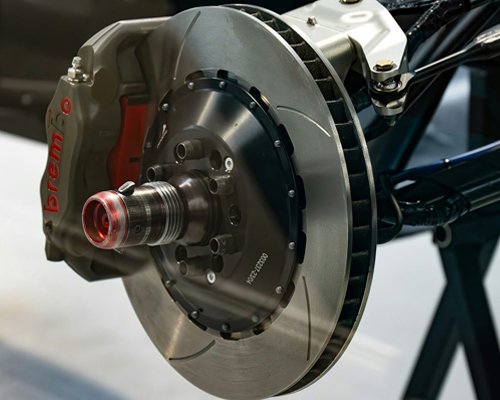
To understand why calipers are not automatically included in every brake job, you need to understand their role in the braking system. When you press the brake pedal, hydraulic fluid is forced from the master cylinder through the brake lines and into the caliper. The fluid pushes one or two pistons inside the caliper outward.
Those pistons press the inner brake pad against the rotor. Simultaneously, the caliper slides along its guide pins to pull the outer pad into contact with the other side of the rotor.
This clamping action converts the kinetic energy of your moving car into heat through friction. When you release the pedal, the caliper is supposed to release its grip so the pads barely touch the rotor. If the caliper fails to release, the pads remain in constant contact with the rotor.
That constant friction generates heat, wears down the pads prematurely, and can warp the rotor or even cause the brake fluid to boil.
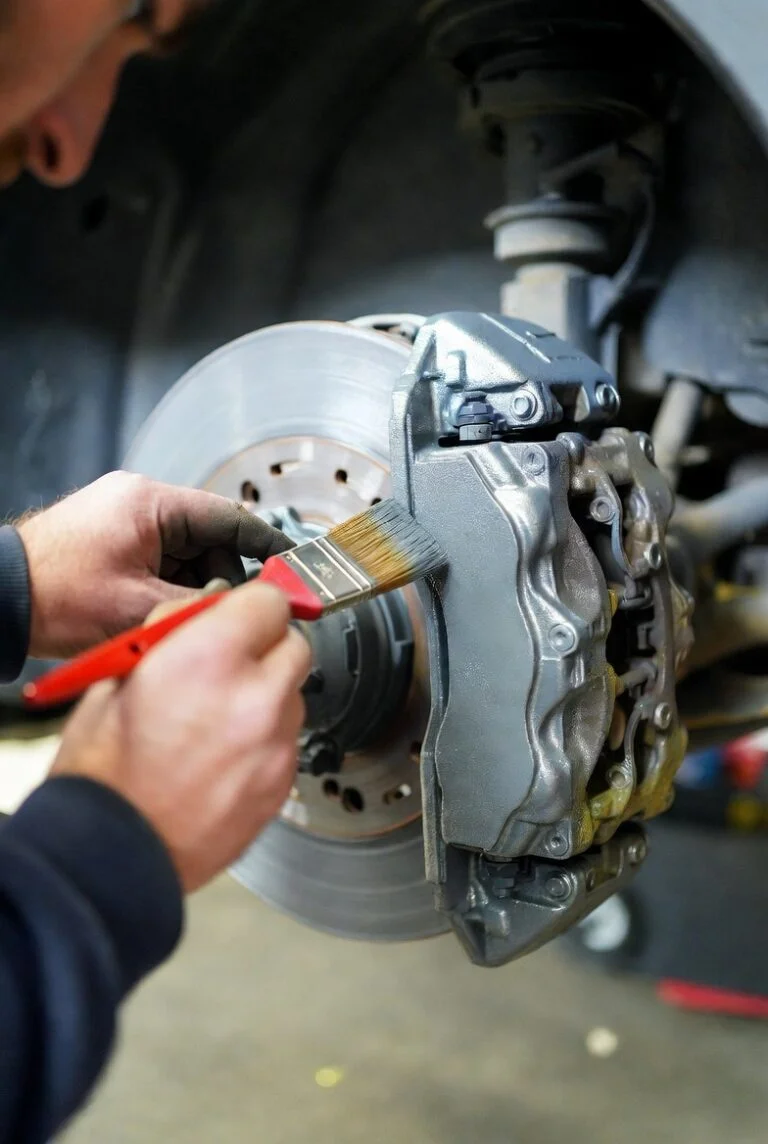
In a standard brake job, the technician removes the caliper to access the pads and rotors. That does not mean the caliper is being replaced. It means the caliper is being temporarily moved out of the way.
The technician will typically inspect the caliper during this process, checking the rubber dust boots, the guide pins, and the condition of the piston. If the inspection reveals no leaks, no sticking, and no uneven pad wear, the caliper is cleaned, lubricated, and reinstalled with the new pads.
When Calipers Are Included in a Brake Job
The most common reason calipers are added to a brake job is a seized or sticking caliper. A seized caliper occurs when the piston or the slide pins become corroded or contaminated, preventing the caliper from releasing properly. When this happens, the brake pads on that one wheel wear down much faster than the pads on the opposite side.
You might also notice the vehicle pulling to one side when you drive, or you might smell a burning odor coming from that wheel after a long drive.
Another clear indicator that calipers are part of the job is a visible brake fluid leak. The caliper contains a rubber seal around the piston and a banjo bolt connection where the brake line attaches. Over time, these seals can dry out, crack, or become damaged by heat and road grime.
A leak will appear as wetness or a dark stain on the inside of the tire or on the caliper body itself. If fluid is leaking, the caliper must be replaced because the internal seal cannot be reliably repaired in most cases.
Uneven brake pad wear is another sign that calipers need attention. When you replace brake pads, the technician will measure the thickness of the old pads. If the inner pad is significantly thinner than the outer pad, or if one side of the car has worn pads while the other side still has substantial material left, the caliper on the worn side is likely sticking.
Installing new pads without addressing the faulty caliper will simply result in the new pads wearing out just as quickly.
The Difference Between Caliper Replacement and Rebuilding
When a caliper is determined to be faulty, you generally have two options: replacement or rebuilding. A caliper replacement involves installing a new or remanufactured caliper on that wheel. A remanufactured caliper is a core unit that has been disassembled, cleaned, fitted with new seals and pistons, and tested.
This is the most common approach in modern repair shops because it is faster and more reliable than attempting to rebuild the caliper on the vehicle.
Caliper rebuilding, on the other hand, involves removing the caliper, disassembling it, honing the cylinder bore, and installing a new seal kit. This is rarely done anymore because the labor cost often exceeds the cost of a remanufactured caliper. Additionally, a remanufactured unit has been tested for proper operation, whereas a rebuilt caliper relies on the skill of the technician and the condition of the original housing.
For most drivers, a replacement caliper is the safer and more cost-effective choice.
How Caliper Condition Affects the Cost of a Brake Job
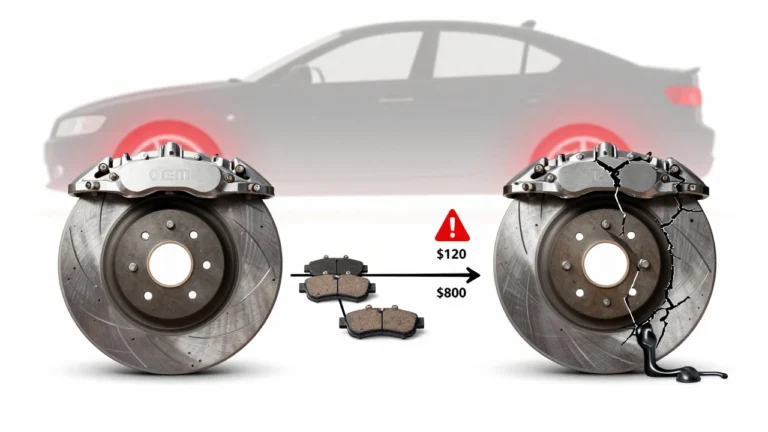
The inclusion of calipers in a brake job significantly changes the final price. Brake pads alone are relatively inexpensive, often costing between $50 and $150 for a set of quality pads. Rotors add more to the cost, especially if they are being replaced rather than resurfaced.
A caliper, however, is a much more expensive component. A new or remanufactured caliper can cost anywhere from $80 to $250 per corner, depending on the make and model of your vehicle. When you add labor, replacing a single caliper can add several hundred dollars to the total cost of the brake job.
Because of this cost difference, some drivers are tempted to skip caliper replacement and just install new pads. This is a false economy. If the caliper is sticking, the new pads will wear unevenly and quickly, and the rotor may become damaged from the constant heat.
You will end up paying for another brake job sooner than expected, and you may also compromise your ability to stop safely in an emergency. The safer approach is to have the caliper inspected and replaced if necessary while the brake system is already disassembled.
Signs That Your Calipers Need Attention Before a Brake Job
You do not have to wait until you are getting a brake job to know if your calipers are failing. Several symptoms can alert you to caliper trouble in advance. Pay attention to these signs and mention them to your mechanic when you schedule your brake service.
- Pulling to one side: If your car drifts or pulls to the left or right when you apply the brakes, a caliper on that side may be seizing.
- Dragging sensation: If the car feels like it is struggling to roll forward when you take your foot off the gas, or if it does not coast as freely as it used to, a stuck caliper may be creating constant drag.
- Uneven pad wear: If you inspect your brake pads through the wheel spokes and notice one pad is much thinner than the other on the same wheel, the caliper is not applying pressure evenly.
- Brake pedal feel: A caliper that is leaking fluid can cause the brake pedal to feel soft or sink closer to the floor. A caliper that is seizing can cause the pedal to feel hard or require more pressure than usual.
- Visible damage: Look at the rubber boot around the caliper piston. If it is torn, cracked, or missing, dirt and moisture can enter the caliper and cause corrosion.
- Overheating wheel: After a drive, carefully touch the center of the wheel (not the rotor) on each corner. If one wheel is noticeably hotter than the others, that brake is likely dragging.
The Inspection Process During a Brake Job
When you take your vehicle in for a brake job, a competent technician will perform a thorough inspection of the entire braking system before quoting a final price. This inspection should include the calipers, brake lines, hoses, and the master cylinder fluid level. The technician will look for signs of leakage, check the condition of the rubber boots, and verify that the slide pins are free and properly lubricated.
The technician will also measure the rotor thickness and check for scoring, cracking, or hot spots. If the rotors are below the minimum thickness specification, they must be replaced. If they are within spec but have surface irregularities, they may be resurfaced on a lathe.
The condition of the rotors often correlates with the condition of the calipers. A rotor that is warped or blued from heat is a strong indication that the caliper was dragging.
After the inspection, the technician should give you a clear explanation of what was found and what is recommended. If the calipers are functioning properly, you should only be charged for pads and rotors, plus the labor to install them. If a caliper is faulty, you should be shown the evidence, such as the uneven pad wear or the fluid leak, before you approve the additional work.
Why Replacing Calipers in Pairs Is Often Recommended
If one caliper fails, there is a reasonable chance that the caliper on the opposite side of the same axle is not far behind. This is because both calipers are exposed to the same operating conditions, brake fluid, and road environment. For this reason, many mechanics recommend replacing calipers in pairs, meaning both front calipers or both rear calipers, rather than just the one that has failed.
Replacing calipers in pairs ensures balanced braking performance. If you install a new caliper on one side and leave an old, worn caliper on the other, the braking force may be uneven. The new caliper will respond more quickly and apply more pressure, causing the vehicle to pull to one side under hard braking.
Replacing both calipers also saves you money on labor in the long run, because the brake system has to be bled and the vehicle has to be lifted and disassembled only once.
That said, replacing calipers in pairs is not always strictly necessary. If the other caliper is relatively new, has been inspected and found to be in good condition, and shows no signs of leakage or sticking, a single caliper replacement may be acceptable. The decision should be based on the actual condition of the parts and the mileage on the vehicle, not on a blanket rule.
The Role of Brake Fluid and Maintenance
Brake fluid plays a critical role in the health of your calipers. Brake fluid is hygroscopic, meaning it absorbs moisture from the air over time. That moisture can cause internal corrosion in the caliper pistons and bores, leading to sticking and seal failure.
Regular brake fluid flushes, typically recommended every two to three years or every 30,000 miles, can extend the life of your calipers significantly.
If you have neglected brake fluid maintenance, your calipers are more likely to fail. The internal corrosion can cause the piston to stick, and the contaminated fluid can damage the rubber seals. When you have a brake job performed, ask the technician about the condition of your brake fluid.
If it is dark, cloudy, or has a burnt smell, a flush should be part of the service to protect your new components.
What to Expect After Caliper Replacement
If your brake job includes caliper replacement, the process is straightforward but requires care. The technician will remove the wheel, disconnect the brake line from the caliper, and unbolt the caliper from the steering knuckle or the rear axle. The new or remanufactured caliper is then installed, and the brake system is bled to remove any air from the lines.
After the job is complete, you may notice that the brake pedal feels slightly different for the first few stops. This is normal as the new pads and rotors seat together. You should also avoid heavy braking for the first 100 to 200 miles to allow the new friction materials to bed in properly.
If you notice any pulling, vibration, or unusual noises after the first few days, return to the shop for a recheck.
Making the Right Decision for Your Vehicle
The decision to include calipers in a brake job should never be made based on price alone. It should be based on the actual condition of the components and the safety implications of driving with a faulty caliper. A sticking caliper not only ruins your new brake pads but also creates a fire hazard in extreme cases, as the constant friction can ignite nearby materials.
When you receive a recommendation for caliper replacement, ask the technician to show you the old parts. A seized caliper will often have a discolored piston or a torn boot. A leaking caliper will show wetness and dirt accumulation.
Seeing the evidence helps you understand why the work is necessary and gives you confidence that the recommendation is legitimate.
Conclusion
Calipers are part of a brake job when they are malfunctioning, but they are not a routine replacement item like pads or rotors. The key takeaway is that a proper brake job includes a thorough caliper inspection, and calipers are only added to the work order when they show signs of sticking, leaking, or uneven wear. Ignoring a faulty caliper will waste your money on new pads and compromise your safety.
The most practical next step is to have your brake system inspected by a reputable technician who can show you the condition of the calipers and explain exactly what is needed before any work begins.